
What is a circuit breaker, and can I check it myself? A circuit breaker is a safety device that automatically interrupts the flow of electricity when it detects an overload or a short circuit. Yes, you can check and reset most circuit breakers yourself following safety precautions.
Experiencing flickering lights, a dead outlet, or a section of your home suddenly losing power can be unsettling. Often, the culprit behind these electrical hiccups is a tripped circuit breaker. These essential safety devices are the unsung heroes of our electrical systems, designed to protect your home and family from fire hazards caused by electrical faults. Knowing how to check your circuit breakers is a fundamental skill for any homeowner, empowering you to tackle common electrical issues and maintain a safe living environment. This comprehensive guide will walk you through everything you need to know, from locating your circuit breaker panel to identifying tripped breakers, testing them, and ensuring your electrical safety.
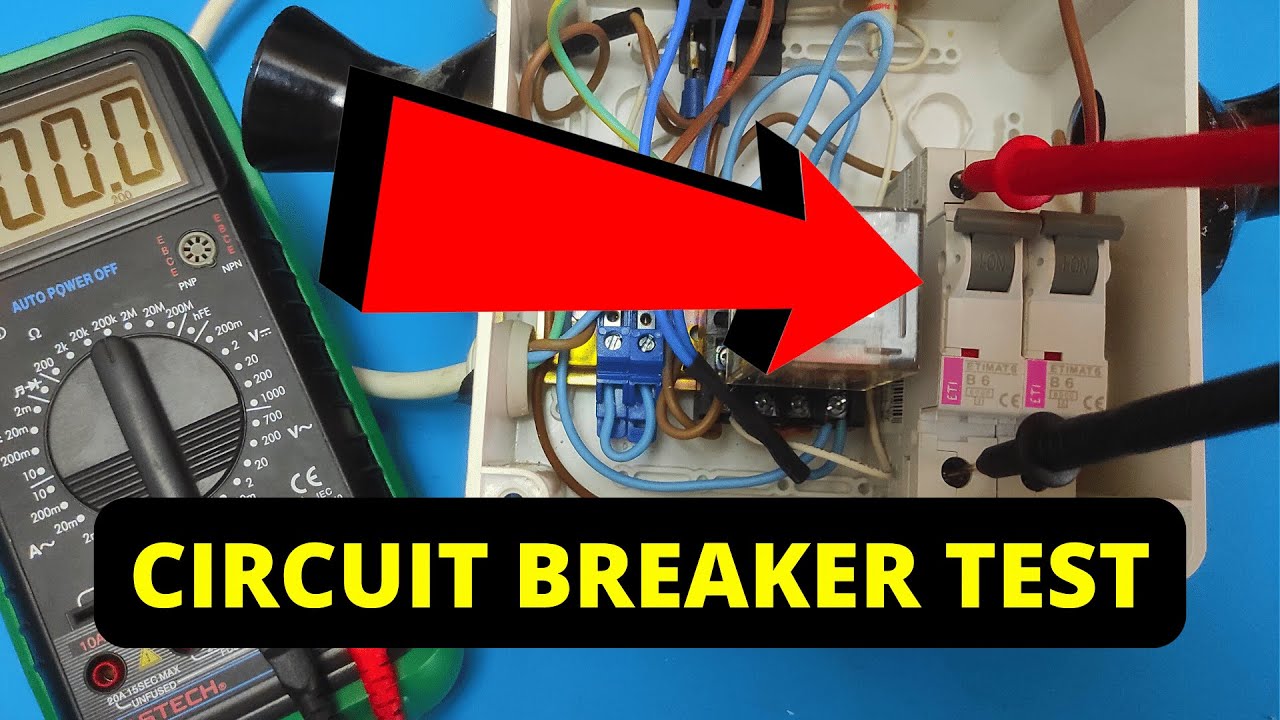
Image Source: i.ytimg.com
Locating Your Circuit Breakers
The first step in troubleshooting is to find your circuit breaker panel. This is usually a metal box, often gray, with a door or a cover. You can typically find it in a few common locations within your home:
- Garage: This is a very frequent spot for electrical panels.
- Basement: Another common area, especially in older homes.
- Utility Room or Closet: Many modern homes have them tucked away in a dedicated utility space.
- Hallway or Stairwell: Less common, but sometimes panels are installed in these areas.
Once you’ve found the panel, open the door or cover. You’ll see a row or rows of switches. Each switch controls a specific circuit in your home.
Deciphering the Circuit Breaker Panel Layout
Your circuit breaker panel is like a map of your home’s electrical system. Each breaker is labeled, indicating which areas or appliances it serves. These labels can vary in detail:
- Room-Specific: “Living Room Lights,” “Kitchen Outlets.”
- Appliance-Specific: “Refrigerator,” “Washing Machine.”
- General Areas: “Upstairs Lights,” “Downstairs Outlets.”
Sometimes, the labels might be handwritten and a bit faded or even missing. This is where it can get a little trickier to pinpoint a specific problem.
Common Circuit Breaker Problems and Their Symptoms
Before we dive into the “how-to,” let’s touch upon common circuit breaker problems and what they might look like:
- Tripped Breaker: This is the most common issue. A tripped breaker usually means there was too much demand on that circuit (an overload) or a sudden surge of electricity (a short circuit).
- Loose Wiring: While not directly a breaker issue, loose connections at the breaker itself can cause intermittent problems or even lead to a breaker tripping more frequently.
- Faulty Breaker: In rare cases, the breaker itself might be failing and tripping without a clear cause.
Visual Cues of a Tripped Breaker
Identifying tripped breakers is generally straightforward. A breaker that has tripped will be in a position between “ON” and “OFF.” It won’t be fully in the “ON” position, nor will it be fully in the “OFF” position. It often looks slightly off-center.
Some breakers have indicator lights or colored flags that change when tripped, but most rely on the physical position of the switch.
How to Reset a Tripped Breaker Safely
Resetting circuit breakers is a relatively simple process, but it’s crucial to approach it with a focus on electrical safety.
Step-by-Step Guide to Resetting a Breaker
- Locate the Circuit Breaker Panel: As discussed, find the panel in your home.
- Identify the Tripped Breaker: Look for a switch that is not fully in the “ON” position. It will be in the middle, or “tripped,” position.
- Ensure No Overload: Before attempting to reset, make sure the appliance or device that was in use when the power went out is unplugged or turned off. This is important to prevent the breaker from tripping again immediately. For example, if your kitchen outlets went out, unplug the toaster, microwave, or any other appliance you were using.
- Push the Breaker Firmly to the “OFF” Position: Even though it looks like it’s halfway, you need to push the switch firmly all the way to the “OFF” position. This action resets the internal mechanism of the breaker.
- Push the Breaker Firmly to the “ON” Position: Once it’s fully in the “OFF” position, push it firmly all the way to the “ON” position. You should feel a distinct click.
- Test the Circuit: Go back to the area where the power was out and check if it has been restored.
Important Safety Precautions When Resetting
- Never Force a Breaker: If a breaker refuses to move to the “OFF” or “ON” position, do not force it. This could indicate a more serious problem.
- Keep Hands Dry: Always ensure your hands are completely dry before touching the circuit breaker panel.
- Avoid Standing in Water: Never attempt to reset a breaker if you are standing in water or on a wet surface.
- Children and Breakers: Keep children away from the circuit breaker panel. It’s a high-voltage area.
- If it Trips Again: If the breaker trips immediately after you reset it, or if it trips repeatedly, do not keep resetting it. This is a sign of a persistent electrical issue that requires professional attention.
Troubleshooting Electrical Issues: When to Call a Professional
While knowing how to reset a tripped breaker is a valuable skill for troubleshooting electrical issues, it’s not always the solution. There are times when you need to call a qualified electrician.
When Not to Reset and Call a Pro
- Repeated Tripping: If the same breaker trips multiple times in a short period, it signals an ongoing problem that needs professional diagnosis. This could be due to a faulty appliance, an overloaded circuit that cannot be easily managed, or wiring issues.
- Breaker Won’t Reset: If a breaker is stuck in the tripped position or feels loose and won’t stay in the “ON” position, the breaker itself might be damaged or faulty.
- Smell of Burning or Smoke: If you smell burning plastic or see smoke coming from the panel, shut off the main breaker immediately (if you know how and can do so safely) and evacuate. Call emergency services and a qualified electrician.
- Sparking or Arcing: Any visible sparking or arcing from a breaker or within the panel is extremely dangerous and requires immediate professional intervention.
- Flickering Lights or Dimming: While an occasional flicker might be a transient issue, persistent flickering or dimming across multiple circuits could indicate a more significant problem with the main electrical supply or wiring.
- Warm or Hot Breakers: Breakers should not feel warm to the touch. A hot breaker is a warning sign of excessive resistance or a failing breaker.
- Water Damage: If your circuit breaker panel has been exposed to water, do not touch it. Call an electrician immediately.
- You’re Unsure: If at any point you feel uncomfortable or unsure about what you are doing, it’s always best to err on the side of caution and call a professional electrician.
Testing Circuit Breakers: More Advanced Steps
While most homeowners are concerned with resetting, sometimes you might want to perform basic testing circuit breakers. This is usually done to confirm if a breaker is indeed the problem.
Simple Test for a Suspect Breaker
- Identify the Suspect Circuit: If an appliance or outlet isn’t working, and you’ve ruled out the appliance itself, try to identify which breaker controls it.
- Turn the Breaker Off: Firmly push the suspected breaker all the way to the “OFF” position.
- Turn the Breaker Back On: Then, firmly push it all the way to the “ON” position.
- Check the Circuit: See if the problem is resolved. If the breaker was simply in a tripped state, this will confirm it. If the problem persists, the issue lies elsewhere, or the breaker is faulty.
Table 1: Common Electrical Problems and Potential Causes
| Symptom | Potential Cause(s) | What to Do |
|---|---|---|
| Outlet or light not working | Tripped circuit breaker | Locate and reset the breaker. If it trips again, investigate the cause or call an electrician. |
| Flickering lights | Overloaded circuit, loose connection, faulty bulb | Unplug appliances on the circuit. If it persists, check bulb connections. Call an electrician if needed. |
| Appliance not working | Tripped breaker, faulty appliance | Check the breaker. If the breaker is fine, test the appliance on another outlet or have it serviced. |
| Sparks from an outlet | Faulty outlet, loose wiring, improper connection | Do not use the outlet. Turn off the breaker for that circuit and call an electrician immediately. |
| Burning smell from panel | Overheating wires, faulty breaker, bad connection | Immediately shut off power at the main breaker if safe, evacuate, and call emergency services and electrician. |
| Breaker trips repeatedly | Overloaded circuit, short circuit, faulty appliance | Do not keep resetting. Identify and remove the load or call an electrician to diagnose the underlying issue. |
| Breaker feels hot to the touch | Overheating, loose connection, failing breaker | Turn off the breaker, and call an electrician. Do not use the circuit until it’s inspected. |
Fathoming Circuit Breaker Function
To better troubleshoot, it helps to have a basic grasp of understanding circuit breaker function.
The Role of Circuit Breakers in Electrical Safety
Circuit breakers are designed to protect your home’s wiring from damage and to prevent fires. They work by detecting an abnormal flow of electricity. There are two primary mechanisms within most common circuit breakers:
- Thermal Trip: This mechanism uses a bimetallic strip. When too much current flows through the circuit for an extended period, the bimetallic strip heats up and bends. This bending action eventually trips a latch, opening the circuit. This is what happens during an overload.
- Magnetic Trip: This mechanism uses an electromagnet. When a very large surge of current flows (like in a short circuit), the electromagnet is activated, causing it to pull on a lever that instantly trips the breaker. This provides very fast protection against short circuits.
Different Types of Circuit Breakers
While most homes have standard thermal-magnetic breakers, other types exist:
- GFCI (Ground Fault Circuit Interrupter): These are essential for areas where water is present (kitchens, bathrooms, outdoors). They detect imbalances in the current flow that could indicate electricity is going through a person and shut off the power very quickly.
- AFCI (Arc Fault Circuit Interrupter): These breakers detect dangerous electrical arcs that can occur due to damaged wires or faulty connections. Arcs can generate intense heat and are a significant fire hazard.
Maintaining Your Electrical System and Preventing Issues
Regular maintenance and awareness can prevent many electrical problems.
Tips for a Safe Electrical System
- Label Your Panel Clearly: If your panel is unlabelled or poorly labelled, consider creating a detailed map of your circuits.
- Avoid Overloading Circuits: Be mindful of how many high-draw appliances you use simultaneously on a single circuit. If you find yourself constantly tripping a breaker, you might need to redistribute power or consider an electrical upgrade.
- Use Appliances Correctly: Ensure appliances are in good working order and not damaged.
- Inspect Outlets and Cords: Regularly check for frayed cords, loose outlets, or discolored outlets, which can be signs of trouble.
- Professional Inspections: Consider having a qualified electrician inspect your electrical system periodically, especially in older homes.
When to Upgrade Your Electrical Panel
If your home is older, has frequent breaker trips, or you’re adding major new appliances (like a hot tub or electric vehicle charger), you might need to upgrade your circuit breaker panel. An older panel might not have the capacity or the modern safety features required for current electrical demands. This is a job for a licensed electrician.
Frequently Asked Questions (FAQ)
Q: How often should I check my circuit breakers?
A: You don’t need to check them regularly unless you experience an electrical issue. However, it’s a good idea to be familiar with their location and how to reset them. If you have old breakers, some recommend testing them once a year, but this is debated. The most important time to “check” is when a circuit goes down.
Q: Can I use a penny or a wire to bypass a tripped breaker?
A: Absolutely not! This is extremely dangerous and a serious fire hazard. It bypasses the safety mechanism, leaving your home and its occupants vulnerable to electrocution and fire.
Q: Why does my breaker keep tripping?
A: This usually means the circuit is overloaded (too many devices drawing power) or there’s a short circuit somewhere in the wiring or an appliance. Do not repeatedly reset it. Call an electrician to diagnose the problem.
Q: What’s the difference between a circuit breaker and a fuse?
A: Both are safety devices that protect circuits. Fuses use a wire that melts and breaks when overloaded, requiring replacement. Circuit breakers use a switch mechanism that can be reset. Modern homes predominantly use circuit breakers.
Q: My main breaker keeps tripping. What should I do?
A: A tripping main breaker is a more serious issue, often indicating a problem with the overall power coming into your house or a major overload. If it trips, do not attempt to reset it repeatedly. Contact your electricity provider or a qualified electrician immediately.
By following these guidelines, you can confidently handle common electrical issues, ensure the safety of your home, and know when to call in the experts for more complex problems. Remember, electrical safety is paramount, and when in doubt, always consult a professional.