
A cast saw, most commonly an oscillating cast saw, works by using a high-speed, vibrating blade that moves back and forth rapidly. This rapid vibration allows the blade to cut through the hard cast material without directly rotating and grinding, which is crucial for safe cast removal and protecting the patient’s skin and underlying bone.
When you or a loved one needs a broken bone to heal, a cast is applied to keep everything in place. But how do you get that rigid cast off once the bone is mended? That’s where the magic of a cast saw comes in. It might look intimidating, but these tools are designed for precision and safety. Let’s dive deep into how these essential medical devices function.
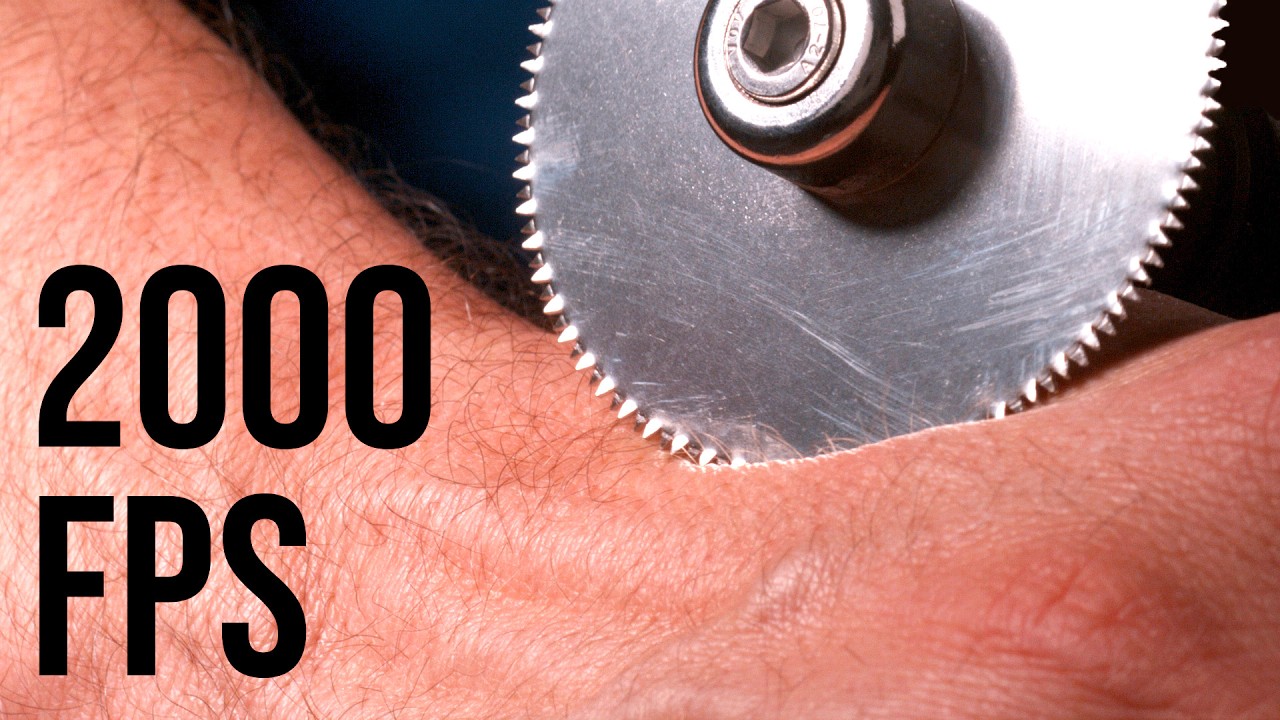
Image Source: i.ytimg.com
The Science Behind Cast Removal
The Evolution of Cast Removal
For centuries, removing a plaster cast was a laborious and often uncomfortable process. Early methods involved chisels, hammers, and even saws that operated with a continuous cutting action. These tools posed a significant risk of injury, as they could easily cut skin and damage the delicate healing bone beneath.
The invention of the oscillating cast saw revolutionized orthopedic cast removal. This innovative tool drastically improved the speed, efficiency, and, most importantly, the safety of removing casts. The fundamental principle behind its design is to move the blade in a controlled, side-to-side motion rather than a full rotation, creating a sawing action that effectively cuts through cast material.
How the Oscillating Cast Saw Functions
The core of a cast saw is its vibrating cast blade. This blade is not designed to spin like a typical saw. Instead, it oscillates, meaning it moves back and forth very quickly. Think of it like a tiny, very fast seesaw for the blade.
- Motor Power: An electric motor drives the mechanism that makes the blade vibrate. This motor is powerful enough to generate a high-frequency vibration.
- Eccentric Mechanism: Inside the saw, an eccentric mechanism converts the motor’s rotational power into the back-and-forth motion of the blade. This is similar to how a piston moves up and down in an engine.
- High-Frequency Vibration: The blade vibrates at an incredibly high frequency, typically thousands of times per minute. This rapid vibration is what allows the blade to cut through tough cast materials like fiberglass or plaster.
- Sharp Blade Edge: The edge of the blade is very sharp. As it vibrates, it effectively “chops” or “scrapes” its way through the cast material.
Why Oscillation is Key for Safe Cast Cutting
The genius of the oscillating action lies in its safety features. Unlike a high-speed cast cutter with a rotating blade that could easily catch and cut skin, the oscillating cast saw’s blade moves side-to-side.
When the vibrating blade encounters something softer than the cast, like skin or fabric, it doesn’t have the leverage or continuous cutting action to slice through it. The soft material simply pushes the blade out of the way due to the oscillating motion and the slight give in the blade itself. This is what enables safe cast cutting and provides excellent bone protection.
Components of a Cast Saw
A cast saw is a relatively simple yet highly effective tool. Here are its main parts:
- Motor: This is the power source. Usually electric, it provides the energy to drive the oscillating mechanism.
- Housing: The casing that protects the internal components and provides a grip for the operator.
- Blade Attachment Mechanism: This part connects the blade to the motor’s drive system. It’s designed to transfer the rotational motion into oscillation.
- Cast Saw Blade: The cutting element. These blades come in various shapes and sizes, made from durable materials like high-carbon steel or stainless steel. They have specific teeth designs optimized for cutting different cast materials.
- Power Cord/Battery: Depending on the model, the saw is powered by a cord plugged into an electrical outlet or a rechargeable battery.
- Ventilation: Openings in the housing allow for airflow to prevent the motor from overheating during prolonged use.
Types of Cast Saw Blades
The blade is the business end of the cast saw. Different materials require slightly different blade designs for optimal cast material removal.
| Blade Material | Characteristics | Best For | Notes |
|---|---|---|---|
| High-Carbon Steel | Durable, sharp edge retention | Plaster, Fiberglass | Common and cost-effective. |
| Stainless Steel | Corrosion-resistant, strong | Plaster, Fiberglass | Good for humid environments. |
| Tungsten Carbide | Extremely hard, wear-resistant | Very dense or hardened fiberglass casts | Can be more brittle, requires careful handling. |
| Diamond Coated | Ultra-hard, fast cutting | All cast types, especially tough ones | Can generate more heat, requires efficient cooling. |
The design of the teeth on the saw blade rotation (or rather, oscillation) is also important. Some have finer teeth for smoother cuts, while others have coarser teeth for faster cast material removal.
The Process of Orthopedic Cast Removal
When it’s time to remove a cast, a healthcare professional, typically a doctor, nurse, or orthopedic technician, will use the cast saw. Here’s a breakdown of the typical process:
-
Preparation:
- The patient is positioned comfortably.
- The healthcare provider explains the procedure and reassures the patient.
- A protective barrier, often a piece of gauze or a special cloth, is placed between the vibrating cast blade and the patient’s skin. This is a crucial step for bone protection and preventing accidental nicks.
- The area around the cast might be checked for any sensitive spots or areas that require extra care.
-
Starting the Cut:
- The cast saw is powered on, and the blade begins to oscillate at high speed.
- The provider gently places the vibrating blade onto the cast material.
- They start the cut, typically along a predetermined line or in sections.
-
Making the Cut:
- The provider moves the saw slowly and steadily along the cast. The rapid vibration slices through the material.
- They listen to the sound of the saw, which changes as it cuts through different layers or as it nears the end of the cast.
- Periodic checks are made to ensure the blade is not pressing too hard or getting too close to the skin. The guard on the saw helps to maintain a safe distance.
-
Removing the Cast:
- Once a sufficient cut is made, the cast can be spread apart. This is often done using a cast spreader tool.
- The cast is then gently pulled off the limb. Sometimes, the cast needs to be cut in two halves.
-
Post-Removal Care:
- The skin is examined for any redness or irritation.
- The limb is cleaned, and often a gentle moisturizing lotion is applied.
- The underlying limb is inspected to ensure the bone is healing well.
Factors Affecting Cast Saw Performance
Several factors can influence how well a cast saw performs and how efficiently it removes cast material:
- Cast Material: Different cast materials have varying densities and hardness.
- Plaster of Paris: Softer and easier to cut, but can be messy.
- Fiberglass: Harder and more durable, requiring a sharper blade and more consistent pressure.
- Thermoplastics: Can be cut with cast saws, but some types may soften with heat and require specialized techniques.
- Blade Condition: A dull or damaged blade will struggle to cut effectively and can increase the risk of snagging or requiring more pressure. Regular blade replacement is vital for efficient cast cutting mechanism.
- Saw Power and Vibration Frequency: A more powerful motor and a higher vibration frequency generally lead to faster and cleaner cuts. The oscillating cast saw technology is designed to optimize this balance.
- Operator Skill: The experience of the person using the saw is paramount. A skilled operator knows how to apply the right amount of pressure and move the saw smoothly for safe cast cutting.
- Patient Movement: Uncontrolled patient movement can make the process more challenging and increase the risk of accidental injury.
Innovations and Future of Cast Saws
The technology behind cast saws continues to evolve, focusing on enhancing safety, efficiency, and patient comfort.
- Quieter Operation: Newer models often incorporate sound-dampening features to reduce the noise, which can be a source of anxiety for some patients.
- Improved Ergonomics: Lighter designs and more comfortable grips reduce operator fatigue.
- Cordless Models: Battery-powered cast saws offer greater mobility and convenience in various clinical settings.
- Advanced Blade Materials: Development of even harder and more durable blade materials allows for faster and cleaner cuts through the toughest cast materials.
- Integrated Vacuum Systems: Some advanced saws include built-in vacuum systems to help manage the dust generated during cast material removal, improving air quality in the treatment room.
- Variable Speed Control: Allowing the operator to adjust the vibration speed can be beneficial for different cast types and patient sensitivities.
Addressing Common Concerns
Is a Cast Saw Dangerous?
When used by trained medical professionals, cast saws are very safe. The oscillating cast saw is specifically designed to prevent injury. The blade’s movement is designed to cut hard materials like fiberglass and plaster but to glide over softer tissues like skin. The vibration frequency and the specific design of the vibrating cast blade are key to this safety. While the noise and the sensation might feel unusual, the risk of cutting skin or bone is extremely low when the tool is used correctly.
What Does it Feel Like to Have a Cast Removed?
Most patients describe the sensation as a vibration or a buzzing feeling. You might feel the saw moving across the cast, and you might hear the cutting noise. Because the blade doesn’t actually touch your skin, you shouldn’t feel any cutting pain. Some people report a slight warmth from the friction. It’s important to remain as still as possible during the procedure.
Why is the Blade Vibrating and Not Rotating?
The key difference between a traditional saw and a cast saw is the saw blade rotation versus oscillation. A rotating blade cuts by spinning and grinding. This action can easily catch on skin or soft tissue, causing a cut. The vibrating cast blade of an oscillating cast saw moves back and forth very rapidly. This “chopping” motion cuts through the hard cast material effectively. However, when it encounters skin, the soft material gives way, and the blade simply vibrates against it without cutting. This is the fundamental principle that ensures safe cast cutting and bone protection.
Can I Remove My Own Cast?
Absolutely not. Removing a cast requires specialized tools and training. Attempting to remove a cast yourself with household tools can lead to severe injury, including cuts to the skin, damage to the healing bone, and infection. Always rely on trained medical professionals for orthopedic cast removal.
Conclusion
The oscillating cast saw is a marvel of medical engineering, transforming the process of orthopedic cast removal from a potentially dangerous undertaking into a swift and safe procedure. By leveraging the power of high-frequency vibration and a specifically designed vibrating cast blade, these tools allow for efficient cast material removal while prioritizing bone protection and patient comfort. From understanding the mechanics of its cast cutting mechanism to appreciating the evolution of its design, this guide aims to demystify the cast saw, ensuring you feel informed and confident during your next cast removal.
Frequently Asked Questions (FAQ)
Q1: How long does it take to remove a cast with a cast saw?
A1: Typically, removing a cast takes only a few minutes. The exact time can depend on the type of cast material, the size of the cast, and the skill of the operator.
Q2: What happens to the dust from the cast?
A2: The cast saw generates dust from the cast material. Healthcare providers usually use a vacuum system or a cloth to collect this dust and keep the air cleaner.
Q3: Can a cast saw cut through my clothes?
A3: Yes, a cast saw can cut through clothing if it comes into contact with it. This is why providers often ask patients to wear loose-fitting clothing or ensure clothing is tucked away from the cutting area.
Q4: Is the blade on a cast saw ever sharp enough to cut skin?
A4: While the blade is very sharp for cutting the cast, its oscillating motion is designed to push soft materials like skin away rather than cut them. The guard on the saw also helps maintain a safe distance. However, extreme carelessness or patient movement can still pose a small risk.
Q5: What if the cast saw gets hot during use?
A5: The friction from cutting can cause the blade and the cast to warm up. The saw itself is also cooled by ventilation to prevent the motor from overheating. If you feel excessive heat, inform the healthcare provider.
Q6: Do all cast saws use the same type of blade?
A6: No, while the principle of oscillation is the same, blades can vary in material, size, and tooth design to be most effective on different types of cast materials like plaster or fiberglass.