
Can you rivet with a hammer? Yes, you absolutely can rivet with a hammer! Riveting with a hammer is a foundational skill for many DIY projects and repairs. It’s a straightforward process, but mastering it requires knowing the right techniques and tools. This comprehensive guide will walk you through everything you need to know about hammer riveting technique, from selecting the right hammer to achieving a strong, secure joint.
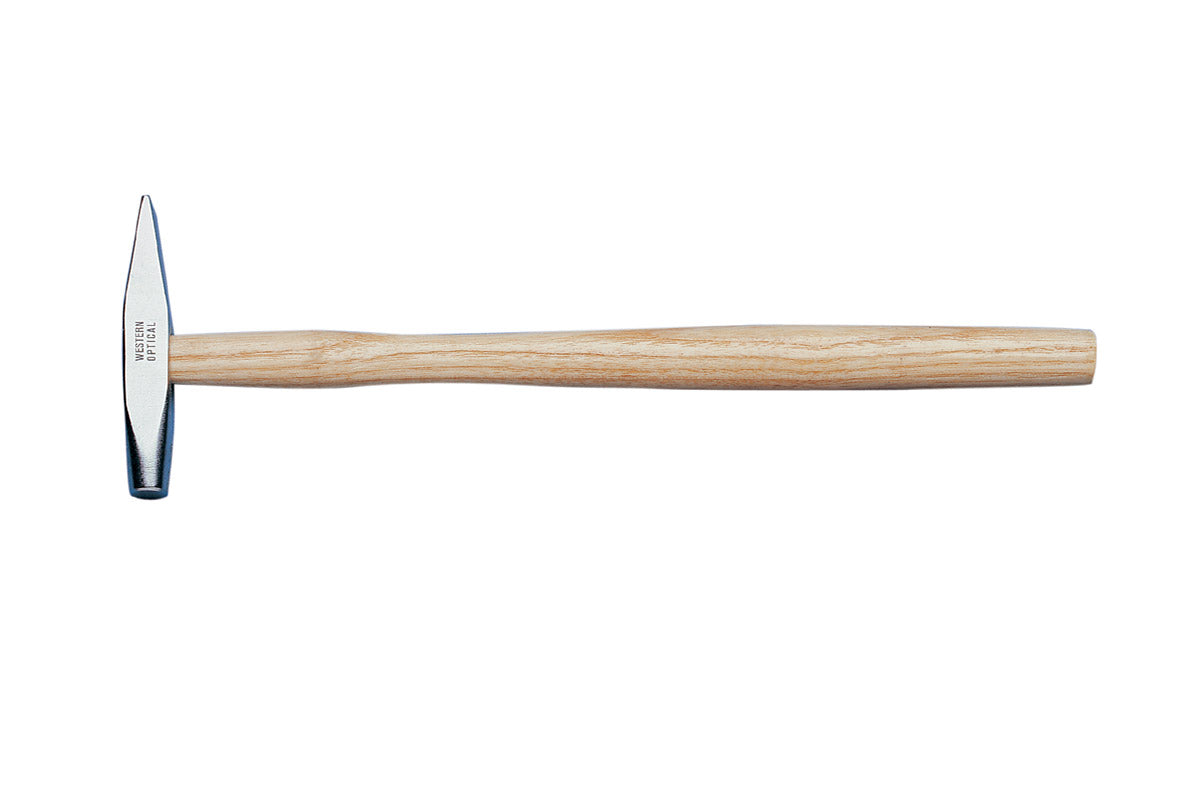
Image Source: westernoptical.com
What You Need to Get Started
Before you begin, gather your essential tools and materials. Having everything ready will make the process smoother and safer.
- Rivets: Choose the correct type and size of rivet for your project. Common types include solid rivets and pop rivets. For hammer riveting, solid rivets are typically used.
- Hammer: A ball-peen hammer is ideal. The rounded end (the peen) is used to shape the rivet head, while the flat face can be used for initial striking. The weight of the hammer should be comfortable for you to control.
- Hammer and Rivet Set: A rivet set (also known as a rivet buck or setter) is a specialized tool that fits over the rivet head. It has a cupped end that matches the rivet head’s shape, ensuring a clean and uniform finish. You’ll need a rivet set that matches the size and type of rivet you’re using.
- Workpiece Material: The metal or material you are joining.
- Vise or Clamps: To hold your workpiece firmly in place while you work.
- Safety Glasses: Essential to protect your eyes from flying debris.
- Gloves (Optional): For better grip and hand protection.
- Center Punch: To mark the precise location for drilling the hole.
- Drill and Drill Bits: To create the holes for the rivets.
Choosing the Right Rivet
The type of rivet you choose depends on the materials you’re joining and the strength required.
- Solid Rivets: These are the traditional choice for hammer riveting. They are inserted through the holes and then deformed by hammering to create a permanent bond. They offer high strength and durability.
- Pop Rivets (Blind Rivets): While often installed with a special tool, some pop rivets can be set with a hammer and a specific setting tool, though this is less common for serious structural work. For hammer riveting technique, solid rivets are the primary focus.
Selecting Your Hammer
The hammer is your primary tool in hammer and rivet DIY.
- Ball-Peen Hammer: This is the go-to hammer for riveting. Its balanced weight and the presence of both a flat face and a rounded peen make it versatile. The peen is crucial for shaping the rivet.
- Weight: A 16-ounce to 24-ounce ball-peen hammer is usually suitable for most hammer riveting with a hand hammer tasks. It provides enough force to deform the rivet without being excessively heavy, allowing for better control.
Preparing Your Workpiece for Riveting
Proper preparation is key to a successful riveting job. This involves creating the holes and ensuring the materials align correctly.
Marking and Drilling the Holes
- Marking: Use a center punch to mark the exact spot where the rivet will go. This prevents the drill bit from wandering.
- Drilling: Select a drill bit that is the same diameter as the rivet shank. Drill straight and clean holes through both pieces of material you are joining.
- Deburring: After drilling, use a deburring tool or a larger drill bit (turned by hand) to remove any sharp edges or burrs around the drilled holes. This ensures the rivet sits flush and the materials can be drawn together tightly.
Aligning Materials
Ensure the pieces of material are perfectly aligned before inserting the rivets. Misalignment can lead to weak joints or difficulty in setting the rivets. Use clamps or a vise to hold everything securely in position.
The Hammer Riveting Technique: Step-by-Step
This section details the core hand riveting methods for setting solid rivets using a hammer.
Inserting the Rivet
- Placement: Insert the rivet through the aligned holes in your workpiece. The shank of the rivet should protrude from the side where you will be forming the second head.
- Protrusion: The amount of rivet shank that should stick out is crucial. For a standard solid rivet, aim for about 1.5 times the diameter of the rivet shank to protrude from the material’s surface. This extra length will be used to form the new rivet head.
Setting the Rivet Head (The Hammer Peen Riveting Tutorial)
This is where the hammer peening rivets process comes into play.
- Position the Rivet Set: Place the cupped end of the rivet set over the protruding end of the rivet shank. Ensure the rivet set is centered and held firmly against the rivet head.
- Initial Tapping (Optional but Recommended): With the flat face of your hammer, give the rivet set a few light taps. This helps to center the rivet set and lightly upset the rivet shank, preventing it from bending.
- Forming the Head with the Peen: Now, switch to the ball (peen) end of your hammer.
- Hold the rivet set steady with one hand.
- With the other hand, firmly strike the end of the rivet set with your ball-peen hammer.
- The goal is to gradually deform the rivet shank, forcing it to spread out and form a new, rounded head that mirrors the original factory-made head.
- Use smooth, consistent strokes.
- Rotate the rivet set slightly between hammer blows. This helps to create a uniform, circular head.
- Striking the Rivet with the Hammer: The key is striking rivets with a hammer with controlled force. Don’t use wild, heavy swings. Focus on delivering firm, accurate blows to the rivet set.
- Checking Progress: Periodically lift the rivet set to check the shape and size of the new head. Continue hammering until the head is properly formed and the rivet is snug, pulling the two pieces of material together tightly.
Finishing the Rivet
- Consistency: Aim to create a head that is consistent in shape and size with the original factory head on the other side of the rivet.
- Avoid Over-Hammering: Over-hammering can weaken the rivet or damage the workpiece. Stop when the head is fully formed and the joint is secure.
- Removing the Rivet Set: Once the head is formed, gently remove the rivet set.
Common Riveting Scenarios and Tips
Hammer riveting with a hand hammer can be applied in various situations. Here are some tips for different scenarios.
Riveting Thin Materials
When working with thin sheet metal, you need to be extra careful not to distort the material.
- Use a Backing Plate: A metal backing plate can provide support to the material, preventing it from buckling.
- Lighter Hammer: Use a lighter hammer or a lighter touch.
- Rivet Sets: Specialized rivet sets with larger contact areas can help distribute the force more evenly on thin materials.
Riveting Thick Materials
Thicker materials require more force to deform the rivet.
- Heavier Hammer: A slightly heavier hammer might be necessary.
- More Force: You’ll need to apply more force with each hammer blow.
- Proper Rivet Length: Ensure you have enough rivet shank protruding to form a good head.
Setting the Second Head
The process of how to set rivets by hand is largely about forming that second head.
- The Snap (Rivet Set): This tool is critical. It guides the deformation of the rivet shank.
- The Bucking Bar: For very critical joints or when working alone, a bucking bar can be used on the factory-formed head to provide a solid backing while you hammer the other end. This is often done by a second person in industrial settings. For manual riveting hammer work, the rivet set is your primary tool for forming the head.
Hammer Peening Rivets for Strength
The peening action not only forms the head but also slightly compresses the rivet shank, creating a tighter fit within the hole and increasing the strength of the joint.
Troubleshooting Common Riveting Problems
Even with careful execution, you might encounter issues. Here’s how to address them.
Rivet Bends Instead of Setting
- Cause: Insufficient force, hammer not striking the rivet set squarely, or the hole is too large for the rivet.
- Solution: Ensure you are using firm, consistent strikes. Make sure the rivet set is centered and held steady. Double-check your drill bit size.
Rivet Head is Irregular or Misshapen
- Cause: Inconsistent hammer blows, not rotating the rivet set, or the rivet set is worn.
- Solution: Focus on smooth, controlled hammer strokes. Rotate the rivet set between blows. Inspect your rivet set for damage and replace if necessary.
Rivet is Loose or Rattles
- Cause: The rivet didn’t expand sufficiently to fill the hole, or the material was not held tightly.
- Solution: You might need to remove the loose rivet and replace it with a new one, ensuring better alignment and more thorough hammering.
Material Distorts or Buckles
- Cause: Too much force applied, especially on thin materials, or inadequate support.
- Solution: Use a lighter hammer or apply force more gradually. Consider using a backing plate for support.
When to Choose Hammer Riveting
Hammer riveting with a hammer is an excellent choice for many applications, especially in repair work or smaller fabrication projects.
- DIY Projects: Ideal for attaching metal plates, reinforcing joints, or creating decorative elements.
- Repairs: Commonly used for fixing broken hinges, reinforcing seams, or reattaching components.
- When Power Tools Aren’t Available: A basic manual riveting hammer setup allows you to rivet in places where electric tools cannot reach.
- Aesthetics: Can provide a classic, industrial look to your projects.
Advanced Techniques and Considerations
For those looking to refine their skills in basic riveting with a hammer, consider these points:
Using Different Rivet Sets
- Button Head: The most common shape, providing a rounded head.
- Countersunk Head: For flush finishes, though these usually require a pre-drilled countersunk hole in the material as well.
- Truss Head: Offers a wider bearing surface.
Make sure the rivet set you choose matches the head shape of your rivet.
Bucking Bars
While not strictly part of hammer riveting technique when done solo, understanding bucking bars is important. A bucking bar is a heavy piece of steel used to back up the rivet head.
- Purpose: It provides a solid surface for the rivet shank to expand against, ensuring a tighter and more uniform head formation.
- Usage: One person holds the bucking bar firmly against the manufactured rivet head while another person hammers the other end of the rivet. This is the most effective way to set structural rivets.
Hammer Control and Rhythm
The key to successful striking rivets with a hammer is control and rhythm. Think of it like a metronome – consistent, firm blows delivered with a controlled arc. Avoid jerky movements. The peen of the hammer should be angled slightly to sweep the metal outward.
Rivet Selection for Load Bearing
For joints that will carry significant load, the correct rivet material and size are paramount. Consult engineering guides or material specifications if you are unsure. Solid steel rivets are common for heavy-duty applications.
Safety First!
Riveting can be a safe process if you follow basic safety precautions.
- Eye Protection: Always wear safety glasses. Metal fragments can fly off during hammering.
- Secure Workpiece: Ensure your workpiece is firmly clamped or held in a vise.
- Tool Condition: Use hammers and rivet sets that are in good condition, with no chips or cracks.
- Awareness: Be mindful of your surroundings and keep others at a safe distance.
Frequently Asked Questions (FAQ)
Q: What is the best type of hammer for riveting?
A: A ball-peen hammer is the best choice for riveting due to its rounded peen, which is used to shape the rivet head.
Q: How much rivet shank should stick out?
A: Typically, about 1.5 times the diameter of the rivet shank should protrude from the material surface to form the second head.
Q: Can I use a regular claw hammer to rivet?
A: While you might be able to start a rivet with the flat face of a claw hammer, the rounded peen is essential for properly shaping the rivet head. It’s not ideal, and a ball-peen hammer is highly recommended.
Q: What happens if I over-hammer a rivet?
A: Over-hammering can weaken the rivet by thinning the shank too much or cracking the formed head. It can also damage the workpiece.
Q: How do I get a flush rivet head?
A: For a flush finish, you’ll need to use countersunk rivets and ensure the material has a corresponding countersunk hole drilled into it. The rivet set used will also have a countersunk shape.
Q: Is it possible to remove a rivet once it’s set?
A: Yes, rivets can be removed, usually by drilling out the head and then punching out the shank.
Conclusion
Mastering hammer riveting technique is a rewarding skill that opens up a world of possibilities for fabrication and repair. By following these steps, using the right tools, and practicing your hammer riveting with a hand hammer technique, you can achieve strong, reliable joints. Remember to prioritize safety and take your time, and you’ll soon be confidently setting rivets by hand. Whether you’re working on a small hammer and rivet DIY project or a more complex repair, this hammer peen riveting tutorial provides the foundation for success. Happy riveting!