
A power strip essentially acts as an extension for your electrical outlets, allowing you to plug in multiple devices from a single wall socket. It works by safely distributing electricity from one power source to several connected appliances through its internal wiring and conductors.
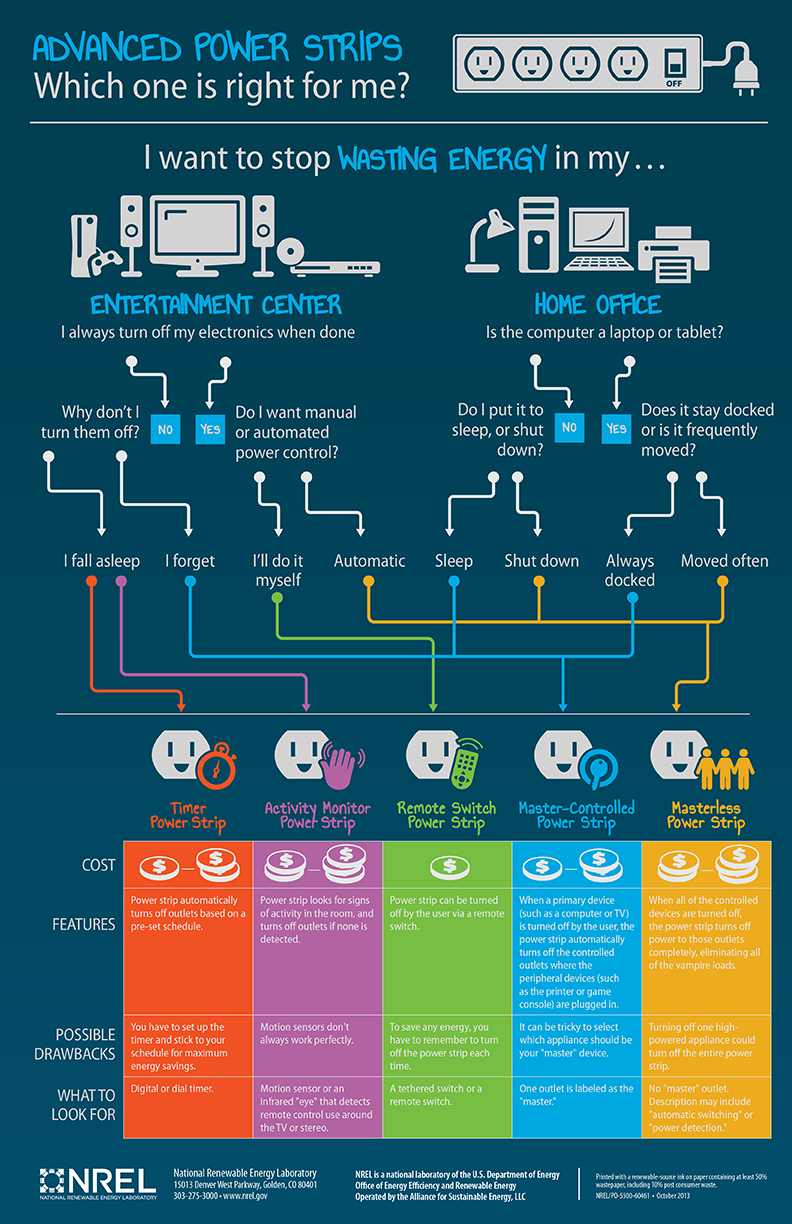
Image Source: oppdthewire.com
What is a Power Strip?
At its heart, a power strip is a simple device designed to expand the reach and utility of a standard electrical outlet. Imagine a single wall socket; it typically offers only one or two places to plug in. A power strip takes that single source and multiplies it, usually offering four, six, or even more sockets. This is incredibly useful in homes, offices, and workshops where more devices need power than available outlets.
But a power strip is more than just a splitter. Many modern power strips incorporate crucial safety features to protect your valuable electronics from power fluctuations and surges. These advanced versions often include a surge protector and a circuit breaker, making them essential for safeguarding your devices.
The Core Function: Power Distribution
The primary role of any power strip is power distribution. It takes the electricity coming from your wall socket and channels it to all the connected devices. Think of it like a branching pipe system. The main pipe is the cord connecting to the wall, and the power strip itself is where that pipe splits into smaller pipes, each leading to a different outlet on the strip.
Inside the Power Strip: Wiring and Conductors
The magic happens within the power strip’s casing. It contains a series of wiring and metal conductors, typically copper, arranged to create multiple connection points. When the power strip is plugged into the wall, electricity flows into these conductors. Each socket on the power strip is wired in parallel to these conductors. This parallel connection ensures that each device receives the same voltage from the power source.
Key Components and Their Roles:
- Power Cord: This is the cable that connects the power strip to the wall outlet. It contains wires that carry electricity safely.
- Internal Wiring: Inside the power strip, a network of wires connects the power cord to each of the individual sockets.
- Conductors: These are the metal parts within the sockets and the internal wiring that actually carry the electrical current. Copper is commonly used for its excellent conductivity.
- Sockets/Outlets: These are the familiar slots where you plug in your devices.
Power Strip vs. Surge Protector: What’s the Difference?
While many people use the terms interchangeably, there’s a crucial distinction between a basic power strip and a surge protector (which is often a type of advanced power strip).
- Basic Power Strip: Its sole function is to increase the number of available outlets. It does not offer protection against voltage spikes or surges.
- Surge Protector Power Strip: This type of power strip includes additional components designed to absorb or divert excess voltage that can occur during power surges. These surges can be caused by lightning strikes, power outages, or even internal electrical issues.
How a Surge Protector Works
A surge protector uses a component called a Metal Oxide Varistor (MOV).
Metal Oxide Varistor (MOV) Function:
| Scenario | MOV Action |
|---|---|
| Normal Voltage | Acts as an insulator, no current flows through it. |
| Voltage Spike (Surge) | Becomes conductive, diverting excess voltage away from connected devices and safely to the ground. |
When a voltage spike occurs, the MOV’s resistance drops dramatically. This allows the excess electricity to flow through the MOV and into the grounding wire, bypassing and protecting your connected electronics.
The Role of the Circuit Breaker
Many surge protector power strips also include a built-in circuit breaker. This is a vital safety feature.
Circuit Breaker Function:
- Overload Protection: If too many devices are plugged into the power strip, or if a device draws too much current, the circuit breaker will “trip.”
- Tripping: This means the circuit breaker interrupts the flow of electricity, preventing the power strip from overheating or causing a fire.
- Resetting: Once the overload is removed, the circuit breaker can usually be reset to restore power.
This feature prevents the power strip itself from becoming a hazard due to excessive electrical load.
Beyond the Basics: Advanced Power Strip Features
While basic power distribution is the core function, modern power strips often come with a range of features designed for convenience and enhanced protection.
Voltage Regulation: A Step Further
Some advanced power strips incorporate a voltage regulator. While not as common as surge protection, a voltage regulator aims to provide a more stable output voltage, even if the input voltage from the wall fluctuates slightly. This can be beneficial for sensitive electronics that are susceptible to performance issues with inconsistent power.
Voltage Regulator vs. Surge Protector:
| Feature | Voltage Regulator | Surge Protector |
|---|---|---|
| Primary Function | Stabilizes output voltage | Protects against voltage spikes |
| How it Works | Adjusts voltage levels to a set point | Diverts excess voltage to ground |
| When it’s Useful | In areas with inconsistent power delivery | During power surges from external events |
USB Ports and Smart Features
Many contemporary power strips now include integrated USB ports for charging mobile devices. These often provide higher amperage than standard USB ports, allowing for faster charging.
Furthermore, “smart” power strips are emerging. These can be controlled remotely via Wi-Fi or Bluetooth, allowing users to turn individual outlets on or off from their smartphones. They can also monitor energy usage and schedule power delivery.
Safety Considerations and Best Practices
Using a power strip correctly is crucial for both the safety of your devices and your home.
Understanding Wattage and Amperage Limits
Every power strip has a maximum wattage and amperage rating. This is the total amount of electrical power it can safely handle. Plugging in devices that exceed these limits can cause the power strip to overheat, trip its circuit breaker, or even become a fire hazard.
Calculating Total Load:
To avoid overloading, you need to know the power consumption of each device you plug in. This is usually listed in watts (W) or amps (A) on the device’s label.
- Watts (W): Power (W) = Voltage (V) × Amperage (A)
- Amps (A): Amperage (A) = Power (W) / Voltage (V)
If you plug in a 100W lamp and a 200W computer, your total load is 300W. Ensure your power strip’s rating is significantly higher than your total expected load.
The Importance of Grounding
Proper grounding is a critical safety feature for both power strips and your electrical system. A grounding wire provides a safe path for electricity to flow to the earth in case of a fault, such as a short circuit or if a live wire touches the metal casing of an appliance.
- Three-Prong Plug: Most modern power strips and appliances have a three-prong plug. The third, round prong is the ground connection.
- Surge Protection: Grounding is essential for surge protectors to effectively divert excess voltage. Without a proper ground, a surge protector cannot do its job.
- Outlet Compatibility: Ensure you plug your power strip into a properly grounded electrical outlet. Using a three-prong plug in a two-prong outlet (with an adapter) bypasses the grounding protection and is unsafe.
Avoiding Daisy-Chaining
“Daisy-chaining” refers to plugging one power strip into another. This is generally discouraged for several reasons:
- Overload Risk: Each power strip has its own current limit. Plugging multiple devices through several linked power strips can easily exceed the capacity of the first strip or the wall outlet, leading to overheating and potential fire.
- Reduced Surge Protection: The surge protection capabilities of subsequent power strips can be diminished or rendered ineffective when they are plugged into another power strip.
- Increased Electrical Resistance: Each connection point adds a small amount of resistance, which can lead to minor voltage drops and increased heat.
If you need more outlets, it’s better to install additional wall outlets or use a power strip with a higher number of sockets that can handle the total load.
Inspecting Your Power Strip
Periodically inspect your power strip for any signs of damage:
- Frayed or Damaged Cord: If the cord is damaged, it’s a serious safety hazard and the power strip should be replaced immediately.
- Cracked Casing: Any cracks in the plastic casing can expose internal wiring and create a risk of electric shock.
- Overheating: If the power strip feels unusually hot to the touch, it may be overloaded or faulty. Unplug it immediately.
- Loose Outlets: If plugs feel loose in the sockets, the internal connections may be worn, reducing conductivity and potentially creating a fire hazard.
Power Strip vs. Multi-Outlet Adapter vs. Extension Cord
It’s useful to distinguish a power strip from other similar devices.
Multi-Outlet Adapter (Wall Tap)
A multi-outlet adapter, often called a “wall tap,” plugs directly into a wall outlet and provides multiple sockets without any additional wiring or surge protection.
| Feature | Power Strip | Multi-Outlet Adapter |
|---|---|---|
| Outlet Expansion | Yes, via a cord with multiple sockets | Yes, plugs directly into the wall |
| Surge Protection | Often included (especially in surge protector models) | Typically none |
| Circuit Breaker | Often included | Typically none |
| Power Distribution | Yes | Yes |
| Casing and Wiring | Enclosed within a strip with internal wiring | Simple housing, direct connection to outlet |
| Safety Features | Higher potential due to surge protection/breaker | Minimal, primarily relies on wall outlet |
While convenient for adding a couple of extra outlets, these adapters lack the safety features of a surge protector power strip and are not suitable for high-power devices or situations where surge protection is needed.
Extension Cord
An extension cord is simply a flexible cable with a plug on one end and a socket on the other. Its primary purpose is to extend the reach of a single appliance to a power source.
| Feature | Power Strip | Extension Cord |
|---|---|---|
| Outlet Expansion | Multiple outlets from one source | Single outlet at the end of the cord |
| Surge Protection | Often included | Typically none |
| Circuit Breaker | Often included | Typically none |
| Primary Use | Consolidating multiple devices, protection | Extending the reach of a single device |
| Power Distribution | Distributes from one input to many outputs | Carries power from one point to another |
Extension cords are not designed for plugging multiple devices into them. Doing so can lead to overloading the cord and the outlet it’s plugged into.
Frequently Asked Questions (FAQ)
Can I plug a surge protector into a power strip?
It is generally not recommended to plug a surge protector into a power strip. This is known as “daisy-chaining.” It can lead to overloading, reduced protection, and potentially create a fire hazard. It’s best to plug surge protectors directly into a wall outlet.
Do all power strips have surge protection?
No, not all power strips have surge protection. Many basic power strips only provide additional outlets for power distribution. You must specifically look for a unit labeled as a “surge protector” or “surge suppressor” to get this safety feature.
What happens if I overload a power strip?
If you overload a power strip, several things can happen. If it has a circuit breaker, it will trip, cutting off power to prevent damage. If it doesn’t have a breaker, the wiring could overheat, potentially melting the insulation and creating a fire risk. The connected devices could also be damaged.
What is the difference between Joule rating and clamping voltage on a surge protector?
- Joule Rating: This indicates how much energy a surge protector can absorb before it fails. A higher Joule rating generally means better protection and a longer lifespan.
- Clamping Voltage: This is the voltage level at which the surge protector’s MOV starts to divert excess electricity. A lower clamping voltage means the surge protector acts faster to protect your devices.
How do I know if my power strip is grounded?
A grounded power strip will have a three-prong plug. When you plug it into a wall outlet, ensure that the outlet also has a three-prong receptacle, and that the grounding pin makes a connection. You can test this with a simple outlet tester.
Can a power strip affect my internet speed?
While a basic power strip itself generally won’t affect your internet speed, some older or faulty power strips can create electrical noise that might interfere with Wi-Fi signals or wired Ethernet connections if they are poorly shielded or situated very close to networking equipment. A good quality surge protector power strip with proper insulation and shielding is less likely to cause such interference.
Is it safe to plug a refrigerator into a power strip?
It’s generally best to plug high-power appliances like refrigerators directly into a wall outlet. Refrigerators have compressors that draw a significant amount of power, especially when starting up. While some heavy-duty power strips can handle this, it’s safer to avoid the potential for overloading a standard power strip and risking tripping a circuit breaker or damaging the unit. If you must use a power strip, ensure it’s a heavy-duty model rated for the appliance’s power draw and ideally has surge protection.
What is the role of insulation in a power strip?
Insulation is crucial for safety. It’s the protective material, usually plastic or rubber, that covers the conductors (wires) inside the power strip and the power cord. Its job is to prevent accidental contact with live electrical parts, which could cause electric shock or short circuits. Good quality insulation also helps prevent the spread of heat generated by electrical flow.
Conclusion
Power strips are indispensable tools for modern living, offering convenient power distribution and, in the case of surge protector models, vital protection for our electronic devices. By understanding how their internal wiring, conductors, and safety features like surge protectors and circuit breakers work, and by adhering to best practices like avoiding daisy-chaining and respecting wattage limits, we can use them safely and effectively. Always choose quality products with appropriate grounding and insulation to ensure the longevity of your electronics and the safety of your home.