
Can you use a circular saw without getting hurt? Yes, by following essential safety rules and using the right techniques. This guide will show you how to safely operate a circular saw, protecting yourself and your workspace. What is the most important aspect of circular saw use? Prioritizing safety above all else.
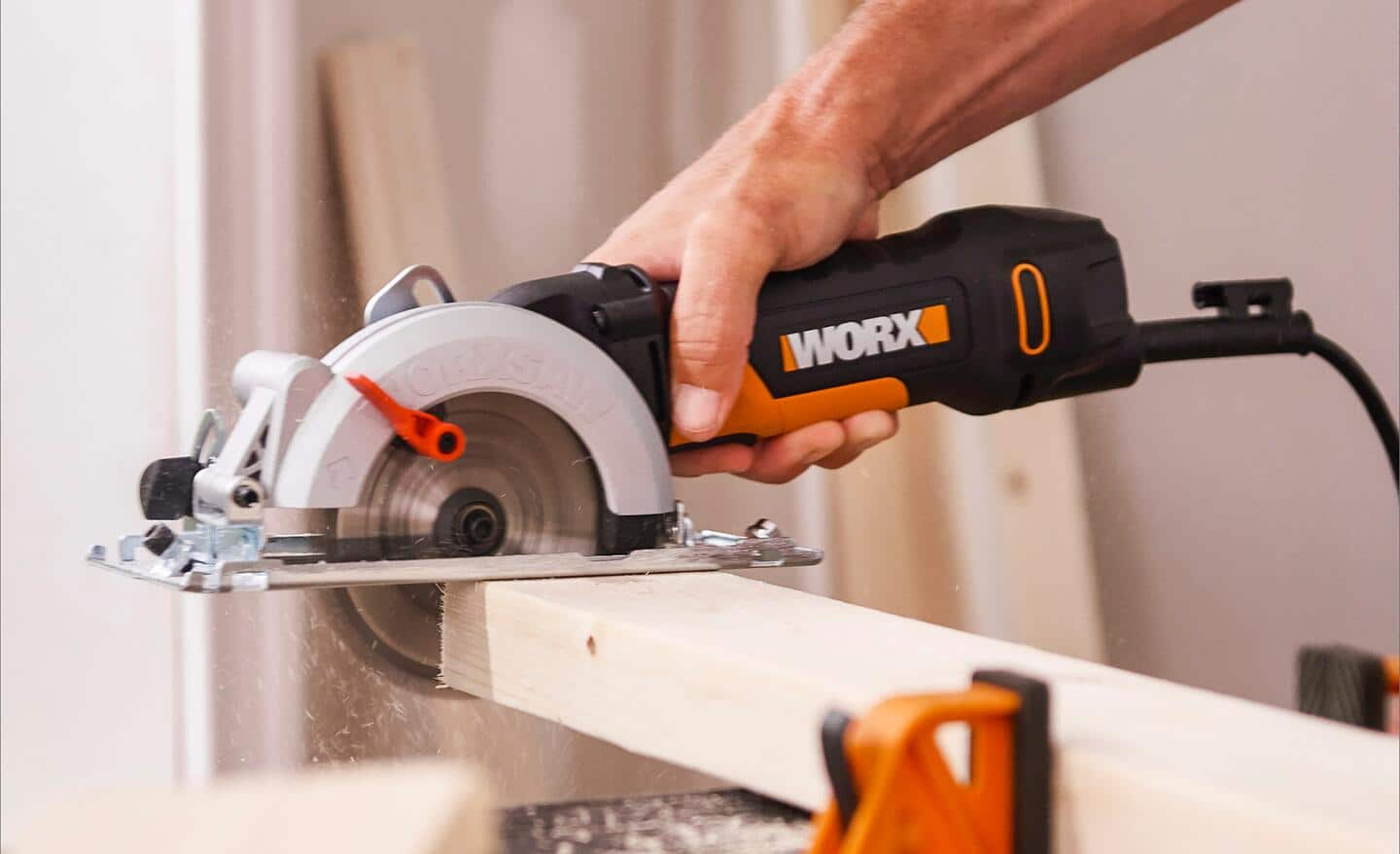
Image Source: dam.thdstatic.com
Gearing Up for Safety: Personal Protective Equipment
Before you even plug in a circular saw, you need to equip yourself properly. Wearing the right personal protective equipment (PPE) is not optional; it’s crucial for preventing injuries.
Eye Protection
- Safety Glasses/Goggles: Always wear ANSI-approved safety glasses or goggles. Sawdust, wood chips, and even small pieces of the blade can fly at high speeds. Your eyes are incredibly vulnerable. Make sure they fit snugly to prevent debris from entering.
Hearing Protection
- Earplugs/Earmuffs: Circular saws are loud. Prolonged exposure to the noise can cause permanent hearing damage. Wear earplugs or earmuffs every time you operate a saw.
Respiratory Protection
- Dust Mask/Respirator: Sawdust isn’t just messy; it’s harmful to inhale. Fine wood dust can cause respiratory problems over time. Use a well-fitting dust mask, preferably an N95 respirator, to protect your lungs.
Hand Protection
- Work Gloves: While some people prefer not to wear gloves when operating power tools for better grip, well-fitting, sturdy work gloves can protect your hands from splinters and minor abrasions. Avoid loose-fitting gloves that could get caught in the blade.
Foot Protection
- Closed-Toe Shoes: Always wear sturdy, closed-toe shoes, preferably work boots with reinforced toes. This protects your feet from dropped materials or the saw itself.
Clothing
- Avoid Loose Clothing: Loose sleeves, baggy pants, or dangling jewelry can easily get caught in the spinning blade. Wear snug-fitting clothing.
- No Gloves if they Interfere: If you feel gloves hinder your grip or control, ensure your hands are clean and free of grease or oil.
Mastering the Tool: Proper Saw Technique
Using a circular saw correctly is key to both effective cutting and safety. This involves how you hold the saw, how you guide it, and how you manage the material.
Holding the Saw
- Two-Handed Grip: Always use both hands to hold the saw. Most circular saws have a primary handle with the trigger and a secondary knob or handle at the front. Maintain a firm grip on both at all times. This provides stability and control, especially when starting a cut or if the saw binds.
Guiding the Saw
- Firm and Steady Pressure: Apply firm, steady pressure to guide the saw through the material. Don’t force it. Let the blade do the work. Forcing the saw can lead to binding, which increases the risk of kickback.
- Keep the Baseplate Flat: Ensure the saw’s baseplate (the flat metal shoe at the bottom) stays flat against the material you are cutting. This maintains a consistent cutting depth and prevents the blade from tilting or digging in unexpectedly.
- Start Cuts Safely: Position the saw on the material before starting the motor. Bring the blade to speed before it contacts the wood. For plunge cuts (cutting into the middle of a board, not just the edge), use the saw’s depth adjustment to set the blade just above the material, then carefully plunge it down.
Managing the Material
- Material Support: This is a critical aspect of safe cutting. The workpiece must be securely supported. If one end of the material hangs off the workbench, it can shift during the cut, putting strain on the blade and increasing the risk of kickback. Use sawhorses, clamps, or a workbench to ensure the material is stable and well-supported throughout the entire cut.
- Cutting Through: Allow the blade to cut completely through the material without twisting or forcing. Once the cut is finished, keep the blade engaged and in the kerf (the cut line) until it has stopped spinning before lifting the saw.
Defeating Kickback: A Crucial Safety Measure
What is kickback? Kickback is a sudden, violent, and unpredictable upward or backward thrust of the saw. It happens when the blade binds in the material, causing the saw to jump out of the cut. This is one of the most dangerous aspects of using a circular saw.
Causes of Kickback
- Blade Binding:
- Twisting the blade: This can happen if the user twists the saw while cutting.
- Blade pinching: The kerf (the cut) closes behind the blade as the material sags or shifts.
- Hitting a knot or nail: These can cause the blade to bind.
- Cutting warped or twisted lumber: These materials are more prone to pinching the blade.
- Using a dull blade: A dull blade requires more force, increasing the chance of binding.
- The blade guard malfunctioning or being disabled: The blade guard is designed to cover the blade when not in use and retract during a cut. If it’s stuck or removed, you lose a critical safety feature.
Preventing Kickback
- Maintain Proper Blade Guard Function: Never disable or tie back the blade guard. It should retract smoothly as you cut and spring back to cover the blade afterward.
- Use Sharp Blades: Regularly check and replace your saw blades. A sharp blade cuts cleanly and requires less force.
- Ensure Adequate Material Support: As mentioned, properly support your workpiece. Don’t let it sag and pinch the blade. Use clamps or wedges to keep the kerf open behind the blade if necessary.
- Don’t Twist the Saw: Always guide the saw in a straight line and avoid twisting the body of the saw.
- Be Aware of Wood Grain and Knots: Anticipate potential binding points and adjust your cutting pressure or technique accordingly.
- Avoid Cutting into Nails or Foreign Objects: Remove nails or other metal objects from the material before cutting.
- Don’t Force the Saw: Let the blade cut at its own pace. Forcing it can lead to overheating, binding, and kickback.
- Position Yourself Safely: Stand to the side of the cutting line, not directly behind the saw. This way, if kickback occurs, the saw is less likely to hit you.
The Role of the Blade Guard and Depth Adjustment
The blade guard and the depth adjustment are two fundamental safety features of a circular saw that must be used correctly.
Blade Guard Essentials
- Functionality: The lower blade guard should pivot freely. As you push the saw forward into the material, the guard should retract. Once you finish the cut and lift the saw, it should automatically spring back to cover the blade.
- Maintenance: Regularly check that the guard is not sticking or bent. If it is, do not use the saw until it’s repaired.
- Never Disable: As reiterated, never tie back, wedge, or otherwise disable the blade guard. It is a critical safety component.
Depth Adjustment
- Setting the Correct Depth: The depth of cut should be set so that the blade teeth extend just slightly below the material being cut (about one tooth’s depth). This maximizes the exposure of the teeth for a clean cut while minimizing the amount of exposed blade below the workpiece, reducing the risk of accidental contact and kickback.
- How to Adjust: Most circular saws have a lever or knob for adjusting the cutting depth. Release the lever, set the desired depth, and then re-secure the lever. Always ensure the saw is unplugged when making this adjustment.
Material Support and Workspace Safety
A safe cutting environment involves more than just the saw itself; it requires proper setup of your materials and your workspace.
Workbench Safety and Material Support
- Secure Clamping: Use clamps to firmly secure your workpiece to a workbench or sawhorses. This prevents the material from shifting or moving during the cut.
- Edge Support: When cutting near the edge of a board, ensure the edge being cut is supported. If a piece is cut off and allowed to fall, it can bind the blade as it detaches.
- Cutting Large Sheets: For large sheet materials like plywood or MDF, use sawhorses or a dedicated cutting table. Support the entire sheet to prevent it from bending or breaking during the cut.
- Avoid Cutting Directly on the Floor: Cutting on the floor makes proper material support difficult and can damage your floor.
Workspace Considerations
- Clearance: Ensure you have ample space around you to move freely. Don’t work in a cramped area.
- Lighting: Good lighting is essential for seeing your cut line clearly and for general safety.
- Stability: Make sure your workbench or sawhorses are stable and won’t wobble or tip over.
- No Distractions: Minimize distractions in your workspace. Focus on the task at hand.
Power Tool Maintenance for Safety
Regular power tool maintenance is crucial for ensuring your circular saw operates safely and effectively.
Blade Care
- Sharpness: As mentioned, sharp blades are safer and cut better. Dull blades require more force, leading to increased risk of binding and kickback. Inspect blades for nicks, cracks, or excessive wear.
- Cleanliness: Keep blades clean. Sawdust and resin buildup can affect performance and increase friction.
- Correct Blade Type: Use the correct type of blade for the material you are cutting (e.g., wood, metal, masonry). Using the wrong blade can be dangerous and damage the tool.
Saw Inspection
- Cord and Plug: Regularly inspect the power cord for any fraying, cuts, or damage. Ensure the plug is intact. If damaged, do not use the saw until the cord is replaced by a qualified technician.
- Housing: Check the saw’s housing for cracks or damage.
- Blade Guard: Verify the blade guard operates smoothly and covers the blade properly.
- Baseplate: Ensure the baseplate is clean and free of debris.
Lubrication and Cleaning
- Follow Manufacturer’s Instructions: Refer to your circular saw’s owner’s manual for specific maintenance and lubrication requirements.
- Keep it Clean: After each use, brush or blow away sawdust and debris from the saw, especially around the motor housing and blade guard.
Dust Collection System: Enhancing Health and Visibility
While not always standard on smaller saws, a dust collection system significantly improves the safety and efficiency of using a circular saw.
Why a Dust Collection System?
- Health: Reduces the amount of airborne sawdust you inhale, protecting your respiratory health.
- Visibility: Keeps the cut line clear of dust and debris, allowing you to see exactly where you are cutting. This leads to more accurate cuts and reduces the risk of stray cuts or kickback.
- Cleanliness: Keeps your workspace much cleaner.
Types of Dust Collection
- Built-in Ports: Many newer circular saws have a port for attaching a shop vacuum hose.
- Shop Vacuums: Connect a shop vacuum directly to the saw’s dust port. Some vacuums have specific settings or filters for wood dust.
- Dust Bags: Some saws come with or can be fitted with a dust bag that collects sawdust.
Proper Use
- Ensure a Good Seal: Make sure the vacuum hose or dust bag fits snugly to the saw’s dust port.
- Empty Regularly: If using a vacuum, empty it as needed. If using a bag, empty it before it becomes too full, as this can impede airflow.
Cutting Safety Guidelines: A Comprehensive Checklist
Here’s a distilled list of cutting safety guidelines to follow every time you use your circular saw.
Pre-Cut Checks
- Read the Manual: Always familiarize yourself with your specific saw’s operation and safety features.
- Select the Right Blade: Use the correct blade for the material and type of cut.
- Check the Blade: Ensure the blade is sharp, clean, and securely attached.
- Inspect the Saw: Check the cord, plug, and blade guard.
- Wear PPE: Goggles, hearing protection, dust mask, appropriate clothing, and shoes.
- Set Depth Correctly: Adjust the blade depth to about one tooth below the material.
- Plan Your Cut: Mark your cut line clearly and ensure it’s visible.
- Secure the Workpiece: Clamp the material firmly to a stable surface.
- Clear the Workspace: Remove any obstructions or distractions.
During the Cut
- Two-Handed Grip: Always hold the saw firmly with both hands.
- Maintain Baseplate Contact: Keep the baseplate flat on the material.
- Let the Saw Work: Don’t force the cut. Apply steady pressure.
- Avoid Kickback: Be mindful of potential binding points.
- Stay to the Side: Position yourself off the direct line of the blade.
- Complete the Cut: Allow the blade to cut through the material completely.
- Blade Slowdown: Wait for the blade to stop spinning before lifting the saw.
Post-Cut Procedures
- Lower the Guard: Ensure the blade guard returns to its position.
- Unplug the Saw: Always unplug the saw when finished or when changing blades.
- Clean Up: Brush away sawdust and debris from the saw and workspace.
Frequently Asked Questions (FAQ)
Q1: Can I use a circular saw to cut metal?
A1: Generally, no, unless you have a circular saw specifically designed for cutting metal and you are using a blade designed for metal. Standard wood-cutting blades will not work and can be extremely dangerous if used on metal. Always check your saw’s specifications and use appropriate blades.
Q2: What is the most common cause of circular saw accidents?
A2: Kickback is one of the most dangerous and common causes of serious injury. Other common causes include accidental contact with the spinning blade due to improper handling or disabled blade guards, and flying debris.
Q3: How often should I change my circular saw blade?
A3: The frequency depends on how much you use the saw and the materials you cut. A good rule of thumb is to change the blade when you notice it struggling to cut cleanly, requires more force, or starts to burn the wood excessively. Inspect it for damage regularly.
Q4: Is it safe to cut pressure-treated lumber with a circular saw?
A4: Yes, but with extra precautions. Pressure-treated lumber contains chemicals. Always wear a good quality dust mask or respirator, eye protection, and consider wearing gloves. Ensure good ventilation and clean up thoroughly afterward.
Q5: What if the saw blade gets stuck in the material?
A5: Immediately turn off the saw by releasing the trigger. Do not try to pull the saw out while the blade is still spinning or jammed. Wait for the blade to stop completely. Then, carefully unplug the saw. Assess the situation to see if the material has shifted and is pinching the blade. You may need to use a wedge to open the kerf or reposition the material before attempting to remove the saw.
By adhering to these detailed safety practices, you can confidently and effectively use your circular saw, minimizing risks and ensuring quality results for your projects. Remember, safety is not just a procedure; it’s a habit.