
So, you’re looking to dive into the grim darkness of the far future? Great choice! Getting started in Warhammer 40,000 can seem a little daunting at first, but this guide will break down the process into manageable steps. What is Warhammer 40,000? It’s a tabletop wargame where you collect, build, and paint miniature armies and battle them on a tabletop battlefield. Can I get into it without spending a fortune? Yes, you absolutely can! While it’s a hobby that can grow, there are very accessible entry points. Who is it for? Anyone who enjoys strategy, building and painting miniatures, and immersing themselves in a rich, dark science-fiction universe.
This Warhammer 40,000 beginner’s guide is designed to help you navigate your Warhammer 40k first steps. We’ll cover everything from choosing your army to the basics of the game and the joy of the Warhammer 40k hobby.
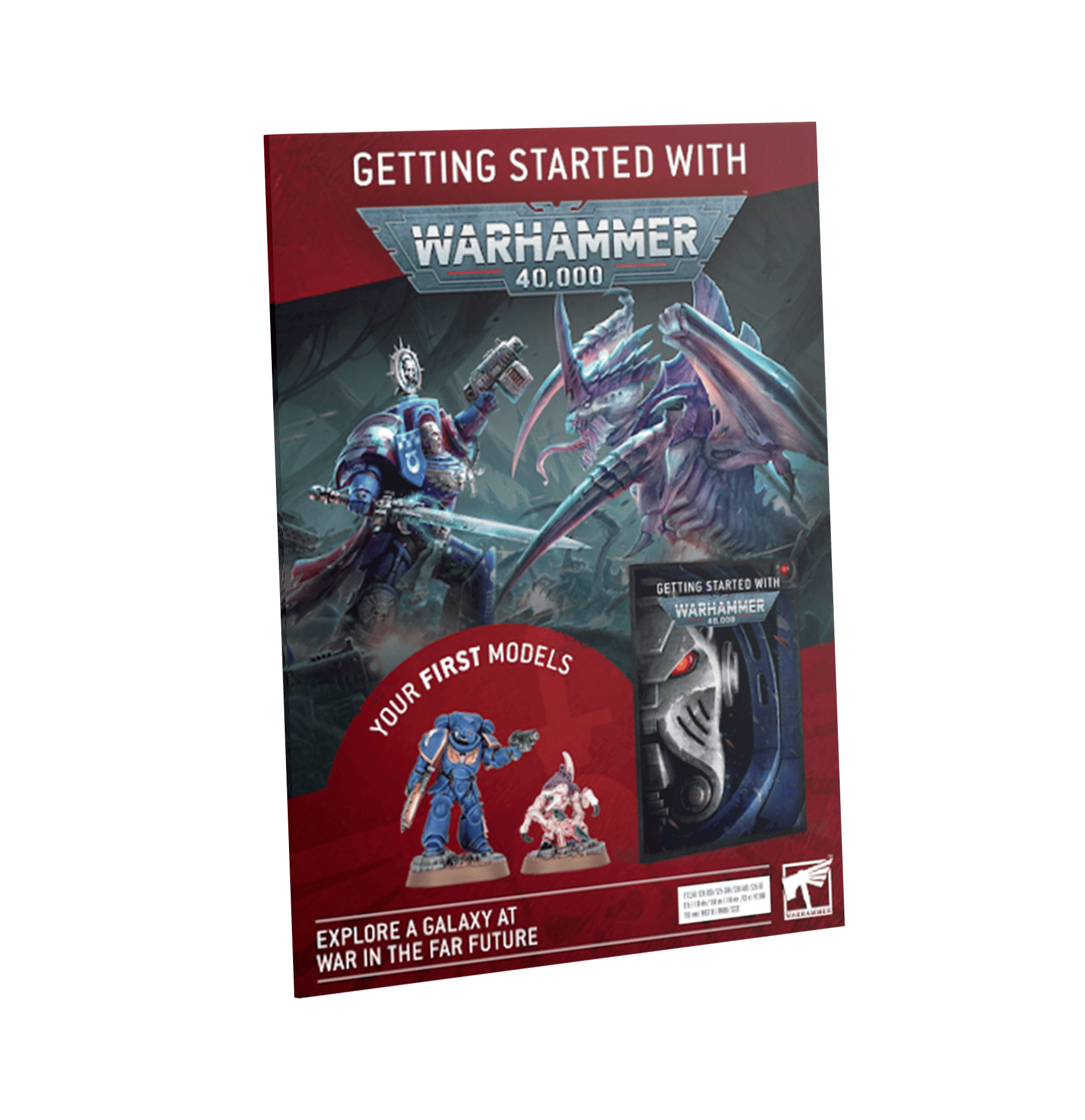
Image Source: warhammer40000.com
Choosing Your First Warhammer 40,000 Army
One of the most exciting parts of getting into Warhammer 40k is picking the army that speaks to you. This is a big decision because your army is your identity on the tabletop. When choosing a Warhammer 40k faction, think about what visually appeals to you, what kind of lore or background story you find interesting, and what playstyle you might enjoy.
Here are some of the most popular and often beginner friendly Warhammer 40k armies:
- Space Marines: The poster boys of Warhammer 40,000. They are genetically engineered super-soldiers, clad in power armour. They are versatile, resilient, and have a wide variety of sub-factions, each with unique strengths and flavour. Their rules are generally straightforward, making them an excellent starting point.
- Necrons: An ancient race of robotic skeletons. They are tough, have a unique “Reanimation Protocols” ability that lets them get back up after being destroyed, and their lore is fascinating – a fallen empire seeking to reclaim its lost glory. They are also quite forgiving to play.
- Tyranids: A swarm of alien monsters driven by a single, insatiable hunger. They are focused on overwhelming the enemy with sheer numbers and close-combat prowess. Their models are often organic and varied, offering a lot of creative painting opportunities.
- Astra Militarum (Imperial Guard): The vast human armies of the Imperium. They rely on massive numbers of regular soldiers, powerful tanks, and artillery. If you like the idea of a gritty, underdog force fighting against overwhelming odds with sheer determination and firepower, this is for you. They can be a bit more complex to play due to their unit variety.
- Orks: A warlike alien race that lives for battle. They are known for their ramshackle technology, aggressive playstyle, and a wonderfully chaotic and humorous lore. Orks are generally quite forgiving in terms of painting and can be very fun to play.
How to Decide?
- Visual Appeal: Look at pictures and videos of the different armies. Which ones do you think look coolest?
- Lore and Story: Read about the background of each faction. Which narrative resonates with you the most?
- Playstyle: Do you prefer shooting, close combat, psychic powers, or overwhelming numbers? While you can mix and match tactics, most armies have a core playstyle.
- Starter Sets: Sometimes, the best way to try an army is to see what comes in the Warhammer 40k starter sets. Many of these sets feature two distinct armies, allowing you to try out two factions immediately.
Table: Popular Beginner Factions and Their Key Traits
| Faction | Key Traits | Playstyle | Visual Appeal |
|---|---|---|---|
| Space Marines | Resilient, versatile, strong shooting & melee | Balanced, adaptable, good all-rounders | Iconic power armour, diverse legions |
| Necrons | Tough, reanimating, resilient, good shooting | Durable, strategic, often shooty | Ancient robotic skeletons, glowing eyes |
| Tyranids | Swarming, close combat, fast, overwhelming | Aggressive, swarm tactics, melee focused | Alien monsters, bio-forms |
| Astra Militarum | Large numbers, tanks, artillery, ranged firepower | Gritty, overwhelming firepower, attrition | Realistic military vehicles, infantry |
| Orks | Aggressive, melee, chaotic, fun lore | Charge-focused, unpredictable, high risk/reward | Ramshackle tech, green skin, war-mongers |
Your First Purchase: Warhammer 40k Starter Sets
Games Workshop, the creators of Warhammer 40,000, offer several excellent Warhammer 40k starter sets designed specifically for new players. These boxes are fantastic value and provide almost everything you need to get playing.
What’s Typically in a Starter Set?
- Miniatures: A selection of plastic miniatures for two different armies. These are often designed to be easy to assemble and paint.
- Rulebook: A condensed version of the core rules, or sometimes the full rulebook.
- Dice and Measuring Tools: Essential for playing the game.
- Datasheets: Cards or booklets that tell you the stats and abilities of the miniatures in the set.
- Transfer Sheets: For adding decals and insignia to your models.
- Battle Mat/Transfer Sheet: Sometimes a foldable mat or terrain pieces are included.
Why Choose a Starter Set?
- Cost-Effective: You get two armies and all the basic gear at a much lower price than buying separately.
- Introduces Two Factions: You can try out two distinct playstyles and aesthetics.
- Structured Learning: They are designed to introduce the game gradually.
Popular Starter Set Options (Always check the latest offerings from Games Workshop as these change)
- Recruit Edition: The most basic entry point. Usually features a small number of models for two factions and the core rules.
- Command Edition: A step up, offering more models, a more comprehensive rulebook, and often a playmat.
- Know No Fear / Dark Imperium (Older but still relevant concepts): These were larger boxes offering substantial starting armies for key factions like Space Marines and Death Guard.
When you’re just starting, picking up a starter set is often the most direct and affordable way to jump in.
Assembling Your Miniatures
Once you have your models, the next step is assembly. Most modern Warhammer 40,000 kits are “push-fit” or require minimal glue.
Essential Tools for Assembly:
- Hobby Knife/Sprue Cutters: To carefully remove parts from the plastic frames (sprues).
- Plastic Glue: If the kit isn’t push-fit, you’ll need specialized plastic cement. A small brush applicator is helpful.
- Hobby File/Sandpaper: To smooth down any rough edges (called mould lines) after cutting.
- Tweezers: Useful for placing small details.
Assembly Tips for Beginners:
- Read the Instructions: Always a good idea! They are usually very clear.
- Work in a Well-Lit Area: You don’t want to lose tiny parts.
- Clean Up Mould Lines: Gently scrape away the faint lines left by the moulding process. This makes painting much easier and your models look much cleaner.
- Dry Fit First: Before applying glue, try fitting the pieces together to ensure they align correctly.
Painting Your Army: The Warhammer 40k Painting Guide
Painting your miniatures is a huge part of the Warhammer 40k hobby. It’s where you bring your chosen faction to life. Don’t worry about being a master painter from day one. The goal is to have fun and get your army ready for the tabletop.
Essential Painting Supplies:
- Hobby Knife/Sprue Cutters: (Already mentioned for assembly)
- Plastic Glue: (Already mentioned for assembly)
- Hobby File/Sandpaper: (Already mentioned for assembly)
- Primer: A spray can of primer (black, white, or grey) is crucial. It gives the paint something to stick to.
- Paint Brushes: A few different sizes are good – a small detail brush, a medium brush, and maybe a larger one for base coating. Synthetic brushes are a good starting point.
- Paints: Acrylic paints are the standard. You’ll need a few core colours for your army. Citadel paints are widely available, but many other brands are excellent.
- Water Pot: For rinsing your brushes.
- Palette: A wet palette is highly recommended for keeping your paints moist and easy to use. You can buy one or make your own.
- Battle Mat/Newspaper: To protect your work surface.
- Toothpicks/Cotton Swabs: For cleaning up mistakes.
Basic Painting Steps:
- Assembly & Preparation: Assemble your miniatures and clean off any mould lines.
- Priming: Spray your models with primer. White primer makes colours brighter, black primer makes colours darker and deeper, and grey is a good middle ground.
- Base Coats: Apply the main colours to different areas of the model. Apply thin coats – two thin coats are better than one thick one that obscures detail.
- Shading (Washes): Apply a “wash” – a very thin, dark paint that flows into the recesses of the model, creating shadows and depth.
- Highlighting: Apply a lighter shade of your base colour to raised areas to make them stand out.
- Detailing: Paint smaller details like eyes, buttons, or insignia.
- Basing: Paint the base of your model to represent the ground it’s standing on. This really ties the army together.
Warhammer 40k Painting Guide – Quick Tips:
- Start Simple: Don’t try to do ultra-complex techniques on your first models. Focus on getting a clean base coat, wash, and maybe a simple highlight.
- Thin Your Paints: This is the most important tip!
- Patience: Painting takes time. Don’t rush it.
- Watch Tutorials: YouTube is an amazing resource for Warhammer 40k painting guide tutorials for specific armies and techniques.
Deciphering the Warhammer 40k Rules Explained
The Warhammer 40k rules explained can seem extensive, but the core mechanics are quite straightforward. The game is played in turns, with each player having a turn to move their models, shoot, and fight in close combat.
Core Concepts:
- Units: Your army is made up of units. Each unit has a datasheet with its statistics.
- Stats:
- Movement (M): How far the unit can move.
- Weapon Skill (WS): How likely they are to hit in close combat.
- Ballistic Skill (BS): How likely they are to hit with shooting attacks.
- Strength (S): How much damage their attacks cause.
- Toughness (T): How resistant they are to damage.
- Wounds (W): How much damage a model can take before being removed.
- Attacks (A): The number of attacks a model makes in close combat.
- Leadership (Ld): How likely a unit is to flee when it takes casualties.
- Save (Sv): The armour save a model gets against incoming attacks.
- Dice: The game relies heavily on rolling dice, usually six-sided dice (d6).
- Hit Rolls: When attacking, you roll a die and compare it to your Ballistic Skill (shooting) or Weapon Skill (melee).
- To Wound Rolls: If you hit, you then roll a die to see if your Strength can overcome the opponent’s Toughness.
- Saving Throws: If you wound the enemy, they roll a die to see if their armour saves them.
- Damage: If the save fails, the model takes damage.
- Morale Phase: After combat, units might have to take a morale test if they lost models.
Phases of a Turn:
- Command Phase: Start of your turn. Certain abilities and stratagems are activated here.
- Movement Phase: Move your units across the battlefield.
- Shooting Phase: Select units that are eligible to shoot and make attacks.
- Charge Phase: Declare charges with units in close combat range of the enemy.
- Fight Phase: Resolve close combat engagements.
- Psychic Phase: (For armies with psykers) Psychic powers are cast.
- Battle Round: Both players complete their turns.
Warhammer 40k Rules Explained – Simplification:
The core gameplay loop is: Move -> Shoot/Charge -> Fight. Most actions involve rolling dice and comparing them to your unit’s stats. Don’t get overwhelmed by all the special rules initially. Focus on learning the basic attack and movement sequences.
The core rulebook can be downloaded for free from the Games Workshop website, which is a great way to start reading the Warhammer 40k rules explained.
Expanding Your Starting Warhammer 40,000 Army
Once you’ve played a few games and have a better feel for the game and your chosen faction, you’ll likely want to expand your collection. This is where the true depth of the Warhammer 40k hobby opens up.
How to Grow Your Army:
- Combat Patrol Boxes: These are designed as a single, self-contained force for each faction, offering a good foundation for a beginner’s army or a way to add a substantial chunk to an existing one. They are often a great value.
- Codexes: Each faction has a Codex book. This contains the lore, special rules, and datasheets for all the units within that faction. It’s essential for playing the army effectively and knowing what units are available.
- Individual Units: You can buy specific kits for characters, tanks, infantry squads, and more.
- Battleforce Boxes: Released annually around the holiday season, these are usually larger and more cost-effective than Combat Patrols, offering a good mix of units.
When starting Warhammer 40,000 army growth, consider:
- Synergy: Which units work well together?
- Roles: Do you need more fast attackers, durable infantry, long-range firepower, or a powerful character?
- Points Limit: Games are usually played at a specific points value. Codexes and the core rules will explain how points are calculated.
Immersing Yourself in the Warhammer 40k Universe
Warhammer 40,000 is more than just a game; it’s a universe. There’s a vast amount of lore, fiction, and community to explore.
Ways to Engage with the Lore:
- Read the Lore: Your army’s Codex is a great starting point. There are also numerous novels, short stories, and online resources dedicated to the rich background of Warhammer 40,000.
- Watch Lore Videos: Many YouTube channels specialize in explaining the complex lore of the 40k universe.
- Play Other Games: Games Workshop also produces video games set in the 40k universe that can be a fun introduction to the factions and themes.
Community and Events:
- Local Game Stores (LGS): Most cities have a local game store that sells Warhammer products and often hosts game nights or painting sessions. This is a fantastic place to meet other players and learn.
- Online Forums and Social Media: Join communities online to share your work, ask questions, and find people to play with.
- Tournaments and Events: Once you feel comfortable, you can participate in local or larger gaming events.
Frequently Asked Questions (FAQ)
Q1: Do I need to know the lore to play?
A1: No, you don’t. While the lore is deep and rich, you can jump straight into playing without extensive knowledge. The game itself is the primary focus for many.
Q2: Is Warhammer 40k expensive to get into?
A2: It can be, but it doesn’t have to be. Starter sets and Combat Patrols are designed to be more affordable entry points. You can also buy used armies or start with a smaller, focused force.
Q3: How long does it take to play a game of Warhammer 40k?
A3: A typical game can last anywhere from 1 to 3 hours, depending on the size of the armies and the complexity of the scenarios.
Q4: Can I play with just a few models?
A4: Yes! Many starter sets and Combat Patrols provide enough models for games played at lower point values, which are perfect for beginners.
Q5: What’s the best way to learn the rules?
A5: Start with the basic rules found in starter sets or the free core rules download from Games Workshop. Play a few small games, and don’t be afraid to ask your opponent for clarification.
Q6: Do I have to paint my models?
A6: You don’t have to, but it’s a significant part of the hobby and greatly enhances the visual appeal of the game. Many players find painting very therapeutic and rewarding.
Q7: Are there other ways to play Warhammer 40k besides tabletop?
A7: While the tabletop wargame is the core, there are many video games, board games, and even role-playing games set in the Warhammer 40,000 universe.
Getting started in Warhammer 40k is a journey, and this guide has hopefully provided a clear path for your Warhammer 40k first steps. Embrace the hobby, enjoy the process of building and painting your army, and most importantly, have fun battling it out on the tabletop! Welcome to the grim darkness of the far future!