
Can you reset a circuit breaker with a test button? Yes, you can reset a circuit breaker with a test button, and it’s a straightforward process. This guide will walk you through how to do it safely and effectively as part of your residential electrical maintenance.
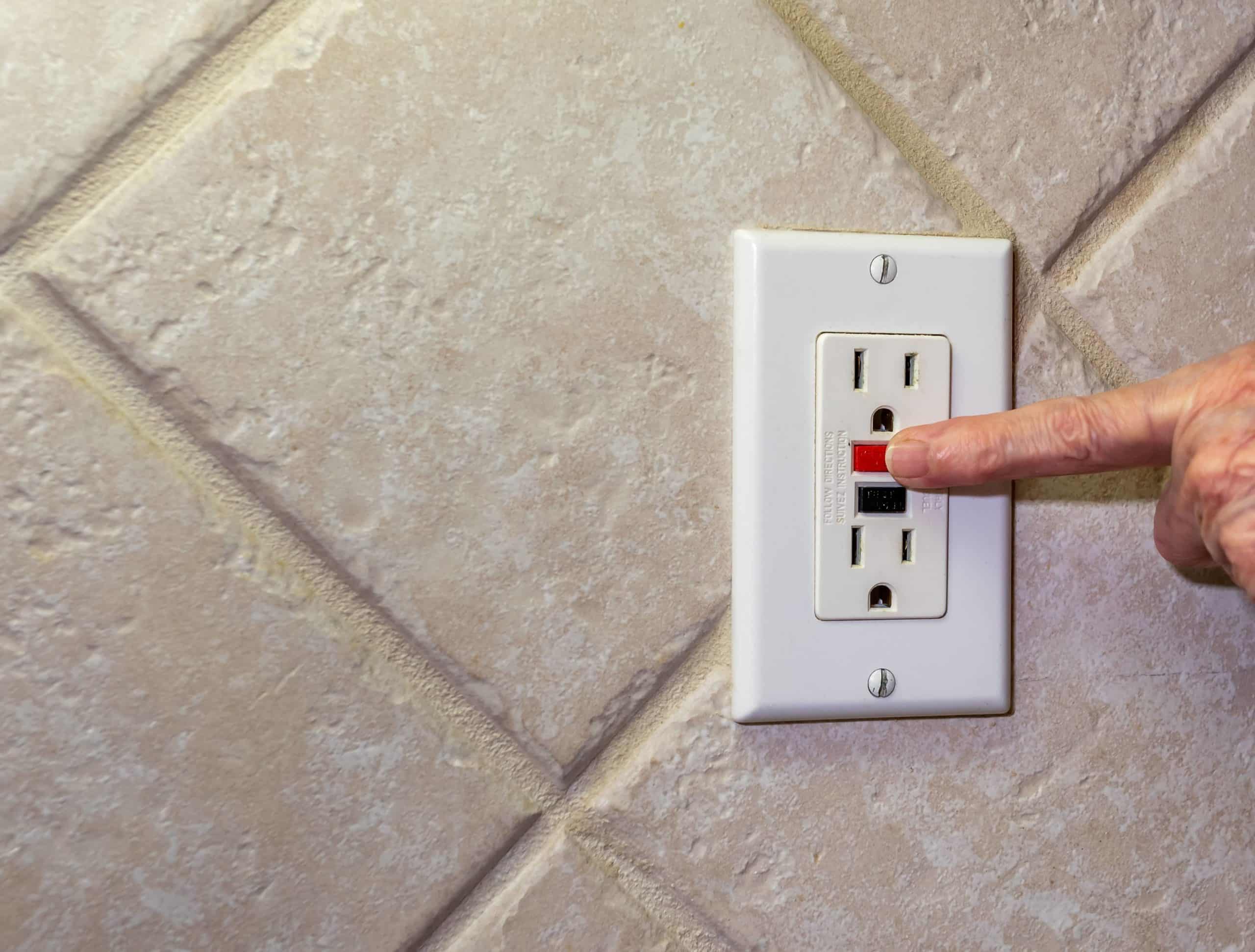
Image Source: atkinsoninspection.com
Why Do Breakers Trip?
Circuit breakers are essential safety devices in your home’s electrical system. They protect your wiring and appliances from damage caused by electrical overloads or short circuits.
- Overload: This happens when too many appliances are plugged into a single circuit, drawing more power than the circuit can safely handle. Think of trying to run a microwave, toaster, and coffee maker all at once on the same circuit.
- Short Circuit: This is a more serious issue where electricity takes an unintended path, often due to damaged wiring or faulty appliances. This can create sparks and heat, posing a fire risk.
When a breaker trips, it’s a sign that something is wrong and needs attention. Restoring power to a circuit is usually simple, but it’s important to address the underlying cause.
Identifying a Tripped Breaker
Knowing how to identify a tripped breaker is the first step. In your electrical panel, each breaker has a switch that can be in one of three positions:
- ON: The switch is pushed fully to one side (usually the “on” side, often marked with an “I”). The circuit is active.
- OFF: The switch is pushed fully to the other side (usually the “off” side, often marked with an “O”). The circuit is de-energized.
- TRIPPED (Middle Position): This is the most important position to recognize. The switch will be somewhere between the ON and OFF positions, often partially sticking out or slightly towards the OFF side. If you’re unsure, gently push the switch towards the OFF position first. If it clicks and then moves further to OFF, it was tripped.
Common Signs of a Tripped Breaker
- Loss of Power: An appliance, light, or outlet stops working. If multiple things in one area lose power, it’s likely a tripped breaker.
- Flickering Lights: While sometimes caused by other issues, flickering can indicate a breaker that’s about to trip or is intermittently tripping.
- Buzzing or Humming from the Panel: This is a warning sign of potential problems within the panel or a breaker itself.
What is a Breaker with a Test Button?
Many modern circuit breakers, especially Ground Fault Circuit Interrupters (GFCIs) and Arc Fault Circuit Interrupters (AFCIs), feature a prominent “Test” button. These breakers serve a dual purpose: standard circuit protection and enhanced safety.
- Test Button: This button allows you to manually test the breaker’s internal safety mechanisms. It simulates a fault condition, causing the breaker to trip. This is a vital part of electrical safety tips.
- Reset Button: Usually, the same “Test” button also serves as the reset button. After testing or after a trip, you push this button to restore power to the circuit.
Types of Breakers with Test Buttons
- GFCI Breakers: These are designed to protect against ground faults. A ground fault occurs when electricity flows along an unintended path, such as through a person, to the ground. GFCI breakers are commonly found in areas where water is present, like bathrooms, kitchens, garages, and outdoors. The GFCI reset procedure is crucial for maintaining safety in these areas.
- AFCI Breakers: These protect against arc faults, which are dangerous sparks that can ignite fires. They are often required in living areas like bedrooms and living rooms.
How to Reset a Circuit Breaker with a Test Button: Step-by-Step
Resetting a breaker with a test button is generally the same process as resetting a standard breaker, with the added step of using the test button for periodic checks.
Step 1: Locate Your Electrical Panel
Your electrical panel, often called a breaker box or fuse box (though most modern homes have breakers), is typically located in a basement, garage, utility room, or hallway closet. It’s a metal cabinet with a door that opens to reveal all your home’s circuit breakers.
Step 2: Identify the Tripped Breaker
Open the electrical panel door. Look for a breaker switch that is in the middle position (between ON and OFF). If you’re not sure which one it is, you can either systematically move each breaker that isn’t fully in the ON position to the OFF position and then back to ON, or you can have someone turn off the main breaker while you check each individual breaker.
Important: Some breakers have a small indicator light that turns red or amber when tripped.
Step 3: Resetting the Breaker
For a breaker with a test button, the process is as follows:
- Push the switch firmly to the OFF position. Even if it looks like it’s already off, push it all the way to the OFF side. You might feel a slight click.
- Push the switch firmly back to the ON position. This will restore power to that circuit.
If the breaker stays ON, you have successfully restored power to the circuit. If it trips again immediately, or shortly after, there’s an underlying problem that needs to be addressed.
Performing a Test on Your Breaker
Regularly testing your GFCI and AFCI breakers is a crucial part of electrical safety tips. The “Test” button is designed for this.
How to Test a GFCI or AFCI Breaker
- Ensure the breaker is in the ON position.
- Press the “Test” button. You should hear a click, and the breaker switch should move to the tripped position (middle). This indicates the GFCI or AFCI functionality is working correctly.
- Reset the breaker. Push the switch firmly to the OFF position, then firmly back to the ON position.
Frequency: It’s recommended to test GFCI and AFCI breakers monthly. This ensures they are ready to protect you and your home when needed.
Troubleshooting When a Breaker Keeps Tripping
If a breaker trips repeatedly, it’s a sign that the problem isn’t just a temporary overload. This is where you might need to do some electrical panel troubleshooting.
Common Reasons for Recurring Tripped Breakers
- Faulty Appliance: An appliance that is malfunctioning can draw too much power or cause a short circuit. Try unplugging all devices on the affected circuit and then reset the breaker. If it stays on, plug in appliances one by one until the breaker trips again. The last appliance plugged in is likely the culprit.
- Overloaded Circuit: While you might have reset it, if the demand on the circuit is consistently too high, it will trip again. Consider redistributing appliances to different circuits.
- Damaged Wiring: Worn, frayed, or damaged wiring can create short circuits or ground faults. This is a serious issue that requires professional attention.
- Faulty Breaker: In rare cases, the breaker itself might be faulty and tripping unnecessarily.
What to Do When a Breaker Continues to Trip
- Unplug everything on the affected circuit.
- Reset the breaker (push to OFF, then ON).
- If it stays ON, plug in devices one by one, waiting a few minutes between each to see if it trips again.
- If it trips again, identify the faulty appliance and have it repaired or replaced.
- If the breaker trips even with nothing plugged in, or if you suspect faulty wiring, do not attempt to reset it repeatedly.
- Call a qualified electrician for further electrical panel troubleshooting. They can safely diagnose and fix the underlying issue.
Understanding GFCI Outlets vs. GFCI Breakers
While the GFCI reset procedure might seem similar for outlets and breakers, it’s important to know the difference.
- GFCI Outlet: These are special outlets with “Test” and “Reset” buttons directly on the outlet face. If a GFCI outlet trips, power is cut only to that outlet and any others downstream from it on the same circuit. You reset it by pressing the “Reset” button on the outlet itself.
- GFCI Breaker: As discussed, these are located in the main electrical panel. When a GFCI breaker trips, it cuts power to the entire circuit, which might include multiple outlets, lights, or appliances. The GFCI reset procedure for these is done at the panel.
How to Reset a GFCI Outlet
- Look for the outlet in the area where power is out.
- Press the “Reset” button firmly on the outlet. If it clicks and the power returns, you’ve reset it.
- If it trips again immediately, or won’t reset, there might be a ground fault or the outlet itself could be faulty.
When to Use a GFCI
Federal regulations require GFCI protection in specific areas of a home due to the increased risk of electrical shock:
- Bathrooms
- Kitchens (countertop receptacles)
- Garages
- Crawl spaces and unfinished basements
- Outdoors
- Near sinks (within six feet)
Safety First: Electrical Safety Tips
Working with electricity can be dangerous. Always prioritize safety.
- Never touch exposed wires.
- Do not attempt repairs if you are unsure. Call a professional.
- Always assume circuits are live until you have confirmed they are off.
- Use insulated tools if you must work near electrical components.
- Wear safety glasses.
- Ensure the area around the electrical panel is dry. Water and electricity are a dangerous combination.
- If you smell burning or see sparks, leave the area immediately and call the fire department or a qualified electrician.
Maintaining Your Electrical System: Residential Electrical Maintenance
Regular checks of your circuit breakers are a good practice for basic residential electrical maintenance.
Monthly Checks
- Test GFCI and AFCI breakers in your electrical panel.
- Test GFCI outlets in required locations.
Annual Checks
- Visually inspect the electrical panel for any signs of rust, corrosion, or damage.
- Ensure the panel door is properly closed and not obstructed.
- Check that breaker labels are clear and accurate so you can easily identify which breaker controls which area or appliance.
If you notice any issues during these checks, it’s best to consult with a qualified electrician.
Breaker Reset Button vs. Test Button: Clarification
Most breakers with a “Test” button integrate the reset function into that same button or the main switch lever.
- For breakers that trip normally (without the test button): You simply flip the switch from the tripped position (middle) to OFF, and then back to ON.
- For breakers with a dedicated “Test” button:
- To test: Press the “Test” button. It should trip the breaker.
- To reset after testing or tripping: Push the main switch lever firmly to the OFF position, then firmly back to the ON position. The “Test” button itself is not usually the primary reset mechanism for a tripped breaker; it’s for testing the GFCI/AFCI function.
When to Call an Electrician
- If a breaker trips immediately after being reset.
- If you have multiple circuits tripping.
- If you see signs of burning, melting, or sparking at the breaker or in the panel.
- If GFCI outlets or breakers trip frequently without an obvious cause.
- If you are uncomfortable performing any electrical maintenance.
Frequently Asked Questions (FAQ)
Q: What happens if I press the Test button on a GFCI breaker and it doesn’t trip?
A: If the Test button doesn’t cause the breaker to trip, the GFCI mechanism is likely faulty. You should have the breaker replaced by a qualified electrician immediately.
Q: Can I reset a circuit breaker with a test button without flipping it to OFF first?
A: While some breakers might reset by simply pushing them back to ON from the tripped position, the recommended GFCI reset procedure and best practice for any breaker is to first firmly push it to the OFF position and then to the ON position. This ensures a clean reset of the internal mechanism.
Q: How do I know if my electrical panel has GFCI breakers or GFCI outlets?
A: Look for outlets with “Test” and “Reset” buttons on them. These are GFCI outlets. In your electrical panel, breakers with a “Test” button are typically GFCI or AFCI breakers.
Q: Is it safe to leave a tripped breaker in the middle position?
A: No, a breaker in the middle position is considered tripped and is not actively supplying power to the circuit. It’s important to either reset it if the cause of the trip is resolved or to leave it in the OFF position if the problem persists and you’re calling a professional.
Q: What is the difference between a GFCI reset procedure and a standard breaker reset?
A: For a standard breaker, you simply flip the switch from tripped to OFF, then to ON. For a GFCI breaker or outlet, the “Test” button is used to check its functionality, and then the reset is performed as with a standard breaker (at the panel for GFCI breakers, or by pressing the “Reset” button on the outlet itself for GFCI outlets). The core purpose of the GFCI is to detect ground faults, which a standard breaker doesn’t do.
Q: My lights are flickering, but the breaker hasn’t tripped. What should I do?
A: Flickering lights can indicate a loose connection in a light fixture, an outlet, or within the electrical panel itself, or it could be a sign that a breaker is about to trip. It’s best to have a qualified electrician inspect this issue promptly as part of electrical panel troubleshooting to prevent more serious problems.
By following these steps and tips, you can confidently manage your home’s electrical system and ensure the safety of your family. Remember, when in doubt, always call a professional electrician.