
Can you start a Stihl demo saw without a manual? While you can find information online, always refer to your specific Stihl concrete saw manual for the most accurate and up-to-date instructions tailored to your model. Operating a Stihl cutoff saw, often referred to as a power cutter or cutting saw, requires careful attention to safety procedures to prevent injuries and ensure efficient operation. This guide will walk you through the process of starting your Stihl demo saw safely and effectively. We’ll cover everything from pre-operation checks to the actual ignition sequence, ensuring you’re well-prepared for any cutting task.
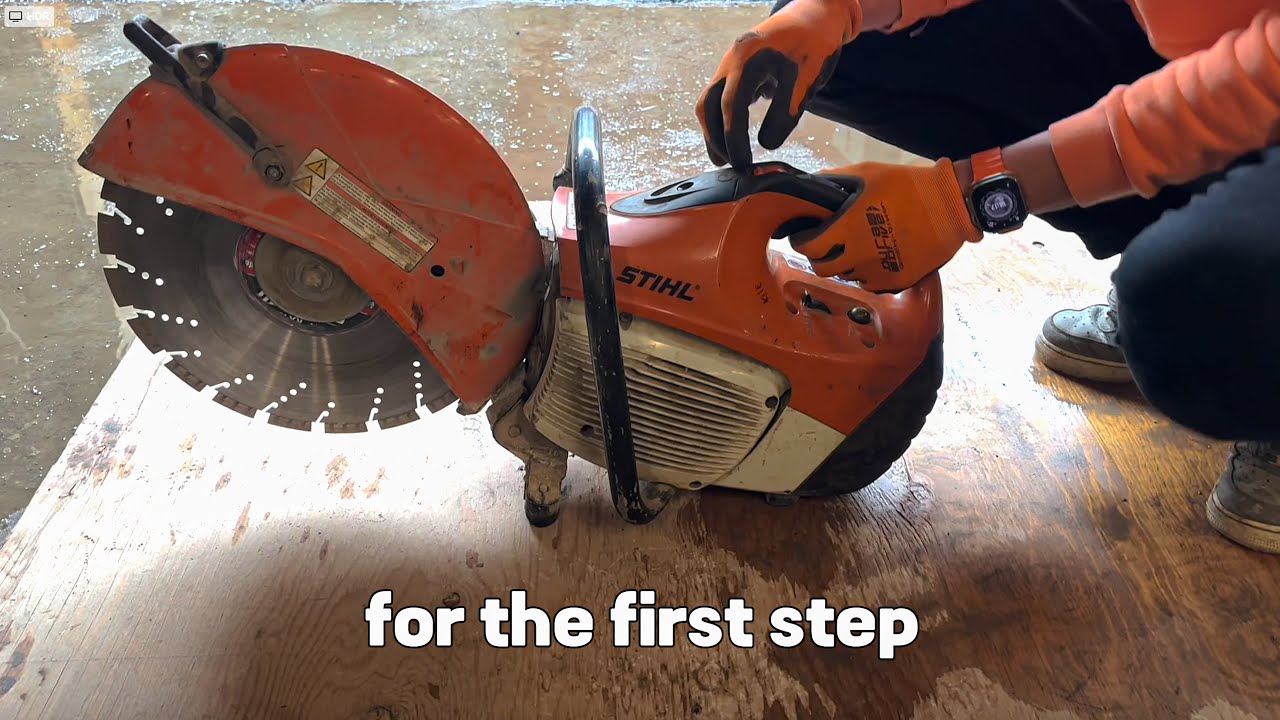
Image Source: i.ytimg.com
Preparing for Stihl Concrete Saw Startup
Before you even think about pulling the starter cord, proper preparation is key to safe and successful Stihl power cutter usage. This involves a thorough inspection of the saw, its components, and your work environment. Neglecting these steps can lead to malfunctions, accidents, and damage to the equipment.
Essential Pre-Operation Checks
1. Inspect the Cutting Wheel:
* Condition: Check the cutting wheel for any cracks, chips, or excessive wear. A damaged wheel can shatter during operation, posing a serious safety hazard.
* Mounting: Ensure the wheel is securely fastened to the saw’s arbor. Loose wheels can cause vibrations and lead to accidents.
* Correct Type: Verify that you are using the correct type of cutting wheel for the material you intend to cut (e.g., concrete, asphalt, metal).
2. Fuel and Oil Mixture:
* Stihl Cutoff Saw Fuel Mixture: Stihl two-stroke engines require a specific fuel and oil mixture for optimal performance and longevity. Always use a high-quality, air-cooled engine oil designed for two-stroke engines. Stihl recommends a 50:1 ratio, meaning 50 parts gasoline to 1 part oil. Always use fresh, clean gasoline.
* Mixing Container: Use a clean, dedicated fuel mixing container.
* Measure Accurately: Measure both the gasoline and oil precisely to ensure the correct ratio. Incorrect ratios can damage the engine.
3. Air Filter:
* Cleanliness: A dirty air filter restricts airflow, reducing engine power and potentially causing damage. Check the air filter and clean or replace it as needed. Refer to your Stihl cutting saw manual for specific cleaning instructions.
4. Spark Plug:
* Condition: Inspect the spark plug for fouling, damage, or improper gap. A faulty spark plug can prevent the saw from starting or running smoothly.
5. General Saw Condition:
* Loose Parts: Check for any loose bolts, screws, or guards. Tighten them as necessary.
* Handles and Guards: Ensure the handles are secure and free from damage. All safety guards must be in place and functioning correctly.
* Cables and Hoses: Inspect all cables and fuel lines for any signs of wear, cracking, or damage.
Safety Gear: Your First Line of Defense
Operating a Stihl demo saw is an inherently dangerous activity. Wearing appropriate personal protective equipment (PPE) is not optional; it’s crucial for your well-being.
- Eye Protection: Safety glasses or a face shield are essential to protect your eyes from flying debris.
- Hearing Protection: Demo saws are extremely loud. Use earplugs or earmuffs to prevent hearing damage.
- Hand Protection: Sturdy work gloves will protect your hands from cuts, abrasions, and vibrations.
- Foot Protection: Steel-toed boots will safeguard your feet from falling objects or accidental contact with the cutting wheel.
- Respiratory Protection: When cutting materials that produce dust, such as concrete, wear a dust mask or respirator to protect your lungs.
- Protective Clothing: Wear long sleeves and pants made of durable material to protect your skin from debris and sparks.
Work Area Safety
- Clear the Area: Ensure the work area is free of flammable materials, debris, and unnecessary personnel.
- Ventilation: Operate the saw in a well-ventilated area to avoid the buildup of exhaust fumes.
- Stable Ground: Operate the saw on firm, level ground. Avoid uneven or slippery surfaces.
- No Bystanders: Keep bystanders at a safe distance from the operating area.
Deciphering the Stihl Power Cutter Ignition Sequence
Now that your saw is prepared and you’re appropriately geared up, it’s time to go through the starting process. Understanding the Stihl power cutter usage and its ignition system is vital for a smooth start.
Step-by-Step Stihl Concrete Saw Startup
Follow these steps carefully for a safe and effective Stihl concrete saw startup:
Step 1: Engage the Choke
* Locate the choke lever on your Stihl demo saw.
* Move the choke lever to the “cold start” or “choke” position. This enriches the fuel-air mixture, making it easier to start a cold engine.
Step 2: Activate the Primer Bulb (if equipped)
* Some Stihl power cutters have a primer bulb. Press it repeatedly until you see fuel flowing into the carburetor. This helps to draw fuel into the engine.
Step 3: Engage the Ignition (Stihl Power Cutter Ignition)
* Locate the ignition switch or lever.
* Ensure the ignition is in the “on” or “run” position. This allows the spark plug to fire.
Step 4: Set the Throttle Lock (if applicable)
* Many Stihl models have a throttle lock. Engage it to hold the throttle at a slightly open position, which can aid in starting.
Step 5: Pull the Starter Rope
* Grip the starter rope handle firmly.
* Give the rope a steady, strong pull. Don’t yank it violently. You should feel resistance as the engine begins to turn over.
* Continue pulling until you hear the engine sputter or “catch.” This indicates that the engine is getting fuel and spark.
Step 6: Disengage the Choke
* Once the engine sputters, immediately move the choke lever to the “run” or “warm start” position. If you continue to operate with the choke on, the engine can become flooded and stall.
Step 7: Restart the Engine
* Give the starter rope another pull. The engine should now start and run smoothly.
Step 8: Warm Up the Engine
* Let the engine run for a minute or two to warm up before putting it under heavy load. This allows the engine components to reach their optimal operating temperature.
Step 9: Check Engine Operation
* Listen to the engine. It should run smoothly without any unusual noises or vibrations.
* Test the throttle response by gently squeezing and releasing the throttle trigger.
Troubleshooting Common Stihl Cutoff Saw Startup Issues
Occasionally, your Stihl cutoff saw might not start on the first try. Here are some common problems and solutions:
| Problem | Possible Cause | Solution |
|---|---|---|
| Engine won’t turn over | Ignition off, kill switch engaged | Ensure the ignition is on and the kill switch is in the run position. |
| Spark plug disconnected | Reconnect the spark plug wire. | |
| Engine sputters but doesn’t start | Choke not engaged correctly for cold start | Ensure the choke is fully in the cold start position. |
| Flooded engine (too much fuel) | Move the choke to the run position and pull the starter rope several times. If still no start, remove the spark plug, dry it, and reinsert, then try starting with the choke in the run position. | |
| Dirty or faulty spark plug | Clean or replace the spark plug. Ensure it’s correctly gapped. | |
| Engine starts but stalls | Choke still engaged | Move the choke to the run position. |
| Clogged air filter | Clean or replace the air filter. | |
| Stale fuel or incorrect fuel mixture | Drain the fuel tank and refill with fresh, correctly mixed Stihl cutoff saw fuel mixture. | |
| Clogged fuel filter | Replace the fuel filter. |
Operating a Stihl Cutoff Saw Safely and Effectively
Once your Stihl demo saw is running, safe operating practices are paramount. Fathoming the nuances of Stihl power cutter usage will ensure both your safety and the longevity of your equipment.
Safe Operating Techniques
- Two-Handed Grip: Always maintain a firm, two-handed grip on the saw’s handles. This provides better control and stability.
- Stable Stance: Stand with your feet shoulder-width apart for a balanced stance.
- Cutting Direction: Always cut away from your body. Avoid cutting towards yourself.
- Avoid Overreaching: Maintain a comfortable reach. Do not overextend yourself, as this can lead to loss of balance.
- Control the Kickback: Be aware of the potential for kickback, which occurs when the cutting wheel snags in the material and the saw is violently thrown back towards the operator. Do not cut with the tip of the wheel.
- Smooth Movements: Make smooth, controlled cutting movements. Do not force the saw through the material. Let the saw do the work.
- Avoid Water: Do not operate the saw in wet conditions, near water, or in the rain.
- Cooling: Allow the saw to cool down periodically, especially during extended use, to prevent overheating.
Using the Water Supply (for Wet Cutting)
Many Stihl concrete saws are designed for wet cutting, which helps to suppress dust and cool the cutting wheel.
- Connect the Water Hose: Securely connect a water hose to the water inlet on the saw.
- Turn on Water Supply: Turn on the water supply at the tap.
- Adjust Water Flow: Ensure a steady flow of water is being delivered to the cutting area. The water should flow from the nozzle onto the cutting wheel.
Stihl Cutting Saw Manual: Referencing for Specifics
Your Stihl cutting saw manual is your ultimate resource for specific operating procedures, maintenance schedules, and safety warnings unique to your model. Familiarize yourself thoroughly with its contents. It will provide detailed information on:
- Throttle lock operation
- Water system adjustments
- Spark arrestor screen cleaning
- Carburetor adjustments
- Specific cutting techniques for various materials
Stihl Cutoff Saw Maintenance: Keeping Your Tool in Top Condition
Regular maintenance is critical for the reliable and safe operation of your Stihl demo saw. Proactive Stihl cutoff saw maintenance will prevent breakdowns and extend the life of your equipment.
Routine Maintenance Tasks
- Cleaning the Saw: After each use, clean the saw thoroughly to remove dust, debris, and residue. Pay attention to cooling fins, air intakes, and around the cutting wheel.
- Air Filter Cleaning/Replacement: As mentioned earlier, this is crucial. Clean or replace as per the Stihl cutting saw manual.
- Spark Plug Inspection and Cleaning: Periodically check the spark plug and clean or replace it if necessary.
- Fuel System: Use fresh fuel and the correct oil mixture. Clean or replace the fuel filter as needed.
- Cutting Wheel Inspection: Always inspect the cutting wheel for wear or damage before each use. Replace as necessary.
- Lubrication: Some moving parts may require periodic lubrication. Refer to your Stihl cutting saw manual for specific lubrication points.
- Spark Arrestor Screen: Clean the spark arrestor screen in the muffler regularly to prevent it from becoming clogged, which can affect engine performance and be a fire hazard.
Stihl Cutoff Saw Maintenance Schedule
A regular maintenance schedule is essential. Here’s a general guideline:
| Task | Frequency |
|---|---|
| Visual Inspection | Before each use |
| Clean Air Filter | After each use, or more frequently in dusty conditions |
| Check Fuel and Oil Mixture | Before each use |
| Inspect Cutting Wheel | Before each use |
| Clean Spark Arrestor Screen | Every 25 operating hours or annually |
| Clean Air Filter | Every 10 operating hours or annually |
| Inspect Spark Plug | Every 50 operating hours or annually |
| Replace Fuel Filter | Every 100 operating hours or annually |
| Service Air Filter | As needed, refer to manual |
| Carburetor Adjustment | As needed, by qualified personnel |
| Professional Service | Annually, or as recommended by Stihl |
Always consult your specific Stihl cutting saw manual for the most accurate and detailed maintenance recommendations for your model.
Frequently Asked Questions (FAQ)
Q1: What is the correct Stihl cutoff saw fuel mixture?
A1: For most Stihl two-stroke engines, the recommended Stihl cutoff saw fuel mixture is 50:1. This means 50 parts gasoline to 1 part high-quality Stihl two-stroke engine oil. Always use fresh, clean gasoline and a proper measuring container.
Q2: Can I start a Stihl demo saw if the engine is flooded?
A2: Yes, you can. If your Stihl concrete saw is flooded (meaning too much fuel in the cylinder), move the choke to the “run” or “warm start” position, ensure the throttle is slightly open, and pull the starter rope several times. If it still doesn’t start, remove the spark plug, dry it off, reinsert it, and try starting with the choke in the “run” position.
Q3: How often should I clean the air filter on my Stihl power cutter?
A3: You should clean the air filter on your Stihl power cutter after each use, or more frequently if you are operating in very dusty conditions. A clogged air filter significantly reduces engine performance.
Q4: What are the key Stihl demo saw safety precautions?
A4: Key Stihl demo saw safety precautions include wearing appropriate PPE (eye protection, hearing protection, gloves, steel-toed boots, respiratory protection), maintaining a firm grip with both hands, using a stable stance, cutting away from your body, being aware of kickback, and ensuring the work area is clear of hazards.
Q5: How do I perform Stihl cutoff saw maintenance on the cutting wheel?
A5: Stihl cutoff saw maintenance on the cutting wheel primarily involves inspecting it for damage (cracks, chips) and wear before each use. If any damage is found, the wheel must be replaced immediately. Ensure the wheel is properly mounted and tightened according to the Stihl cutting saw manual.
Q6: What does the “Stihl power cutter ignition” involve?
A6: The Stihl power cutter ignition involves the spark plug, ignition coil, and associated wiring that generate the spark needed to ignite the fuel-air mixture in the cylinder. Ensuring the ignition switch is in the “on” position is crucial for the ignition system to function.
By following these detailed steps and adhering to all safety guidelines, you can confidently and safely start and operate your Stihl demo saw for a wide range of cutting applications. Remember, your Stihl cutting saw manual is your most valuable guide.