
A jackhammer, also known as a pneumatic hammer or paving breaker, is a powerful tool used for breaking up concrete, asphalt, and other hard surfaces. Can you use a jackhammer to break concrete? Absolutely, and doing so safely and effectively is crucial for project success and personal well-being.
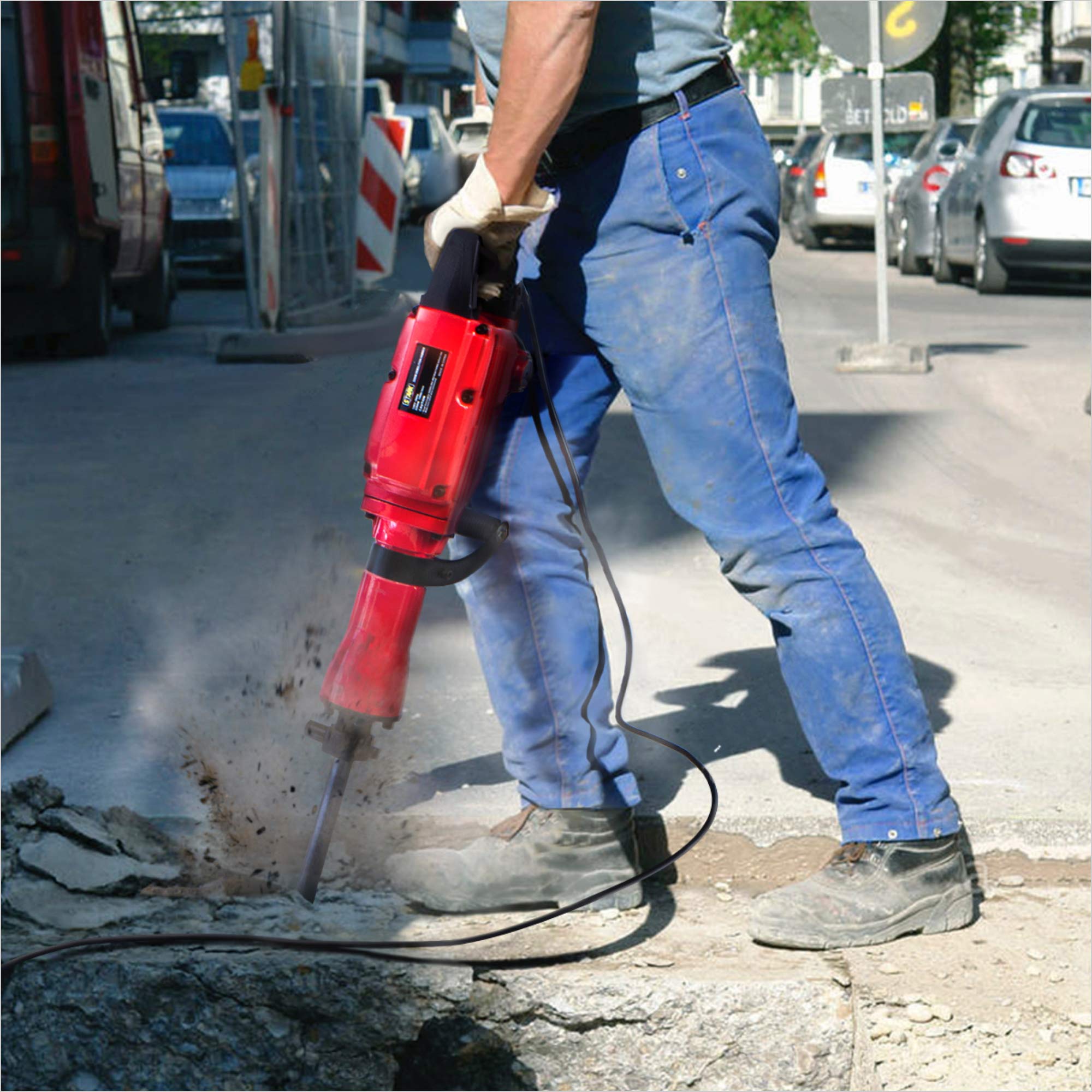
Image Source: contentgrid.homedepot-static.com
Preparing for Jackhammer Use
Before you even think about firing up this powerful demolition tool, careful preparation is key. This involves selecting the right jackhammer for the job, ensuring you have the proper power source, and gathering all necessary safety gear.
Choosing the Right Jack Hammer
Not all jackhammers are created equal. The type you choose will depend on the scale of your project and the material you need to break.
Types of Jackhammers:
- Pneumatic Jackhammers: These are the classic air-powered tools. They require an air compressor to operate. They are powerful and durable, making them ideal for heavy-duty tasks.
- Electric Jackhammers: These are powered by electricity, either directly from a power outlet or a portable generator. They are generally lighter and easier to maneuver than pneumatic models, making them suitable for smaller jobs or where an air compressor isn’t practical.
- Hydraulic Jackhammers: These are the most powerful type, driven by hydraulic fluid. They are typically used for very large-scale demolition projects and are often mounted on excavators or other heavy equipment.
When choosing, consider the jackhammer pressure requirements. Pneumatic models have specific PSI (pounds per square inch) needs that your compressor must meet. Electric models will have wattage ratings, and hydraulic ones will have flow rate requirements.
Powering Your Jackhammer
The power source is as important as the jackhammer itself.
- For Pneumatic Jackhammers: You’ll need a robust air compressor that can supply the required airflow (CFM – cubic feet per minute) and jackhammer pressure. Ensure the compressor is properly maintained and has sufficient fuel or power.
- For Electric Jackhammers: A reliable power source is essential. This could be a heavy-duty extension cord connected to a grounded outlet or a generator with enough wattage to power the tool. Be mindful of cord length and gauge to avoid voltage drops.
Essential Personal Protective Equipment (PPE)
Jackhammer safety starts with your gear. Ignoring PPE is a fast track to injury.
Key Personal Protective Equipment:
- Safety Glasses or Goggles: Essential to protect your eyes from flying debris.
- Hearing Protection: Jackhammers are extremely loud. Earplugs or earmuffs are mandatory.
- Work Gloves: Heavy-duty gloves protect your hands from vibration and abrasions.
- Steel-Toed Boots: Protect your feet from falling objects and the tool itself.
- Hard Hat: Crucial for protection against falling objects, especially on construction sites.
- Dust Mask or Respirator: Concrete dust is harmful. A respirator protects your lungs.
- Durable Work Clothing: Long sleeves and pants made of sturdy material offer protection.
Jackhammer Operation: A Step-by-Step Guide
Proper jackhammer operation is a learned skill. It involves technique, control, and a deep respect for the tool’s power.
Mounting the Jackhammer Chisel
The right jackhammer chisel types can significantly impact efficiency.
Common Jackhammer Chisel Types:
- Moil Point Chisel: This is the most common type. It has a sharp, pointed tip designed for breaking up hard materials like concrete and rock. It’s excellent for initiating cracks.
- Flat Chisel (or Pavement Breaker Chisel): This chisel has a wide, flat blade. It’s used for cutting through asphalt, breaking concrete into smaller, flatter pieces, or prying up materials.
- Asphalt Cutter Chisel: Similar to a flat chisel but with a slightly curved edge, designed specifically for slicing through asphalt.
- Frost Point Chisel: A blunt, wedge-shaped chisel used for breaking up frozen ground or compacted earth.
Mounting Procedure:
- Ensure the jackhammer is disconnected from its power source (air or electricity). This is a critical jackhammer safety step.
- Insert the chisel shank into the tool’s chuck. The shank is the part of the chisel that goes into the jackhammer.
- Ensure the chisel is fully seated. Some jackhammers have a locking mechanism or retainer that needs to be engaged to hold the chisel securely. Refer to your tool’s manual.
- Give the chisel a slight tug to confirm it’s locked in place.
Starting the Jackhammer
This is where the real work begins.
- Position the chisel on the surface to be broken. Place the tip of the chisel at the desired starting point.
- Grip the jackhammer firmly with both hands. Keep your stance wide and balanced.
- Apply light downward pressure. You don’t need to force it initially.
- Activate the trigger or lever. For pneumatic jackhammers, you might need to briefly press the chisel against the surface to start the air flow and hammering action. Electric jackhammers usually have a simple trigger.
- Let the tool do the work. The vibration and impact will do the breaking. Your job is to guide it and maintain control.
Controlling the Jackhammer
This is where the skill comes in.
- Maintain a Stable Stance: Stand with your feet shoulder-width apart, knees slightly bent. This provides a solid base and helps absorb vibration.
- Grip Firmly but Relaxed: Hold the handles tightly enough for control, but avoid a death grip, which can lead to fatigue and increased vibration transmission.
- Guide, Don’t Force: Let the jackhammer’s power drive the chisel. You are guiding its direction. Pushing too hard can stall the tool or cause you to lose control.
- Work in Sections: For larger areas, break the concrete into manageable sections. Start by creating a few initial cracks or holes.
- Angle for Efficiency: While often used perpendicular to the surface, you might angle the chisel slightly to help break up larger pieces or to work at edges. Experiment to find what works best.
- Watch for Rebound: The jackhammer will vibrate and potentially bounce. Anticipate this and adjust your grip and stance accordingly.
- Listen to the Tool: Changes in sound can indicate the jackhammer is struggling, the chisel is dull, or you’ve hit a different material.
Breaking Concrete Effectively
Beyond just hitting it, there’s a method to efficient concrete breaking.
Tips for Efficient Concrete Breaking:
- Start at Edges or Existing Cracks: It’s often easier to start breaking concrete from an existing edge or crack.
- Use the Moil Point to Initiate: Use a moil point chisel to create a starting point or a deep groove.
- Follow with a Flat Chisel: Once a crack is started, a flat chisel can be used to widen it or break off larger chunks.
- Work Across the Surface: Systematically move across the area, creating a grid pattern of cracks.
- Break into Manageable Pieces: Aim to break the concrete into pieces that can be easily removed by hand or with a wheelbarrow.
- Beware of Reinforcing Steel (Rebar): If you encounter rebar, the jackhammer may struggle. You might need to switch to a cutting attachment or a more powerful tool. Hitting rebar can also cause the jackhammer to kick back unexpectedly.
- Manage Water and Dust: Keep the work area as clear as possible. Water can help suppress dust, but too much can make the surface slippery.
Jackhammer Maintenance and Care
Proper jackhammer maintenance ensures longevity and safe operation. These tools are significant investments, and neglecting them will lead to costly repairs and potential safety hazards.
Daily Checks and Lubrication
- Inspect the Tool: Before each use, check for any visible damage, loose parts, or wear on the chisel and chuck.
- Check Air Hoses and Connections (Pneumatic): Ensure hoses are free from leaks and connections are secure.
- Lubrication: Pneumatic jackhammers require regular lubrication. Use specific pneumatic tool oil. Some models have an oil reservoir that needs to be kept filled. Others require oil to be added directly to the air line. Electric models usually have sealed gearboxes that require less frequent lubrication, typically done during more extensive servicing. Always refer to your manual for specific instructions.
Storage
- Clean the Tool: After each use, wipe down the jackhammer to remove dirt and debris.
- Store Properly: Store the jackhammer in a dry, secure location. If it’s a pneumatic model, drain any excess moisture from the air system to prevent rust. Remove the chisel when storing for extended periods.
Chisel Care
- Sharpen or Replace Chisels: Dull chisels reduce efficiency and put more strain on the tool and the operator. Sharpen or replace chisels as needed.
- Inspect for Wear: Check chisels for signs of excessive wear, chipping, or bending. A damaged chisel can be dangerous.
Advanced Techniques and Considerations
Once you’ve mastered the basics, there are further aspects to consider for optimal jackhammer operation.
Understanding Jackhammer Pressure
The jackhammer pressure refers to the air pressure (for pneumatic models) or hydraulic pressure that powers the tool.
- Too Low Pressure: Results in reduced hammering force, making concrete breaking slow and inefficient. It can also cause the tool to stall more easily.
- Too High Pressure: Can damage the tool’s internal components, lead to overheating, and increase operator fatigue due to excessive vibration. It can also be more dangerous, making the tool harder to control.
Always operate the jackhammer within the manufacturer’s recommended pressure range.
Handling Vibration
Jackhammers generate significant vibration, which can lead to Hand-Arm Vibration Syndrome (HAVS) with prolonged exposure.
- Use Anti-Vibration Gloves: While not a complete solution, they can help reduce the impact.
- Take Regular Breaks: Step away from the tool every 20-30 minutes to rest your hands and arms.
- Maintain Proper Stance and Grip: As mentioned earlier, a good stance and a relaxed grip can minimize the vibration felt by the operator.
- Ensure the Tool is Well-Maintained: A well-lubricated and properly functioning jackhammer will vibrate less than a poorly maintained one.
Working on Different Surfaces
While primarily used for concrete, jackhammers are versatile demolition tools.
- Asphalt: Generally easier to break than concrete. A flat or asphalt cutter chisel is usually preferred.
- Frozen Ground: Requires a frost point chisel. The technique involves breaking up the frozen top layer in sections.
- Rock: Moil point chisels are best. Patience is key, as rock can be much harder to break than concrete.
When to Call a Professional
While jackhammers are powerful tools, there are times when DIY is not advisable.
- Large-Scale Demolition: If you have a very large area to break or structural elements to remove, it’s best to hire professionals with experience in heavy equipment usage.
- Proximity to Utilities: If there’s a risk of hitting underground utilities (water pipes, electrical cables), a professional assessment is crucial.
- Structural Integrity Concerns: If breaking concrete might compromise the structural integrity of a building or foundation, consult an engineer or contractor.
Safety First: Re-emphasizing Crucial Precautions
Let’s reiterate the most critical aspects of jackhammer safety. This isn’t just about efficiency; it’s about survival.
Pre-Operation Checklist:
- [ ] All required PPE is worn correctly.
- [ ] Jackhammer is properly assembled with the correct chisel.
- [ ] Power source is connected securely and safely.
- [ ] Work area is clear of obstructions and people.
- [ ] Underground utilities have been identified and marked.
- [ ] First-aid kit is readily accessible.
During Operation:
- Maintain situational awareness. Be aware of your surroundings, the condition of the surface you’re breaking, and the behavior of the tool.
- Never leave a running jackhammer unattended.
- Avoid operating in enclosed spaces without proper ventilation. The exhaust from some engines (if using a portable compressor) or the dust generated can be hazardous.
- Be aware of the kickback potential. If the chisel gets jammed or hits an unexpected obstruction, the tool can forcefully jump back. Maintain a firm grip and a balanced stance.
Post-Operation:
- Disconnect the power source before cleaning or maintenance.
- Clean and inspect the tool for any damage incurred during use.
- Securely store the jackhammer and its accessories.
Frequently Asked Questions (FAQ)
Q1: What is the best way to start breaking concrete with a jackhammer?
A1: Begin by placing the jackhammer chisel at the edge of the concrete or at an existing crack. Apply light downward pressure and activate the trigger. Let the tool’s impact do the breaking; don’t force it.
Q2: How long can I safely operate a jackhammer?
A2: Due to vibration exposure, it’s recommended to take frequent breaks. Aim to operate the jackhammer for no more than 20-30 minutes at a time before resting your hands and arms for at least an equal amount of time.
Q3: What happens if the jackhammer pressure is too low?
A3: If the jackhammer pressure is too low, the tool will lack the necessary force to break concrete effectively. It will hammer with less power, making the job much slower, and the tool may stall more easily.
Q4: Can I use a regular hammer bit with a jackhammer?
A4: No, you must use the correct jackhammer chisel types. Using the wrong type of bit can damage the tool, the chisel, and be ineffective for the task.
Q5: How do I prevent excessive vibration when using a jackhammer?
A5: Proper jackhammer operation techniques, including a stable stance, firm but relaxed grip, taking breaks, and using anti-vibration gloves, can help minimize vibration. Ensuring the tool is well-maintained is also crucial.
Q6: What are the most common safety risks associated with jackhammer use?
A6: The primary safety risks include hearing damage from noise, hand-arm vibration syndrome (HAVS), eye injuries from flying debris, physical strain and fatigue, and potential accidents due to loss of control or kickback. Wearing the appropriate personal protective equipment and following safe operating procedures are paramount.
Q7: How do I deal with rebar when breaking concrete with a jackhammer?
A7: If you encounter rebar, the jackhammer may struggle to break through it. You might need to switch to a chisel designed for metal, use a cutting disc attachment if your tool supports it, or use a different demolition method altogether. Be prepared for increased kickback when hitting rebar.
Q8: What is the role of jackhammer maintenance in safety?
A8: Proper jackhammer maintenance is directly linked to safety. A well-maintained tool is less likely to malfunction, seize up, or break unexpectedly, all of which can lead to dangerous situations for the operator. Regular checks and lubrication ensure the tool operates as intended, reducing risks.