
What is a power strip and how does it function? A power strip is a basic electrical device that acts as an extension cord with multiple outlets. It takes the AC power from a single wall outlet and splits it, allowing you to plug in and power multiple devices simultaneously. Think of it as a power multiplier, extending the reach of your limited wall sockets and offering potential protection for your electronics.
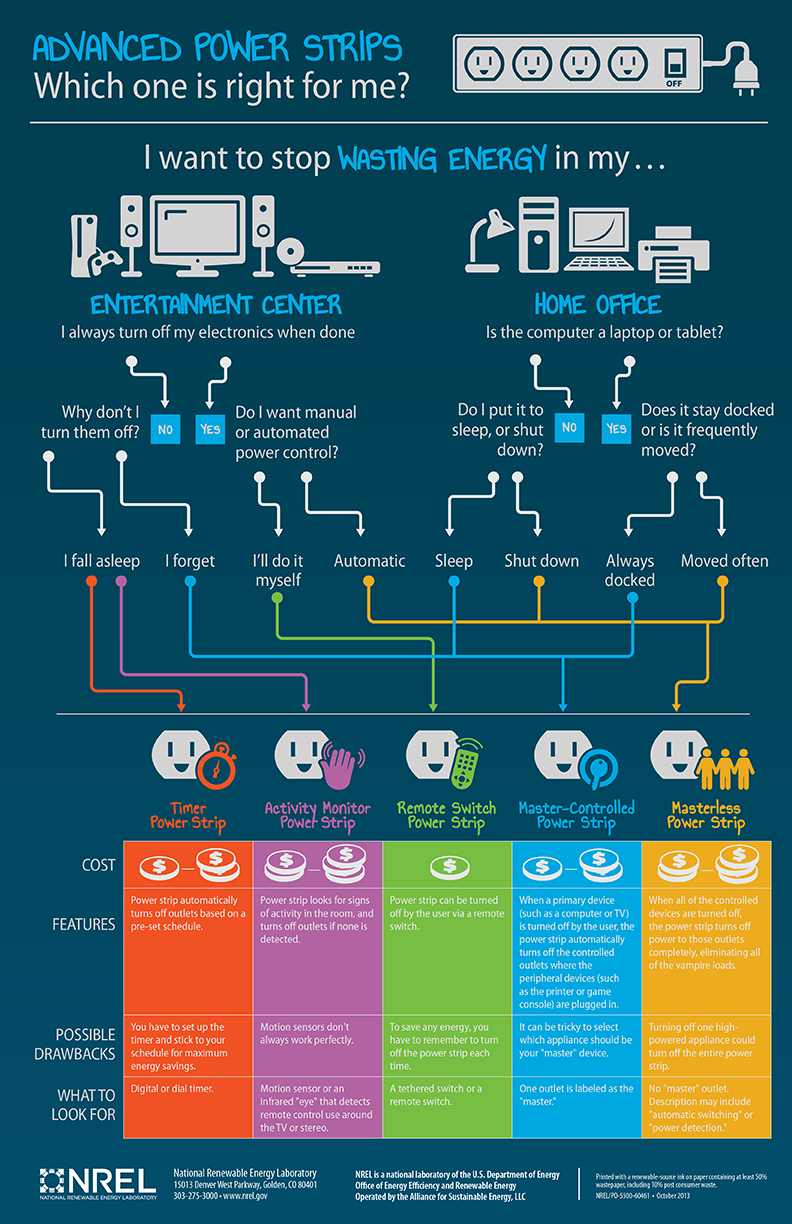
Image Source: oppdthewire.com
The Basic Functionality of an Outlet Strip
At its core, an outlet strip is designed for power distribution. It’s a simple yet crucial tool for managing the many electronic devices we use daily. Imagine a single wall socket as the entrance to a house’s electrical system. Without a power strip, you’re limited to plugging in just one or two items directly into that entrance. A power strip acts like a hallway with many doors, allowing multiple appliances to access the power source.
Inside the Outlet Strip: A Look at Components
To grasp how power strips work, it’s helpful to peek inside. A typical power strip contains several key components that make its functionality possible:
- Outlets: These are the familiar slots where you plug in your electronic devices. They are connected to the internal wiring of the strip.
- Internal Wiring: This is a series of conductive pathways, usually made of copper, that connect the input cord to each of the outlets. This wiring allows the AC power to flow from the wall to all connected devices.
- Power Cord: This is the cable that plugs into the wall socket, bringing the electrical current into the power strip.
- Enclosure: This is the outer casing, typically made of plastic, that houses all the internal components and provides insulation for safety.
The Flow of Electricity: A Simple Circuit
The electrical circuit within a power strip is quite straightforward. When the power strip’s cord is plugged into a live wall socket, AC power flows into the strip. This power then travels through the internal wiring to each individual outlet. When you plug a device into an outlet, you complete a circuit, allowing electricity to flow from the power strip to your device, powering it up.
Beyond Basic Extension: The Role of Protection
While simple power strips just offer more outlets, many modern power strips go a step further by incorporating protection features. This is where concepts like electrical surge protector and surge suppression come into play. These additions are vital for safeguarding your valuable electronics from damage.
Electrical Surge Protector: The First Line of Defense
An electrical surge protector is designed to defend your electronics from sudden, brief spikes in voltage. These surges can originate from various sources, including lightning strikes (even distant ones), power outages and restorations, or even the cycling of high-power appliances within your home. Without protection, these voltage spikes can overwhelm and damage sensitive electronic components.
How Surge Suppression Works
The primary mechanism for surge suppression in most power strips involves components called Metal Oxide Varistors (MOVs).
- Metal Oxide Varistors (MOVs): These are semiconductor devices that have a unique property. Under normal voltage conditions, MOVs act as insulators, meaning they don’t allow electricity to pass through them. However, when a voltage surge occurs, the resistance of the MOV dramatically decreases. This allows the excess electricity to be diverted away from your connected devices and safely channeled to the ground wire.
A good power strip will have MOVs connected across the “hot” and “neutral” wires, ready to act if the voltage exceeds a safe level.
The Importance of the Grounding Wire
The grounding wire is a critical safety feature present in most modern electrical systems and, importantly, in well-designed power strips. It serves as a dedicated path for electricity to flow to the ground in the event of a fault or surge.
- Safety Path: The grounding wire is typically connected to the third prong on your power strip’s plug and runs through the building’s electrical system to a grounding rod driven into the earth.
- Preventing Shock: If a live wire inside an appliance or the power strip accidentally touches the metal casing, the grounding wire provides a low-resistance path for the current to flow to the ground. This prevents the metal casing from becoming energized and causing a dangerous electric shock if you touch it.
- Surge Diversion: In surge-protected power strips, the grounding wire is also essential for the MOVs to effectively divert excess voltage away from your equipment and safely into the earth.
Fused Plug: An Additional Safety Layer
Some power strips, especially those with surge protection, may also feature a fused plug.
- The Fuse: A fuse is a thin wire designed to melt and break the circuit if the current flowing through it exceeds a certain limit.
- Overcurrent Protection: If a fault causes too much current to flow through the power strip (more than it’s designed to handle), the fuse will blow, interrupting the flow of electricity and preventing potential damage or fire.
- Indicator: Some fuses are visible, and blown fuses often have a small indicator to show they need replacement.
Advanced Features and Types of Power Strips
Power strips come in various configurations and with different levels of sophistication, catering to diverse needs.
Standard Outlet Strips
These are the most basic type, offering multiple outlets without any surge protection. They function solely as an extension of your wall sockets.
Surge Protector Power Strips
As discussed, these include surge suppression technology (usually MOVs) to protect connected devices from voltage spikes. They are a popular choice for general home and office use.
Key Specifications to Look For
When choosing a surge protector power strip, consider these important features:
- Joule Rating: This indicates how much energy the surge protector can absorb before failing. Higher joule ratings generally mean better protection.
- Clamping Voltage: This is the voltage level at which the surge protector begins to divert excess electricity. A lower clamping voltage offers better protection for sensitive electronics.
- Response Time: This is how quickly the surge protector reacts to a voltage spike. Faster is better, often measured in nanoseconds.
- Number of Outlets: Ensure it has enough outlets for your current and future needs.
- Indicator Lights: Lights indicating that the surge protection is active and that the strip is grounded are very useful.
Smart Power Strips
These advanced power strips offer enhanced control and energy management.
- Remote Control: Some can be controlled remotely via Wi-Fi or Bluetooth, allowing you to turn individual outlets on or off from your smartphone.
- Energy Monitoring: They can track the power consumption of connected devices, helping you identify energy vampires and reduce electricity bills.
- Scheduled Operation: You can set schedules for devices to turn on or off automatically.
Power Strips with Additional Features
Beyond surge protection and smart capabilities, you might find power strips with:
- USB Ports: Many power strips now include USB-A and USB-C ports for charging devices directly without needing a separate power adapter.
- Built-in Circuit Breakers: Instead of a fused plug, some strips have a resettable circuit breaker. If an overload occurs, you can simply press a button to reset it.
- Coaxial or Network Protection: Higher-end models may offer protection for coaxial cables (like for cable TV) or network cables (Ethernet) to safeguard modems and routers from surges.
Power Strip Safety: Best Practices and Considerations
While power strips are incredibly useful, it’s essential to use them safely to prevent hazards.
What Not To Do With a Power Strip
- Do Not “Daisy-Chain”: Never plug one power strip into another power strip. This can overload the circuit and create a fire hazard. The total power draw from multiple chained strips can exceed the capacity of the initial outlet or the power strip itself.
- Do Not Overload: Be mindful of the total wattage or amperage capacity of your power strip. Plugging in devices that draw more power than the strip can handle can lead to overheating and potential fire. Check the power strip’s rating and the wattage requirements of your devices.
- Do Not Use in Wet Environments: Power strips are not designed for use in damp or wet locations. Water and electricity are a dangerous combination.
- Do Not Cover: Avoid covering a power strip with rugs, carpets, or furniture. This can trap heat, leading to overheating and fire.
- Do Not Use Damaged Strips: If a power strip is damaged (frayed cord, cracked casing), discontinue use immediately.
Proper Placement and Usage
- Secure the Strip: Place the power strip on a stable surface and ensure it is not in a location where it can be easily tripped over.
- Keep Away from Heat Sources: Avoid placing power strips near heat sources like radiators or direct sunlight, which can degrade the plastic over time.
- Use for Appropriate Devices: While power strips can handle most common household electronics, avoid plugging in very high-draw appliances like space heaters, hair dryers, or large kitchen appliances directly into a power strip unless the strip is specifically rated for such loads. These items should ideally be plugged directly into wall outlets.
Power Strip vs. Surge Protector: Clarifying the Distinction
It’s important to differentiate between a basic power strip and a dedicated electrical surge protector.
| Feature | Basic Power Strip | Surge Protector Power Strip |
|---|---|---|
| Primary Function | Provides multiple outlets from a single source. | Provides multiple outlets AND protects against voltage spikes. |
| Protection Against | None. | Voltage surges, spikes, and transients. |
| Key Components | Outlets, internal wiring, enclosure. | Outlets, wiring, enclosure, plus MOVs (or similar surge protection components). |
| Protection Indication | Usually none. | Often has indicator lights for “protected” and “grounded” status. |
| Use Case | Simple power expansion where protection isn’t critical. | Protecting sensitive electronics like computers, TVs, gaming consoles. |
Frequently Asked Questions (FAQ)
Q1: Can I plug a surge protector into a power strip?
No, you should never plug one power strip (even a surge protector) into another power strip. This is known as daisy-chaining and can overload the electrical circuit, creating a fire hazard. All power strips should be plugged directly into a wall outlet.
Q2: How long do surge protectors last?
The surge protection components (like MOVs) in a surge protector degrade with each surge they absorb. Most surge protectors have a lifespan, and their protection capabilities diminish over time. Many have indicator lights that show when the surge protection is no longer active, signaling it’s time for replacement. A general guideline is to replace them every 3-5 years, or sooner if the indicator light shows they are no longer protecting.
Q3: What is the difference between a surge protector and a voltage regulator?
While both protect electronics, they do so differently. A surge protector only intervenes during a sudden, temporary overvoltage (a surge). A voltage regulator, on the other hand, actively maintains a steady output voltage, even when the input voltage fluctuates up or down within a certain range. Some higher-end power devices may combine both surge protection and voltage regulation.
Q4: Do I need a surge protector for all my devices?
It’s highly recommended for any sensitive or valuable electronics, such as computers, televisions, audio equipment, gaming consoles, modems, and routers. For less critical items like lamps or simple fans, a basic power strip might suffice, but even these can be damaged by severe surges.
Q5: What does the joule rating mean on a surge protector?
The joule rating indicates how much energy the surge protector can absorb before it fails. A higher joule rating means the surge protector can handle larger or more frequent surges, offering better long-term protection. For example, a surge protector with a 1000-joule rating can absorb more energy than one with a 500-joule rating.
Q6: How do I know if my power strip is protecting my devices?
Most surge protector power strips have indicator lights. A “protected” light signifies that the surge suppression circuitry is active. A “grounded” light indicates that the power strip is properly connected to the building’s grounding system, which is crucial for surge diversion. If either of these lights goes out, the strip may need to be replaced.
Conclusion
Power strips are indispensable tools for modern living, offering convenience and, in many cases, vital protection for our electronic devices. By understanding the basic power distribution capabilities of an outlet strip, the protective functions of an electrical surge protector, and the importance of features like the grounding wire and circuit breaker, you can make informed choices about how to power and safeguard your valuable equipment. Always prioritize safety by avoiding daisy-chaining, not overloading your strips, and replacing them when their protective capabilities have diminished.