
Can you fix water hammer yourself? Yes, many water hammer issues can be fixed yourself with the right knowledge and tools, often by installing a water hammer arrestor or addressing common causes like loose pipes.
Water hammer, that jarring, banging noise that echoes through your plumbing system, is more than just an annoyance. It’s a phenomenon known as pipe shock, and it can cause significant damage over time. This plumbing noise occurs when water flowing through your pipes is suddenly stopped or forced to change direction. The momentum of the moving water has nowhere to go, creating a pressure wave that slams against your pipes and fittings, causing that characteristic banging pipes sound. If left unaddressed, this pipe vibration can loosen joints, damage valves, and even lead to leaks. Fortunately, there are effective plumbing solutions to get your pipes silent pipes once more.
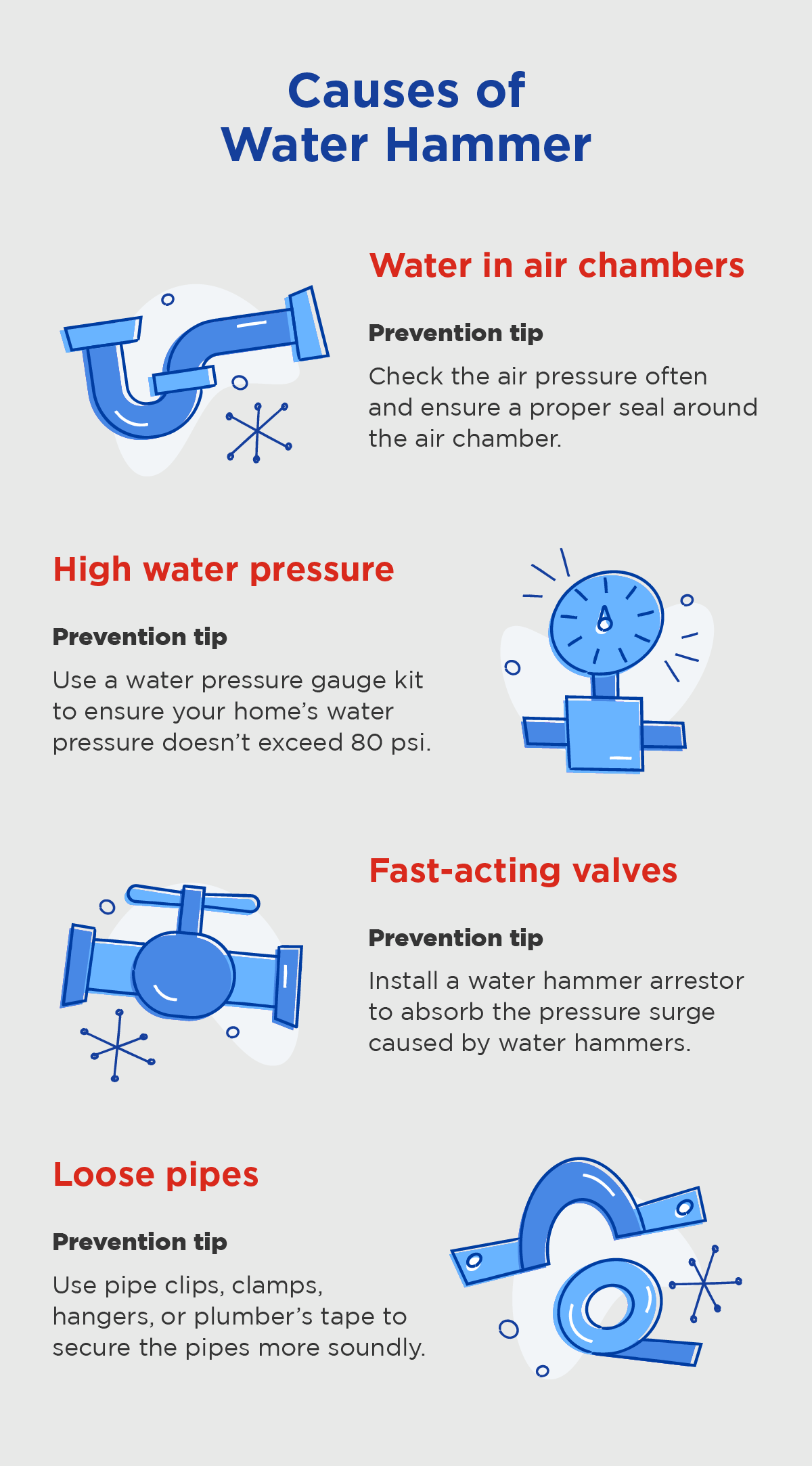
Image Source: www.mrrooter.com
Deciphering Water Hammer Causes
To effectively tackle water hammer in pipes, we first need to pinpoint its origins. Several factors can contribute to this disruptive plumbing noise.
Valve Operations: The Prime Suspect
The most frequent culprit behind water hammer is the rapid closure of valves. Think about your washing machine or dishwasher. When their solenoid valves snap shut instantly at the end of a cycle, they abruptly halt the flow of water. This sudden stop creates a shockwave.
- Solenoid Valves: Found in appliances like washing machines, dishwashers, and ice makers, these valves open and close electronically. Their rapid action is a common trigger.
- Quarter-Turn Ball Valves: While convenient, these valves, when closed quickly, can also induce water hammer.
- Single-Lever Faucets: Older or poorly designed single-lever faucets can sometimes close too abruptly, especially when turned off with force.
High Water Pressure: A Contributing Factor
Excessive water pressure in your home’s supply line significantly exacerbates water hammer. When the water pressure is too high, the force of the water itself increases, making the impact of a sudden valve closure more forceful.
- Typical Home Water Pressure: Ideally, household water pressure should be between 40-60 PSI (pounds per square inch).
- Pressure Above 80 PSI: Pressures exceeding 80 PSI are considered high and increase the likelihood and severity of water hammer.
- Municipal Supply Variations: Sometimes, the water pressure from the municipal supply can fluctuate, especially during peak usage times or after maintenance.
Loose Pipes: Amplifying the Sound
Even without a sudden valve closure, loose pipes can create noise as water flows through them. However, this is often amplified when water hammer occurs.
- Inadequate Support: Pipes that are not properly secured to walls or joists can vibrate more easily.
- Movement During Flow: As water rushes through unsecured pipes, slight movements can cause them to knock against other pipes or building materials.
Air in the Lines: Trapped Shock Absorbers
While counterintuitive, trapped air in your plumbing can also contribute to water hammer. Air pockets can act like tiny, ineffective shock absorbers, and when compressed by the sudden pressure surge, they can release their energy in a jarring manner.
- Recent Plumbing Work: Air is often introduced into the system after plumbing repairs or installations.
- Leaky Faucets: Small leaks can sometimes allow air to enter the system.
Worn Out or Faulty Fixtures
Old, worn-out washers or faulty cartridges in faucets and toilets can lead to a less-than-smooth shut-off of water, contributing to the sudden stoppage that causes water hammer.
Fathoming Fast Fixes for Water Hammer
When you need to fix water hammer fast, it often means addressing the most immediate causes and implementing quick solutions. Here’s how to tackle it:
The Power of the Water Hammer Arrestor
The most effective and often fastest solution for persistent water hammer is the installation of a water hammer arrestor. This simple device acts as a cushion for the shockwave.
How Water Hammer Arrestors Work
A typical water hammer arrestor contains a sealed chamber with air or gas trapped above a piston or diaphragm. When a pressure surge occurs, the water pushes against the piston or diaphragm, compressing the air or gas. This compression absorbs the shock, preventing it from traveling through the pipes.
- Types of Arrestors:
- Piston Type: A piston moves within a cylinder, compressing a captive air pocket.
- Diaphragm Type: A flexible diaphragm separates the water from an air chamber.
- Installation Location: Arrestors are typically installed on the hot and cold water supply lines near appliances known to cause water hammer (like washing machines) or at the end of long pipe runs.
Installing a Water Hammer Arrestor: A Step-by-Step Guide
This is a common DIY plumbing solution that can bring silent pipes quickly.
Tools and Materials You’ll Need:
- Adjustable wrench
- Pipe wrench (optional)
- Teflon tape or pipe thread sealant
- Your chosen water hammer arrestor(s)
- Work rags
Steps:
- Turn Off the Water Supply: Locate the main water shut-off valve for your house and close it. If you’re targeting a specific appliance, you can often shut off the valve directly behind that appliance.
- Drain the Lines: Open the faucet closest to the work area to release any remaining water pressure and drain the pipes.
- Locate the Connection Point: Identify the pipe where you’ll install the arrestor. This is typically on the supply line leading to an appliance or faucet.
- Remove Existing Fitting (if applicable): If there’s a flexible supply line attached, unscrew it from the valve.
- Apply Sealant: Wrap Teflon tape or apply pipe thread sealant to the threads of the arrestor’s inlet connection.
- Screw on the Arrestor: Hand-tighten the arrestor onto the pipe fitting. Then, use an adjustable wrench to tighten it a quarter to half a turn. Be careful not to overtighten, which can damage the threads.
- Reconnect Supply Line (if removed): Reattach any flexible supply lines you disconnected.
- Turn Water Supply Back On: Slowly open the main water shut-off valve (or the appliance valve).
- Check for Leaks: Carefully inspect the connections for any signs of leakage.
- Test: Run water through the connected appliance or faucet to see if the water hammer has been resolved.
When to Call a Professional for Arrestor Installation
While installing an arrestor is often straightforward, you might want a professional plumber if:
- You’re unsure about your ability to safely turn off water and drain the lines.
- You encounter corroded or stubborn fittings.
- The problem persists after installation, suggesting a deeper issue.
Addressing High Water Pressure
If high water pressure is contributing to your water hammer causes, reducing it is a crucial step.
Measuring Your Water Pressure
You can purchase a simple water pressure gauge that screws onto an outdoor hose bib or laundry faucet.
- Ensure no water is being used in the house.
- Screw the gauge onto an outdoor faucet.
- Turn the faucet on slowly.
- Read the pressure on the gauge.
Installing a Pressure Reducing Valve (PRV)
If your pressure consistently reads above 80 PSI, installing or adjusting a PRV is a vital plumbing solution.
- Location: The PRV is typically installed where the main water line enters your home, often near the main shut-off valve.
- Function: It’s designed to reduce incoming high pressure to a safe and consistent level for your home’s plumbing.
- Adjustment/Replacement: Many PRVs can be adjusted to a lower setting. If yours is old or not functioning correctly, replacement might be necessary.
Note: If your home already has a PRV, it might need to be adjusted or replaced. This is often a job best left to a qualified plumber.
Securing Loose Pipes
Loose pipes contribute to noise and can worsen the effects of water hammer. Reducing water hammer often involves ensuring your pipes are well-supported.
Identifying Loose Pipes
- Listen: Try to identify the specific locations where the banging occurs. Sometimes, you can feel the pipe vibration.
- Visual Inspection: Look for pipes that seem to sag or are not tightly strapped to joists or studs.
Securing Pipes
- Pipe Clamps and Straps: Use appropriate pipe clamps or straps to firmly secure pipes to framing members. Ensure the clamps are not too tight, which can restrict water flow or cause noise.
- Hangers: For longer runs, pipe hangers can provide robust support.
- Padding: If pipes are knocking against each other or building materials, you can wrap them with foam pipe insulation or rubber padding to prevent direct contact.
Bleeding Air from the System
If air in the lines is suspected, especially after plumbing work, bleeding the system can help.
How to Bleed Air from Plumbing
- Turn off the water supply.
- Open the highest faucet in your house.
- Slowly turn on the main water supply valve.
- Allow air and water to sputter out of the faucet.
- Once a steady stream of water flows, close the faucet.
- Repeat this process for all faucets in your home, starting from the lowest to the highest.
This process helps push trapped air out of the system.
Quick Troubleshooting for Fast Results
When you need to fix water hammer fast, consider these immediate actions:
Identify the Triggering Appliance or Faucet
- Turn off appliances one by one: If you suspect an appliance (like a washing machine), turn off its water supply valve and see if the water hammer stops.
- Note which faucets cause the noise: If it happens when you quickly shut off a specific faucet, that’s your prime suspect.
Install Arrestors on Suspect Lines
If a particular appliance or faucet is the culprit, installing a water hammer arrestor directly on its supply line is often the quickest and most effective fix.
Check Faucet Aerators and Valve Washers
- Aerators: Sometimes, clogged faucet aerators can restrict flow and cause turbulence, contributing to noise. Clean or replace them.
- Washers: Worn-out rubber washers in older faucets can cause them to shut off unevenly. Replacing these can sometimes resolve the issue.
Preventing Future Water Hammer
Once you’ve fixed the immediate problem, implementing preventive measures will ensure your pipes remain silent pipes.
Regular Maintenance
- Check Water Pressure: Periodically test your home’s water pressure.
- Inspect Pipes: Look for any signs of loose pipes or fittings.
- Service Appliances: Ensure appliance valves are functioning correctly.
Proper Installation of Fixtures
When installing new appliances or fixtures, ensure they are connected with appropriate flexible supply lines and consider installing water hammer arrestors proactively.
Gradual Valve Operation
Train household members to close faucets and valves gradually rather than snapping them shut.
When to Call a Plumber
While many plumbing solutions can be DIY, there are times when professional help is essential for reducing water hammer.
- Persistent Problems: If you’ve tried the above steps and the water hammer continues, there might be a more complex issue.
- High Water Pressure: Adjusting or replacing a PRV is often best left to a professional.
- Uncertainty or Difficulty: If you’re uncomfortable with any of the steps or encounter unexpected problems, a plumber has the expertise and tools to resolve it safely and efficiently.
- Major Pipe Issues: In rare cases, extensive pipework issues might be contributing, requiring expert assessment.
What a Plumber Can Do
A qualified plumber can:
- Accurately diagnose the water hammer causes.
- Install water hammer arrestors in difficult-to-reach locations.
- Adjust or replace your home’s pressure reducing valve (PRV).
- Reinforce or re-route pipes that are improperly supported.
- Identify and fix faulty valves or fixtures.
Frequently Asked Questions (FAQ)
Q1: What exactly is water hammer?
Water hammer, also known as pipe shock, is a pressure surge or wave caused when water flowing through pipes is forced to stop or change direction suddenly. This abrupt change in momentum creates a shockwave that slams against the pipes, resulting in a banging or hammering sound.
Q2: Is water hammer dangerous?
While the noise is disruptive, water hammer can be dangerous to your plumbing system. The repeated shockwaves can loosen pipe joints, damage valves and gauges, and even lead to leaks or pipe bursts over time. It’s a significant cause of premature wear and tear in plumbing systems.
Q3: Can I fix water hammer with simple household items?
While some temporary measures like ensuring faucets are closed gently can help, serious water hammer typically requires more robust plumbing solutions. Installing a water hammer arrestor is usually the most effective method using specialized equipment.
Q4: How much does it cost to fix water hammer?
The cost varies. DIY fixes like installing a water hammer arrestor typically cost between $10-$30 for the arrestor itself, plus a few dollars for fittings. Professional installation can range from $100 to $300 or more, depending on labor rates and the complexity of the job. If a PRV needs replacement, costs can be higher.
Q5: How long does it take to fix water hammer?
If you’re installing a water hammer arrestor, it can often be done in under an hour. Addressing high water pressure by adjusting a PRV might take a plumber a similar amount of time. The time involved depends on the complexity of the issue and whether you are performing the repair yourself or hiring a professional.
Q6: What is the best type of water hammer arrestor?
Both piston-type and diaphragm-type arrestors are effective. The best choice often depends on the specific application and personal preference. Ensure you select an arrestor rated for the type of plumbing (e.g., hot and cold water lines) and pressure in your home.
Q7: My washing machine causes water hammer. What should I do?
This is a very common scenario. The solenoid valves in washing machines shut off very abruptly. The quickest fix is to install a water hammer arrestor on each of the hot and cold water supply lines connected to the washing machine.
By understanding the water hammer causes and employing these effective plumbing solutions, you can say goodbye to that irritating plumbing noise and enjoy silent pipes once more.