
If you’re wondering how to measure a chainsaw chain, the key lies in identifying its pitch, gauge, and length, which are collectively known as its chainsaw chain size. Getting these measurements right is crucial for ensuring your chainsaw operates safely and efficiently, and for making sure you have the correct chainsaw chain for a chainsaw chain replacement.
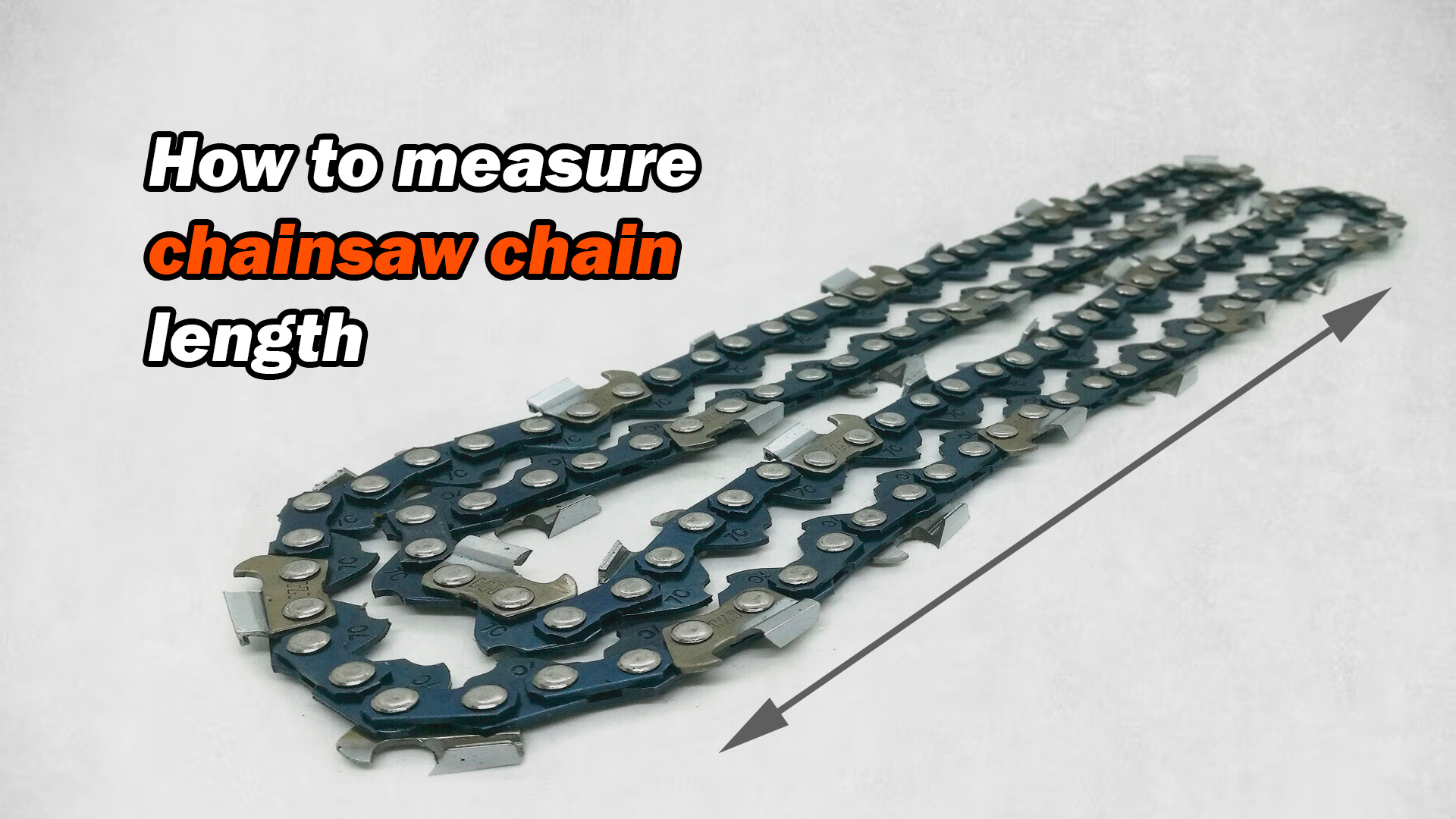
Image Source: www.chainsaw.parts
Deciphering Chainsaw Chain Measurements
A chainsaw chain is a critical component, and its accurate measurement is vital for proper function and safety. When you need to replace your chain, or if you’re trying to figure out the specifications of a new one, knowing how to measure it correctly will save you time, money, and frustration. The primary measurements you need to focus on are the chain’s pitch, gauge, and the number of drive links. These three factors are the core of chainsaw chain specifications.
Measuring Chainsaw Chain Pitch
The chainsaw chain pitch is a fundamental measurement that dictates how the chain engages with the sprocket and the bar. It is defined as the distance between the centers of any three consecutive rivets, divided by two.
How to Measure Pitch
- Identify Three Consecutive Drive Links: Look for the drive links, which are the parts of the chain that sit in the groove of the guide bar.
- Locate Three Consecutive Rivets: Focus on the rivets that connect these drive links.
- Measure from the Center of the First Rivet to the Center of the Third Rivet: Use a ruler or measuring tape for this.
- Divide the Measurement by Two: The result is the chain’s pitch.
Why is Pitch Important?
The pitch of the chain must match the pitch of the drive sprocket and the guide bar for the chain to feed properly. If the pitch is incorrect, the chain will not engage correctly, leading to poor cutting performance, premature wear on the chain and bar, and potentially dangerous situations. Common pitches include 3/8-inch, .325-inch, and 1/4-inch.
Measuring Chainsaw Chain Gauge
The chainsaw chain gauge refers to the thickness of the drive link’s tang, which fits into the groove of the guide bar. This measurement is critical because the drive link must fit snugly within the bar groove without being too loose or too tight.
How to Measure Gauge
- Inspect a Drive Link: Locate a drive link on your chain.
- Measure the Thickness of the Tang: The tang is the part of the drive link that extends down and fits into the guide bar.
- Use a Caliper or Specialized Gauge: A digital caliper is ideal for this, but specialized chain gauges are also available. Measure the thickness of the metal at its thickest point.
Common Gauge Sizes:
The most common chainsaw chain gauges are .050 inches (or 1.3mm) and .058 inches (or 1.5mm). Other sizes exist, but these are prevalent.
Why is Gauge Important?
An incorrect gauge can cause significant problems. If the gauge is too thin, the drive link won’t sit securely in the bar groove, leading to chain derailment. If the gauge is too thick, the chain won’t move freely, causing friction, heat, and eventual damage to both the chain and the guide bar. It’s essential that the chain gauge matches the groove width of your guide bar.
Measuring Chainsaw Chain Length (Drive Links)
The chainsaw chain length is typically measured by the number of chainsaw drive links. These are the individual links that engage with the sprocket and sit in the guide bar groove. It’s not measured in inches or centimeters like you might initially think.
How to Count Drive Links
- Lay the Chain Flat: Spread the chain out on a clean, flat surface.
- Identify a Starting Point: Pick any drive link.
- Count Each Drive Link: Follow the chain and count every drive link until you return to your starting point. Make sure you are counting only the drive links, not the cutter links or any other part of the chain.
Why is Drive Link Count Important?
The number of drive links determines the overall length of the chain. This length needs to correspond to the chainsaw bar length and the specific sprocket size on your chainsaw. A chain that is too short won’t fit around the bar and sprocket. A chain that is too long will overlap itself, making it impossible to tension correctly and leading to rapid damage and potential failure. The number of drive links is usually stamped on the guide bar or found in the chainsaw’s manual.
Identifying Chainsaw Chain Size
Identifying chainsaw chain correctly is paramount for a successful chainsaw chain replacement. Beyond the pitch, gauge, and drive links, other factors can influence the type of chain you need.
Reading the Markings on Your Old Chain
Often, the chainsaw chain specifications are stamped directly onto the chain itself.
- Pitch and Gauge: You’ll typically find the pitch and gauge stamped on one of the drive links. For example, you might see “3/8 .050” or “.325 .058”.
- Manufacturer Information: Some chains may also have manufacturer logos or model numbers.
Consulting Your Chainsaw Manual
Your chainsaw’s owner’s manual is an invaluable resource. It will explicitly state the recommended chain specifications, including:
- The correct chainsaw chain pitch.
- The required chainsaw chain gauge.
- The recommended chainsaw bar length.
- The necessary number of drive links for your specific model.
Checking the Guide Bar
The guide bar itself often carries markings indicating the required chain specifications. Look at the base of the guide bar, near the mounting area. You should find etched or stamped information detailing:
- The compatible chainsaw chain pitch.
- The correct chainsaw chain gauge.
- The length of the guide bar, usually in inches or centimeters.
Putting It All Together: The Complete Chainsaw Chain Size
To accurately measure and identify the correct chainsaw chain, you need to combine all these measurements. A complete set of chainsaw chain specifications will look something like this:
Example Specification: 3/8″ pitch, .050″ gauge, 72 drive links.
This tells you:
* Pitch: 3/8 inch
* Gauge: 0.050 inch
* Length: The chain has 72 drive links.
The Role of Chainsaw Bar Length
The chainsaw bar length is directly related to the chain length. While you measure the chain by its drive links, the bar is measured from the front tip to where it mounts to the saw. A longer bar requires a longer chain (more drive links) to wrap around it and engage the sprocket. Always ensure the chain you purchase is compatible with your specific bar length and its corresponding drive link count.
Common Chainsaw Chain Measurement Scenarios
When faced with the need for a chainsaw chain replacement, you might encounter a few situations:
1. You Have the Old Chain
This is the ideal scenario. You can directly measure the pitch and gauge and count the drive links as described above.
2. You Only Have the Chainsaw
If the old chain is lost or damaged beyond recognition, you’ll need to rely on the chainsaw itself.
- Check the Guide Bar: As mentioned, the bar usually has the required chain specifications stamped on it.
- Consult the Owner’s Manual: This is your next best bet.
- Manufacturer’s Website or Customer Service: If you can identify the chainsaw’s make and model, you can often find this information online or by contacting the manufacturer.
3. You’re Buying a New Chain as a Spare
Even if your current chain is working fine, having a spare is a good idea. In this case, you’ll use the methods above to determine the chainsaw chain size of your existing chain and purchase an identical one.
Tools for Accurate Chainsaw Chain Measurement
To ensure you get the most accurate measurements for your chainsaw chain, having the right tools is essential.
Essential Tools:
- Steel Ruler or Measuring Tape: For measuring the distance between rivets (pitch). A ruler marked in 1/16th or 1/32nd of an inch is helpful.
- Digital Caliper: The most accurate tool for measuring the gauge (thickness) of the drive link tang.
- Chainsaw Chain Gauge Tool: These specialized tools often have notches or markings for common pitch and gauge sizes, making identification quicker.
- Magnifying Glass: Can be helpful for reading faint markings on the chain or bar.
Measuring Pitch with a Ruler:
When using a ruler to measure pitch, ensure you are measuring from the center of one rivet to the center of the third rivet. Then, divide that measurement by two.
Example: If the distance from the center of rivet 1 to the center of rivet 3 is 3/4 inch (0.75 inches), then the pitch is 0.75 / 2 = 0.375 inches, which is equivalent to 3/8 inch.
Why Accurate Measurement Matters
Using the correct chainsaw chain is not just about performance; it’s a critical safety issue.
- Safety: An improperly sized chain can derail, leading to kickback, a sudden, violent upward and backward movement of the chainsaw. This can cause severe injury to the operator.
- Performance: The wrong chain will cut poorly, bog down the engine, and make your work much harder.
- Equipment Longevity: Using the correct pitch, gauge, and length ensures that the chain, sprocket, and guide bar wear evenly and last longer. Incorrect measurements can lead to premature wear and damage to all these components.
- Fuel Efficiency: An efficient chain cuts with less resistance, meaning your chainsaw’s engine doesn’t have to work as hard, saving fuel.
Frequently Asked Questions (FAQ) about Chainsaw Chain Measurement
Q1: Can I use a chain with a different pitch or gauge than what’s recommended?
No, it is not recommended. Using a chain with an incorrect chainsaw chain pitch or chainsaw chain gauge can lead to severe damage to your chainsaw and is a significant safety hazard. The pitch ensures proper engagement with the sprocket, and the gauge ensures a correct fit in the guide bar groove.
Q2: How do I know if my chain is too long or too short?
If your chain is too long, you won’t be able to tension it properly. The tensioning mechanism will run out of adjustment before the chain is snug against the bar. If it’s too short, it will be impossible to fit it around the bar and sprocket in the first place. The correct number of drive links, corresponding to your chainsaw bar length, is crucial.
Q3: What happens if the gauge of my chain doesn’t match the groove in my guide bar?
If the gauge is too thick, the chain will bind in the bar groove, creating excessive friction and heat, which can damage both the chain and the bar. If the gauge is too thin, the chain will be loose in the groove, leading to poor performance, premature wear, and the risk of the chain derailing.
Q4: Is there a difference between measuring a new chain and an old chain?
The measurement principles are the same. However, with an old chain, you might need to clean it first to see any stamped markings. For a new chain, the specifications should be clearly printed on the packaging. When identifying chainsaw chain, always rely on the manufacturer’s specifications if possible.
Q5: Where can I find the recommended chainsaw chain specifications for my saw?
The best place to find this information is your chainsaw’s owner’s manual. If you don’t have the manual, check the chainsaw’s body or the guide bar for stamped specifications. The manufacturer’s website or customer support can also provide this information if you have the model number.
Q6: My guide bar has “3/8LP” stamped on it. What does “LP” mean?
“3/8LP” typically stands for “3/8 Low Profile.” This indicates a specific type of 3/8-inch pitch chain that is designed for smaller, lighter-duty chainsaws. It’s still measured by pitch, gauge, and drive links, but it’s important to match the “LP” designation for proper compatibility.
Q7: Can I measure chainsaw chain pitch by just looking at it?
While experience can help you visually estimate chain pitch, it’s not accurate enough for a reliable measurement. Always use a measuring tool like a ruler or caliper for precise measurements of chainsaw chain pitch and gauge.
Q8: If I replace my guide bar, do I need to change my chain?
Not necessarily. You only need to change your chain if the new guide bar requires different chainsaw chain specifications (pitch or gauge). For example, if you switch to a longer bar of the same pitch and gauge, you will need a longer chain with more drive links. If you switch to a different pitch or gauge, you will need a chain that matches the new bar’s specifications.
By accurately measuring your chainsaw chain’s pitch, gauge, and length (drive links), you ensure optimal performance, safety, and longevity for your equipment, making any chainsaw chain replacement a straightforward process.