
Can you prevent hammer toes? Yes, in many cases, hammer toes can be prevented or their progression slowed by making wise choices about your footwear and adopting good foot care habits.
Hammer toes are a common foot deformity where one or more of your smaller toes bend abnormally at the middle joint, causing them to resemble a hammer. This condition can lead to pain, discomfort, and difficulty finding comfortable shoes. While some factors contributing to hammer toes, like genetics and certain medical conditions, are beyond your direct control, a proactive approach can significantly reduce your risk or prevent them from worsening.
Image Source: my.clevelandclinic.org
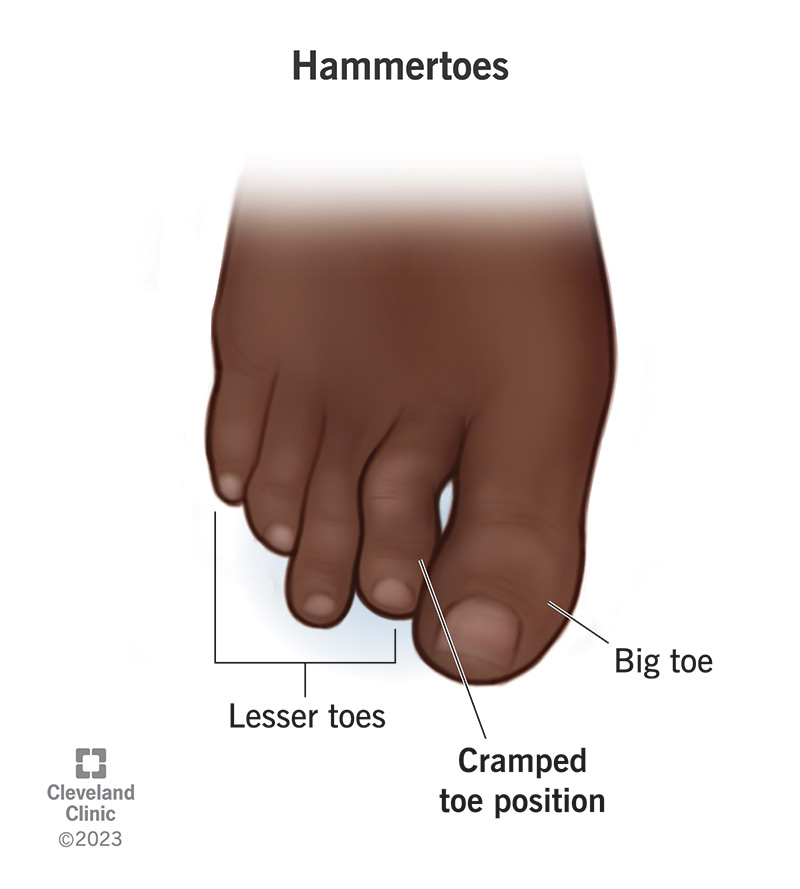
Why Do Hammer Toes Happen?
To prevent hammer toes, it’s helpful to grasp why they occur in the first place. It’s often a combination of factors.
The Role of Footwear
Your footwear plays a crucial role in both developing and preventing hammer toes.
Ill-Fitting Shoes
- Too tight: Shoes that are too short or narrow force your toes into a cramped position. Over time, this constant pressure can lead to the muscles and tendons in your toes becoming imbalanced, causing them to bend.
- High heels: High heels push your foot forward, jamming your toes into the front of your shoes. This repeated stress can exacerbate the bend in your toe joints.
- Lack of support: Shoes without adequate arch support can affect your gait and foot mechanics, indirectly contributing to toe deformities.
Pointed or Narrow Toe Boxes
These types of shoes squeeze your toes together, increasing the likelihood of developing hammer toes.
Muscle and Tendon Imbalances
Hammer toes occur when the muscles and tendons in your toes become shorter or tighter than usual. This imbalance pulls your toe into a bent position. This can be caused by:
- Foot structure: Some people are born with a longer second toe, making it more susceptible to conditions like hammer toe.
- Injury: A stubbed toe or a broken toe can sometimes lead to changes in muscle and tendon function, resulting in a hammer toe.
- Arthritis: Conditions like arthritis can cause inflammation and damage to the joints in your toes, leading to deformities such as hammer toes.
Other Contributing Factors
- Bunions: Bunions, a bony bump that forms at the base of your big toe, can push your other toes out of alignment, increasing the risk of hammer toes.
- Corns and Calluses: These thickened areas of skin often form as a result of friction from ill-fitting shoes. They can indicate that your toes are being rubbed or pressed in ways that contribute to their abnormal bending.
- Nerve damage: Conditions that affect your nerves, such as diabetes, can lead to loss of sensation and muscle weakness in your feet, making them more prone to deformities.
- Genetics: While not the sole cause, a family history of foot problems, including hammer toes, can increase your predisposition.
Practical Steps for Hammer Toe Prevention
Now that we know the causes, let’s delve into how to prevent hammer toes. The key lies in making smart choices and being mindful of your foot health.
Choosing the Right Footwear
This is arguably the most important step in preventing hammer toes.
What to Look For in Shoes
- Wide toe box: Ensure there’s plenty of room for your toes to wiggle and spread naturally. Avoid narrow or pointed toe styles.
- Adequate length: Your toes should not be touching the front of the shoe. There should be about a thumb’s width of space between your longest toe and the end of the shoe.
- Low heels: Opt for shoes with heels no higher than 1-2 inches. Avoid stilettos or very high heels for daily wear.
- Good support: Look for shoes with good arch support and cushioning to help maintain proper foot alignment.
- Flexible sole: The sole should bend with your foot, not resist it.
- Adjustable closures: Laces or Velcro straps allow you to adjust the fit for optimal comfort and support.
Shoes to Avoid
- High heels: As mentioned, these are a major culprit.
- Pointed or narrow toe shoes: These squeeze your toes.
- Tight-fitting shoes: They restrict toe movement.
- Shoes without support: They can lead to poor foot mechanics.
Maintaining Healthy Foot Habits
Beyond footwear, other habits contribute to healthy feet.
Regular Stretching and Exercises
Gentle stretching can help keep your toe muscles and tendons flexible.
- Toe curls: Sit with your feet flat on the floor. Try to curl your toes under. Hold for a few seconds, then relax. Repeat several times.
- Towel scrunches: Place a small towel on the floor. Sit with your feet on the towel and use your toes to scrunch the towel towards you.
- Marble pickups: Place marbles on the floor and try to pick them up with your toes.
Keeping Feet Clean and Dry
- Wash daily: Wash your feet with mild soap and water.
- Dry thoroughly: Pay special attention to drying between your toes to prevent fungal infections.
- Moisturize: Apply lotion to your feet, but avoid putting it between your toes.
Wearing the Right Socks
- Seamless socks: Avoid socks with thick seams that can rub and cause irritation.
- Moisture-wicking materials: Cotton or wool socks can help keep your feet dry.
When to Consider Orthotics
Orthotics, which are custom or over-the-counter inserts for your shoes, can be a valuable tool in prevention and management.
- Arch support: Orthotics can provide much-needed arch support, helping to correct imbalances in your foot’s structure that might contribute to hammer toes.
- Correcting alignment: They can help realign your foot and toe positions, reducing pressure points and abnormal bending.
- Cushioning: Some orthotics offer extra cushioning to absorb shock and prevent friction.
It’s often best to consult with a podiatrist to determine if orthotics are right for you and to get properly fitted orthotics.
Managing Underlying Conditions
If you have conditions like arthritis, bunions, or diabetes, managing these effectively is crucial for preventing secondary foot problems like hammer toes.
- Arthritis: Work with your doctor on pain management and keeping joints as flexible as possible.
- Bunions: Wearing shoes with a wider toe box can reduce pressure on your bunion and prevent it from worsening or affecting other toes.
- Diabetes: Regular foot checks and good blood sugar control are vital to prevent nerve damage that can lead to foot deformities.
Recognizing Early Signs and Symptoms
Being aware of early warning signs can help you intervene before a hammer toe becomes severe.
What to Watch For
- Toe Pain: A persistent ache or discomfort in the middle joint of your toe.
- Corns or Calluses: The development of hardened skin on the top of your bent toe or on the sole of your foot where the toe joint presses down. These are often indicators of pressure and friction.
- Redness or Swelling: Inflammation around the affected toe joint.
- Stiffness: Difficulty straightening or flexing the toe.
- A visible bend: The toe starts to look noticeably curved.
What to Do If You Notice Early Signs
- Change your footwear immediately: Switch to comfortable, well-fitting shoes with a wide toe box and low heels.
- Gentle stretching: Incorporate toe stretches into your daily routine.
- Padding: Use moleskin or protective pads to cushion any corns or calluses that develop.
- Consult a professional: If the pain or deformity persists, see a podiatrist. They can offer advice, recommend orthotics, or suggest other non-surgical treatments.
When Prevention Isn’t Enough: Treatment Options
Sometimes, despite best efforts, hammer toes can still develop or worsen. While this guide focuses on prevention, it’s helpful to know what happens if prevention fails.
Non-Surgical Treatments
These aim to manage pain and prevent further progression.
- Appropriate Footwear: This is always the first line of defense.
- Padding: Moleskin or gel pads can relieve pressure and prevent corns and calluses.
- Stretching: Continued stretching can help maintain flexibility.
- Orthotics: As discussed, orthotics can provide support and realign the foot.
- Splinting or Taping: Sometimes, a podiatrist may recommend taping or splinting the toe to help keep it in a straighter position.
Surgical Intervention
If non-surgical methods fail to relieve pain or if the deformity is severe, surgery might be considered.
- What surgery involves: Surgery typically aims to rebalance the tendons and muscles or to straighten the bent bone.
- Types of surgery: Procedures might involve cutting tendons, removing small sections of bone, or fusing joints.
- When is it considered: Surgery is usually reserved for cases where pain significantly impacts daily life and other treatments have not been effective. Prevention is always the preferred route to avoid the need for surgery.
Factors That Influence Prevention Success
Several elements can affect how successful your prevention efforts will be.
Genetics and Predisposition
If you have a strong family history of foot deformities, you might be more prone to developing hammer toes, even with diligent prevention. However, good footwear and care can still significantly mitigate the risk.
Severity of Existing Deformities
If you already have a significant bend or other foot issues like bunions or arthritis, prevention might focus more on slowing progression and managing symptoms rather than complete avoidance.
Consistency of Care
Regularly wearing proper shoes, performing stretches, and addressing any developing corns or calluses are key. Sporadic efforts are less likely to yield good results.
Early Intervention
The earlier you start prevention strategies, the more effective they will be. Addressing minor toe pain or initial signs of bending can prevent more serious issues down the line.
Key Takeaways for Hammer Toe Prevention
To summarize, preventing hammer toes is about mindful choices and consistent care.
- Prioritize Footwear: Always choose shoes that fit well, have a wide toe box, and offer good support.
- Listen to Your Feet: Pay attention to any pain, discomfort, or changes in your toes.
- Stay Active and Flexible: Regular stretching exercises can help maintain toe mobility.
- Manage Underlying Conditions: Address arthritis, bunions, and other health issues that affect your feet.
- Seek Professional Advice: Don’t hesitate to consult a podiatrist for guidance or if you notice early symptoms.
By following these steps, you can significantly reduce your risk of developing painful hammer toes and keep your feet comfortable and healthy for years to come.
Frequently Asked Questions (FAQ)
What are the earliest signs of hammer toes?
The earliest signs often include pain or discomfort in the middle joint of a toe, especially when wearing shoes. You might also notice a slight stiffness or an inability to fully straighten the toe. The development of small corns or calluses on the top of the bent toe or the ball of your foot is also an early indicator.
Can wearing flip-flops cause hammer toes?
While flip-flops themselves might not directly cause hammer toes, they offer very little support and can contribute to foot strain. Constantly gripping with your toes to keep them on your feet can, over time, lead to muscle imbalances that may encourage toe bending. It’s best to wear supportive shoes for most activities.
If my parents had hammer toes, will I get them?
Genetics can play a role, meaning you might have a higher predisposition. However, it’s not a guarantee. Environmental factors, especially footwear, are very significant. By choosing proper shoes and maintaining good foot care, you can often prevent or delay the onset of hammer toes, even with a genetic link.
How can I tell if my shoes are causing my toe problems?
If your toes feel cramped, numb, or tingly after wearing shoes, or if you develop corns or calluses in specific spots, your shoes are likely the cause. Look for shoes that are too tight, too short, or have narrow toe boxes.
Are orthotics helpful for preventing hammer toes?
Yes, orthotics can be very helpful in prevention. They can provide arch support, improve foot alignment, and cushion pressure points, all of which can help prevent the muscle imbalances that lead to hammer toes. Custom orthotics prescribed by a podiatrist are often the most effective.
What if I already have a hammer toe? Can I still prevent it from getting worse?
Absolutely. Even if you already have a mild hammer toe, you can take steps to prevent it from worsening. This primarily involves wearing the right kind of footwear, performing regular toe exercises, and using padding or orthotics as recommended by a podiatrist. Early intervention is key to slowing progression.
Is surgery the only way to fix a hammer toe?
No, surgery is typically a last resort. Many hammer toes can be managed effectively with non-surgical treatments, including proper footwear, padding, stretching exercises, and orthotics. Surgery is usually considered only when pain is severe and significantly impacts your quality of life, and conservative treatments have failed.