
Starting a Husqvarna chainsaw for the first time can seem a bit daunting, but with a clear guide, it becomes a simple process. The core steps involve preparing the saw, ensuring it has the correct fuel and oil mixture, engaging the starter mechanisms, and then pulling the starter cord. We will walk you through each stage to make Husqvarna chainsaw startup straightforward.
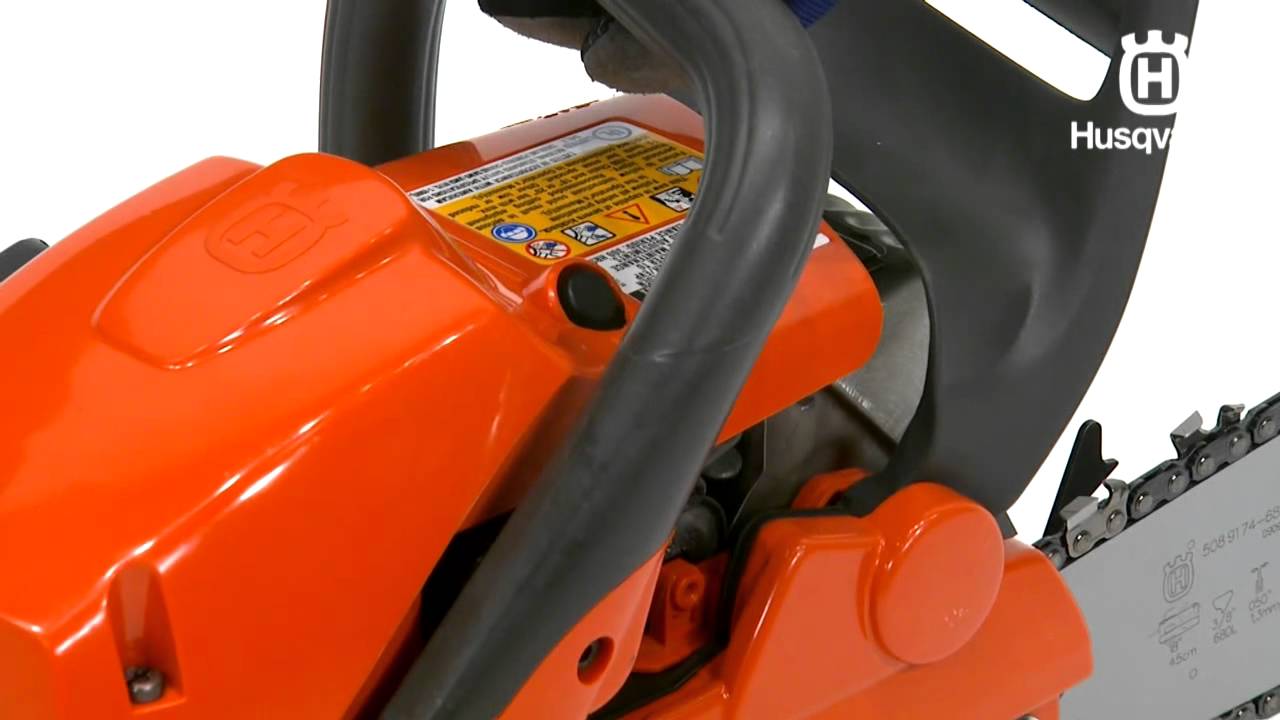
Image Source: i.ytimg.com
Preparing Your Chainsaw for Action
Before you even think about pulling the starter cord, there are crucial preparation steps. This ensures your safety and the longevity of your chainsaw. Think of this as building a solid foundation for successful chainsaw engine start.
Safety First: Gear Up!
Husqvarna chainsaw safety is paramount. Never start your chainsaw without the proper protective gear. This is non-negotiable.
- Eye Protection: Always wear safety glasses or a face shield. Chainsaw operation can send wood chips and debris flying.
- Hearing Protection: Chainsaws are loud. Use earplugs or earmuffs to prevent hearing damage.
- Hand Protection: Wear sturdy work gloves. They improve your grip and protect your hands.
- Leg Protection: Chainsaw chaps or protective trousers are essential. They are designed to stop a moving chain.
- Foot Protection: Steel-toed boots with slip-resistant soles are a must.
- Head Protection: A hard hat is recommended, especially when felling trees.
Choosing the Right Location
Where you start your chainsaw matters.
- Open Area: Start the chainsaw in a well-ventilated, open space, away from flammable materials like dry leaves or sawdust.
- Flat Surface: Place the chainsaw on a stable, flat surface. This prevents it from tipping over.
- Clearance: Ensure there are no people or animals nearby. Keep a safe distance of at least 10 feet.
Checking the Chainsaw’s Condition
A quick inspection can prevent problems later. This is a vital part of Husqvarna chainsaw maintenance.
- Chain Tension: The saw chain should be snug but not overly tight. You should be able to pull it by hand around the bar, but it shouldn’t sag.
- Bar and Chain Oil: Ensure the oil reservoir is full. The saw needs oil to lubricate the chain and bar as it cuts.
- Air Filter: A clean air filter is crucial for proper chainsaw engine start. Check it for debris and clean or replace it if necessary.
- Spark Plug: Make sure the spark plug is clean and properly gapped.
- General Inspection: Look for any loose parts or damage.
The Essential Mix: Chainsaw Fuel and Oil
Proper fuel and oil are the lifeblood of your chainsaw. Incorrect mixtures can damage the engine. For Husqvarna chainsaws, using the right chainsaw fuel and oil is critical.
Fuel Mixture: The Golden Ratio
Husqvarna chainsaws typically use a two-stroke engine, which requires a mixture of gasoline and special two-stroke oil.
- Type of Gasoline: Use fresh, unleaded gasoline with an octane rating of 87 or higher. Avoid using gasoline with ethanol content higher than 10% if possible, as it can degrade fuel system components over time.
- Type of Two-Stroke Oil: Always use a high-quality, air-cooled two-stroke engine oil specifically designed for chainsaws. Husqvarna recommends their XP® oil for optimal performance. Never use outboard motor oil or automotive oil.
- The Mixing Ratio: The most common ratio for Husqvarna chainsaws is 50:1. This means 50 parts gasoline to 1 part two-stroke oil. Always check your chainsaw’s owner’s manual for the exact recommended ratio.
- Example: For 1 gallon (128 ounces) of gasoline, you would mix 2.56 ounces (128 / 50) of two-stroke oil.
Mixing Procedure
- Use a Certified Mixing Container: Always use a clean, approved fuel mixing container.
- Add Gas First: Pour the correct amount of gasoline into the container.
- Add Oil Next: Carefully add the measured amount of two-stroke oil.
- Seal and Shake: Securely seal the container and shake it vigorously for at least 30 seconds to ensure the oil and gas are thoroughly mixed.
- Fill the Tank: Pour the mixed fuel into the chainsaw’s fuel tank. Do not overfill.
Bar and Chain Lubrication
The bar and chain oil system is separate from the fuel.
- Bar and Chain Oil Type: Use a specialized bar and chain oil. These oils are tackier than regular motor oil, meaning they stick to the chain and bar, providing constant lubrication.
- Filling the Tank: Locate the bar and chain oil reservoir cap (usually marked with an oil can symbol) and fill it with bar and chain oil.
The Step-by-Step Guide to Starting Your Husqvarna Chainsaw
Now that your chainsaw is prepared and fueled, it’s time to get it running. Following these steps carefully will ensure a successful Husqvarna chainsaw startup. This section details the proper chainsaw starting technique.
Step 1: Engage the Choke
The choke helps to enrich the fuel-air mixture, making it easier for a cold engine to start.
- Locate the Choke Lever: On most Husqvarna chainsaws, the choke lever is near the carburetor. It usually has positions for “cold start” (closed choke) and “warm start” (open choke).
- Move to “Cold Start” Position: For a cold engine, push the choke lever to the fully closed position. This restricts airflow.
Step 2: Engage the Primer Bulb (If Equipped)
Many modern Husqvarna chainsaws have a primer bulb. This is a small rubber bulb that pumps fuel into the carburetor to aid starting.
- Locate the Primer Bulb: It’s a transparent or semi-transparent rubber bulb located near the carburetor.
- Press the Bulb: Press the primer bulb repeatedly (usually 5-10 times) until you see fuel filling the bulb and moving into the carburetor. This is how to prime a chainsaw effectively.
Step 3: Engage the Combination Lever (If Equipped)
Some Husqvarna models have a combined choke and throttle lock.
- Locate the Lever: This lever typically controls both the choke and a semi-throttle position.
- Set the Lever: Move the lever to the “start” or “choke” position, which usually activates the closed choke and a slight throttle opening.
Step 4: Position the Chainsaw for Starting
Proper placement is crucial for both safety and efficiency.
- Secure Grip: Place your right foot through the rear handle loop for stability.
- Left Hand on Top Handle: Firmly grip the top handle with your left hand. Keep your arm straight.
- Keep Saw on the Ground: Ensure the chainsaw is on a firm, flat surface, with the chain brake engaged or disengaged as per your model’s instructions (refer to your manual). Most manuals recommend engaging the chain brake for starting.
Step 5: Pull the Starter Cord
This is the action that fires up the engine.
- Smooth, Firm Pull: Grip the starter cord handle with your right hand.
- Pull Steadily: Pull the starter cord smoothly and firmly until you feel resistance.
- Quick, Sharp Pull: Then, give it a quick, sharp pull.
- Repeat if Necessary: You may need to repeat this a few times.
Step 6: Disengage the Choke (After First Firing)
Once the engine sputters or fires, it’s time to adjust the choke.
- Listen for the Engine: If the engine starts to run, or even just coughs, it’s received enough fuel.
- Move Choke to “Run” or “Open”: Immediately move the choke lever back to the “run” or open position. This allows more air into the engine.
- Engage Throttle Briefly: Gently press the throttle trigger a couple of times to ensure the engine continues to run smoothly and that the choke is fully open.
Step 7: Allow the Engine to Warm Up
Letting the engine run for a short period helps it reach optimal operating temperature.
- Idle Smoothly: The chainsaw should be idling smoothly. If it sounds rough or stalls, you may need to repeat the starting sequence, possibly with the choke slightly open.
- Disengage Chain Brake (If Engaged): Once the engine is running smoothly and warming up, you can disengage the chain brake when ready to operate.
Understanding Your Husqvarna Chainsaw’s Features
Different Husqvarna models have varying features that can simplify the starting process. Knowing these can greatly assist with Husqvarna chainsaw operation.
AutoReturn™ Choke
Some Husqvarna chainsaws feature an AutoReturn™ choke. After the engine fires, the choke automatically returns to the “run” position with a slight pull of the starter cord, simplifying the process of starting a new Husqvarna chainsaw.
Smart Start®
This technology is designed to reduce the pulling force needed on the starter cord. By optimizing the engine’s compression, it makes starting significantly easier.
Air Injection™
This system centrifugally removes dust and debris from the air before it reaches the air filter. This extends the life of the air filter and ensures consistent engine performance, reducing the likelihood of starting issues.
Troubleshooting Common Starting Problems
Even with the best intentions, sometimes a chainsaw won’t start. Here’s some chainsaw troubleshooting for common issues.
| Problem | Possible Cause | Solution |
|---|---|---|
| Chainsaw won’t fire at all | No fuel; incorrect fuel mixture; spark plug issue | Check fuel level; ensure correct fuel/oil mix; check spark plug for damage, carbon buildup, or incorrect gap; clean or replace as needed. |
| Chainsaw fires but won’t stay running | Choke left on; air leak; clogged carburetor | Move choke to “run” position; check for air leaks in fuel lines or intake; clean carburetor or seek professional service. |
| Starter cord is hard to pull | Compression release engaged; engine seized | Ensure compression release is not stuck; if engine is seized, do not force; seek professional repair. |
| Engine floods (too much fuel) | Over-priming; choke left on too long | Let engine sit for a few minutes; start with choke in the “run” position; if still flooded, remove spark plug and dry it. |
| Spark plug is wet and black | Rich fuel mixture; carburetor issue | Use correct fuel/oil ratio; clean carburetor; ensure choke is not stuck in the “on” position. |
What if the Spark Plug is Wet?
If you pull the starter cord and the spark plug is wet, it means the engine is flooded with too much fuel.
- Action: Remove the spark plug, dry it off with a clean cloth, and allow the cylinder to air out for a few minutes. Then, try starting the chainsaw again with the choke in the “run” position.
What if the Spark Plug is Dry?
If the spark plug is dry after attempting to start, it suggests that fuel is not reaching the combustion chamber.
- Action: Ensure the primer bulb is working and that there is fuel in the tank. Check that the fuel filter is not clogged.
Maintaining Your Husqvarna Chainsaw for Easy Starts
Regular Husqvarna chainsaw maintenance is key to ensuring it starts reliably every time.
Fuel System Care
- Use Fresh Fuel: Always use fresh fuel and mix your fuel/oil mixture just before use. Stale fuel can clog the carburetor and fuel lines.
- Clean Fuel Filter: Replace or clean the fuel filter regularly. A clogged filter restricts fuel flow.
- Carburetor Cleaning: If you experience persistent starting problems, the carburetor might need cleaning or adjustment. This is often best left to a qualified service center.
Ignition System Care
- Spark Plug Maintenance: Inspect the spark plug regularly. Clean away any carbon deposits and check the gap. Replace it if it shows signs of wear or damage.
- Spark Plug Wire: Ensure the spark plug wire is securely connected and not damaged.
Air Filtration
- Clean Air Filter: A dirty air filter restricts airflow, making it harder for the engine to start and run. Clean or replace it according to your owner’s manual’s recommendations. This is a crucial step for chainsaw engine start.
Frequently Asked Questions (FAQ)
How long should I prime my Husqvarna chainsaw?
You should press the primer bulb 5-10 times, or until you see fuel fill the bulb and move towards the carburetor.
Can I start my Husqvarna chainsaw indoors?
No, never start a chainsaw indoors. The exhaust contains carbon monoxide, a dangerous gas, and there’s a risk of fire from fuel vapors or sparks. Always start your chainsaw in a well-ventilated outdoor area.
What is the best way to start a Husqvarna chainsaw that is warm?
For a warm engine, you typically don’t need to engage the choke. If your model has a manual choke, leave it in the “run” or open position. If it has an AutoReturn™ choke, it will likely automatically return to the run position after the initial pull.
Do I need to engage the chain brake when starting?
Most manufacturers, including Husqvarna, recommend engaging the chain brake when starting the chainsaw. This prevents the chain from accidentally spinning when the engine starts, which is a critical Husqvarna chainsaw safety measure. You can then disengage it once the engine is running smoothly and you are ready to use the saw.
My Husqvarna chainsaw won’t start even after following all the steps. What should I do?
If you’ve tried all the troubleshooting steps and your chainsaw still won’t start, it’s time to seek professional help. There might be a more complex issue with the carburetor, ignition system, or engine that requires specialized knowledge. This is also relevant for starting a new Husqvarna chainsaw if initial attempts fail.
By following these detailed steps and prioritizing safety and maintenance, you can confidently start and operate your Husqvarna chainsaw. Remember to always consult your specific model’s owner’s manual for detailed instructions and safety information.