
Can you use a table saw safely? Yes, you absolutely can. The key to safe table saw operation lies in preparation, proper technique, and a constant focus on safety. It’s a powerful tool that demands respect, but with the right knowledge and practices, it becomes an indispensable asset in any woodworking shop.
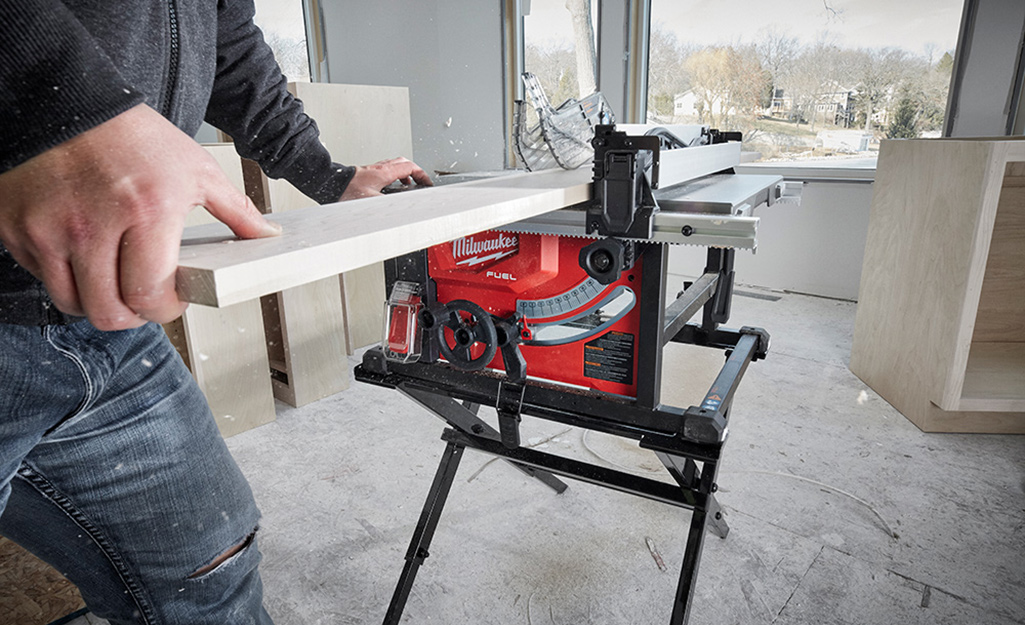
Image Source: contentgrid.homedepot-static.com
Getting to Know Your Table Saw
A table saw is a stationary woodworking machine that features a circular saw blade protruding through a table. The blade is driven by an electric motor. It’s designed for making straight cuts, such as ripping (cutting lumber along the grain) and crosscutting (cutting across the grain).
Key Components and Their Purpose
To use a table saw safely, you first need to familiarize yourself with its parts and how they function.
- Table: The flat surface where you place your wood. It should be flat and free of debris.
- Blade: The cutting component. Various table saw blades exist for different types of cuts.
- Arbor: The shaft on which the blade is mounted.
- Motor: Powers the blade. It can be belt-driven or direct-drive.
- Fence: A guide that runs parallel to the blade. It’s crucial for ripping accurately and safely.
- Miter Gauge: A tool that slides in a slot on the table and holds the workpiece at an angle to the blade for crosscutting. A good table saw miter gauge is essential for precision.
- Blade Guard: A safety device that covers the blade when it’s not in use and can also help with dust collection.
- Riving Knife or Splitter: A metal piece positioned directly behind the blade. It prevents kickback by keeping the kerf (the slit made by the blade) open. This is a critical safety feature.
- Anti-Kickback Pawls: Small, spring-loaded teeth that dig into the wood to prevent it from being thrown back towards the operator.
- Power Switch: Easily accessible, usually with a large, brightly colored ON/OFF button.
- Extension Wings: Provide a larger supporting surface for longer workpieces.
Prioritizing Table Saw Safety: Your Top Concern
Table saw safety isn’t just a suggestion; it’s a fundamental requirement. A table saw is one of the most dangerous tools in a workshop if not handled correctly. Every action you take should be with safety in mind.
Essential Safety Gear
Before you even think about turning on the saw, you must put on the right safety gear.
- Safety Glasses or Goggles: Protect your eyes from flying sawdust and debris.
- Hearing Protection: Table saws are loud and can cause hearing damage over time. Earplugs or earmuffs are essential.
- Dust Mask or Respirator: Protects your lungs from fine wood dust, which can be harmful.
- Close-Fitting Clothing: Avoid loose sleeves, baggy shirts, or jewelry that can get caught in the blade.
- Closed-Toe Shoes: Protect your feet from falling objects or accidental contact with the blade.
Pre-Operation Checks: No Shortcuts Allowed
Thoroughly inspect your table saw before each use. This is a non-negotiable step.
- Blade Inspection:
- Check the table saw blades for sharpness and damage. Dull blades require more force, increasing the risk of kickback.
- Ensure the blade is correctly installed, with the teeth pointing forward.
- Verify the blade is securely tightened on the arbor.
- Confirm the riving knife or splitter is in place and aligned with the blade.
- Table Surface: Make sure the table is clean and free of sawdust, scrap wood, or anything that could interfere with the workpiece.
- Fence and Miter Gauge: Ensure the table saw fence and table saw miter gauge move smoothly and lock securely in place.
- Blade Guard and Riving Knife: Confirm the blade guard is functioning properly and the riving knife is correctly aligned. Never remove these safety devices.
- Power Cord: Check for any damage to the power cord and plug.
Mastering Safe Cutting Techniques
Once your saw is ready and you are properly geared up, it’s time to learn safe cutting techniques.
The Importance of the Push Stick and Push Blocks
Kickback is one of the most dangerous hazards associated with table saws. It occurs when the wood being cut is suddenly thrown back towards the operator. This can happen for several reasons, including the wood pinching the blade, the offcut piece being too short to safely guide, or improper support.
- Table Saw Push Stick: A table saw push stick is your best friend for guiding wood through the blade, especially when cutting smaller pieces or ripping narrow boards. It keeps your hands far away from the blade’s path. Always use a push stick when your hands would come within 6 inches of the blade.
- Push Blocks: Similar to push sticks, push blocks provide downward pressure and forward momentum. They are particularly useful when crosscutting or when you need more control over the workpiece.
Safe Ripping Techniques
Ripping is a common table saw operation. Here’s how to do it safely:
- Set the Fence: Adjust the table saw fence to the desired width of your cut. Ensure it is locked firmly and is parallel to the blade. The fence should be set to the distance from the blade to the edge of the cut, not the distance to the side of the blade.
- Blade Height: Set the blade height so that the gullets (the spaces between the teeth) are just visible above the top of the wood. Too high a blade increases the risk of kickback.
- Starting the Cut: Place the wood firmly against the fence and the table. Start the saw and let it reach full speed before feeding the wood.
- Feeding the Wood: Push the wood through the blade smoothly and consistently. Keep the workpiece pressed against both the fence and the table throughout the cut.
- Using Push Aids: As the piece gets narrower, use a table saw push stick or push block to guide the wood past the blade. Do not use your fingers to push the wood.
- Support for Long Boards: For long boards, use outfeed supports or roller stands to prevent the wood from dropping and binding on the blade, which can cause kickback.
- Offcut Management: As the cut nears completion, the offcut piece can be unstable. Ensure it is supported and guided away from the blade, often with a push stick.
Safe Crosscutting Techniques
Crosscutting requires a different approach, primarily using the table saw miter gauge or a crosscut sled.
- Using the Miter Gauge:
- Insert the table saw miter gauge into one of the table slots. Ensure it slides smoothly.
- Set the miter gauge to the desired angle (typically 90 degrees for a square cut). Lock it securely.
- Place the workpiece against the miter gauge.
- Hold the workpiece firmly against the miter gauge and the table.
- Feed the workpiece into the blade.
- Crucially, never use the table saw fence when crosscutting with the miter gauge. The fence can cause the offcut to get trapped between the blade and the fence, leading to kickback. The only exception is when using a specialized crosscut jig or a table saw crosscut sled.
- Using a Table Saw Crosscut Sled: A table saw crosscut sled is a jig that provides a stable fence for crosscutting. It has a built-in fence that travels with the workpiece, eliminating the risk of the offcut binding against the main table saw fence. This is a much safer method for crosscutting than using the miter gauge alone for many applications.
- Blade Height: As with ripping, ensure the blade height is set appropriately.
- Feeding: Feed the wood smoothly. Once the cut is made, hold the workpiece with the cut-off piece and carefully remove them from the table.
Advanced Cuts and Specialty Blades
- Bevel Cuts: To make a bevel cut, tilt the table saw blade to the desired angle using the bevel adjustment mechanism. Always re-check the angle and ensure the locking mechanism is secure. Support the workpiece properly.
- Dado Blades: A table saw dado blade set allows you to cut wide grooves or notches in wood, like for shelving or joinery. Installing and using a dado blade requires specific precautions:
- Ensure your table saw is designed to accept dado blades (check your manual).
- Use a table saw dado blade insert for the table if your saw requires one.
- Adjust the riving knife or remove it and install a dado insert, depending on your saw’s design.
- Set the dado stack width precisely for the desired groove.
- Use push sticks and blocks for safety, as dado cuts can put more strain on the motor.
- Jigs and Fixtures: Various table saw jigs can enhance safety and accuracy. Examples include tenoning jigs, tapering jigs, and circle cutting jigs. Always follow the manufacturer’s instructions for using any table saw jig.
Managing Dust: A Health and Safety Imperative
Wood dust is not just messy; it’s a significant health hazard and a fire risk. Effective table saw dust collection is vital.
Why Dust Collection Matters
- Health: Inhaling fine wood dust can lead to respiratory problems, allergies, and even long-term diseases.
- Visibility: Dust can obscure your view of the cut line and the blade, increasing the risk of errors and accidents.
- Fire Hazard: Accumulations of sawdust can be highly flammable.
- Tool Performance: Dust can interfere with the smooth operation of your saw and other tools.
Dust Collection Methods
- Dust Port: Most modern table saws have a dust port, usually at the base of the saw. Connect a shop vacuum or a dedicated dust collector to this port.
- Blade Guard Collection: Some blade guards have integrated dust collection ports. Ensure these are connected to your dust collection system.
- Overarm Dust Collection: These systems attach to a boom that extends over the table saw, capturing dust directly from the blade guard, providing excellent dust management.
- Regular Cleaning: Even with a dust collection system, it’s crucial to regularly clean your table saw and workshop to remove accumulated dust.
Common Mistakes to Avoid
Learning what not to do is as important as learning what to do.
- Never Remove Safety Features: Do not remove the blade guard, riving knife, or pawls. They are there for your protection.
- Don’t Reach Over the Blade: Always use push sticks, push blocks, or a table saw crosscut sled to guide wood past the blade.
- Avoid Cutting Freehand: Always use the fence, miter gauge, or a jig to guide the workpiece. Freehand cutting is extremely dangerous.
- Don’t Stand Directly Behind the Blade: Position yourself to the side of the blade, not directly behind it, in case of kickback.
- Don’t Use Dull Blades: Sharp blades cut cleanly and reduce the force needed, minimizing kickback risk.
- Don’t Force the Wood: Let the saw do the work. Forcing the wood can cause binding and kickback.
- Never Crosscut with the Fence: Unless you are using a proper crosscut jig or sled, do not use the table saw fence as a guide for crosscutting.
- Don’t Leave the Saw Running Unattended: Always turn off the saw when you leave it.
- Avoid Distractions: Stay focused on the task at hand. No talking on the phone, listening to loud music that prevents you from hearing the saw, or horseplay.
- Don’t Cut Small Offcuts: If the offcut piece is too small to be safely guided by a push stick, reconsider the cut. It might be safer to rip a larger piece and then trim it down.
Maintaining Your Table Saw
Proper maintenance ensures your table saw remains safe and performs optimally.
Blade Care and Replacement
- Cleaning: Clean table saw blades periodically to remove resin buildup, which can affect cut quality and increase friction.
- Sharpening: Have dull blades sharpened by a professional or replace them.
- Replacement: Replace blades that are damaged, cracked, or have missing teeth immediately.
Other Maintenance Tasks
- Lubrication: Lubricate moving parts like the trunnions and arbor as per your saw’s manual.
- Alignment: Periodically check and adjust the alignment of the blade to the miter slots and the fence. Refer to your owner’s manual for alignment procedures.
- Dust System Check: Ensure your table saw dust collection system is functioning efficiently and that hoses and connections are secure.
Frequently Asked Questions (FAQ)
Q1: What is the most important safety rule when using a table saw?
A1: The most important safety rule is to always keep your hands and body away from the blade path. This is achieved through the proper use of safety equipment like push sticks, push blocks, and ensuring all safety guards are in place and functioning.
Q2: Can I rip a very thin piece of wood on a table saw?
A2: Ripping very thin pieces can be dangerous because they are hard to control and can easily get caught by the blade. If you must rip a thin piece, use a dedicated thin-ripping jig and always use push sticks.
Q3: How high should the table saw blade be set?
A3: The blade should be set so that the gullets (the spaces between the teeth) are just visible above the top of the wood. This minimizes the amount of exposed blade and reduces the severity of kickback if it occurs.
Q4: What happens if I use the table saw fence when crosscutting?
A4: If you use the table saw fence for crosscutting, the offcut piece can get trapped between the blade and the fence. This creates a dangerous situation where the wood can be violently thrown back at you, known as kickback. Always use the miter gauge or a crosscut sled for crosscutting, never the fence.
Q5: What is a table saw dado blade used for?
A5: A table saw dado blade set is used to cut wide grooves, channels, or dados in wood. This is useful for joinery, shelving, and other woodworking applications where a wider cut than a single blade can produce is needed.
Q6: Is it safe to remove the blade guard on a table saw?
A6: No, it is never safe to remove the blade guard. The blade guard, along with the riving knife, is a critical safety feature designed to protect you from the spinning blade and prevent kickback.
Q7: How often should I check my table saw for alignment?
A7: It’s a good practice to check your table saw’s alignment periodically, especially if you move the saw or notice changes in cut quality. A good rule of thumb is to check it at least a few times a year, or whenever you suspect an issue.
Q8: What is the purpose of a table saw jig?
A8: A table saw jig is a custom-made or purchased device that aids in performing specific cuts more safely and accurately. Examples include crosscut sleds, tapering jigs, and tenoning jigs. They help stabilize the workpiece and guide it through the blade.
Q9: How important is table saw dust collection?
A9: Table saw dust collection is extremely important for both your health and workshop safety. It reduces exposure to harmful wood dust and helps prevent the buildup of flammable sawdust.
By adhering to these guidelines, you can transform the table saw from a potentially dangerous tool into a safe and incredibly useful woodworking machine. Remember, safety is an ongoing practice, not a one-time checklist. Stay vigilant, stay informed, and enjoy your woodworking!