
An oscillating multi-tool works by using a rapidly oscillating (back-and-forth) motion of a blade or attachment to cut, sand, scrape, or grout. This power tool oscillation allows it to perform a variety of tasks with precision and control.
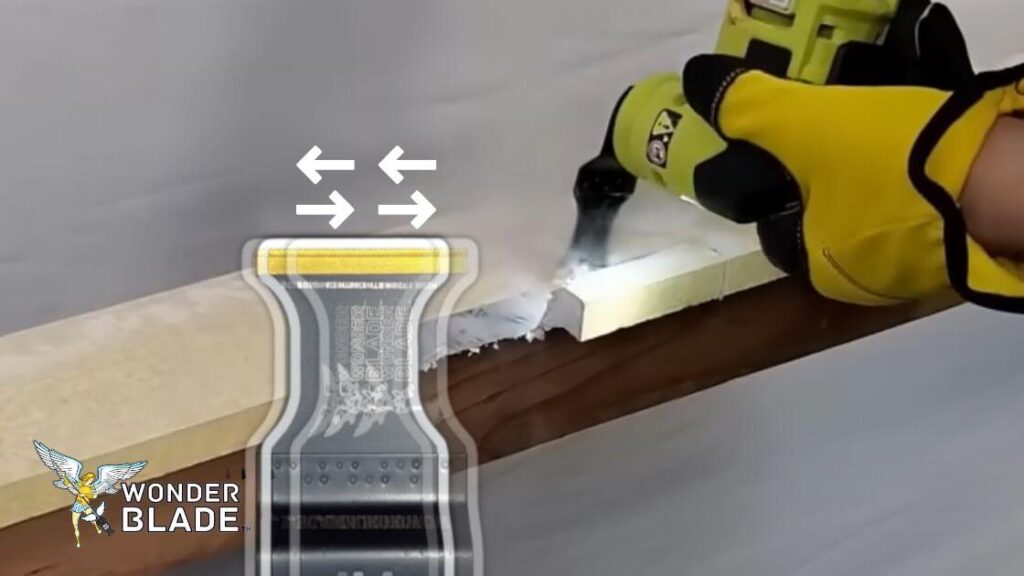
Image Source: wonderblade.com
Deciphering the Core Mechanism: The Oscillating Tool Mechanism
At the heart of every oscillating multi-tool is its ingenious oscillating tool mechanism. This system is designed to convert the rotational power generated by the tool’s motor into the rapid, short-stroke side-to-side movement that defines the tool’s operation. This isn’t your typical rotary action; instead, it’s a precise, controlled wobble that allows for intricate work in tight spaces.
From Spin to Swish: Rotary to Oscillating Conversion
The journey from a spinning motor to the back-and-forth cutting action involves a clever mechanical conversion. While the specifics can vary slightly between brands and models, the fundamental principle remains the same.
- Motor Power: The electric motor inside the tool spins at high speed.
- Eccentric Cam or Wobble Plate: This spinning motion is then transferred to an eccentric cam or a wobble plate. Imagine a disc that isn’t perfectly centered on its axle. As it spins, the offset point moves in a circular path.
- Connecting Rod: A small connecting rod links the eccentric cam to the tool head, where the blade or attachment is mounted.
- Translational Motion: As the cam spins, the connecting rod forces the tool head to move back and forth, or oscillate. The key here is that the cam’s rotation is translated into linear, oscillating movement. This is the core of the rotary to oscillating conversion.
This mechanical linkage is crucial for achieving the multi-tool action. The controlled back-and-forth motion, rather than a continuous spin, is what allows these tools to cut through materials with less resistance and less damage to the surrounding surfaces.
The Art of the Oscillating Blade Movement
The characteristic oscillating blade movement is what makes these tools so versatile. Unlike a saw that spins or a sander that vibrates in place, the blade on an oscillating multi-tool moves in a tiny arc, typically just a few degrees, back and forth.
How Oscillating Tools Cut: A Closer Look
So, how oscillating tools cut? It’s a combination of the oscillating motion and the design of the cutting accessories.
- Micro-Cuts: Instead of a continuous cutting edge like a spinning blade, the oscillating blade makes many small, precise cuts with each oscillation. Think of it like a very sharp, very fast chisel that moves back and forth.
- Material Removal: As the blade oscillates, it effectively scrapes or plows through the material. The aggressive action of the blade, coupled with the rapid oscillation, efficiently removes material.
- Reduced Kickback: Because the blade isn’t spinning at high RPMs, there’s a significantly reduced risk of kickback, making the tool safer to use.
- Controlled Entry: The oscillating action allows the user to plunge cut directly into a surface, like drywall or wood, without needing to drill a pilot hole first. This makes cut-outs much easier.
The Impact of Oscillation Speed and Amplitude
The effectiveness of an oscillating multi-tool is also influenced by the speed and amplitude of its oscillation.
- Oscillation Speed (Frequency): This refers to how many times the blade moves back and forth per minute. Higher speeds generally lead to faster cutting but can also generate more heat and vibration.
- Oscillation Amplitude (Angle/Depth): This refers to the total range of the back-and-forth movement. While not always adjustable on every tool, a wider amplitude can lead to more aggressive cutting.
The Power of the Variable Speed Oscillator
Many oscillating multi-tools feature a variable speed oscillator. This capability is a significant advantage, allowing users to tailor the tool’s performance to the specific material and task at hand.
Fine-Tuning Your Cuts
Having variable speed control means you’re not limited to one intensity of oscillation.
- Low Speed Settings: These are ideal for delicate materials, precise scraping tasks, or when you need maximum control to avoid damaging surrounding surfaces. For instance, when scraping old paint or grout, a slower speed provides better control.
- Medium Speed Settings: These offer a good balance between speed and control, suitable for general-purpose cutting and sanding on softer woods or plastics.
- High Speed Settings: These are for aggressive material removal, cutting through tougher materials like hardwoods or metal, or when speed is the priority. For tasks like cutting plunge cuts in drywall, higher speeds are beneficial.
Benefits of Variable Speed Control
- Material Adaptability: Easily switch between materials like soft woods, hardwoods, plastics, drywall, tile, and even metal.
- Enhanced Precision: Lower speeds allow for more deliberate and accurate cuts or scrapes.
- Heat Management: Slower speeds can help prevent overheating of both the tool and the material, especially during prolonged use.
- Reduced Vibration: While some vibration is inherent, adjusting the speed can sometimes help mitigate excessive jarring.
The Multi-Tool Action: A Symphony of Attachments
The term “multi-tool” isn’t just for show. The true genius of these tools lies in their ability to perform a vast array of tasks, thanks to a wide variety of interchangeable accessories. This multi-function tool operation is enabled by the robust, yet precise, oscillating blade movement and the versatile mounting system.
Common Attachments and Their Uses
The range of accessories available for oscillating multi-tools is truly impressive. Here’s a look at some of the most common:
| Attachment Type | Primary Uses | Materials |
|---|---|---|
| Wood Blades | Plunge cuts, straight cuts, trimming | Softwood, hardwood, plywood, laminate |
| Metal Cutting Blades | Plunge cuts, straight cuts | Sheet metal, pipes, screws, nails |
| Scraping Blades | Removing paint, wallpaper, adhesives, caulk, rust | Walls, floors, metal surfaces |
| Grout Removal Blades | Removing old grout from tile | Ceramic, porcelain, natural stone tile |
| Sanding Pads/Sheets | Sanding wood, metal, plastic, removing paint or rust, detailed sanding | Wood, metal, plastic, painted surfaces, tight corners |
| Grinding Stones | Sharpening blades, grinding metal | Metal, stone |
| Carbide Rasps | Shaping wood, removing material, carving | Wood, plaster, soft stone |
The Power of the Tool Head Reciprocation
The tool head reciprocation, the technical term for the oscillating motion, is what drives the effectiveness of each attachment. Whether it’s a sharp blade slicing through wood, a scraper lifting old adhesive, or a sanding pad smoothing a surface, the back-and-forth action is the common denominator.
The way the tool head reciprocates is designed to maximize efficiency for each specific accessory. For instance, a wood-cutting blade will utilize the oscillation to create a sawing action, while a scraper’s wider, flatter profile will use the same motion to effectively peel away unwanted material.
Exploring the Depth of Oscillating Saw Functionality
The oscillating saw function is one of the most popular applications of these versatile tools. They excel in situations where traditional saws might be too bulky or imprecise.
Precision Plunge Cutting
One of the standout features is the ability to perform plunge cuts. This means you can start a cut directly into the middle of a workpiece without needing to drill a hole first.
- Drywall Work: Perfect for creating electrical box cut-outs or vent openings.
- Woodworking: Ideal for making window openings, door reveals, or inlay cuts.
- Flooring Installation: Useful for trimming floorboards or cutting around obstacles.
Flush Cutting
The low profile of many oscillating blades allows for flush cutting. This means you can cut materials right down to a surface without damaging that surface.
- Undercutting Door Jambs: When installing new flooring, you can slide the oscillating blade under a door jamb and cut it flush with the floor.
- Trimming Protruding Nails or Screws: Cut off stubborn fasteners that are too close to a surface to be removed by other means.
Detail Cutting and Trimming
The controlled oscillation makes these tools excellent for detailed work and trimming in tight spaces.
- Cabinetry and Trim Work: Making precise cuts in confined areas.
- Model Making: For intricate cuts on smaller projects.
- Restoration Projects: Carefully removing old material without damaging surrounding historic elements.
Maintaining Your Oscillating Multi-Tool
To ensure your oscillating multi-tool continues to perform at its best, regular maintenance is key. This includes keeping the tool clean, the attachments sharp and in good condition, and ensuring the power cord and housing are free from damage.
Key Maintenance Tips:
- Clean After Use: Brush or blow away dust and debris from the tool head and vents after each use.
- Inspect Attachments: Regularly check blades and other accessories for wear, damage, or dullness. Replace them as needed to maintain optimal cutting performance.
- Lubrication (If Recommended): Some models may have specific lubrication points, though most modern tools are maintenance-free in this regard. Always consult your owner’s manual.
- Storage: Store the tool and its accessories in a clean, dry place, preferably in its original case or a dedicated tool bag.
Frequently Asked Questions (FAQ)
Here are some common questions people have about oscillating multi-tools:
Q1: What is the main advantage of an oscillating tool over a rotary tool?
A1: The main advantage is the type of motion. Rotary tools spin continuously, which is great for grinding, polishing, or drilling. Oscillating tools move back and forth with a short, rapid stroke, making them ideal for cutting, scraping, and sanding without the risk of deep gouges or kickback associated with high-speed spinning blades.
Q2: Can I use an oscillating tool to cut metal?
A2: Yes, with the correct metal-cutting accessories. These blades are typically made of high-speed steel (HSS) or bi-metal and are designed to withstand the friction and forces involved in cutting metal. Always ensure you use the appropriate blade for the type of metal you are cutting.
Q3: How do I change the accessories on my oscillating multi-tool?
A3: Most oscillating multi-tools have a tool-less blade change system. This usually involves a lever or a locking mechanism that you release to remove the old accessory and then lock into place with the new one. Always ensure the tool is unplugged before changing accessories.
Q4: Are oscillating tools safe to use?
A4: Oscillating tools are generally considered safer than many other power tools due to their controlled oscillation, reduced kickback, and ability to make precise cuts. However, like all power tools, they require proper safety precautions, including wearing safety glasses, gloves, and appropriate hearing protection. Always read and follow the manufacturer’s instructions.
Q5: What is the difference between oscillating and reciprocating saws?
A5: While both use a back-and-forth motion, reciprocating saws typically have longer strokes and are designed for more aggressive, rougher cutting, often in demolition or larger construction tasks. Oscillating tools have much shorter strokes and higher frequencies, allowing for finer control, precision cuts, and versatility for detailed work.
Q6: How long do oscillating tool blades last?
A6: The lifespan of a blade depends on several factors: the material being cut, the speed at which it’s used, the amount of pressure applied, and the quality of the blade itself. For less demanding tasks, blades can last for many projects, but for aggressive use or cutting hard materials, they may need to be replaced more frequently.
Q7: Can I sand with an oscillating multi-tool?
A7: Absolutely. With the appropriate sanding attachments (pads and sheets), oscillating tools are excellent for detail sanding, reaching tight corners, and removing material like old paint or rust. The oscillating motion provides a similar effect to random orbital sanding but with more control in intricate areas.