
A 15 amp circuit breaker typically costs between $5 and $20 for the breaker itself. However, the total circuit breaker installation cost can range from $150 to $350 or more if you hire a professional electrician. This price variation depends on several factors, including the type of breaker, brand, and whether additional work is required.
In any home or building, circuit breakers are vital safety devices. They protect electrical wiring from overheating and prevent fires by interrupting the flow of electricity when there’s too much current. The most common type you’ll find protecting general household circuits, like those for lights and standard outlets, is the 15 amp circuit breaker. But when one trips or needs replacing, you might wonder about the circuit breaker price. This in-depth guide will explore just that, breaking down the factors that influence the 15 amp breaker cost and what you can expect to pay.
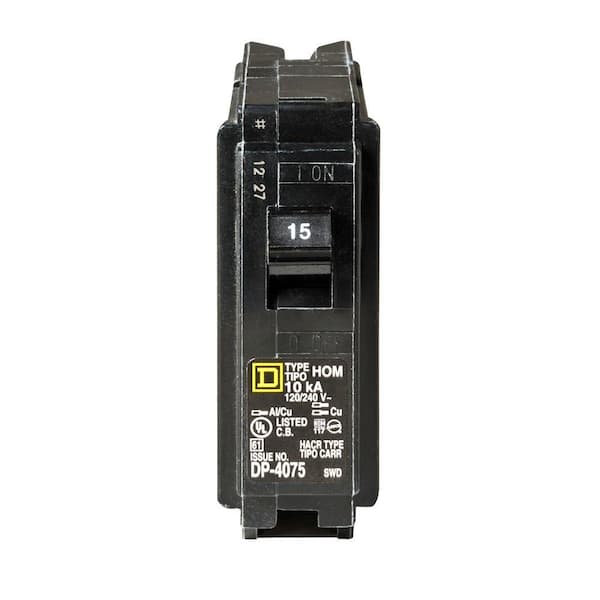
Image Source: images.thdstatic.com
Deciphering the Costs: What Influences a 15 Amp Breaker’s Price?
The cost of a 15 amp circuit breaker isn’t a single, fixed number. Several elements contribute to its final price tag, from the brand name to specialized features. Let’s delve into these key influencers.
Brand Reputation and Quality
Just like with many products, brand name plays a significant role in the electrical breaker cost. Well-established brands often carry a premium due to their reputation for reliability, durability, and rigorous testing. Companies like Square D, Eaton Cutler-Hammer, Siemens, and GE are known for producing high-quality breakers. While a generic or lesser-known brand might offer a lower standard breaker price, they might not offer the same level of assurance or longevity.
Type of 15 Amp Breaker
While we’re focusing on the standard 15 amp breaker, it’s important to know that even within this amperage, there are different types, each with a different circuit breaker price.
- Standard Thermal-Magnetic Breakers: These are the most common and cost-effective. They use a bimetallic strip to detect overcurrents due to heat (thermal tripping) and an electromagnet for short circuits (magnetic tripping). These are what most people think of as a typical breaker.
- GFCI (Ground Fault Circuit Interrupter) Breakers: These offer enhanced safety by detecting ground faults – small current leaks to the ground, often caused by faulty appliances or water. They are required in areas like kitchens, bathrooms, garages, and outdoor locations. A GFCI breaker price will be higher than a standard breaker due to the added protective circuitry.
- AFCI (Arc Fault Circuit Interrupter) Breakers: These go a step further by detecting dangerous electrical arcs, which can be caused by damaged wires or loose connections, and are a common cause of electrical fires. Modern electrical codes often mandate AFCIs in living areas like bedrooms and living rooms. An AFCI breaker price is typically the highest among the common types due to the sophisticated technology involved in arc detection.
Material and Construction
The quality of materials used in a circuit breaker’s construction can also affect its price. Breakers with more robust housings, higher-grade internal components, and better heat dissipation can command a higher replacement circuit breaker price. These premium materials often translate to a longer lifespan and more reliable performance.
Features and Technology
Beyond the basic tripping mechanisms, some breakers come with advanced features. These might include:
- Indicator lights: Showing the breaker’s status at a glance.
- Tamper-resistant designs: Especially important in areas with children.
- Smart features: Some newer breakers can communicate with smart home systems or provide monitoring data.
These added functionalities will naturally increase the circuit breaker price.
Retailer and Location
Where you purchase your circuit breaker can also influence the cost. Hardware stores, home improvement centers, and online retailers might have different pricing strategies. If you need to buy a single pole breaker cost, you might find variations between these sources. Additionally, regional economic factors and availability can play a minor role.
How Much is a Breaker? Typical Cost Breakdown
Let’s break down what you can realistically expect to pay for a 15 amp circuit breaker, focusing on the component cost and then considering the installation.
The Cost of the Breaker Itself
If you’re looking to simply replace a faulty 15 amp breaker, the circuit breaker price for the component alone is generally quite affordable.
| Breaker Type | Estimated Cost (Component Only) |
|---|---|
| Standard 15 Amp Breaker | $5 – $15 |
| GFCI 15 Amp Breaker | $20 – $40 |
| AFCI 15 Amp Breaker | $30 – $60 |
| AFCI/GFCI Combination Breaker | $50 – $80+ |
Important Note: These are estimates for the breaker unit itself. The standard breaker price for a simple 15 amp breaker is at the lower end of this spectrum. The 15 amp breaker cost can increase significantly for GFCI and AFCI types.
Factors Affecting Installation Costs
When you need a new breaker, you’re often not just paying for the part; you’re also paying for the expertise to install it safely and correctly. The circuit breaker installation cost can vary greatly based on these factors:
Electrician’s Hourly Rate
Electricians charge based on their experience, licensing, and the prevailing rates in your area. A standard hourly rate can range from $75 to $150 or more.
Complexity of the Job
- Simple Replacement: If it’s a straightforward swap of a like-for-like breaker in an easily accessible panel, the labor will be minimal.
- Adding a New Circuit: If you need to add a new 15 amp circuit, this involves more work, including running new wiring, installing an outlet or fixture, and connecting it to the panel. This will significantly increase the electrical breaker cost.
- Panel Upgrades or Reconfiguration: If the electrical panel itself is old, overloaded, or needs to be reorganized to accommodate new breakers, the cost will be substantially higher.
- Hard-to-Reach Panels: If your breaker panel is in a tight crawl space, attic, or requires dismantling significant parts of the wall, expect higher labor costs.
Type of Breaker Being Installed
Installing a GFCI breaker price or an AFCI breaker price might take slightly longer for an electrician to test and ensure proper function, potentially adding a small amount to the labor cost compared to a standard breaker.
Emergency Service
If you need a breaker replaced urgently outside of normal business hours, expect to pay a premium for emergency service.
Materials Beyond the Breaker
Sometimes, the installation might require additional materials like new wire connectors, electrical tape, or even minor repairs to the panel box or wiring.
Estimating Total Circuit Breaker Installation Cost
Considering the breaker itself and the labor involved, here’s a rough estimate for typical scenarios:
-
Replacing a Standard 15 Amp Breaker:
- Breaker Cost: $5 – $15
- Labor Cost (0.5 – 1.5 hours): $75 – $225
- Total Estimated Cost: $80 – $240
-
Installing a GFCI 15 Amp Breaker:
- Breaker Cost: $20 – $40
- Labor Cost (1 – 2 hours): $75 – $300
- Total Estimated Cost: $95 – $340
-
Installing an AFCI 15 Amp Breaker:
- Breaker Cost: $30 – $60
- Labor Cost (1 – 2 hours): $75 – $300
- Total Estimated Cost: $105 – $360
-
Adding a New 15 Amp Circuit (including breaker, wire, and labor):
- Breaker Cost: $5 – $15
- Wiring and Materials: $50 – $100
- Labor Cost (2 – 4 hours): $150 – $600
- Total Estimated Cost: $205 – $715+
These figures illustrate that while the 15 amp breaker cost for the component is low, the circuit breaker installation cost can be a significant portion of the overall expense.
DIY vs. Professional Installation: Weighing the Options
When a breaker needs replacement, the question often arises: can I do it myself, or should I call a professional?
DIY Installation: Is It a Good Idea?
What is a circuit breaker? It’s a safety device that interrupts electrical flow. Can I replace a circuit breaker myself? Technically, yes, if you are comfortable and knowledgeable about electrical work. However, it comes with significant risks.
Pros of DIY:
- Cost Savings: You save on labor costs, paying only for the replacement circuit breaker price.
Cons of DIY:
- Safety Risks: Working with electricity is dangerous. Improper installation can lead to electric shock, fires, or damage to your electrical system. The risk of getting a shock is real, even when the main power is off if you’re not careful.
- Code Violations: Electrical work must adhere to local building codes. If done incorrectly, it can lead to failed inspections or issues when selling your home.
- Warranty Issues: Tampering with your electrical panel might void warranties on the panel or other components.
- Lack of Expertise: Without proper training, you might not identify underlying issues that caused the breaker to trip in the first place.
What is a standard breaker price? As mentioned, it’s quite low. But the potential cost of a mistake can far outweigh the savings on how much is a breaker.
Professional Installation: The Safer Choice
Hiring a qualified electrician is almost always the safest and most reliable option.
Pros of Professional Installation:
- Safety: Electricians are trained to work with electricity safely and have the right tools and knowledge to prevent accidents.
- Compliance: They ensure the work meets all local electrical codes and safety standards.
- Diagnosis: They can identify the root cause of the breaker tripping, preventing future issues.
- Peace of Mind: Knowing the job is done correctly provides invaluable peace of mind.
- Warranty: Professional work often comes with a warranty.
Cons of Professional Installation:
- Higher Cost: You’ll pay for the electrician’s time and expertise, making the overall circuit breaker installation cost higher.
Specific Types of 15 Amp Breakers and Their Costs
Let’s look a bit closer at the cost variations for different types of 15 amp breakers.
Single Pole 15 Amp Breaker
A single pole breaker cost refers to the most basic type of breaker used for 120-volt circuits, like those powering lights and standard outlets. These are typically the least expensive.
- Cost: Expect the breaker itself to be in the $5 to $15 range for a standard brand.
GFCI 15 Amp Breaker
As mentioned, GFCI breakers offer ground fault protection. They have a test and reset button directly on the breaker.
- Cost: The breaker component will likely cost between $20 and $40. This higher GFCI breaker price is due to the additional internal circuitry for detecting ground faults.
AFCI 15 Amp Breaker
AFCI breakers provide arc fault protection, crucial for preventing fires caused by arcing electricity.
- Cost: The breaker component can range from $30 to $60. This higher AFCI breaker price reflects the advanced technology needed to detect subtle arc faults.
Combination AFCI/GFCI Breakers
These breakers combine both arc fault and ground fault protection into a single unit, offering the highest level of safety. They are often required for new installations in specific areas of a home.
- Cost: These are the most expensive, with prices for the breaker component often starting at $50 and going upwards of $80 or more.
When budgeting, remember to factor in the replacement circuit breaker price plus the potential labor if you’re not doing it yourself.
Common Scenarios and How Much You Might Pay
Let’s consider some common reasons why you might need to replace a 15 amp circuit breaker and what the associated costs could be.
1. A Breaker Keeps Tripping
If your 15 amp breaker frequently trips, it could indicate:
- Overloaded Circuit: Too many appliances or devices are drawing power from the same circuit.
- Short Circuit: A fault in the wiring or an appliance is causing a sudden surge of current.
- Faulty Breaker: The breaker itself might be worn out or defective.
Cost Estimate: If it’s just a faulty breaker, you’re looking at the circuit breaker price plus installation, as detailed earlier ($80 – $360 depending on breaker type). If the circuit is overloaded, the solution might involve redistributing appliances or even installing new circuits, which would be a more significant expense.
2. Replacing an Old or Damaged Breaker
Over time, circuit breakers can age and become less reliable. Damage from power surges or physical impact can also necessitate replacement.
Cost Estimate: This is a straightforward replacement scenario. The cost would be the replacement circuit breaker price plus professional installation, typically in the $80 to $360 range.
3. Upgrading to GFCI or AFCI Protection
Many homeowners choose to upgrade their older breaker panels to include GFCI or AFCI protection for enhanced safety, especially if they are renovating or selling their home.
Cost Estimate: This involves purchasing the specific GFCI or AFCI breaker (higher GFCI breaker price or AFCI breaker price) and having an electrician install it. The total circuit breaker installation cost would be in the $95 to $360 range per breaker, depending on the type.
Finding the Best Value for Your 15 Amp Breaker
When you need to know how much does a 15 amp circuit breaker cost, it’s wise to shop around and make informed decisions.
Buying the Breaker Component
- Home Improvement Stores: Big box stores like Home Depot or Lowe’s offer a wide selection of breakers from major brands. Their prices are competitive, and you can easily compare the standard breaker price for different manufacturers.
- Electrical Supply Houses: These stores cater to professional electricians and often have a more extensive inventory and knowledgeable staff. Prices can be comparable to home improvement stores.
- Online Retailers: Websites like Amazon, Grainger, or specialized electrical supply sites can offer great deals, especially if you’re buying multiple breakers. Be sure to check shipping costs and return policies. When buying online, pay close attention to the exact specifications to ensure you get the right 15 amp breaker cost for your needs.
Hiring an Electrician
- Get Multiple Quotes: Don’t settle for the first electrician you call. Obtain quotes from at least three different licensed and insured professionals.
- Check Reviews and References: Look for electricians with good online reviews and ask for references from past clients.
- Confirm Licensing and Insurance: Ensure the electrician is properly licensed and insured in your area. This protects you in case of accidents or faulty work.
- Ask About Guarantees: Inquire about any warranties or guarantees they offer on their labor and parts.
Frequently Asked Questions (FAQ)
Q1: What is the average cost to replace a 15 amp circuit breaker?
A: The average cost to replace a standard 15 amp circuit breaker, including the breaker and professional installation, typically ranges from $80 to $240. This can be higher if you opt for a GFCI or AFCI breaker.
Q2: Can I buy a circuit breaker cheaper online?
A: Often, yes. Online retailers may offer lower prices on the breaker component, but be sure to factor in shipping costs and ensure you are purchasing from a reputable seller. The circuit breaker price itself might be lower, but installation costs remain the same.
Q3: What is the difference in cost between a standard, GFCI, and AFCI 15 amp breaker?
A: A standard 15 amp breaker is the least expensive. A GFCI breaker will cost more due to its ground fault protection features, and an AFCI breaker will cost even more due to its arc fault detection technology. A combination AFCI/GFCI breaker is generally the most expensive.
Q4: If my breaker trips often, is it always the breaker that’s bad?
A: Not necessarily. A breaker tripping frequently can indicate an overloaded circuit, a short circuit in the wiring, or a faulty appliance connected to the circuit. It’s crucial for an electrician to diagnose the actual cause.
Q5: How long does it take an electrician to replace a 15 amp breaker?
A: For a simple replacement of a standard breaker, an electrician typically takes between 30 minutes to 1.5 hours. This can vary depending on the accessibility of the electrical panel and the electrician’s efficiency.
Q6: Is it safe to install a circuit breaker myself?
A: While technically possible, it is generally not recommended for individuals without proper electrical training. Working with electricity carries significant risks of shock, fire, and damage to your home’s electrical system. Professional installation ensures safety and code compliance.
Q7: What does a 15 amp breaker protect?
A: A 15 amp breaker is typically used to protect general lighting circuits and standard outlets in homes, powering devices that don’t draw a large amount of current. It protects the wiring from overheating, which can cause fires.
Q8: Are all 15 amp breakers interchangeable?
A: While many 15 amp breakers share a common physical size and connection type, they are not always interchangeable. It’s essential to ensure the replacement breaker is compatible with your electrical panel’s brand and type. Using an incompatible breaker can be a safety hazard. The standard breaker price doesn’t always reflect universal compatibility.
Q9: Does the brand of the breaker significantly affect the cost?
A: Yes, brand reputation and perceived quality can influence the circuit breaker price. Premium brands often cost more than generic or less-known brands, but they also typically offer greater reliability and a longer lifespan.
Q10: What factors influence the circuit breaker installation cost besides the breaker itself?
A: Factors influencing installation cost include the electrician’s hourly rate, the complexity of the job (e.g., adding a new circuit vs. simple replacement), the accessibility of the electrical panel, and whether any additional materials or minor repairs are needed.
By arming yourself with this information, you can confidently approach the task of replacing or installing a 15 amp circuit breaker, knowing exactly what to expect regarding costs and considerations. Safety should always be the top priority when dealing with electrical systems.