
What is the weight of a chainsaw? A chainsaw’s weight can range significantly, typically from as little as 5 pounds for small electric models to over 30 pounds for large professional gas-powered units. This variation is influenced by factors like engine size, bar length, and the materials used in its construction.
When you’re thinking about tackling that tree in your backyard or starting a new woodworking project, the weight of your chainsaw is a crucial factor to consider. It directly impacts how easy it is to handle, how long you can use it comfortably, and even the type of work it’s best suited for. So, how much does a chainsaw really weigh? Let’s dive into the specifics.
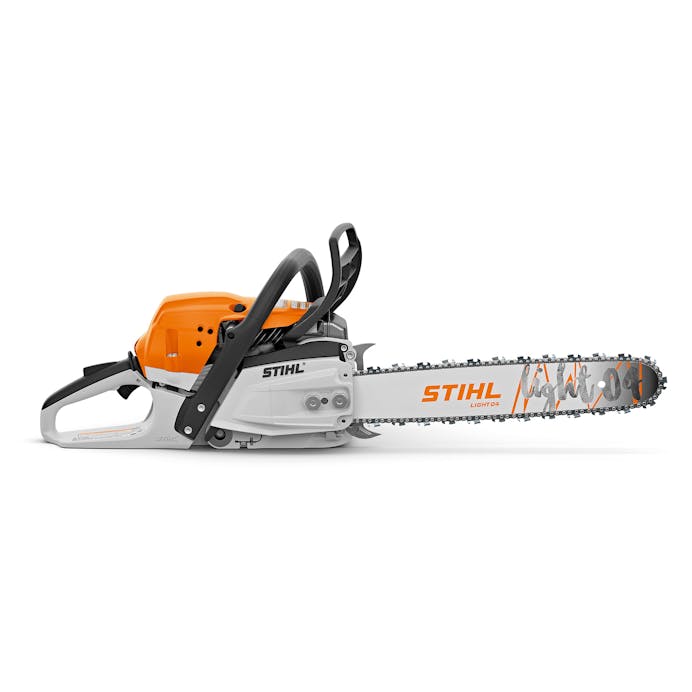
Image Source: stihlusa-images.imgix.net
Chainsaw Weight by Type: A Comprehensive Look
The type of chainsaw you choose plays a massive role in its overall weight. We can broadly categorize chainsaws into a few main types, each with its own weight profile.
Gas Chainsaw Weight
Gas-powered chainsaws are known for their robust performance and are often favored by professionals and serious homeowners alike. Their power comes from a gasoline engine, which naturally adds considerable weight.
- Engine Size: The larger and more powerful the engine, the heavier the chainsaw. A small 30cc engine will be lighter than a 70cc engine.
- Bar Length: While not part of the chainsaw’s core weight, the bar length affects overall balance and how the weight is perceived during use. Longer bars generally require more powerful engines, indirectly leading to heavier chainsaws.
- Build Materials: Professional-grade gas chainsaws often use more durable, heavy-duty materials, contributing to their higher weight compared to homeowner models.
A typical gas chainsaw weight can range from around 10 pounds for smaller homeowner models with shorter bars to 15-20 pounds for mid-range saws, and upwards of 20-30 pounds or more for high-powered professional units.
Electric Chainsaw Weight
Electric chainsaws offer a lighter alternative, often appealing to those who need a tool for occasional use or for tasks where maneuverability is paramount. They don’t have the bulk of a gasoline engine.
- Corded Electric: These are generally the lightest type of chainsaw. They draw power directly from a wall outlet, eliminating the need for a battery.
- Battery Chainsaw Weight: Battery-powered chainsaws are becoming increasingly popular. Their weight is influenced by the battery’s size and capacity. A larger battery means more power and runtime but also more weight. The motor itself is typically smaller and lighter than a gas engine.
Generally, electric chainsaw weight can range from 6-12 pounds for corded models, and 8-15 pounds for battery-powered models, depending on the battery size. This makes them excellent choices for pruning, limbing, and cutting smaller logs.
Lightweight Chainsaw Models
The market offers specific lightweight chainsaw models designed for ease of use and reduced fatigue. These are often smaller electric or battery-powered saws, or smaller-displacement gas saws. They are ideal for:
- Homeowners: For tasks like trimming branches, cutting firewood for a fireplace, or clearing brush.
- Arborists: Who need to maneuver in trees and value a tool that won’t cause excessive strain.
- Users with physical limitations: Who may find heavier saws difficult to manage.
These saws prioritize a good chainsaw power to weight ratio, meaning they offer sufficient cutting power for their size and weight.
Chainsaw Size and Weight: What’s the Relationship?
The terms chainsaw size and weight are closely related, but it’s important to distinguish them.
- Size: Usually refers to the bar length (e.g., a 16-inch chainsaw) and sometimes the engine displacement (in cc for gas saws).
- Weight: Refers to the actual mass of the tool, typically measured in pounds or kilograms.
A larger bar length often correlates with a larger, more powerful engine, which in turn usually means a heavier chainsaw. However, manufacturers are constantly innovating to improve the chainsaw power to weight ratio. This means you can sometimes find a saw with a decent bar length that is surprisingly light due to advanced materials and engine design.
Chainsaw Weight Chart: A Quick Reference
To give you a clearer picture, here’s a general chainsaw weight chart for common types. Please note that these are approximate weights and can vary significantly between brands and specific models. This chart typically refers to the “dry weight” (without fuel or chain oil) for gas saws, and the tool’s weight without the battery for battery saws.
| Chainsaw Type | Typical Weight Range (lbs) | Common Uses |
|---|---|---|
| Corded Electric | 5 – 12 | Trimming, light cutting, homeowner tasks |
| Battery Powered | 8 – 15 (tool only) | Pruning, limbing, homeowner tasks, small to medium logs |
| Small Gas (Homeowner) | 10 – 15 | General yard work, felling small trees, firewood cutting |
| Mid-Size Gas | 15 – 20 | Felling medium trees, processing larger firewood, property maintenance |
| Professional Gas | 20 – 30+ | Commercial logging, felling large trees, heavy-duty use |
Factors Influencing Chainsaw Weight
Beyond the basic type, several other factors contribute to how much a chainsaw weighs.
Bar Length and Its Impact
The bar length is a primary determinant of a chainsaw’s intended use and, consequently, its weight.
- Short Bars (10-16 inches): These are found on lighter electric and smaller gas chainsaws. They are agile and good for pruning, limbing, and cutting branches. Their lighter weight makes them easy to control.
- Medium Bars (16-20 inches): Common on homeowner and mid-range gas chainsaws. They offer a good balance of cutting capacity and maneuverability for felling small to medium trees and processing firewood.
- Long Bars (20 inches and up): These are primarily used on powerful professional chainsaws for felling large trees. The longer bar requires a more robust engine and heavier-duty construction, significantly increasing the overall weight.
Engine Size and Type
For gas chainsaws, the engine is the heart of the machine and a major contributor to its weight.
- Engine Displacement (cc): Higher cubic centimeter (cc) displacement generally means a more powerful engine, which is usually heavier. A 40cc engine will be lighter than a 60cc engine from the same manufacturer.
- Engine Design: Modern engine designs often focus on improving the chainsaw power to weight ratio. Innovations in materials and engineering can lead to lighter engines without sacrificing power.
For electric chainsaws, the motor is lighter than a gas engine, but the battery adds weight, especially for higher-capacity batteries.
Battery Technology (for Battery Chainsaws)
The battery is a significant component of the weight for battery-powered chainsaws.
- Voltage and Amp-Hours (Ah): Higher voltage and amp-hour ratings indicate more power and longer runtimes, but they also mean a heavier battery.
- Battery Chemistry: While most modern chainsaws use lithium-ion batteries, variations in density and construction can slightly affect weight.
When comparing battery chainsaws, always consider the weight of the tool with the battery you intend to use.
Construction Materials
The materials used in a chainsaw’s construction have a direct impact on its weight and durability.
- Professional vs. Homeowner Grade: Professional chainsaws are often built with magnesium alloy crankcases and other high-strength, lightweight metals to withstand heavy use. Homeowner models might use more plastic components or less robust alloys, making them lighter but potentially less durable.
- Advanced Composites: Some manufacturers are using advanced composite materials to reduce weight without compromising strength.
Chainsaw Handling: The Importance of Weight
The weight of a chainsaw is not just a number; it directly influences chainsaw handling.
- Fatigue: A heavier chainsaw, especially when used for extended periods, can lead to operator fatigue. This can reduce control, increase the risk of accidents, and make the job much less enjoyable.
- Control and Maneuverability: Lighter chainsaws are generally easier to maneuver, especially when cutting at awkward angles, working overhead, or pruning branches. They offer more precise control, which is vital for safety and accuracy.
- Balance: A well-balanced chainsaw feels lighter in the hands, even if its actual measured weight is high. Good weight distribution contributes significantly to comfortable chainsaw handling.
Professional Chainsaw Weight vs. Homeowner Chainsaw Weight
There’s a distinct difference between the weight profiles of professional and homeowner chainsaws, reflecting their intended uses.
- Professional Chainsaw Weight: These are built for demanding, long-duration tasks. Their weight (often 20-30+ lbs) is a trade-off for superior power, durability, and advanced features needed for logging and forestry. Operators are typically trained to handle these heavier loads and understand the importance of proper technique to minimize fatigue.
- Homeowner Chainsaw Weight: These are designed for less intensive use. Their lighter weight (10-15 lbs for gas models, less for electric) makes them more accessible and comfortable for typical yard work. The focus is on ease of use and reducing the physical strain on the user.
Battery Chainsaw Weight: A Growing Segment
The battery chainsaw weight is a key selling point for many modern cordless tools.
- Convenience: The lighter weight of battery saws, combined with the absence of cords or fuel, makes them incredibly convenient for a wide range of tasks.
- Power-to-Weight Ratio: Manufacturers are achieving impressive chainsaw power to weight ratio with battery technology, allowing users to tackle tasks that were once the exclusive domain of gas-powered saws. However, it’s important to remember that the battery itself adds a significant portion of the tool’s total weight.
Optimizing Your Chainsaw Choice: Weight and Your Needs
When choosing a chainsaw, consider how its weight aligns with your intended use and physical capabilities.
Considering Chainsaw Size and Weight for Different Tasks
- Pruning and Limbing: Opt for a lightweight electric or battery chainsaw with a bar length of 10-12 inches. The ease of handling is paramount here.
- Felling Small to Medium Trees: A homeowner-grade gas chainsaw with a 16-18 inch bar, weighing around 10-15 pounds, is often suitable.
- Processing Firewood: Depending on the size of the logs, a mid-range gas chainsaw (15-20 lbs, 18-20 inch bar) or a powerful battery chainsaw might be ideal.
- Heavy-Duty Logging: Professional-grade gas chainsaws (20-30+ lbs, 20+ inch bar) are necessary for these demanding tasks.
The Chainsaw Power to Weight Ratio
This metric is crucial for efficient work. A high chainsaw power to weight ratio means you get more cutting performance for each pound of the saw you’re carrying. This is especially important if you’ll be working for extended periods or in challenging terrain. While larger engines generally offer more power, advancements in engine technology and lighter construction materials mean that sometimes a smaller, more advanced engine can outperform an older, heavier one.
Frequently Asked Questions (FAQ)
Q1: What is the lightest type of chainsaw?
The lightest chainsaws are typically corded electric models, often weighing as little as 5-8 pounds. Small battery-powered chainsaws also fall into this lightweight category.
Q2: Can I fell a large tree with a lightweight chainsaw?
No, lightweight chainsaws are not designed for felling large trees. Their limited power and bar length make them unsuitable and unsafe for such tasks. You would need a powerful, professional-grade gas chainsaw for felling large trees.
Q3: Who needs a professional chainsaw weight?
Professional loggers, arborists, and forestry workers typically require professional-grade chainsaws whose weight reflects their superior power, durability, and ability to handle continuous heavy use.
Q4: Does the bar length affect the chainsaw’s actual weight?
While the bar itself adds a small amount of weight, its primary influence on the chainsaw’s overall weight is indirect. Longer bars usually require more powerful (and thus heavier) engines and more robust construction to operate safely and effectively.
Q5: How does battery weight impact battery chainsaw performance?
The battery is a significant part of a battery chainsaw’s total weight. Heavier batteries generally provide longer runtimes and more power, but they also increase the overall tool weight, potentially affecting chainsaw handling and increasing fatigue.
Q6: Is there a way to test chainsaw handling before buying?
Yes, if possible, visit a dealer and hold different models. Feel their balance and weight. Even without running them, you can get a good sense of how they will feel in your hands.
Q7: What does “dry weight” mean for a gas chainsaw?
“Dry weight” for a gas chainsaw typically refers to the weight of the saw without fuel in the tank or chain oil. It’s a standard measurement to compare the base weight of different models.
Q8: How much does a chainsaw bar add to the total weight?
A chainsaw bar adds anywhere from 1 to 3 pounds, depending on its length and material. This is a relatively small portion of the overall chainsaw weight compared to the engine or battery.
By considering the chainsaw weight chart, the relationship between chainsaw size and weight, and the specific characteristics of electric chainsaw weight, gas chainsaw weight, battery chainsaw weight, and lightweight chainsaw models, you can make an informed decision. Prioritizing chainsaw handling and the chainsaw power to weight ratio based on your tasks will ensure you choose the right tool for the job, making your work safer, more efficient, and more enjoyable.