
Image Source: shieldselectricinc.com
How Much For A New Circuit Breaker: Pricing Guide
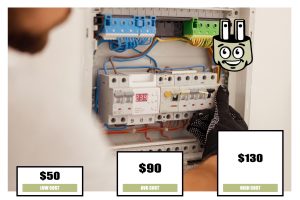
What is the average cost to replace a circuit breaker? The average cost to replace a single circuit breaker typically ranges from $100 to $300, with the breaker itself costing between $10 and $50 and labor making up the majority of the expense.
Deciphering the Costs of Circuit Breaker Replacement
When your home’s electrical system encounters issues, one of the most common culprits is a faulty circuit breaker. Knowing how much to budget for a new circuit breaker is crucial for homeowners. The circuit breaker replacement cost can vary significantly based on several factors, from the type of breaker needed to the complexity of the installation and the hourly rates of electricians in your area. This guide will break down these costs to help you make informed decisions about your home’s electrical safety and functionality.
Factors Influencing Circuit Breaker Pricing
Several key elements contribute to the overall circuit breaker installation cost. Let’s explore them:
-
Type of Circuit Breaker:
- Standard Single-Pole Breakers: These are the most common and control basic 120-volt circuits, like those for lights and standard outlets. They are generally the least expensive.
- Double-Pole Breakers: These control 240-volt appliances such as electric dryers, water heaters, and central air conditioners. They are larger and more expensive than single-pole breakers.
- AFCI (Arc Fault Circuit Interrupter) Breakers: These are designed to detect dangerous electrical arcs and prevent fires. They are more technologically advanced and thus cost more.
- GFCI (Ground Fault Circuit Interrupter) Breakers: These protect against electrical shock by detecting imbalances in the current flow. They are typically required in areas like bathrooms, kitchens, and outdoors. GFCI breakers are also pricier than standard ones.
- Dual-Function Breakers: These combine AFCI and GFCI protection in a single unit, offering enhanced safety but at a higher price point.
-
Brand and Quality: Just like any product, circuit breakers come from various manufacturers with different reputations for quality and reliability. Well-known brands may have slightly higher prices but often offer better durability and longer warranties.
-
Complexity of Installation:
- Accessibility: If the breaker is located in a hard-to-reach or confined space within the electrical panel, the labor time will increase, driving up costs.
- Panel Condition: An older, corroded, or overloaded electrical panel might require additional work, such as cleaning or tightening connections, which adds to the labor.
- Wiring Issues: Sometimes, the reason a breaker trips is due to faulty wiring. An electrician might need to troubleshoot and repair these issues, adding to the overall bill.
-
Electrician’s Hourly Rate: Electrician cost for circuit breaker work varies greatly by region and the experience of the electrician. Larger cities or areas with a higher cost of living generally have higher labor rates. Master electricians typically charge more than journeyman electricians.
-
Emergency Service: If you require immediate assistance outside of regular business hours, expect to pay a premium for emergency electrical services.
Cost Breakdown: What You Can Expect to Pay
Let’s look at a more detailed breakdown of the potential costs:
The Cost of the Breaker Itself
The average cost of new circuit breaker units can range from:
- Standard Single-Pole Breaker: $10 – $30
- Standard Double-Pole Breaker: $20 – $60
- AFCI Breaker: $30 – $80
- GFCI Breaker: $30 – $80
- Dual-Function Breaker: $50 – $120
These are just the material costs. The real expense often lies in the labor.
Labor Costs for Residential Circuit Breaker Replacement
The electrician cost for circuit breaker replacement is usually billed by the hour. While some electricians may offer a flat fee for simple replacements, most will charge an hourly rate.
- Typical Hourly Rates: Electricians typically charge between $75 and $150 per hour.
- Time to Replace: A straightforward replacement of a single breaker usually takes about 30 minutes to an hour. However, troubleshooting and dealing with any unforeseen issues can extend this time.
Total Circuit Breaker Replacement Cost Estimates
Combining the cost of the breaker and the labor, you can expect the following ballpark figures for residential circuit breaker replacement:
- Replacing a single standard breaker: $100 – $300
- Replacing a single AFCI or GFCI breaker: $150 – $400
- Replacing multiple breakers: The cost will increase proportionally, but often electricians offer a slight discount when multiple breakers are replaced during the same visit.
When a Breaker Replacement Isn’t Enough: Related Electrical Work
Sometimes, a tripped or faulty breaker is a symptom of a larger electrical problem. In such cases, you might be looking at more significant expenses related to your electrical system.
Electrical Panel Upgrade Cost
If your electrical panel is old, outdated, or can’t accommodate your home’s current power needs, you might need an electrical panel upgrade cost. This is a more substantial investment.
-
Reasons for Upgrading:
- Age: Panels older than 30-40 years may be less safe and may not meet current building codes.
- Insufficient Capacity: Modern homes use more electricity than older ones, requiring a panel with a higher amperage capacity (e.g., upgrading from 100 amps to 200 amps).
- Recurring Breaker Tripping: If breakers are constantly tripping even after individual replacements, it could indicate an overloaded or faulty panel.
- Outdated Brands: Certain older panel brands (like Federal Pacific Electric or Zinsco) have known safety issues and are often recommended for replacement.
-
Cost to Upgrade an Electrical Panel: The cost of upgrading electrical panel can range from $1,000 to $3,500 or more. This includes the cost of the new panel, breakers, and the significant labor involved in rewiring and testing.
Cost to Replace a Fuse Box with a Breaker
If your home still uses a fuse box, upgrading to a modern breaker panel is highly recommended for safety and convenience. This is often referred to as a cost to replace a fuse box with a breaker.
-
Benefits of a Breaker Panel: Breaker panels offer better protection, are easier to reset than fuses, and allow for more flexible circuit management.
-
Estimated Cost: Replacing a fuse box with a breaker panel typically costs between $1,500 and $4,000. This is a significant project involving the removal of the old fuse box, installation of a new panel, running new circuits if necessary, and connecting all existing wiring.
Breaker Box Repair Price
In some instances, a breaker box might not need a full replacement but rather some repairs. This could involve tightening loose connections, cleaning corrosion, or replacing a damaged busbar. The breaker box repair price would be significantly less than a replacement, generally ranging from $200 to $600, depending on the scope of the repair.
The Circuit Breaker Installation Cost vs. DIY
While the temptation to save money by attempting a DIY circuit breaker replacement might be strong, it’s a task best left to qualified professionals. Electrical work is inherently dangerous and can lead to severe injury or death if not performed correctly.
Risks of DIY Circuit Breaker Installation
- Electrocution: Working with live electrical currents is extremely hazardous.
- Fire Hazards: Improperly installed breakers or wiring can create fire risks.
- Code Violations: DIY electrical work may not comply with local building codes, leading to issues with inspections or insurance.
- Voided Warranties: Many electrical components and home insurance policies are voided if work is not performed by a licensed electrician.
Why Hire a Professional Electrician?
- Safety: Electricians have the training and tools to work safely with electricity.
- Expertise: They can accurately diagnose the problem, whether it’s a single faulty breaker or a more complex issue with the panel or wiring.
- Compliance: They ensure all work meets safety standards and electrical codes.
- Efficiency: Professionals can complete the job quickly and correctly, minimizing disruption.
- Peace of Mind: Knowing the work is done right provides invaluable peace of mind.
The installing a new circuit breaker price includes the expertise and safety assurance that a professional provides.
Getting the Best Value for Your Money
To ensure you get a fair price for your circuit breaker needs, follow these tips:
- Get Multiple Quotes: Always obtain at least three detailed quotes from different licensed electricians. Compare not only the total price but also what is included (e.g., type of breaker, warranty, cleanup).
- Check Credentials: Verify that the electrician or company is licensed and insured. Look for reviews and ask for references.
- Ask About Warranties: Inquire about warranties on both the parts and the labor. A good warranty provides an extra layer of protection.
- Be Specific About Your Needs: Clearly describe the problem you’re experiencing. If you know which breaker is faulty or what type of breaker you need, mention it.
- Inquire About Flat Rates: Some electricians may offer flat rates for common services like breaker replacement. This can provide cost certainty.
Cost of Upgrading Electrical Panel Considerations
When contemplating the cost of upgrading electrical panel, remember that this is an investment in your home’s safety and future. A modern panel can support new appliances, increased power demands, and provide better protection against electrical faults. While the upfront cost might seem high, the long-term benefits in terms of safety, reliability, and potential home value increase are significant.
Frequently Asked Questions (FAQ)
Q1: How often should circuit breakers be replaced?
A1: Circuit breakers are designed to last for many years, often 20-30 years or more. They don’t have a set replacement schedule. You should only replace them if they are malfunctioning, tripping frequently without cause, or are part of a recall or known faulty brand.
Q2: Can I replace a circuit breaker myself?
A2: It is strongly advised against replacing a circuit breaker yourself unless you are a qualified electrician. Electrical work is dangerous and requires specific knowledge and safety precautions.
Q3: What is the difference between a breaker replacement and an electrical panel upgrade?
A3: Replacing a circuit breaker involves swapping out a single faulty component within your existing electrical panel. An electrical panel upgrade is a much larger project that involves replacing the entire panel, often with a higher amperage capacity and new breakers, to meet modern electrical demands or address safety concerns.
Q4: Why is an AFCI or GFCI breaker more expensive?
A4: AFCI and GFCI breakers contain more complex internal components and electronics to detect arc faults or ground faults, providing advanced safety features beyond those of a standard breaker. This added technology contributes to their higher cost.
Q5: What does it mean if my circuit breaker keeps tripping?
A5: A circuit breaker that frequently trips is usually a sign of an overloaded circuit (too many appliances drawing power) or a short circuit (a fault in the wiring or appliance). It could also indicate a faulty breaker or an issue with the electrical panel itself. It’s important to have this diagnosed by an electrician.
Q6: Is it cheaper to replace all my breakers at once?
A6: While replacing a single breaker is cheaper than replacing the entire panel, replacing multiple individual breakers over time can become more expensive than a comprehensive panel upgrade if the panel itself is aging or nearing capacity. An electrician can assess your panel’s condition and advise on the most cost-effective long-term solution.
By arming yourself with this knowledge, you can confidently approach any situation requiring circuit breaker service, ensuring your home’s electrical system is safe, reliable, and up to code.