
How To Adjust A Chainsaw Chain: Simple Steps
Can you adjust a chainsaw chain? Yes, you can adjust a chainsaw chain, and it’s a vital part of chainsaw maintenance for safe and effective operation. Properly adjusting your chainsaw chain’s tension is crucial to prevent the chain from derailing, improve cutting performance, and ensure your safety by reducing the risk of chainsaw kickback reduction. This guide will walk you through the simple steps to adjust your chainsaw chain.
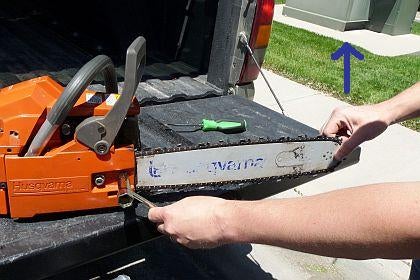
Image Source: content.instructables.com
Why Chainsaw Chain Tension Matters
A chainsaw chain that’s too loose can easily slip off the bar, which is dangerous and can damage your chainsaw. A chain that’s too tight can cause excessive wear on the bar and the drive sprockets, leading to premature failure and reducing the overall lifespan of your chainsaw chain replacement. Getting the chainsaw blade tension just right is key.
Tools You’ll Need
Before you start adjusting, gather these essential tools:
- Chainsaw wrench (often included with your chainsaw)
- Gloves
- Safety glasses
- A flat, stable surface to work on
Step-by-Step Guide to Adjusting Your Chainsaw Chain
Adjusting your chainsaw chain is a straightforward process. Follow these steps carefully:
Step 1: Safety First!
- Always wear safety glasses and gloves.
- Ensure your chainsaw is turned off and has cooled down if it was recently used.
- Place the chainsaw on a stable, flat surface.
- Never attempt to adjust a moving or hot chain.
Step 2: Locate the Adjustment Mechanism
Most modern chainsaws have an external chain tensioning system. You’ll typically find this near the front of the guide bar. It usually involves a small knob or screw. Some older or simpler models might require you to loosen the bar nuts slightly and then use a tensioning screw located on the side of the chainsaw body.
- External Tensioning System: Look for a small knob or screw on the side of the chainsaw, usually near the bar. Turning this knob adjusts the chain tension.
- Internal Tensioning System: If you don’t see an external knob, you’ll likely need to loosen the two bar nuts (the bolts that hold the guide bar to the chainsaw body) first. You’ll then find a small screw on the side of the bar or near the clutch cover.
Step 3: Loosen the Bar Nuts (If Necessary)
If your chainsaw has an internal tensioning system, use your chainsaw wrench to loosen the bar nuts. Turn them just enough so that you can still move the guide bar, but not so loose that the bar is wobbly.
Step 4: Adjust the Chain Tension
Now it’s time to adjust the chainsaw chain tension.
Adjusting a Loose Chainsaw Chain
If the chain feels too loose, you need to tighten chainsaw chain.
- With External Tensioner: Rotate the tensioning knob clockwise. You’ll see the chain move along the bar.
- With Internal Tensioner: Rotate the tensioning screw clockwise using your chainsaw wrench or a screwdriver.
As you tighten, you’ll feel resistance. Stop when the chain feels snug but can still be moved by hand.
Adjusting a Tight Chainsaw Chain
If the chain is too tight, you need to loosen chainsaw chain.
- With External Tensioner: Rotate the tensioning knob counter-clockwise.
- With Internal Tensioner: Rotate the tensioning screw counter-clockwise.
Step 5: Check the Tension Correctly
This is the most important part. You need to check the chainsaw chain tension by hand.
- The “Snap Back” Test: Grip the chain with your gloved hand and pull it forward.
- The chain should move freely around the bar without binding.
- However, when you let go, the chain should snap back firmly against the guide bar, without any slack hanging down.
- If you can see the drive links (the parts of the chain that sit in the bar groove) exposed below the bar, it’s too loose.
- If you can’t move the chain at all, it’s too tight.
Table: Interpreting Chainsaw Chain Tension
| Observation | Implication | Action to Take |
|---|---|---|
| Chain moves freely, snaps back firmly | Correct Tension | Proceed to tighten bar nuts (if applicable) |
| Chain is stiff or impossible to move | Too Tight | Loosen the chain slightly. |
| Slack visible below the bar, chain slips off | Too Loose | Tighten the chain. |
| Chain binds when moved by hand | Too Tight | Loosen the chain slightly. |
| Chain moves easily, but doesn’t snap back fully | Slightly Too Loose | Tighten the chain a little more. |
Step 6: Tighten the Bar Nuts (If Necessary)
Once you’ve achieved the correct chainsaw chain tension, and if you loosened the bar nuts in Step 3, it’s time to tighten them securely.
- Use your chainsaw wrench to tighten the bar nuts firmly.
- As you tighten the bar nuts, the chain tension can sometimes change slightly. So, it’s a good idea to re-check the chain tension one last time after tightening the bar nuts.
Step 7: Final Check
- Turn the guide bar by hand to ensure the chain moves smoothly around the entire bar without any binding.
- Perform the “snap back” test again to confirm the tension is still correct.
- If the tension has changed, repeat steps 4 through 6.
Common Issues and Troubleshooting
Problem: The chain is still too loose after adjustment.
Reason: The adjustment screw might be at its limit, or there might be excessive wear on the chain, bar, or sprocket.
Solution: Check for worn parts. If the chain is old, consider a chainsaw chain replacement. Ensure the bar is properly seated against the mounting studs.
Problem: The chain is too tight and binds.
Reason: Over-tightening the adjustment screw or bar nuts.
Solution: Loosen the chain slightly until it moves freely. Re-check the tension.
Problem: The chain loosens again very quickly.
Reason: The bar nuts may not be tightened sufficiently, or the adjustment mechanism might be faulty.
Solution: Ensure bar nuts are tight. If the issue persists, the chainsaw may need professional servicing.
When to Consider Chainsaw Chain Replacement
Even with proper adjustment, chains wear out. Here are signs it’s time for a chainsaw chain replacement:
- Dull Cutters: If your saw is struggling to cut, even with a sharp chain, and you’ve ruled out other issues like chainsaw bar lubrication problems.
- Stretched Chain: If you constantly find yourself tightening the chain, and it still seems too loose, the chain has likely stretched.
- Damaged Links: Broken or bent drive links or cutters.
- Uneven Wear: One side of the chain wears faster than the other.
Replacing a chain is also relatively simple. You’ll need a new chain of the correct size for your chainsaw (check your owner’s manual or the side of your guide bar for pitch, gauge, and the number of drive links). Follow similar steps to remove the old chain and install the new one, then adjust its tension.
The Importance of Chainsaw Bar Lubrication
Proper chainsaw bar lubrication is as critical as chain tension for the longevity of your saw and the performance of the chain. Without adequate lubrication, friction will cause the chain and bar to overheat, leading to rapid wear, reduced chainsaw chain speed, and potentially a seized bar.
- Check the Oil Reservoir: Ensure the oil reservoir is full before each use.
- Verify Oil Flow: After adjusting the chain, start the saw briefly (in a safe area) and point the tip of the bar at a light-colored surface. You should see a thin line of oil being thrown off the chain. If not, check for blockages in the oiler port or a faulty oil pump.
- Clean the Oiler Hole: The small hole on the guide bar where the oil enters should be kept clean.
Chainsaw Kickback Reduction: A Safety Note
Kickback is a violent upward and backward motion that can occur when the nose or tip of the guide bar hits an object or when the wood closes in and pinches the saw chain in the cut. Proper chainsaw chain tension is a key factor in chainsaw kickback reduction.
- Correct Tension: A properly tensioned chain reduces the likelihood of the chain jumping off the bar and contributing to kickback.
- Sharpness: A sharp chain cuts efficiently, reducing the force needed and the chance of the saw getting pinched. Ensure your chainsaw cutter sharpness is maintained.
- Bar Nose: Avoid cutting with the tip of the bar.
- Body Position: Maintain a firm grip and proper stance.
Maintaining Optimal Chainsaw Chain Speed
Chainsaw chain speed, measured in feet per minute (FPM) or meters per second (m/s), is determined by the engine’s RPM and the sprocket size. While you can’t directly adjust the chain speed, maintaining the correct chain tension and ensuring smooth operation indirectly contribute to achieving the intended speed.
- Correct Tension: Too tight a chain can drag, slowing it down. Too loose a chain can slip, also affecting speed and efficiency.
- Lubrication: Good lubrication reduces friction, allowing the chain to run at its optimal speed.
- Sharpness: A sharp chain cuts through wood with less resistance, allowing the saw to maintain its designed chain speed more effectively.
Frequently Asked Questions (FAQ)
Q1: How often should I check my chainsaw chain tension?
A1: You should check your chainsaw chain tension before each use and periodically during extended use, especially when cutting different types of wood or in varying temperatures, as the chain can expand or contract.
Q2: What is the “snap back” test for chainsaw chain tension?
A2: It’s a simple test where you pull the chain forward with your gloved hand. The chain should move freely around the bar but snap back firmly against the guide bar when you release it, with no slack hanging down.
Q3: Can a loose chainsaw chain cause damage?
A3: Yes, a loose chainsaw chain can derail from the bar, potentially damaging the chainsaw, the bar, and the chain itself. It also significantly increases the risk of kickback.
Q4: Can a tight chainsaw chain cause damage?
A4: Yes, a chainsaw chain that is too tight will create excessive friction and drag, leading to premature wear on the guide bar, drive sprocket, and the chain itself. It can also cause the engine to work harder and overheat.
Q5: Do I need to adjust the chain tension if I change the guide bar?
A5: Yes, always check and adjust the chain tension whenever you change the guide bar or the chain, as different components might have slight variations.
Q6: What is the difference between adjusting the chain tension and replacing the chain?
A6: Adjusting the tension is a routine maintenance task to ensure the chain is snug on the bar. Chainsaw chain replacement is necessary when the chain is worn out, dull, damaged, or has stretched beyond its service life.
Q7: How does chainsaw bar lubrication affect chain tension?
A7: While lubrication doesn’t directly change the tension, it ensures the chain moves smoothly. Poor lubrication causes friction and heat, which can affect how the chain behaves and make it seem tighter or looser than it is. Good lubrication is essential for consistent performance.
Q8: What does “pitch” and “gauge” mean for a chainsaw chain?
A8: Pitch refers to the distance between the drive links, and gauge refers to the thickness of the drive links. These are critical measurements for ensuring a new chain fits your chainsaw and guide bar correctly. Always check your chainsaw’s specifications or the markings on your existing chain and bar.
By following these steps, you can effectively adjust your chainsaw chain, ensuring safety, optimal performance, and longevity for your equipment. Regular chainsaw chain maintenance, including tension checks and proper lubrication, is key to a well-functioning chainsaw.