
Can you check a circuit breaker yourself? Yes, checking a circuit breaker is a straightforward process that most homeowners can do to troubleshoot power outages. This guide will walk you through how to do it safely and effectively.
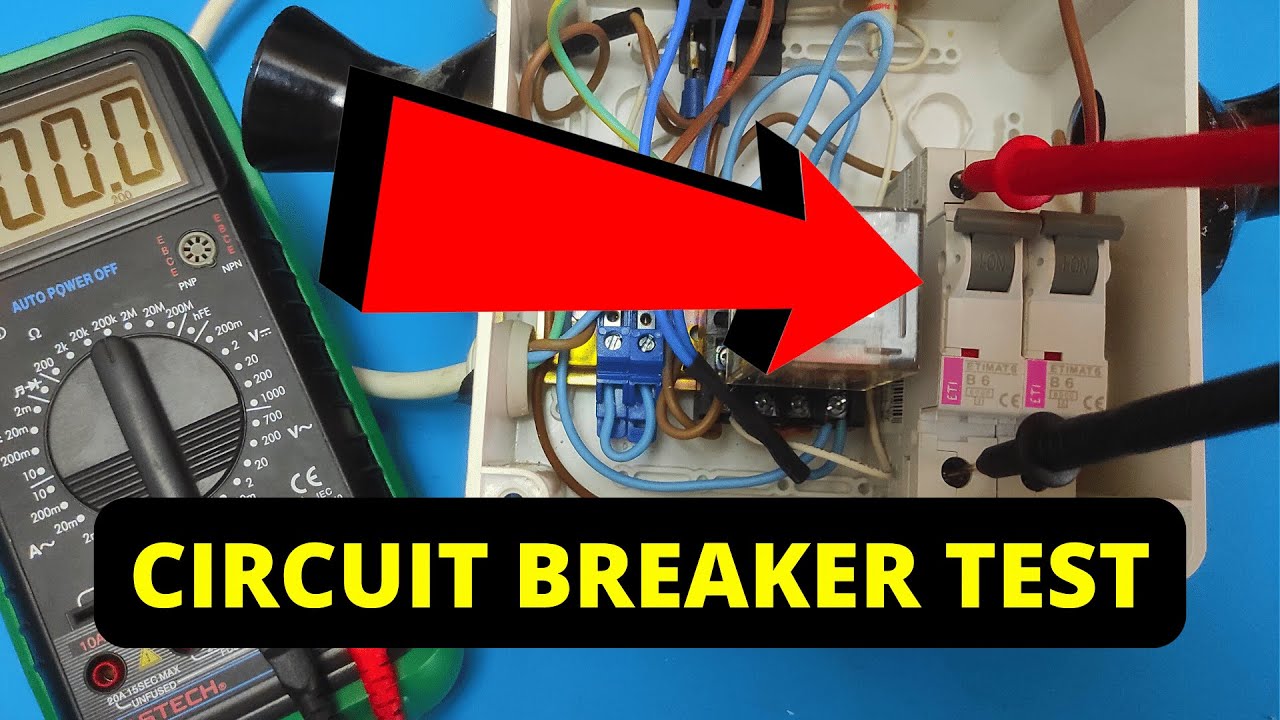
Image Source: i.ytimg.com
Why Your Lights Might Be Out: Deciphering Circuit Breaker Functions
Electrical issues can be frustrating. When lights go out, or an appliance stops working, your first thought might be the power company. However, often, the problem lies within your own home’s electrical system, specifically with your circuit breakers. Understanding circuit breaker functions is key to solving many common power problems.
A circuit breaker is a safety device. It’s designed to protect your home’s wiring from damage caused by too much electrical current. This can happen due to overloaded circuits (too many devices plugged into one outlet) or short circuits (when a hot wire touches a neutral wire). When an overcurrent situation occurs, the breaker “trips,” meaning it shuts off the flow of electricity to that specific circuit. This prevents wires from overheating, which could cause a fire.
Identifying a Tripped Circuit: What to Look For
Recognizing a tripped circuit breaker is the first step in fixing the problem. There are several signs of a tripped breaker you should know:
- No power: The most obvious sign is that the lights or appliances on a particular circuit have stopped working. This could be a single outlet, a room, or even a section of your house.
- The breaker switch position: Circuit breakers are typically located in an electrical panel, often called a fuse box. Each breaker has a small switch. When a breaker trips, this switch usually moves to a position that is not fully “on” or fully “off.” It often sits in a middle or neutral position. Sometimes, the switch might be slightly recessed or look out of place compared to the others.
- Warm or hot breaker: In some cases, a tripped breaker might feel slightly warm or even hot to the touch. This is a sign that it has handled a significant overcurrent. Caution: If a breaker feels excessively hot, do not touch it. Contact a qualified electrician immediately.
- Other outlets or lights working: If the rest of your house has power, but a specific area or appliance does not, it strongly suggests a tripped breaker for that circuit.
Your Guide to Checking a Fuse Box
Your electrical panel, or fuse box, is the heart of your home’s electrical system. It’s where the electricity coming into your house is distributed to different circuits. Checking a fuse box involves opening the panel door and visually inspecting the circuit breakers.
Opening the Electrical Panel Safely
Before you open the panel, ensure you are in a dry environment. Water and electricity are a dangerous combination.
- Locate the panel: The electrical panel is usually found in a basement, garage, utility room, or a hallway closet.
- Open the panel door: Most panels have a metal door that swings open.
- Identify the breakers: Inside, you’ll see rows of switches. Each switch controls a different circuit in your home. They are usually labeled to indicate which areas or appliances they serve (e.g., “Kitchen Outlets,” “Bedroom Lights,” “Bathroom Fan”).
How to Find a Tripped Breaker
Once the panel is open, you need to find a tripped breaker. Here’s how:
- Visual inspection: Scan the row of breaker switches. Look for any switch that is not in the “ON” position. As mentioned earlier, tripped breakers often sit in a middle position. Compare the position of a suspect breaker to those that are clearly in the “ON” position.
- Feel the switches (carefully): Gently touch each switch. A tripped breaker may feel slightly out of place or have a different tension when you try to move it.
Resetting a Tripped Breaker: A Step-by-Step Process
The most common reason for a power outage is a tripped circuit breaker. Resetting a tripped breaker is a simple procedure, but it must be done correctly to avoid further issues.
The Manual Circuit Breaker Reset
The process is known as a manual circuit breaker reset. Here’s how to do it for most common breakers:
- Locate the tripped breaker: As described above, find the breaker that is in the tripped (middle) position.
- Firmly push the switch to the “OFF” position: This is a crucial step. You must push the switch all the way to the “OFF” position first. This fully disengages the mechanism that caused it to trip.
- Firmly push the switch back to the “ON” position: Once it’s in the “OFF” position, push the switch all the way to the “ON” position. You should feel a distinct click as it engages.
If the power is restored to the affected circuit, you’ve successfully reset the breaker. If the breaker trips again immediately or very soon after resetting, it indicates a more serious problem that requires professional attention.
Resetting a Circuit Breaker Switch: Important Considerations
While resetting a circuit breaker switch seems simple, there are a few things to keep in mind:
- Don’t force it: If a breaker feels stuck or won’t move, don’t force it. This could damage the breaker itself.
- Avoid holding it in the “ON” position: Never try to hold a tripped breaker in the “ON” position. This defeats its safety purpose and can lead to overheating and fire.
- If it keeps tripping: If the breaker trips again after you reset it, unplug or turn off all the appliances on that circuit. Then, try resetting the breaker again. If it stays on, plug the appliances back in one by one until you find the one that causes the breaker to trip. This helps in troubleshooting electrical circuits.
Troubleshooting Electrical Circuits: Beyond the Tripped Breaker
Sometimes, power issues aren’t as simple as a single tripped breaker. Troubleshooting electrical circuits involves a bit more detective work.
Common Causes for Tripped Breakers
- Overloaded circuit: This is the most frequent cause. If you have too many high-wattage appliances running on the same circuit (e.g., a microwave, toaster, and coffee maker all on the same kitchen counter circuit), it can overload the breaker.
- Short circuit: This happens when a live wire touches a neutral wire or a ground wire. It creates a sudden surge of electricity, causing the breaker to trip instantly. This can be caused by damaged appliance cords, faulty wiring, or something metallic falling into an outlet.
- Ground fault: Similar to a short circuit, but involves a live wire touching the ground. This is particularly dangerous as it can electrify metal objects, leading to electric shock. GFCI (Ground Fault Circuit Interrupter) outlets and breakers are designed to detect these faults.
- Faulty appliance: An appliance with an internal electrical problem can draw too much current, leading to a tripped breaker.
- Aging wiring or faulty breaker: Over time, electrical wiring can degrade, and circuit breakers themselves can wear out and become less reliable.
What If the Breaker Won’t Reset?
If you perform a manual circuit breaker reset and the breaker immediately trips again, or if it simply won’t stay in the “ON” position, there are a few possibilities:
- Persistent overload: Even after unplugging everything, the circuit might still be overloaded due to faulty wiring or a downstream issue.
- Internal short circuit: The short circuit might be within the wall wiring itself, not an appliance.
- Defective breaker: The circuit breaker may have failed and needs replacement.
In these scenarios, it’s best to call a qualified electrician. Electrical panel inspection by a professional can identify more complex issues.
When to Call an Electrician: Signs of Serious Problems
While you can handle simple breaker resets, certain situations demand the expertise of a professional electrician.
Red Flags Requiring Professional Help
- Frequent tripping: If breakers trip regularly for no apparent reason, it suggests an underlying problem with your electrical system.
- Burning smell: If you smell burning plastic or ozone, especially near outlets or the electrical panel, turn off the main breaker if possible and call an electrician immediately.
- Buzzing or crackling sounds: Similar to a burning smell, these sounds from outlets, switches, or the panel indicate a serious issue.
- Sparks from outlets or switches: Never ignore visible sparks. This is a significant fire hazard.
- Breaker feels excessively hot: As mentioned, extreme heat is a warning sign.
- Breaker won’t reset: If you’ve tried to reset a breaker correctly and it won’t stay on, or if it trips immediately upon being turned on, do not keep trying.
- Persistent power issues: If you’ve followed all troubleshooting steps and still have no power in certain areas, an electrician can diagnose the problem.
- Outdated electrical system: Homes with older wiring (like knob-and-tube) or very old electrical panels may require upgrades for safety and capacity.
A professional can perform a thorough electrical panel inspection, check the condition of your wiring, and ensure your system meets current safety standards.
Understanding Different Types of Breakers and Outlets
Not all breakers and outlets are the same. Knowing the difference can help you troubleshoot specific issues.
GFCI Outlets and Breakers
GFCI (Ground Fault Circuit Interrupter) devices are designed to protect people from electric shock. They are often found in areas where water is present, such as bathrooms, kitchens, garages, and outdoor outlets.
- GFCI Outlets: These outlets have “TEST” and “RESET” buttons on them. If the GFCI trips, it will usually cut power to that outlet and any other outlets wired downstream from it. You can often reset a GFCI outlet by pressing the “RESET” button.
- GFCI Breakers: These look like regular circuit breakers in the panel but are labeled “GFCI.” They protect the entire circuit from ground faults. If a GFCI breaker trips, you will reset it in the panel as described earlier.
AFCI Breakers
AFCI (Arc Fault Circuit Interrupter) breakers protect against dangerous electrical arcs that can cause fires. Arcs can happen due to damaged wires, loose connections, or faulty appliances. If an AFCI breaker trips, it indicates a potential fire hazard within the circuit.
Standard Breakers
These are the most common type and protect against overloads and short circuits.
How to Organize Your Electrical Panel
A well-organized electrical panel makes troubleshooting electrical circuits much easier.
Labeling Your Breakers
- Be specific: Don’t just write “Lights.” Write “Living Room Ceiling Lights” or “Kitchen Counter Outlets.”
- Update labels: As you add or change appliances or reconfigure rooms, update the labels accordingly.
- Use a permanent marker: Ensure labels are clear and won’t fade.
- Consider a breaker box chart: Some people create a more detailed chart that maps out which breaker controls which part of the house.
Electrical Panel Inspection Checklist (For Homeowners)
While a professional should do a full inspection, homeowners can do a basic visual check:
| Item to Check | What to Look For | Action |
|---|---|---|
| Breaker Positions | Are any switches in the middle or “OFF” position when they should be “ON”? | Attempt a manual circuit breaker reset. |
| Breaker Labels | Are the labels clear, accurate, and easy to read? | Relabel if necessary. |
| Panel Door Condition | Is the panel door securely attached and easy to open/close? | Ensure it operates smoothly. |
| Visible Damage | Are there any signs of rust, corrosion, burn marks, or melting on breakers? | Call an electrician immediately. |
| Dust/Debris | Is the panel area clean and free of excessive dust or debris? | Clean the area around the panel (avoid cleaning inside the panel). |
| Main Breaker | Is the main breaker clearly identifiable and in the “ON” position? | Note its position. |
| GFCI/AFCI Indicators | Do any GFCI or AFCI breakers show signs of tripping (middle position)? | Attempt to reset them. |
This simple electrical panel inspection can help you stay on top of potential issues.
Frequently Asked Questions (FAQ)
Q1: Can I use a fuse if my breaker keeps tripping?
A1: No, you should never replace a circuit breaker with a fuse, especially if the breaker is a different amperage than the fuse. Circuit breakers and fuses are specifically designed for the wiring capacity of the circuit. Using the wrong type or rating can create a fire hazard. Always replace a breaker with one of the same type and amperage rating.
Q2: What is the main breaker?
A2: The main breaker is the largest breaker in your electrical panel, usually located at the top or bottom. It controls all the electricity coming into your house. Flipping the main breaker to the “OFF” position shuts off power to the entire home.
Q3: Why did my GFCI outlet trip?
A3: GFCI outlets trip when they detect an imbalance in the electrical current, usually when a ground fault occurs. This can happen if water gets into the outlet, if an appliance plugged into it is faulty, or if the GFCI itself is malfunctioning.
Q4: How often should I test my GFCI outlets?
A4: It’s recommended to test GFCI outlets monthly to ensure they are working correctly. Press the “TEST” button; the “RESET” button should pop out, and power should be cut. Then press the “RESET” button to restore power.
Q5: Is it normal for a breaker to feel warm?
A5: A breaker that feels slightly warm during normal operation might be under a significant load but is still functioning. However, if a breaker is hot to the touch, or if it trips frequently, it’s a sign of a problem that requires professional attention.
Conclusion: Powering Up Safely
Navigating power issues in your home often starts with a simple check of your circuit breakers. By learning to identify tripped breakers, performing a safe manual circuit breaker reset, and knowing when to call a professional, you can effectively troubleshoot many common electrical problems. Regular electrical panel inspection and clear labeling can also contribute to a safer and more efficient home electrical system, ensuring your power keeps flowing reliably.