
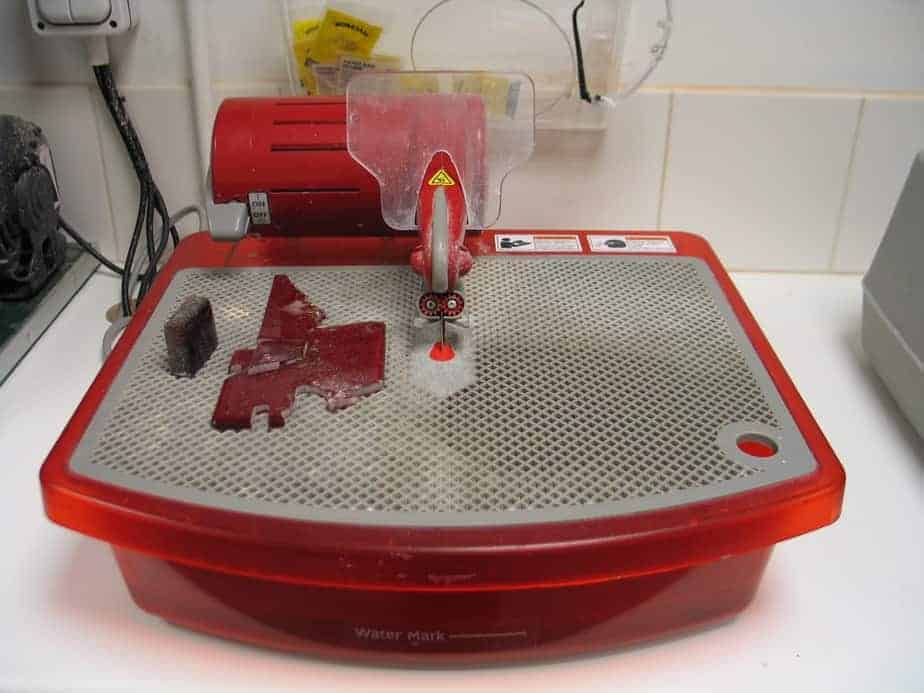
Image Source: everythingstainedglass.com
How To Cut Glass With A Saw Safely: Expert Guide
Can you cut glass with a regular saw? No, you generally cannot cut glass with a standard wood or metal saw. These saws use teeth that will chip, shatter, or simply grind away at the glass, causing damage and potentially dangerous flying shards. However, specialized saws designed for glass, often utilizing a diamond blade, can effectively cut glass.
Cutting glass with a saw might seem like a daunting task, often associated with delicate scoring and snapping. However, with the right tools, techniques, and an unwavering commitment to safety, you can achieve clean, precise cuts on various types of glass. This comprehensive guide will walk you through the process, demystifying the art of using a glass cutting saw and ensuring your projects are successful and safe. We’ll cover everything from selecting the appropriate saw for glass to mastering essential glass cutting techniques.
Choosing the Right Glass Cutting Saw
Not all saws are created equal when it comes to glass. The key lies in the abrasive nature of the cutting edge. For glass, this means a diamond blade glass or a specialized abrasive wheel is essential.
Types of Saws for Glass
-
Wet Saw Glass (Tile Saw): These are perhaps the most versatile and common tools for cutting glass, especially for DIY projects and tile work. A wet saw glass uses a continuous rim diamond blade that is cooled and lubricated by a water reservoir. This not only keeps the blade sharp and prevents overheating but also significantly reduces dust, making the process much safer and cleaner. They are excellent for straight cuts and angled cuts (miters) on various glass thicknesses. Many tile saw glass units are designed for ceramic and porcelain tile but can be effectively used for glass with the correct blade.
-
Dedicated Glass Saws: These saws are specifically engineered for cutting glass. They often feature a more powerful motor, a precisely adjustable cutting depth, and a water system integrated for optimal cooling and dust suppression. While more expensive than a standard wet saw, they offer superior precision and longevity for frequent glass cutting.
-
Rotary Tools with Diamond Cutting Wheels: For smaller, more intricate cuts or detailed work, a high-speed rotary tool fitted with a thin diamond blade glass cutting wheel can be effective. However, these are best suited for thinner glass and require a very steady hand. The risk of chipping or breakage is higher with this method.
-
Jigsaws with Diamond Blades: While less common, some jigsaws can be fitted with flexible diamond blade glass cutting blades. This is typically used for curved cuts or cutouts. Again, control and a slow, steady pace are paramount.
The Crucial Role of the Glass Saw Blade
The glass saw blade is the heart of any glass cutting operation. For glass, this almost universally means a diamond blade glass cutting disc.
Diamond Blades Explained
Diamond blades are not made of diamond in the same way a jeweler’s stone is. Instead, they have industrial-grade diamonds, which are extremely hard, embedded into the metal rim of the blade. These microscopic diamond particles act as tiny abrasives, grinding away the glass rather than cutting it with teeth.
-
Continuous Rim Blades: These blades have a smooth, unbroken edge of diamond abrasive. They are ideal for cutting stained glass and thinner, smoother glass as they produce a cleaner, chip-free edge. A continuous rim blade on a wet saw glass is a popular choice for decorative glasswork.
-
Segmented Blades: These blades have small gaps or segments along the cutting edge. They are more aggressive and better suited for thicker materials or when faster cutting is needed. While they can cut glass, they may produce a rougher edge compared to continuous rim blades, requiring more finishing.
-
Turbo Rim Blades: A hybrid between continuous and segmented, turbo blades have small, wave-like patterns on the rim. They offer a balance between aggressive cutting and a cleaner finish, making them a good option for general glass cutting.
When selecting a glass saw blade, consider the thickness and type of glass you will be cutting. A thinner blade is generally better for thinner glass, and a blade specifically marketed for glass will perform best.
Safety First: Essential Precautions
Working with glass and power tools demands strict adherence to safety protocols. Glass can shatter unexpectedly, sending sharp fragments flying. A glass cutting saw, especially a wet saw, also involves water and electricity, requiring careful handling.
Personal Protective Equipment (PPE)
- Safety Glasses or Goggles: Absolutely non-negotiable. Wear ANSI-approved safety glasses that provide full coverage around the eyes. Regular eyeglasses are not sufficient.
- Gloves: Cut-resistant gloves are crucial for handling glass, both before and after cutting, to prevent lacerations.
- Dust Mask or Respirator: Even with a wet saw, fine glass dust can become airborne. A mask will protect your lungs.
- Hearing Protection: Power saws can be loud. Earplugs or earmuffs are recommended, especially for extended use.
- Long Sleeves and Pants: Wear sturdy clothing that covers your arms and legs to protect against minor shards.
- Closed-Toe Shoes: Protect your feet from dropped glass.
Workspace Safety
- Stable Surface: Ensure your saw is placed on a firm, level, and stable surface. Vibrations can cause a saw to move.
- Clear Work Area: Remove any clutter from around your workspace. This minimizes tripping hazards and ensures you have room to maneuver the glass safely.
- Proper Ventilation: Even with a wet saw, some vapor can be produced. Ensure good airflow.
- Electrical Safety: If using a corded saw, inspect the power cord for damage. Ensure the outlet is properly grounded and avoid using the saw in wet conditions beyond what the wet saw system is designed for.
- Water Management (for Wet Saws): Regularly check the water reservoir. A consistent water supply is crucial for blade cooling and dust suppression. Dispose of the dirty water responsibly; it contains fine glass particles.
Preparing Your Glass and Saw
Proper preparation is key to a successful and safe cut. This involves both the glass itself and the setup of your glass cutting saw.
Inspecting the Glass
Before you even power on the saw, carefully inspect the glass for any existing cracks, chips, or imperfections. These can act as stress points and cause the glass to break unexpectedly during cutting. If you find any significant flaws, it’s best to use a different piece of glass.
Securing the Glass
Glass can move during cutting, leading to inaccurate results or accidents.
- Work Surface: Ensure the surface of your saw’s table or the area where you’ll place the glass is clean and free of debris.
- Clamps or Guides: For straight cuts, use the saw’s rip fence or guide rails. For freehand cuts or more complex shapes, consider using specialized glass clamps or temporary supports to stabilize the glass. Be careful not to overtighten clamps, as this can stress the glass.
Setting Up the Wet Saw
If you are using a wet saw glass or a tile saw glass, follow these setup steps:
- Fill the Reservoir: Add clean water to the reservoir according to the manufacturer’s instructions. Do not overfill.
- Install the Blade: Ensure the correct glass saw blade (typically a continuous rim diamond blade) is securely installed on the saw, with the arbor nut tightened correctly.
- Check Water Flow: Turn on the pump and check that water is flowing correctly to the blade.
- Test Run: Briefly run the saw to ensure the blade is spinning true and the water system is working efficiently.
Mastering Glass Cutting Techniques with a Saw
With your safety gear on and your equipment ready, it’s time to learn the actual cutting process.
Straight Cuts
Straight cuts are the most common and are typically made using the rip fence or guide rails on your glass cutting saw.
- Measure and Mark: Carefully measure and mark your cutting line on the glass. For clear glass, a permanent marker works well. For tinted or textured glass, you might need a different marking tool. Some professionals use a specialized marking crayon designed for glass.
- Position the Glass: Align the marked cutting line with the glass saw blade. Ensure the glass is firmly against the fence or guide.
- Start the Saw: Turn on the saw and allow the blade to reach full speed.
- Feed the Glass: Slowly and steadily feed the glass into the spinning blade. Let the blade do the work; do not force the glass. Maintain consistent pressure.
- Complete the Cut: Continue feeding the glass until the cut is complete.
- Turn Off Saw: Turn off the saw and wait for the blade to stop spinning completely before removing the cut piece.
Angled Cuts (Miter Cuts)
Many tile saw glass units and dedicated glass saws allow for angled cuts by tilting the saw’s table or the blade housing.
- Adjust the Angle: Set the saw’s table or blade housing to the desired angle (e.g., 45 degrees).
- Secure Glass: Ensure the glass is firmly against the fence or any miter guides.
- Cut: Feed the glass slowly and steadily into the blade, maintaining the angle throughout the cut.
Curved Cuts and Intricate Shapes
Cutting intricate shapes or curves with a saw is more challenging.
- Scoring and Breaking (for specific shapes): For simple curves or cutouts, you might first score the glass with a traditional scoring glass tool along the desired path, then use a specialized glass nipper to remove small pieces along the score line. This is not typically done with a saw, but rather as a separate technique.
- Jigsaws with Diamond Blades: For more complex curves, a jigsaw with a flexible diamond blade glass cutting attachment can be used. This requires extreme precision, slow speeds, and constant adjustment. It’s generally better suited for thinner glass.
- Rotary Tools: Small, intricate cuts can be made with a rotary tool and a thin diamond wheel. This is often used for decorative etching or small internal cutouts.
Finishing and Polishing
After cutting, the edges of the glass may be sharp and slightly rough.
- Removing Burrs: Carefully inspect the edges. Any small burrs can often be removed with a fine-grit abrasive stone designed for glass, or by lightly running the edge over a fine-grit sandpaper.
- Edge Polishing: For a smooth, professional finish, you can use specialized glass polishing compounds and pads, or a dedicated glass polishing wheel on a rotary tool or a polisher. This is especially important for pieces that will be handled or displayed.
Common Problems and How to Solve Them
Even with experience, you might encounter issues.
- Chipping: Excessive force, a dull blade, or a blade not suitable for the glass type can cause chipping. Ensure you are using the correct glass saw blade, a wet saw system for cooling, and a slow, steady feed rate.
- Breakage: Pre-existing flaws in the glass, improper support, or forcing the glass can lead to breakage. Always inspect glass carefully and ensure it is well-supported.
- Inaccurate Cuts: This is usually due to the glass moving during the cut, poorly aligned guides, or an unstable saw. Double-check your setup and ensure the glass is firmly secured.
- Overheating: Insufficient water flow in a wet saw or pushing the glass too fast can cause the blade to overheat, leading to premature wear and poor cutting performance. Ensure your water system is functioning correctly.
When to Consider Traditional Glass Cutting
While this guide focuses on saws, it’s important to remember that for many simple straight or curved cuts on thinner glass, traditional scoring glass and snapping techniques remain effective and often preferred. This method is more accessible for small projects and doesn’t require specialized power tools. The basic process involves using a glass cutter to create a controlled scratch (a score) on the glass surface, then applying pressure to snap the glass along that score line. This is a fundamental skill for anyone working with glass.
Frequently Asked Questions (FAQ)
Q1: What is the best saw for cutting glass?
A1: For most general purposes and DIY projects, a wet saw glass (often a tile saw with a diamond blade suitable for glass) is an excellent choice. For more specialized or high-volume work, a dedicated glass saw with a diamond blade glass is ideal.
Q2: Can I cut tempered glass with a saw?
A2: No, it is generally not possible to cut tempered glass with any type of saw. Tempered glass is heat-treated for strength, and attempting to cut it will cause it to shatter into many small pieces. If you need tempered glass cut to size, you must order it that way from the manufacturer.
Q3: What is the difference between scoring glass and using a saw?
A3: Scoring glass involves creating a controlled scratch on the surface of the glass with a scoring tool, followed by snapping the glass along that line. This is typically used for thinner glass and specific types of cuts. Using a saw for glass, particularly a wet saw glass with a diamond blade glass, is a more aggressive method that grinds through the glass and is suitable for thicker materials, more complex shapes, and when precision is paramount, especially when cutting stained glass or thicker art glass.
Q4: How do I prevent chipping when cutting glass with a saw?
A4: Chipping is primarily prevented by using a high-quality, continuous rim glass saw blade designed for glass, ensuring adequate water cooling with a wet saw glass, and feeding the glass slowly and steadily into the blade. Avoid forcing the glass.
Q5: What kind of blade should I use for cutting stained glass?
A5: For cutting stained glass, a continuous rim diamond blade glass is highly recommended. This type of blade provides a smooth, chip-free edge essential for delicate stained glass work. Using a wet saw glass is also beneficial for cooling and dust control.
Conclusion
Cutting glass with a saw is a skill that can open up a world of creative possibilities, from custom home décor to intricate art projects. By selecting the appropriate glass cutting saw, understanding the crucial role of the glass saw blade, prioritizing safety above all else, and practicing precise glass cutting techniques, you can achieve professional-looking results. Whether you’re working with a wet saw glass, a tile saw glass, or a specialized saw for glass, remember that patience, attention to detail, and a commitment to safety are your most valuable tools. Happy cutting!