
Can I cut metal with an angle grinder? Yes, you absolutely can cut metal with an angle grinder. In fact, angle grinders are incredibly versatile tools for metalworking, capable of cutting, grinding, and polishing metal with the right attachments. This comprehensive guide will walk you through how to cut metal with an angle grinder safely and effectively, covering everything from choosing the right tools to mastering cutting techniques. We’ll also delve into essential angle grinder safety for metal to ensure you complete your projects without incident.
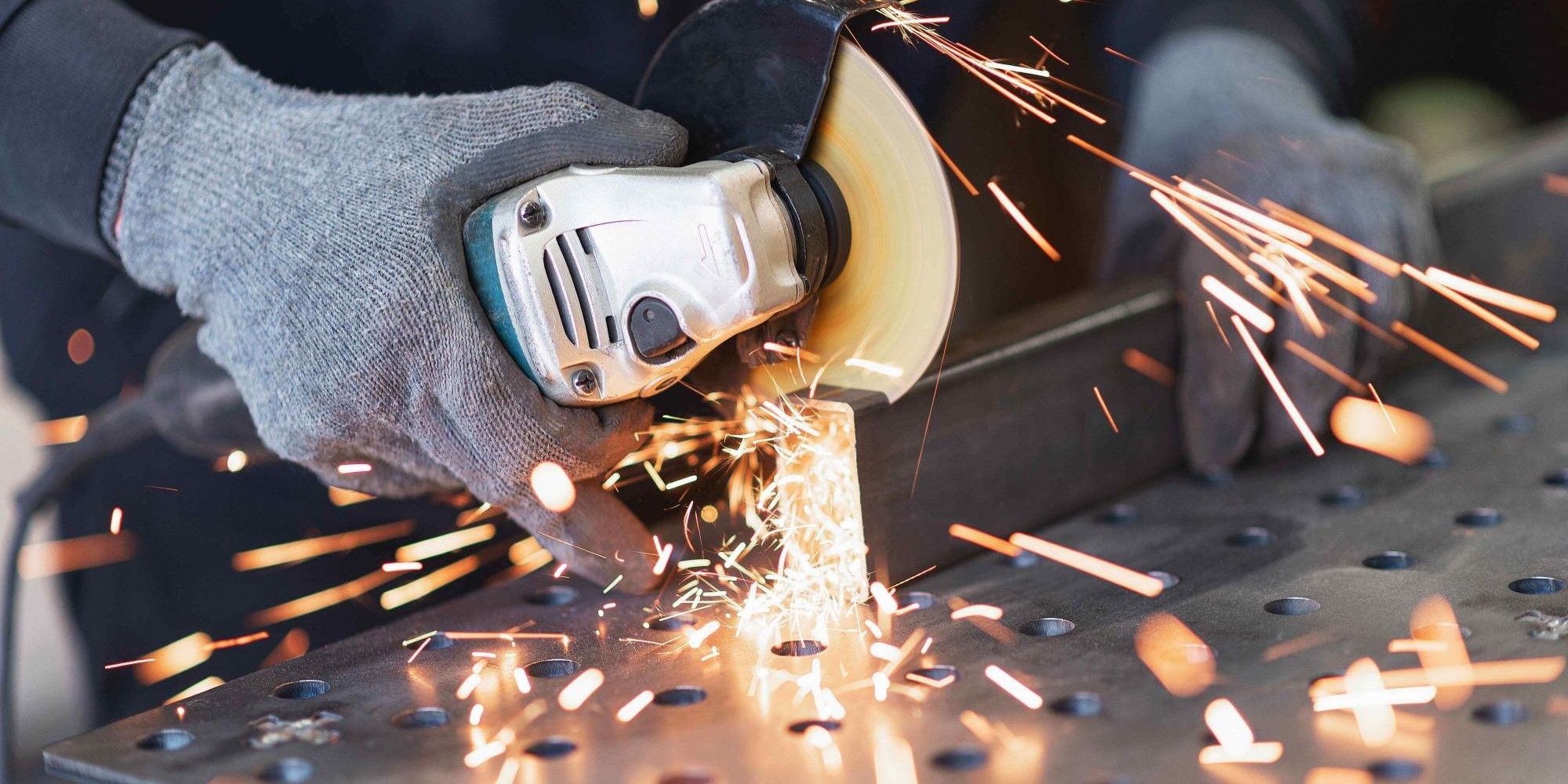
Image Source: www.cutmy.co.uk
Choosing the Right Angle Grinder and Accessories
Before you start cutting, selecting the correct angle grinder and accessories is paramount. The best angle grinder for metal depends on your project’s scale and frequency of use.
The Best Angle Grinder for Metal
For general metal cutting tasks, a 4.5-inch or 5-inch angle grinder is a popular choice. These offer a good balance of power and maneuverability. If you’re tackling thicker metal or larger projects, a 7-inch or 9-inch grinder might be more suitable. Consider corded models for continuous power or cordless options for portability. Look for features like adjustable speed, soft start, and anti-vibration handles for enhanced control and comfort. A portable angle grinder for metal is ideal for on-site work.
Understanding Angle Grinder Cutting Discs
The angle grinder cutting disc is the critical component for slicing through metal. There are several types, each designed for specific materials and tasks:
- Thin Cut-Off Wheels: These are the most common for cutting metal. They are thin, abrasive discs designed to slice through material with minimal effort. Ensure you select a disc specifically rated for metal cutting. Thicker wheels can cause more friction and heat.
- Diamond Blades: While often associated with masonry, some diamond blades are designed for cutting metal, particularly thicker materials or specialized alloys. They offer longer life but can be more expensive.
- Carbide-Tipped Blades: These blades are aggressive and suitable for cutting thicker metals and cast iron. They are less common for general metal cutting with angle grinders but exist for specialized applications.
Key Considerations When Selecting a Cutting Disc:
- Material Compatibility: Always check the disc’s packaging to ensure it’s designed for the type of metal you’re cutting (e.g., steel, aluminum, stainless steel).
- Thickness Rating: Discs have a maximum thickness of material they can cut. Exceeding this can lead to disc breakage.
- RPM Rating: The disc’s RPM rating must match or exceed the angle grinder’s maximum RPM.
Essential Safety Gear and Precautions
Angle grinder safety for metal is non-negotiable. Angle grinders are powerful tools that can cause serious injury if not used properly. Always prioritize safety.
Personal Protective Equipment (PPE)
- Safety Glasses or Face Shield: Crucial to protect your eyes from flying sparks, metal fragments, and dust. A full face shield offers superior protection.
- Gloves: Heavy-duty work gloves protect your hands from heat, sharp edges, and vibrations. Leather or cut-resistant gloves are recommended.
- Hearing Protection: Angle grinders are noisy. Earplugs or earmuffs are essential to prevent hearing damage.
- Dust Mask or Respirator: Metal dust and particles can be harmful if inhaled. Wear a respirator rated for fine particulates.
- Flame-Resistant Clothing: Long-sleeved shirts and long pants made of natural fibers like cotton or denim are best. Avoid synthetic materials that can melt and stick to your skin if sparks ignite them. Wear sturdy, closed-toe shoes.
Workshop Safety Practices
- Secure Your Workpiece: Use clamps, vises, or a workbench to firmly secure the metal you’re cutting. Never attempt to hold small pieces by hand. A loose workpiece can be ejected with tremendous force.
- Clear Your Workspace: Remove any flammable materials, debris, or tripping hazards from the area. Sparks can travel surprisingly far.
- Proper Ventilation: Ensure the workspace is well-ventilated to dissipate dust and fumes.
- Inspect Your Tool and Disc: Before each use, check the angle grinder for any damage, frayed cords, or loose parts. Ensure the cutting disc is securely attached and free from cracks or chips.
- Never Force the Tool: Let the grinder do the work. Forcing it can lead to disc breakage, tool damage, and loss of control.
- Be Aware of Kickback: Kickback occurs when the rotating disc snags on the workpiece, causing the grinder to violently twist back towards the operator. Maintain a firm grip, use both hands, and stand to the side of the cutting line to avoid being in the path of the grinder if kickback occurs.
- Allow the Disc to Stop Completely: Before setting the grinder down or making adjustments, wait for the disc to stop spinning entirely.
Mastering Angle Grinder Metal Cutting Techniques
Now that you’re equipped with the right tools and safety knowledge, let’s dive into how to use an angle grinder on metal effectively.
Preparing for the Cut
- Mark Your Cut Line: Use a metal scribe, marker, or chalk to clearly mark the line you need to cut. For precise cuts, consider using a metal ruler or speed square as a guide.
- Secure the Workpiece: Clamp the metal firmly to a stable surface. If you’re cutting pipe with angle grinder, ensure the pipe is securely held so it won’t roll or move during the cut.
- Attach the Cutting Disc: Ensure the grinder is unplugged. Install the correct cutting disc, making sure it’s the right size and type for your task. Tighten the flange nut securely, but don’t overtighten.
- Put on Your PPE: Don your safety glasses or face shield, gloves, hearing protection, and respirator.
The Cutting Process
Here are some angle grinder metal cutting tips to help you achieve clean and accurate results:
- Starting the Cut:
- Hold the angle grinder with both hands.
- Gently start the grinder.
- Bring the spinning disc to the marked cut line.
- For thicker materials, you might need to “score” the metal first by making a shallow pass along the cut line.
- Making the Cut:
- Apply light, steady pressure. Let the disc do the work.
- Move the grinder in a smooth, consistent motion along the cut line.
- Keep the grinder at a slight angle (around 15-30 degrees) relative to the surface of the metal you are cutting. This helps the disc “slice” through the material rather than “pushing” it, reducing strain and improving accuracy.
- If cutting a long piece, try to make the cut in one continuous pass. If you must stop, finish the cut as cleanly as possible.
- For thicker materials, you may need to make multiple passes, gradually increasing the depth of the cut with each pass.
- Managing Sparks and Heat:
- Be aware of where the sparks are flying. Direct them away from yourself and any flammable materials.
- Metal can get very hot during cutting. Allow the workpiece to cool before handling it. You can use a spray bottle of water to cool the metal, but be cautious as this can create steam.
- Finishing the Cut:
- As you approach the end of the cut, be extra careful to maintain control. The piece you are cutting may fall away suddenly. Support it if necessary.
- Once the cut is complete, turn off the grinder and wait for the disc to stop spinning before setting it down.
Specific Cutting Scenarios
Cutting Sheet Metal
For thin sheet metal, the goal is to avoid warping. Use a thin cut-off wheel and make swift, smooth passes. Clamp the sheet metal securely to prevent it from vibrating excessively.
Cutting Pipe with Angle Grinder
When cutting pipe with angle grinder, it’s essential to keep the pipe from rolling. You can use pipe clamps or a vise. For straight cuts, use a guide or mark the circumference accurately. Rotate the pipe as you cut to make the process more efficient and create a cleaner cut.
Cutting Rebar or Thick Rods
For thicker materials like rebar, you’ll need more power and likely a thicker, more aggressive cutting disc rated for the job. Multiple passes may be necessary. Ensure the grinder is held firmly, and be prepared for increased kickback potential.
Cutting Bolts or Excess Material
Angle grinders are excellent for trimming bolts that protrude too far or for removing welded material. Again, secure the workpiece and make a clean cut close to the surface.
Angle Grinder Metal Cutting Techniques for Precision
Achieving precise cuts requires practice and attention to detail. Here are some advanced angle grinder metal cutting techniques:
Using a Guide
For straight cuts, consider using a metal ruler, a framing square, or a dedicated angle grinder cutting guide clamped to your workpiece. This will help you maintain a consistent path.
Making Straight Cuts on Larger Stock
For larger pieces of metal, like angle iron or square tubing, it’s often easier to make the cut in stages. You can make a shallow cut along your line first, then deepen it with subsequent passes. This helps prevent the disc from binding and reduces the risk of kickback.
Cutting Flush
When you need to cut something flush with a surface, like a bolt head, position the grinder so the side of the cutting disc is against the surface. Be extremely careful to avoid damaging the surrounding material.
Removing Material Gradually
If you need to reduce the size of a piece or shape it, you can use the edge of the cutting disc to remove small amounts of material at a time. This is a slower process but offers more control.
Troubleshooting Common Issues
Even with careful preparation, you might encounter issues. Here are solutions to common problems:
- Disc Binding: This usually happens when the cut is too deep or the metal flexes. Try to make shallower passes or ensure the workpiece is very well-supported. Never force a binding disc.
- Uneven Cuts: This is often due to inconsistent pressure, a shaky hand, or a workpiece that shifted. Using guides and practicing your grip can help.
- Overheating: If the metal or the grinder gets too hot, stop and let them cool. Ensure you’re using the correct disc for the material and not pushing the tool too hard.
Choosing the Right Accessories and Maintenance
Beyond the cutting disc, other accessories can enhance your angle grinder metal cutting guide.
Accessories
- Diamond Cutting Wheels: As mentioned, these are great for durability and specific materials.
- Flap Discs: While not for cutting, flap discs are excellent for deburring edges after cutting.
- Wire Wheels/Brushes: Useful for cleaning rust and paint before or after cutting.
Maintenance
- Cleanliness: Keep your angle grinder clean and free of dust and debris.
- Disc Replacement: Replace cutting discs as soon as they show significant wear or damage. A worn disc is less effective and more prone to breaking.
- Tool Inspection: Regularly check the tool’s power cord, housing, and guards for any signs of damage.
When to Consider Professional Help
While an angle grinder is a powerful DIY tool, certain tasks are best left to professionals:
- Cutting very thick or hardened metals: This may require specialized equipment.
- Complex fabrication: For intricate designs or high-precision work, other tools or professional services might be better suited.
- Working with highly specialized alloys: Some materials require specific cutting techniques and safety protocols.
Frequently Asked Questions (FAQ)
Q1: What is the best angle grinder for metal cutting?
The best angle grinder for metal cutting is typically a 4.5-inch or 5-inch model for general use, offering a good balance of power and maneuverability. For heavier tasks, a larger 7-inch or 9-inch grinder might be necessary. Corded models provide consistent power, while cordless ones offer portability.
Q2: Can I use a grinding disc to cut metal with an angle grinder?
No, you should not use a grinding disc to cut metal. Grinding discs are designed for removing material by abrasion from the surface, not for slicing through. Using a grinding disc for cutting can cause it to shatter, leading to serious injury. Always use a dedicated cutting disc designed for metal.
Q3: How long do angle grinder cutting discs last?
The lifespan of an angle grinder cutting disc depends on the material being cut, the thickness of the material, the depth of the cut, and how the grinder is used. Thin cut-off wheels will wear down over time and need to be replaced. Diamond blades generally last much longer than abrasive discs.
Q4: What is the safest way to use an angle grinder?
The safest way to use an angle grinder involves wearing appropriate Personal Protective Equipment (PPE) such as safety glasses or a face shield, gloves, hearing protection, and a dust mask. Always secure your workpiece, keep your workspace clear, maintain a firm grip with both hands, stand to the side of the cutting line to avoid kickback, and never force the tool.
Q5: How do I prevent metal from warping when cutting with an angle grinder?
To prevent metal warping, use a thin cut-off wheel, make swift and smooth passes, apply light and steady pressure, and avoid overheating the metal. If cutting thicker material, consider making multiple shallow passes rather than one deep cut. Ensuring the workpiece is securely clamped can also help minimize vibration and warping.
By following these guidelines and practicing safe operation, you can confidently tackle a wide range of metal cutting projects with your angle grinder. Remember, safety always comes first!