
Can you fix hammer toe without surgery? Yes, absolutely! Many effective methods exist for non-surgical hammer toe correction that can alleviate pain and improve toe alignment. If you’re experiencing the discomfort of a hammer toe, you’re not alone, and you have options beyond the operating room.
Hammer toe is a common foot condition where one or more of your smaller toes bend abnormally at the middle joint, causing it to resemble a hammer. This unnatural bend can lead to significant hammer toe pain, difficulty wearing shoes, and even further foot problems. Fortunately, there are numerous ways to address this issue without resorting to surgery. This guide will delve into easy, effective strategies for hammer toe treatment, from simple home remedies to specialized devices.
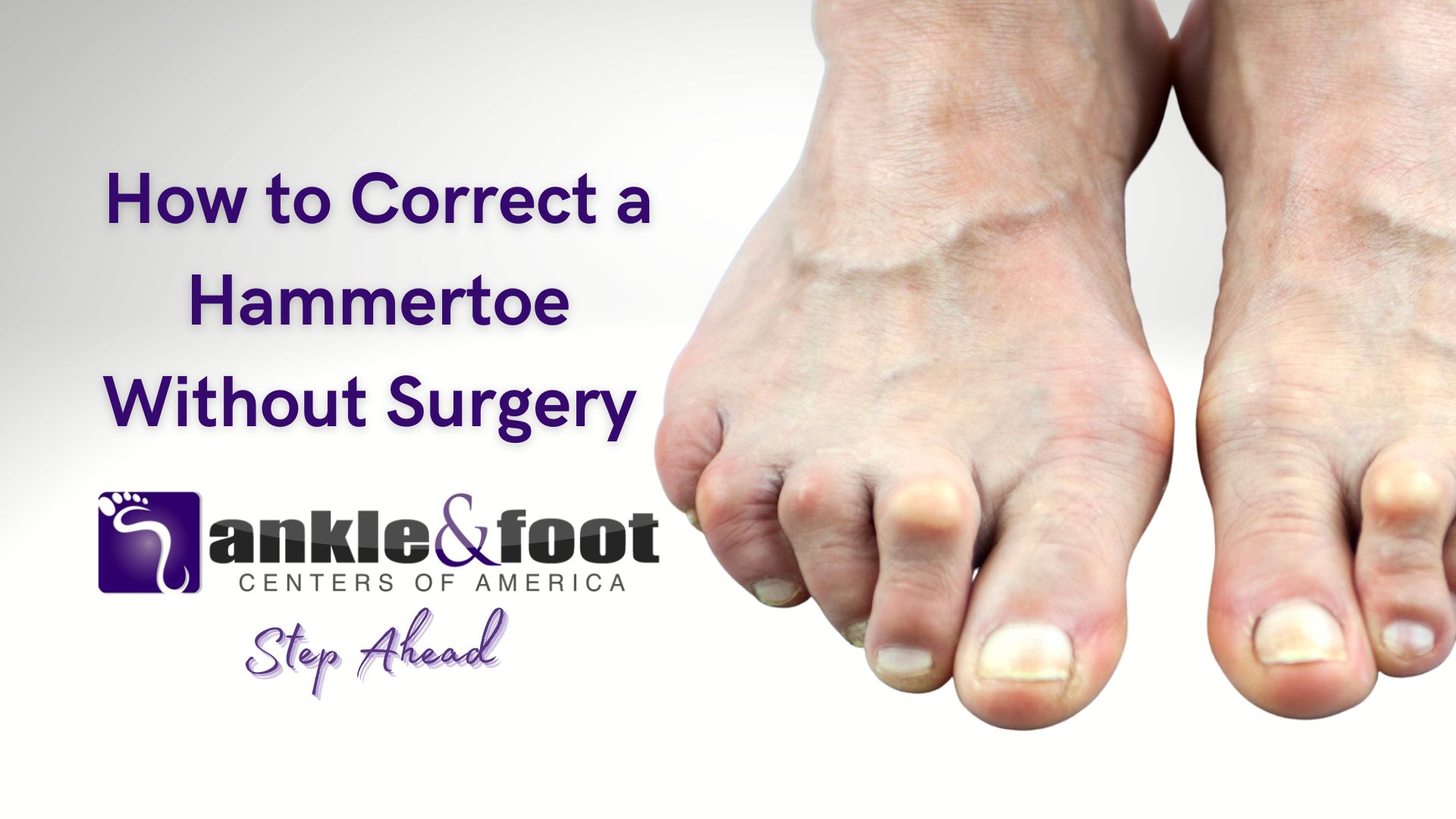
Image Source: ankleandfootcenters.com
What is Hammer Toe?
To effectively tackle hammer toe, it’s crucial to grasp what it is. A hammer toe is a deformity of the toe, most commonly affecting the second, third, or fourth toes. It happens when the muscles and tendons in your toe become too short, causing the toe to bend downwards. This bend occurs at the proximal interphalangeal (PIP) joint, the middle joint of the toe.
Over time, this persistent bending can cause the toe to become stiff and fixed in its hammer-like position. The constant pressure from the bent toe against shoes can lead to corns, calluses, and intense pain.
Causes of Hammer Toe: What Leads to This Condition?
Several factors can contribute to the development of hammer toe. Recognizing these causes is key to both treatment and hammer toe prevention.
Footwear Choices
- Tight, Narrow Shoes: Shoes that pinch your toes, especially high heels, force your toes into a bent position. This is a major contributor.
- High Heels: Consistently wearing high heels shifts your body weight forward, putting extra pressure on the ball of your foot and toes.
Foot Anatomy and Structure
- High Arches: People with high arches are more prone to hammer toes because their toes are naturally elongated and more susceptible to bending.
- Bunions and Hammer Toe: Bunions, a bony bump that forms on the joint at the base of your big toe, can push the second toe out of alignment, leading to a hammer toe. The relationship between bunions and hammer toe is common, as the pressure and misalignment caused by a bunion can force adjacent toes into abnormal positions.
- Toe Length: If your second toe is longer than your big toe, it’s more likely to get crammed into shoes and develop into a hammer toe.
Muscle Imbalances and Nerve Damage
- Muscle Weakness: Weakness in the intrinsic muscles of the foot can contribute to the abnormal bending of the toes.
- Nerve Damage: Conditions that affect the nerves, such as peripheral neuropathy (often associated with diabetes) or nerve entrapment, can cause muscle imbalances and lead to hammer toe.
Trauma
- Injury: A stubbed toe, a dropped object on the foot, or a fracture can damage the muscles, tendons, or nerves, leading to hammer toe.
Non-Surgical Hammer Toe Correction: Your Step-by-Step Guide
The good news is that many hammer toe cases can be effectively managed and even corrected without surgery, especially when addressed early. The goal of non-surgical hammer toe correction is to relieve pain, reduce pressure, and gradually realign the toe.
1. Smart Shoe Choices and Foot Care Tips
This is often the most crucial step in managing and preventing hammer toe.
- Choose Properly Fitting Shoes:
- Wide Toe Box: Ensure your shoes have plenty of room in the toe area so your toes can lie flat. Avoid shoes that taper to a point.
- Low Heels: Opt for shoes with minimal or no heel. Heels push your foot forward and cram your toes.
- Adequate Depth: Make sure there’s enough height in the shoe to accommodate your toes without rubbing.
- Avoid High Heels and Pointy Shoes: These are the enemies of healthy toes.
- Consider Orthotic Inserts: Over-the-counter or custom-made orthotics can help support your arch, redistribute pressure, and improve toe alignment.
2. Home Remedies for Hammer Toe
Several simple yet effective home remedies can provide significant hammer toe pain relief and encourage correction.
- Warm Water Soaks: Soaking your feet in warm water can help relax the muscles and tendons. You can add Epsom salts for added relief.
- Gentle Massage: Massaging your toes and the arch of your foot can improve circulation and help loosen tight muscles. Focus on gently stretching the bent toe.
- Protecting Corns and Calluses: If corns or calluses have formed on your hammer toe, use moleskin or protective pads to cushion them and prevent further irritation from shoes. You can also gently file down calluses with a pumice stone after soaking your feet.
3. Toe Straightening Exercises
Regularly performing specific toe straightening exercises can strengthen the muscles and tendons, helping to correct the bend and improve flexibility. Consistency is key!
Toe Curls
- How to do it: Sit with your feet flat on the floor. Try to scrunch your toes upwards, as if you’re trying to pick up a marble with them. Hold for a few seconds, then relax.
- Frequency: Aim for 10-15 repetitions, several times a day.
Towel Slides
- How to do it: Place a small towel flat on the floor. Sit in a chair with your feet on the towel. Use your toes to bunch up the towel, pulling it towards you. Then, push it back out.
- Frequency: Repeat this 10-15 times.
Marble Pickups
- How to do it: Sit with your feet on the floor. Place a few marbles near your toes. Use your toes to pick up each marble and place it in a small bowl.
- Frequency: Do this for 5-10 minutes daily.
Toe Abduction and Adduction
- How to do it: Sit with your feet flat. Try to spread your toes apart as far as possible. Hold for a few seconds, then bring them back together.
- Frequency: Aim for 10-15 repetitions.
4. The Best Hammer Toe Brace and Splinting Options
Wearing a hammer toe brace or splint is a highly effective non-surgical method for gentle correction and pain relief. These devices help to support the bent toe and gradually pull it into a straighter position.
Types of Hammer Toe Braces
- Toe Straighteners/Separators: These are often made of gel or silicone and slip between your toes to keep them apart and aligned. Some also have loops that go around the affected toe to gently pull it straight.
- Hammer Toe Splints: These devices usually wrap around the toe and the adjacent toe, providing support and stability to the bent joint.
- Arch Supports and Straps: Some braces combine arch support with toe straightening capabilities, addressing potential underlying causes of hammer toe.
How to Choose the Best Hammer Toe Brace
- Comfort: It should be comfortable enough to wear for extended periods.
- Material: Hypoallergenic materials are best for sensitive skin.
- Adjustability: Some braces offer adjustable tension, allowing you to control the amount of pressure applied.
- Purpose: Consider if you need it for daily wear, during sleep, or for specific activities.
Wearing Your Brace
- Gradual Introduction: If you’re new to braces, start by wearing them for a few hours a day and gradually increase the duration.
- Nighttime Use: Many people find it beneficial to wear a hammer toe brace at night, as this is when your feet are relaxed and more receptive to gentle correction.
- Consistency: Regular use is crucial for seeing results.
5. Taping Your Toes
A simple and accessible method for non-surgical hammer toe correction involves taping your toes. This can help realign the toe and provide support.
- How to Tape:
- Start with clean, dry feet.
- If you have a hammer toe, you can tape it to the adjacent toe.
- Place a small piece of medical tape or moleskin between the affected toe and the one next to it to keep them separated.
- Then, gently wrap athletic tape around the affected toe and the toe next to it, pulling the hammer toe upwards to straighten it.
- Ensure the tape is snug but not too tight to cut off circulation.
- Change the tape daily, checking for any skin irritation.
6. Pacing and Rest
If your hammer toe is causing pain, especially after activity, giving your feet adequate rest is vital.
- Elevate Your Feet: When resting, elevate your feet to reduce swelling and promote circulation.
- Avoid Overexertion: Listen to your body. If an activity aggravates your hammer toe pain, scale back or avoid it.
7. Weight Management
If you are overweight, losing even a small amount of weight can significantly reduce the pressure on your feet, alleviating hammer toe pain and potentially slowing the progression of the deformity.
When to Seek Professional Help
While home remedies and non-surgical devices are powerful tools, there are times when consulting a healthcare professional is essential.
What to Discuss with Your Doctor or Podiatrist
- Persistent Pain: If pain is severe or doesn’t improve with home care.
- Difficulty Walking: If the hammer toe significantly impacts your mobility.
- Open Sores or Infections: Any open sores, blisters, or signs of infection require immediate medical attention.
- Underlying Conditions: If you suspect your hammer toe is related to diabetes, arthritis, or nerve damage, a professional diagnosis is crucial.
A podiatrist can assess the severity of your hammer toe, identify any underlying causes, and recommend the most appropriate treatment plan, which might include custom orthotics, physical therapy, or, in some cases, a discussion about surgical options if non-surgical methods have failed.
Hammer Toe Prevention: Keeping Your Toes Happy
Preventing hammer toe is often easier than treating it. Incorporating good foot care habits can save you a lot of discomfort down the line.
Key Prevention Strategies
- Wear the Right Shoes: This cannot be stressed enough! Prioritize comfort and proper fit over fashion.
- Maintain a Healthy Weight: Reducing stress on your feet is crucial.
- Strengthen Your Feet: Regularly performing toe exercises can keep your foot muscles strong and balanced.
- Address Foot Issues Early: If you notice early signs of bunions or toe deformities, seek professional advice to prevent them from worsening.
- Regular Foot Inspections: Check your feet regularly for any changes, especially if you have diabetes or nerve issues.
Living with Hammer Toe: Making Adjustments
Living with hammer toe doesn’t mean you have to endure constant pain or limit your activities. By adopting these strategies, you can manage the condition effectively and maintain a good quality of life.
- Listen to Your Feet: Pay attention to what your feet are telling you. If a particular activity or shoe causes pain, it’s a signal to change your approach.
- Footwear Rotation: Don’t wear the same pair of shoes every day. Rotate your footwear to allow them to air out and recover their shape.
- Proper Foot Hygiene: Keep your feet clean and dry to prevent fungal infections and skin issues.
Frequently Asked Questions (FAQ)
Can a hammer toe fully straighten out with non-surgical methods?
In many cases, especially if caught early and the toe is still flexible, non-surgical methods can significantly improve the toe’s alignment and reduce the hammer toe pain. However, if the toe has become stiff and fixed in its position, complete straightening may not be possible without surgery. The goal of non-surgical hammer toe correction is often to manage symptoms and prevent further progression.
How long does it take to see results from non-surgical hammer toe treatment?
Results vary depending on the severity of the hammer toe, the consistency of treatment, and individual factors. Some people notice pain relief within a few weeks, while it may take several months to see noticeable improvements in toe alignment with consistent use of braces, exercises, and proper footwear.
Are bunions and hammer toe related?
Yes, bunions and hammer toe are often related. A bunion can push the second toe out of alignment, forcing it into a bent position and contributing to the development of a hammer toe. Treating a bunion can sometimes help alleviate pressure on the adjacent toes and improve hammer toe symptoms.
What is the best hammer toe brace for nighttime use?
Many people find soft, flexible toe straighteners or splints that gently hold the toe in a straighter position to be most comfortable for nighttime use. Look for options made of breathable materials.
Are there exercises to help prevent hammer toe?
Yes, exercises like toe curls, towel slides, and marble pickups are excellent for strengthening the small muscles in your feet and improving toe flexibility, which can help in hammer toe prevention.
By understanding the causes, embracing non-surgical hammer toe correction techniques, and prioritizing good foot care, you can effectively manage and improve hammer toe conditions, leading to greater comfort and mobility.