
Can you fix hammer toes without surgery? Yes, in many cases, you can improve or correct hammer toes without surgical intervention through a combination of exercises, supportive footwear, and specific devices.
Hammer toe is a common foot deformity where one or more of your toes—most often the second, third, or fourth toe—bend downwards at the middle joint. This causes the toe to look like an upside-down “V.” While often not a cause for immediate alarm, it can lead to pain, calluses, corns, and difficulty finding comfortable shoes. Fortunately, many people find significant relief and improvement by adopting non-surgical strategies. This guide will walk you through the most effective ways to address hammer toes without resorting to the operating room.
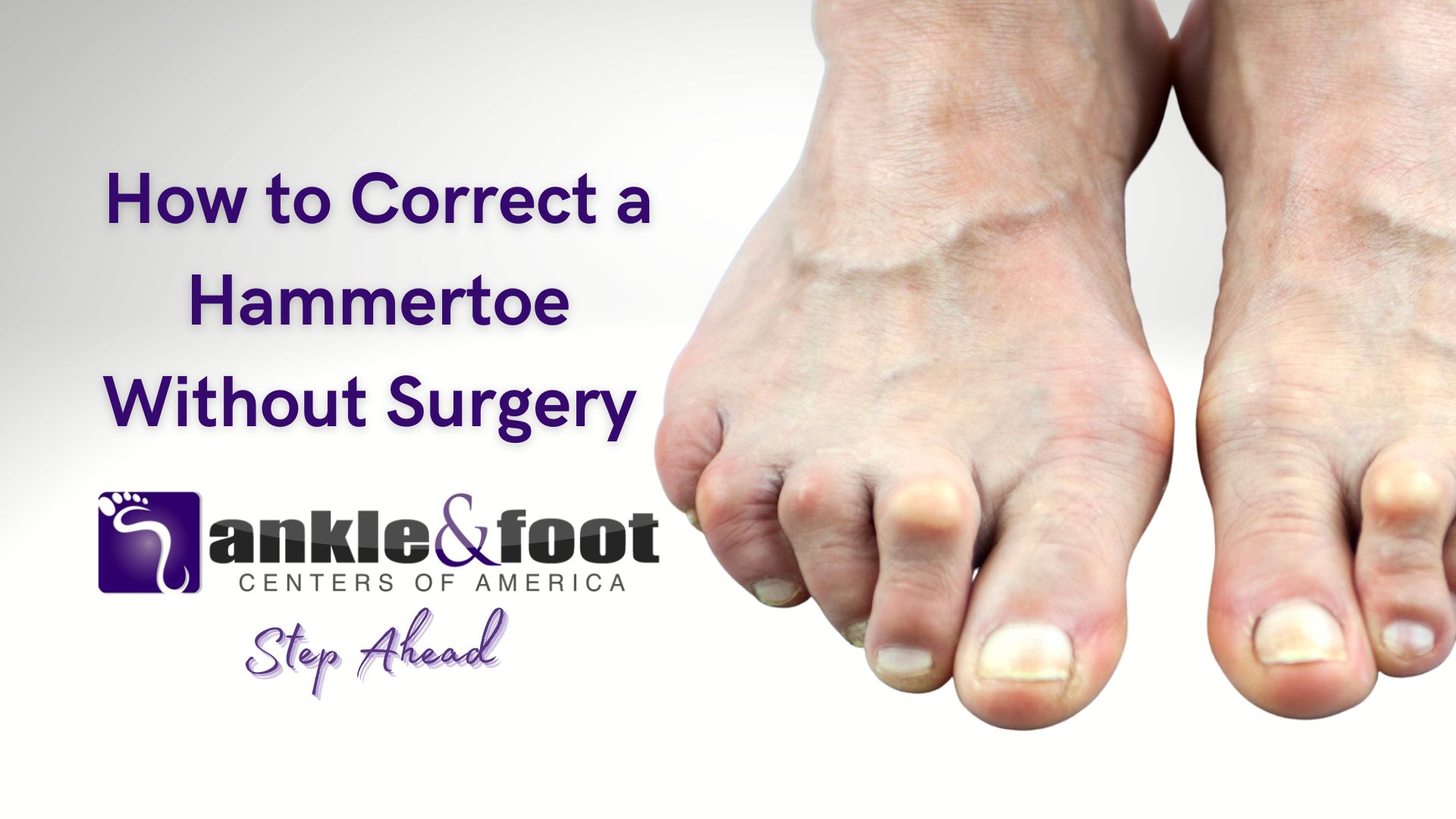
Image Source: ankleandfootcenters.com
Deciphering Hammer Toe: What It Is and Why It Happens
Before we delve into solutions, it’s important to grasp what a hammer toe is and the factors that contribute to its development.
A hammer toe occurs when the muscles and tendons in your foot become imbalanced. This imbalance causes the toe to bend abnormally at the proximal interphalangeal (PIP) joint, the middle joint of the toe. Over time, this bent position can become fixed, making the toe stiff and painful.
Several factors can lead to or exacerbate hammer toes:
- Improper Footwear: High heels and shoes that are too short or too narrow can force your toes into a cramped position, contributing to the development of hammer toes over time.
- Foot Injuries: A stubbed toe, a broken toe, or other trauma to the foot can damage the muscles and nerves, leading to toe deformities.
- Arthritis: Conditions like osteoarthritis and rheumatoid arthritis can cause inflammation and joint damage, which can affect toe alignment.
- Bunions: A bunion is a bony bump that forms on the joint at the base of your big toe. Bunions can push the other toes out of alignment, increasing the risk of developing hammer toes. Effective bunion treatment is crucial for preventing secondary toe deformities.
- Nerve Damage: Conditions that affect the nerves in your feet, such as diabetes or peripheral neuropathy, can weaken the muscles in your toes, leading to imbalance and deformity. This can also be related to neuromas pain management, where nerve irritation can affect toe function.
- Genetics: Some people may be genetically predisposed to developing certain foot structures that make them more susceptible to hammer toes.
- Aging: As we age, the tendons and muscles in our feet can lose flexibility, making them more prone to deformities.
Non-Surgical Strategies for Hammer Toe Relief
The good news is that many people can significantly improve their hammer toes with consistent, conservative treatments. The primary goals are to reduce pain, prevent the condition from worsening, and, in some cases, restore a more natural toe alignment.
1. Embracing Proper Footwear
This is arguably the most critical step in managing and correcting hammer toes. The right shoes can provide support, prevent further aggravation, and allow your toes to spread out naturally.
Key Features of Proper Footwear:
- Wide Toe Box: Look for shoes with a generous toe box that allows your toes to lie flat and uncrowded. Avoid pointed or narrow-toed shoes.
- Adequate Length: Ensure there is about a thumb’s width of space between your longest toe and the end of the shoe.
- Low Heels: High heels put excessive pressure on the forefoot and can force toes into unnatural positions. Opt for shoes with a heel height of 1 inch or less.
- Cushioning and Arch Support: Shoes with good cushioning and arch support can help distribute pressure evenly across your foot, reducing strain on your toes and potentially aiding in plantar fasciitis relief, which often coexists with toe issues.
- Flexible Materials: Shoes made from soft, flexible materials like leather or canvas can adapt to the shape of your foot without causing irritation.
What to Avoid:
- High heels (over 2 inches)
- Narrow-toed shoes
- Shoes that are too short
- Flip-flops or flimsy sandals without support
2. The Power of Hammer Toe Stretches and Foot Exercises
Regular stretching and strengthening exercises are vital for improving flexibility, strengthening weakened muscles, and restoring proper toe alignment. Consistency is key to seeing results.
Essential Hammer Toe Stretches:
- Toe Curls: Sit with your feet flat on the floor. Try to pick up a small object, like a marble or a towel, using only your toes. Hold for a few seconds and release. Repeat 10-15 times.
- Towel Stretches: Sit with your feet extended in front of you. Place a towel around the ball of your foot. Gently pull the towel towards you, feeling a stretch in your toes and the arch of your foot. Hold for 20-30 seconds and repeat 3-5 times for each foot.
- Toe Spreading: Sit comfortably and place your feet flat on the floor. Try to spread your toes apart as wide as possible. Hold for 10-15 seconds, then relax. Repeat 10-15 times.
- Marble Pick-Up: Place several marbles on the floor. Using only your toes, try to pick them up one by one and place them in a bowl. This is a great exercise for strengthening the intrinsic muscles of the foot.
- Walking on Your Toes and Heels: Periodically throughout the day, walk on your toes for a minute or two, then walk on your heels for a minute or two. This helps to build strength and improve circulation.
Strengthening Exercises:
- Resistance Band Toe Flexion: Wrap a resistance band around your toes and the balls of your feet. Gently try to flex your toes against the resistance. Hold for a few seconds and release. Repeat 10-15 times.
- Foot Doming: Sit with your feet flat on the floor. Without curling your toes, try to lift the arch of your foot, making your foot dome-shaped. Hold for 10-15 seconds, then relax. Repeat 10-15 times.
These foot exercises can be performed daily. It’s also beneficial to incorporate them into your routine if you’re seeking neuromas pain management, as improved foot mechanics can reduce nerve irritation.
3. Orthotic Inserts and Supportive Devices
Orthotic inserts are custom or over-the-counter shoe inserts designed to support your feet and improve alignment. They can help redistribute pressure, cushion the foot, and correct biomechanical issues that contribute to hammer toes.
Types of Orthotics and Supportive Devices:
- Arch Supports: These help to support the natural arch of your foot, preventing overpronation and reducing strain on the toes.
- Metatarsal Pads: Placed behind the ball of the foot, these pads can help lift the metatarsal heads and relieve pressure on the toes.
- Toe Spacers: Small devices, often made of silicone or gel, that fit between your toes. Toe spacers can help to separate the toes, reduce friction, and realign them, especially useful if bunions are also present.
- Hammer Toe Crests or Splints: These are designed to fit under the affected toe and lift it slightly, helping to reduce pressure and encourage it to straighten. They are often worn inside your shoe.
- Night Splints: Worn while you sleep, these devices help to keep your toes in a straightened position, preventing them from tightening and becoming more rigid.
When choosing orthotic inserts or devices, it’s highly recommended to consult with a podiatrist or a foot care specialist. They can assess your specific condition and recommend the most appropriate solutions.
4. Managing Corns and Calluses
Hammer toes often lead to the formation of corns and calluses. These are areas of thickened skin that develop in response to friction and pressure. While not the root cause, they can cause significant pain and discomfort.
Corn Removal and Callus Treatment:
- Soaking: Soaking your feet in warm water can soften the thickened skin, making it easier to manage.
- Gentle Filing: After soaking, you can gently file down the corn or callus using a pumice stone or a foot file. Be careful not to file too aggressively, as this can cause bleeding or infection.
- Moisturizing: Applying a rich moisturizer to your feet daily, especially after soaking and filing, can help keep the skin soft and prevent further thickening.
- Protective Pads: Over-the-counter corn pads or moleskin can provide cushioning and protect the area from further friction.
- Professional Care: If corns or calluses are particularly painful, persistent, or if you have diabetes or poor circulation, it’s best to seek professional corn removal and callus treatment from a podiatrist. They can safely remove the thickened skin and advise on ongoing care.
It’s important to address these skin issues promptly, as they can exacerbate the pain associated with hammer toes and lead to secondary problems.
5. Weight Management and Lifestyle Adjustments
Carrying excess weight puts additional stress on your feet, ankles, and toes. Losing even a small amount of weight can significantly reduce the pressure on your feet and alleviate pain.
Lifestyle Considerations:
- Healthy Diet: A balanced diet supports overall health, including the health of your connective tissues and muscles.
- Regular Exercise: Engaging in low-impact exercises like swimming, cycling, or walking can help with weight management and improve foot strength and flexibility without putting excessive stress on your toes.
6. Taping and Strapping Techniques
In some cases, specific taping or strapping techniques can help to temporarily realign the toe or provide support. This is often a short-term solution but can offer relief.
How Taping Can Help:
- Toe Alignment: A podiatrist or physical therapist can demonstrate how to tape your affected toe to another toe (buddy taping) or use specific splints to hold it in a straighter position.
- Pressure Relief: Taping can help to reduce pressure on painful areas and create a more supportive environment for the toe.
When Non-Surgical Methods Might Not Be Enough
While this guide focuses on non-surgical solutions, it’s crucial to recognize when you might need to consult a medical professional about surgical options. If conservative treatments do not provide relief, or if your hammer toe is severe, fixed, and causing significant pain or functional limitations, surgery might be considered.
Signs you should consult a doctor:
- Severe and persistent pain that interferes with daily activities.
- Inability to wear comfortable shoes.
- Open sores or infections on the toe.
- The toe is becoming increasingly rigid and cannot be straightened even with manipulation.
- Other foot conditions like bunions or neuromas are significantly impacting your foot health.
Incorporating Non-Surgical Treatments into Your Routine
The success of non-surgical hammer toe treatment hinges on consistency and a multi-faceted approach. Here’s how to integrate these strategies effectively:
Daily Practices:
- Wear Proper Footwear: Make it a habit to choose supportive, wide-toed shoes every day.
- Perform Foot Exercises: Dedicate at least 10-15 minutes each day to your hammer toe stretches and strengthening exercises.
- Moisturize: Apply lotion to your feet, especially around the toes, to maintain skin health.
Weekly Practices:
- Soak and File: Once or twice a week, soak your feet and gently file any corns or calluses.
- Review Your Orthotics: Ensure your orthotic inserts are still fitting well and providing adequate support.
As Needed:
- Taping/Splinting: Use toe spacers or night splints as recommended by your healthcare provider.
- Professional Consultations: Schedule regular check-ups with your podiatrist to monitor your progress and address any new concerns.
Table: Summary of Non-Surgical Hammer Toe Treatments
| Treatment Category | Specific Strategies | Benefits | Notes |
|---|---|---|---|
| Footwear | Wide toe box shoes, low heels, good cushioning, proper length | Prevents further deformity, reduces pressure, increases comfort | Essential for long-term management. |
| Exercises & Stretches | Toe curls, towel stretches, toe spreading, marble pick-up | Improves flexibility, strengthens muscles, aids in toe alignment | Consistency is key; perform daily. |
| Orthotics & Devices | Arch supports, metatarsal pads, toe spacers, night splints | Provides support, redistributes pressure, helps straighten toes | Custom orthotics often offer the best results; consult a professional. |
| Skin Care | Soaking, gentle filing, moisturizing, protective pads | Manages painful corns/calluses, prevents infection | Seek professional help for persistent or severe issues. |
| Weight Management | Healthy diet, low-impact exercise | Reduces overall foot stress, improves circulation | Contributes to overall foot health and can alleviate other conditions. |
| Taping & Strapping | Buddy taping, specialized splints | Temporary realignment, pressure relief | Often used as adjunctive therapy; professional guidance is recommended. |
Frequently Asked Questions (FAQ)
Q1: How long does it take to see improvement in hammer toes without surgery?
A1: Improvement varies greatly depending on the severity of the hammer toe, your consistency with treatments, and individual factors. Some people may notice reduced pain within a few weeks, while significant alignment changes can take several months or longer.
Q2: Can hammer toe exercises completely straighten a rigid hammer toe?
A2: While exercises can improve flexibility and strengthen muscles, they are most effective for flexible hammer toes or to prevent progression. For rigid or long-standing hammer toes, the deformity may be permanent without surgery, but exercises can still help manage pain and improve function.
Q3: Are over-the-counter orthotics as good as custom ones for hammer toes?
A3: Over-the-counter orthotics can provide some benefit, especially for mild cases or as a starting point. However, custom orthotics are designed to your specific foot anatomy and biomechanics, often offering more targeted support and correction, making them generally more effective for managing complex foot conditions like hammer toes.
Q4: What is the relationship between bunions and hammer toes?
A4: Bunions can significantly contribute to hammer toes. The misalignment caused by a bunion can push other toes out of their natural position, leading to imbalances in the toe muscles and tendons, which can result in hammer toe formation. Addressing bunion treatment can indirectly help prevent or improve hammer toes.
Q5: When should I worry about corns or calluses on my hammer toes?
A5: You should be concerned if corns or calluses are intensely painful, bleed, show signs of infection (redness, swelling, pus), or if you have diabetes or poor circulation. In these cases, professional corn removal and callus treatment are essential.
Q6: Can toe spacers help with both hammer toes and bunions?
A6: Yes, toe spacers can be beneficial for both conditions. They help to separate the toes, reducing friction and pressure points, and can encourage better alignment. This can alleviate discomfort associated with both hammer toes and bunions, and also aid in neuromas pain management by decompressing irritated nerves between the toes.
By committing to these non-surgical strategies, you can take significant steps towards managing your hammer toes, reducing pain, and improving your overall foot health. Always consult with a healthcare professional for personalized advice and treatment plans.