
Can you fix water hammer? Yes, you can fix water hammer, often quickly, by identifying its cause and implementing straightforward solutions.
That sudden, jarring bang when you turn off a faucet or appliance might seem like a minor annoyance, but it’s actually a sign of a more significant plumbing issue known as water hammer. This phenomenon, also referred to as pipe banging noise or water pipe vibration, occurs when water flowing rapidly through pipes is suddenly stopped or its direction is changed. The momentum of the moving water creates a shockwave that travels back through the system, causing the pipes to move and often resulting in that distinctive hammering sound. Addressing residential plumbing issues like water hammer is crucial not just for your peace of mind, but also to prevent potential damage to your plumbing system over time.
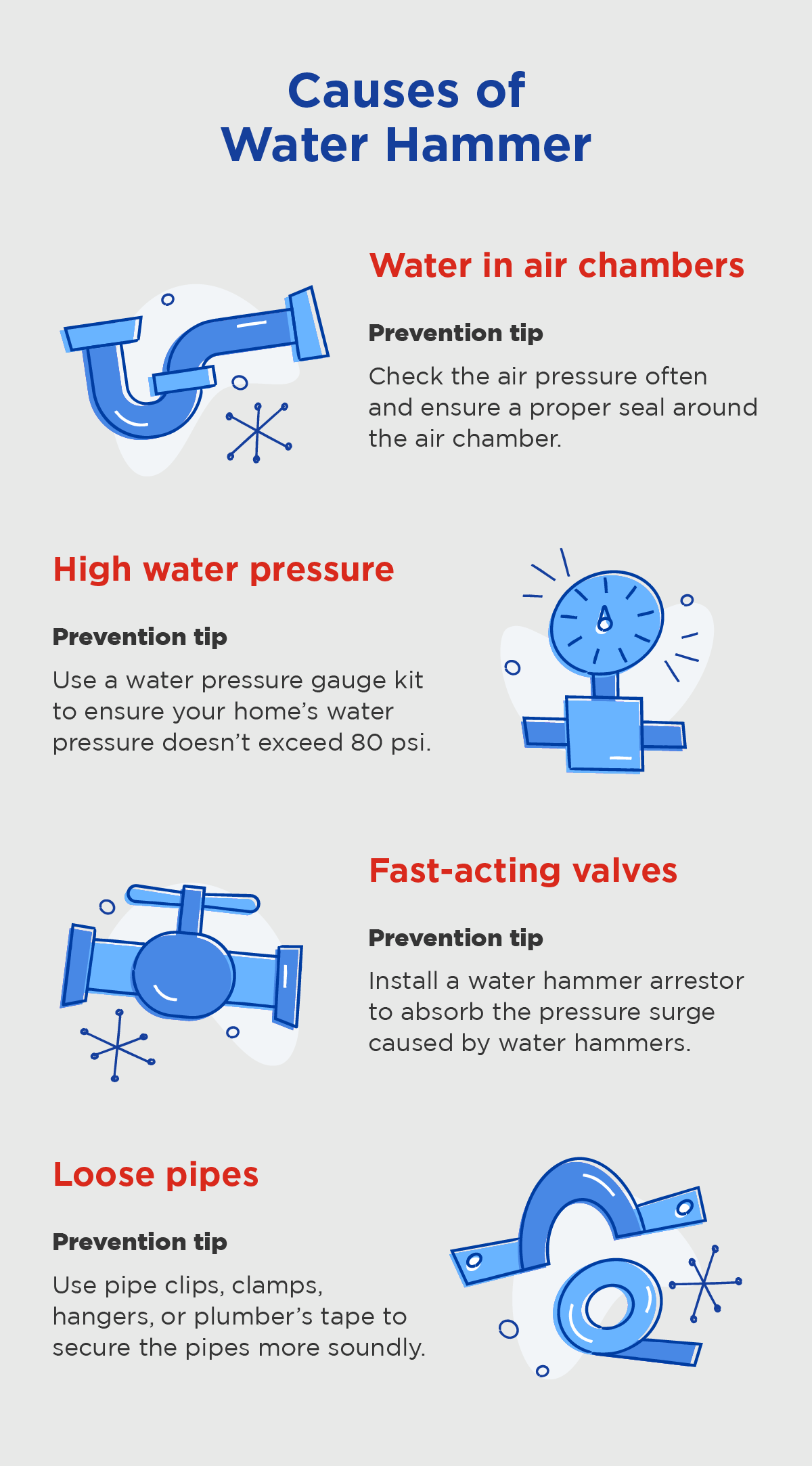
Image Source: www.mrrooter.com
Deciphering the Causes of Water Hammer
Before we can stop pipe shock, it’s important to pinpoint what’s causing it. Multiple factors can contribute to water hammer.
High Water Pressure
One of the most common culprits behind water hammer is excessively high water pressure. Your home’s plumbing system is designed to operate within a specific pressure range. When the pressure exceeds this, the force of the water is amplified, making it more likely to cause shockwaves.
Solenoid Valves in Appliances
Many modern appliances, such as washing machines, dishwashers, and ice makers, use solenoid valves to control water flow. These valves shut off the water supply very quickly. This abrupt stop is a primary trigger for water hammer, as the sudden halt in momentum creates a powerful surge.
Air Chambers (or lack thereof)
Older plumbing systems often incorporated air chambers – vertical sections of pipe filled with air that acted as cushions. When water hammer occurred, the air in these chambers would compress, absorbing the shockwave. Over time, these chambers can become waterlogged, losing their effectiveness, or they may not have been present in newer installations.
Loose Pipes
If your pipes are not securely fastened to the framing of your house, they can vibrate more freely when a shockwave passes through them. This loose movement exacerbates the pipe banging noise and can lead to more significant damage.
Worn Out Washers or Faulty Valves
Worn-out washers in faucets or faulty valves can also contribute to water hammer. These components might not be closing completely or smoothly, leading to intermittent flow disruptions that can generate shockwaves.
Swift Solutions to Reduce Water Hammer Noise
Fortunately, there are several effective water hammer solutions that can quickly and efficiently reduce water hammer noise.
H3: Install a Water Hammer Arrestor
The most direct and effective way to stop pipe shock is by installing a water hammer arrestor. These devices are specifically designed to absorb the shockwaves created by sudden water flow changes.
How Water Hammer Arrestors Work
A plumbing shock arrestor typically contains a sealed chamber with a piston and a spring or a cushion of air. When a shockwave travels through the pipe, it pushes against the piston. The piston, in turn, compresses the spring or air, absorbing the energy of the shockwave and preventing it from traveling further through the system. This action effectively dampens the noise and vibration.
Water Hammer Arrestor Installation: A Step-by-Step Guide
Water hammer arrestor installation is a relatively straightforward DIY project for those comfortable with basic plumbing. However, if you’re unsure, calling a professional plumber is always a good idea.
Tools and Materials You’ll Need:
- Water hammer arrestor: Choose the appropriate type and size for your plumbing system and the specific appliance causing the issue.
- Adjustable wrench
- Pipe wrench
- Plumber’s tape (PTFE tape)
- Bucket and towels (for catching any residual water)
- Protective eyewear
Installation Steps:
- Locate the Source: Identify the fixture or appliance that is producing the water hammer. This is often where you’ll want to install the arrestor. For a general system-wide issue, you might consider installing them near main shut-off valves or where hot and cold lines branch out.
- Turn Off the Water Supply: Crucially, shut off the main water supply to your house. You can usually find the main shut-off valve in your basement, crawl space, or near your water meter.
- Drain the Pipes: Open the faucet or appliance closest to the installation point to drain any remaining water from the pipes.
- Disconnect the Supply Line: Using your wrenches, carefully disconnect the water supply line from the problematic fixture or appliance. Be prepared for a small amount of residual water to drip out.
- Install the Arrestor:
- Wrap several layers of plumber’s tape around the threads of the water inlet where the arrestor will be attached.
- Screw the water hammer arrestor onto the pipe fitting. Hand-tighten it first, then use your wrench to tighten it an additional quarter to half turn. Avoid overtightening, as this can damage the threads or the arrestor.
- Reconnect the Supply Line: Reconnect the water supply line to the other end of the water hammer arrestor.
- Turn the Water Supply Back On: Slowly turn the main water supply back on.
- Check for Leaks: Carefully inspect the connections for any leaks.
- Test the System: Turn on the faucet or appliance to test if the water hammer has been resolved. You should notice a significant reduction or complete elimination of the banging noise.
H3: Reduce Water Pressure
If high water pressure is the root cause, installing a pressure reducing valve (PRV) on your main water line can significantly reduce water hammer noise. A PRV regulates the incoming water pressure to a safe and consistent level.
How to Check Your Water Pressure
You can check your home’s water pressure with a simple pressure gauge that screws onto an outdoor hose bib or an indoor faucet.
- Recommended Pressure: Most residential plumbing systems are designed to operate effectively between 40 and 60 PSI (pounds per square inch).
- High Pressure: If your pressure consistently reads above 80 PSI, it’s definitely too high and a prime suspect for water hammer.
Installing or Adjusting a PRV
Many homes already have a PRV installed where the water line enters the house. If your pressure is too high, you may need to adjust the existing PRV or have a new one installed. This is a task best left to a qualified plumber, as improper installation can lead to insufficient water flow or continued high pressure.
H3: Secure Loose Pipes
Loose pipes are a major contributor to the audible effects of water hammer. Even if you dampen the shockwave, if the pipes are free to rattle, you’ll still hear a pipe banging noise.
Identifying Loose Pipes
Gently tap on exposed pipes. If they feel loose or you can easily move them, they likely need to be secured.
Securing Pipes
- Pipe Clamps and Straps: Use pipe clamps or straps specifically designed for plumbing to secure pipes to joists, studs, or walls. Ensure the clamps have rubber or plastic lining to prevent pipe damage and further noise.
- Strategic Placement: Place fasteners at regular intervals along the pipe runs, especially at turns and near fixtures where water flow changes are common.
- Avoid Over-Tightening: Secure the pipes firmly but avoid over-tightening, which can restrict water flow or damage the pipes.
H3: Replace Worn Parts
Faulty components within your plumbing fixtures can also initiate water hammer.
Faucet Washers
Old, worn-out rubber washers in faucets are a common cause of intermittent water flow, leading to a hammering effect. Replacing these is a simple and inexpensive fix.
Steps to Replace Faucet Washers:
- Turn off the water supply to the faucet.
- Disassemble the faucet handle.
- Remove the faucet stem.
- Locate and remove the old washer.
- Replace it with a new, correctly sized washer.
- Reassemble the faucet.
- Turn the water back on and test.
Faulty Solenoid Valves
For appliances with solenoid valves, if the valve is malfunctioning, it might be shutting off too abruptly. Replacing a faulty solenoid valve can resolve the issue. This is often a more complex repair and might require professional assistance.
H3: Air Chambers – The Traditional Solution
While modern water hammer arrestor installation is the preferred method, repairing or creating air chambers can also help reduce water hammer noise.
Reactivating Waterlogged Air Chambers
If you suspect your older air chambers have become waterlogged, you can try to reactivate them.
Steps to Reactivate Air Chambers:
- Turn off the main water supply.
- Open the faucet furthest from the water heater.
- Open the faucet closest to the water heater.
- Locate the air chamber (usually a vertical pipe extending upwards from the horizontal pipe near a fixture).
- Using a wooden mallet or rubber hammer, gently tap on the air chamber. The goal is to dislodge any trapped water.
- Close all faucets.
- Slowly turn the water supply back on.
- Open the faucets one by one, starting with the furthest from the water heater, to allow air to fill the chambers.
Installing New Air Chambers
If your system lacks air chambers or they are beyond repair, you can install new ones. This involves cutting into the pipe and installing a short, capped vertical section of pipe. This is a more involved plumbing task and is often better handled by a professional.
Advanced Plumbing Noise Diagnosis and Solutions
When the common fixes don’t seem to work, or if you have a more complex system, plumbing noise diagnosis might be necessary.
H5: Understanding System-Wide Issues
Sometimes, water hammer isn’t isolated to a single fixture. It can be a symptom of a broader problem within the plumbing network.
- Multiple Appliances: If multiple appliances with solenoid valves are connected to the same line, the cumulative effect can be significant.
- Long Pipe Runs: Longer, straighter runs of pipe can amplify shockwaves.
- Material of Pipes: Older galvanized steel pipes are more prone to corrosion and build-up, which can affect water flow and create turbulence.
H5: Professional Help for Persistent Problems
If you’ve tried the basic solutions and the water pipe vibration and banging persist, it’s time to call a professional plumber. They have specialized tools and expertise to perform a thorough plumbing noise diagnosis and implement more advanced water hammer solutions.
What a Plumber Can Do:
- Pressure Testing: Precisely measure water pressure throughout the system.
- Camera Inspections: Inspect pipes for internal blockages or damage.
- System-Wide Arrestor Placement: Strategically install arrestors at key points in the system.
- PRV Installation/Adjustment: Properly install or adjust pressure-reducing valves.
- Pipe Securing: Ensure all pipes are adequately secured.
Frequently Asked Questions (FAQ)
Q1: Is water hammer dangerous?
While water hammer is primarily an annoying pipe banging noise, persistent and severe water hammer can cause long-term damage to your plumbing system. It can loosen pipe supports, damage joints, stress valves, and even cause leaks or burst pipes over time.
Q2: Can I ignore water hammer?
It’s not advisable to ignore water hammer. While it might seem like just a noise problem, it’s a symptom of excess force within your plumbing system that can lead to more serious and costly repairs down the line.
Q3: How much does it cost to fix water hammer?
The cost to fix water hammer varies depending on the cause and the solution.
* DIY Fixes: Replacing faucet washers or securing pipes with clamps can cost very little – just the price of the parts.
* Water Hammer Arrestors: These typically range from $15 to $50 per unit, depending on the type and brand. Professional water hammer arrestor installation might add $100 to $300 for labor.
* Pressure Reducing Valve (PRV): Installing or adjusting a PRV can cost between $200 and $500, depending on the complexity and the plumber’s rates.
Q4: Which appliances are most likely to cause water hammer?
Appliances that use solenoid valves to rapidly shut off water flow are the most common culprits. These include washing machines, dishwashers, ice makers, and some types of sprinkler systems.
Q5: What is the best type of water hammer arrestor?
There are two main types:
* Piston-type arrestors: These are generally considered more durable and effective, especially in systems with higher pressures.
* Diaphragm-type arrestors: These are also effective, often more affordable, but may have a shorter lifespan in some conditions.
For most residential applications, either type will work well. It’s important to ensure the arrestor is rated for the water pressure in your home.
Conclusion
Water hammer, the disruptive pipe banging noise that accompanies rapid water flow changes, is a common yet addressable residential plumbing issue. By deciphering the causes of water hammer, whether it’s high water pressure, quick-closing solenoid valves, or loose pipes, you can implement effective water hammer solutions. Installing a plumbing shock arrestor, reducing water pressure, securing loose pipes, or replacing worn parts are all viable strategies to reduce water hammer noise and stop pipe shock. Don’t let this plumbing nuisance cause you stress or potential damage; a few simple steps can restore peace and quiet to your home. If in doubt, always consult a qualified plumber for expert plumbing noise diagnosis and repair.