
What is a hammer arrestor? A hammer arrestor is a plumbing device designed to absorb the shockwaves created when water flow is suddenly stopped, preventing the banging or knocking sound known as water hammer. Can I install one myself? Yes, with basic plumbing knowledge and the right tools, you can install a hammer arrestor yourself. Who is it for? It’s for any homeowner or building owner experiencing water hammer noise or concerned about the potential damage it can cause to their plumbing system.
Water hammer, that jarring bang that echoes through your pipes when a faucet is shut off quickly or an appliance like a washing machine or dishwasher completes its cycle, is more than just an annoyance. It’s a sign of a potentially damaging phenomenon within your plumbing system. This sudden stoppage of water flow creates a pressure surge, a shockwave that travels back through the pipes, bouncing off elbows and valves, and producing that characteristic noise. Left unchecked, this plumbing shock absorber failure can lead to leaks, loose fittings, and even damage to appliances and the pipes themselves. Fortunately, there’s a simple and effective water hammer solution: the installation of a hammer arrestor.
This comprehensive guide will walk you through the process of installing a hammer arrestor, transforming your home from a symphony of plumbing percussion into a haven of quiet. We’ll cover everything from identifying the problem to selecting the right arrestor and ensuring its proper water hammer arrestor placement for optimal performance.
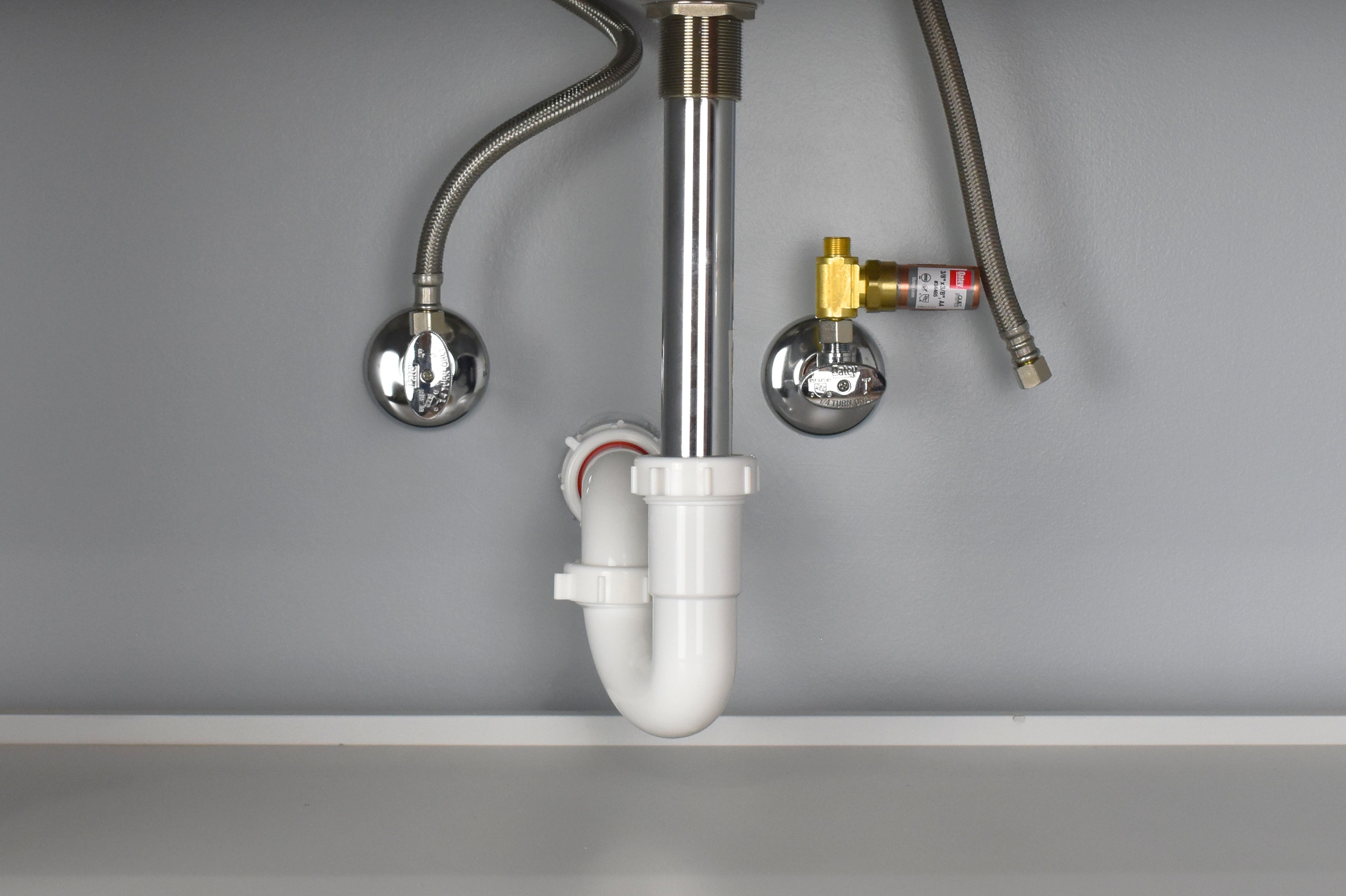
Image Source: www.oatey.com
Deciphering the Cause: Why Water Hammer Happens
Before we dive into installation, it’s crucial to grasp why water hammer occurs. It’s all about momentum. When water is moving through pipes, it has momentum. When that flow is abruptly stopped – by a quick-closing valve, for instance – the water’s momentum has nowhere to go. This sudden halt creates a high-pressure wave that propagates through the system. Think of it like slamming on the brakes in a car; the inertia of the car continues to push forward for a moment.
Several factors can contribute to or worsen water hammer:
- Quick-closing valves: These are the primary culprits. Solenoid valves in washing machines, dishwashers, ice makers, and even some toilet fill valves are common offenders.
- High water pressure: If your home’s water pressure is consistently too high, the impact of closing a valve is amplified.
- Long, straight runs of pipe: These act like resonating chambers, allowing shockwaves to build up momentum.
- Loose pipes: Pipes that are not securely fastened can vibrate and amplify the sound.
- Air in the system: While some older arrestors relied on trapped air, modern systems are designed to manage this differently.
Identifying the Need: Signs of Water Hammer
How do you know if you need a hammer arrestor? The most obvious sign is the sound itself – a loud bang, clunk, or rattle in your pipes. This typically happens:
- When you shut off a faucet quickly.
- When a washing machine fills or drains.
- When a dishwasher runs through its cycles.
- When an ice maker fills its reservoir.
- When a toilet’s fill valve shuts off.
Beyond the noise, persistent water hammer can manifest as:
- Leaking pipe joints or faucet connections.
- Worn-out valve washers or seals.
- Damage to appliance hoses or internal components.
- Loose pipe hangers or straps.
If you’re experiencing any of these issues, especially the distinctive banging, it’s time to consider how to fix water hammer.
Choosing Your Water Hammer Solution: Types of Arrestors
Fortunately, there are several types of hammer arrestors available, each with its own mechanism for dampening the shockwaves. Understanding these will help you choose the best place for hammer arrestor and the most suitable model for your situation.
1. Piston-Type Arrestors
These are the most common and robust type of hammer arrestor. They feature a cylinder with a free-moving piston inside. When a shockwave occurs, the piston is forced into a chamber containing compressed air or gas (often nitrogen). This compressed air acts as a cushion, absorbing the pressure surge and preventing it from traveling through the pipes.
Pros:
- Highly effective and durable.
- Can withstand high water pressure.
- Long lifespan.
- No air recharging required.
Cons:
- Can be slightly more expensive than other types.
- May be larger in size.
2. Diaphragm-Type Arrestors
Similar to piston types, diaphragm arrestors use a flexible rubber diaphragm to separate the water from a trapped pocket of air or gas. When a surge occurs, the diaphragm flexes, compressing the air pocket and absorbing the shock.
Pros:
- Compact and lightweight.
- Effective at dampening shockwaves.
- Relatively easy to install.
Cons:
- The diaphragm can degrade over time, especially with hot water or aggressive water chemistry.
- May not be as robust as piston types for very severe water hammer.
3. Air Chamber Arrestors (Older, Less Common)
These are essentially vertical extensions of the pipe that are capped off and filled with air. The idea is that the trapped air will compress when a shockwave hits. However, over time, this air can dissolve into the water, rendering the chamber ineffective. Modern installations generally avoid these due to their limited lifespan and effectiveness.
4. Specialty Arrestors (e.g., for Dishwashers or Washing Machines)
Some manufacturers offer smaller, specialized arrestors designed to be installed directly on the supply line of specific appliances. These are a good option if you only experience water hammer from one particular appliance. A drain hammer arrestor is a less common term, but it generally refers to devices that address shock from water leaving a system, though most “hammer arrestors” focus on the supply side.
Planning Your Installation: Key Considerations
Before you grab your tools, a little planning goes a long way.
1. Identifying the Source of the Hammer
Your first step in installing water hammer stopper is to pinpoint where the noise is loudest. This will help you determine the best place for hammer arrestor.
- Walk your house while someone else operates the faucets or appliances that cause the bang.
- Listen carefully to determine which section of pipe is vibrating the most or where the sound originates.
- If the sound is strongest near an appliance, a specialized arrestor for that appliance might be ideal.
- If the sound is more general or occurs with multiple fixtures, you’ll want to install arrestors at key points in your system.
2. Determining Water Hammer Arrestor Placement
The effectiveness of your hammer arrestor hinges on its placement. The general rule is to install them as close as possible to the source of the shock – typically, the quick-closing valves.
- Appliances: For washing machines, dishwashers, and ice makers, the ideal location is on the cold and/or hot water supply line leading directly to the appliance.
- Faucets: If a particular faucet causes hammer, install an arrestor on the supply line to that fixture. Often, this means installing it inside the wall cavity behind the faucet.
- Main Lines: If water hammer is a widespread issue, consider installing arrestors on the main hot and cold water lines near where they enter the house or near the water heater. This acts as a broader surge suppressor for pipes.
Table 1: Ideal Hammer Arrestor Placement
| Location | Type of Arrestor | Notes |
|---|---|---|
| Washing Machine | Piston or Diaphragm (appliance specific often best) | On the hot and/or cold water supply line to the machine. |
| Dishwasher | Piston or Diaphragm (appliance specific often best) | On the hot water supply line to the dishwasher. |
| Ice Maker | Small Diaphragm Arrestor | On the water supply line to the ice maker. |
| Kitchen/Bathroom Faucet | Piston or Diaphragm (inline or under sink version) | On the hot and/or cold water supply riser to the faucet. |
| Toilet | Small Diaphragm Arrestor | On the supply line to the toilet fill valve. |
| Main Water Lines | Larger Piston or Diaphragm Arrestors | Near water heater or where lines enter the house, for whole-house protection. |
3. Checking Water Pressure
High water pressure exacerbates water hammer. Before installing an arrestor, it’s wise to check your home’s water pressure.
- You can purchase a water pressure gauge that screws onto an outdoor faucet or washing machine outlet.
- Ideal household water pressure is typically between 40 and 60 PSI.
- If your pressure consistently exceeds 80 PSI, you should install a pressure-reducing valve (PRV) on your main water supply line. This will protect your entire plumbing system, not just from water hammer.
4. Gathering Tools and Materials
You’ll need a few basic plumbing tools and materials for this job.
Essential Tools:
- Adjustable wrenches (two)
- Pipe wrench (optional, but helpful)
- Teflon tape (pipe thread sealant tape)
- PVC primer and cement (if making PVC connections)
- Tube cutter or hacksaw (for cutting pipe)
- Measuring tape
- Bucket and rags (for catching drips)
- Safety glasses
- Work gloves
Materials:
- Hammer arrestor(s) – choose the type and size appropriate for your needs.
- Appropriate pipe fittings (e.g., copper couplings, threaded adapters, PEX fittings) depending on your existing pipe material.
Step-by-Step Installation Guide
Let’s get to it! Here’s how to install your hammer arrestor. We’ll cover installation for a common scenario: attaching an arrestor to an appliance supply line.
Step 1: Turn Off the Water Supply
This is the most critical first step.
- Locate the main water shut-off valve for your house and close it completely.
- If you are installing arrestors on individual appliances, you can often shut off the water supply using the fixture’s local shut-off valve (usually located behind the appliance or under the sink).
- Open a faucet at the lowest point of your house (like an outdoor hose bib) to drain any remaining water in the pipes. This will relieve pressure and prevent a mess.
Step 2: Disconnect the Water Supply Line
- Using your adjustable wrenches, carefully disconnect the existing water supply line from the appliance or fixture. Have a bucket and rags ready to catch any residual water.
Step 3: Prepare the Pipe and Fitting
This is where the specific water hammer pipe fitting comes into play. You’ll likely need to install a fitting that allows the arrestor to be screwed onto the pipe.
- For threaded connections: Ensure the threads on both the pipe and the new fitting are clean. Apply Teflon tape to the male threads of the fitting clockwise (typically 3-5 wraps).
- For copper or PEX pipe: You may need to cut out a section of the existing pipe and insert a tee fitting, or use an adapter that threads onto the existing pipe. If cutting pipe, ensure a clean, straight cut. If using solder fittings (for copper), ensure proper cleaning, fluxing, and soldering technique. For PEX, use the appropriate crimp or expansion tool and fittings.
Step 4: Install the Hammer Arrestor
- Screw the hammer arrestor onto the appropriate fitting. Hand-tighten it first, then use a wrench to snug it up. Be careful not to overtighten, as this can damage the threads or the arrestor itself.
- Ensure the arrestor is oriented correctly according to the manufacturer’s instructions. Most are designed to be installed vertically or horizontally.
Step 5: Reconnect the Supply Line
- Reconnect the appliance’s water supply line to the other end of the fitting or the hammer arrestor, again using Teflon tape on threaded connections and tightening with wrenches.
Step 6: Turn On the Water Supply and Check for Leaks
- Slowly open the main water shut-off valve (or the local fixture shut-off valve).
- Carefully inspect all connections you’ve made for any signs of leaks.
- If you see any drips, gently tighten the fittings a little more. If leaks persist, you may need to turn the water off again, disassemble the connection, reapply Teflon tape, and reassemble.
Step 7: Test the System
- Operate the appliance or faucet that previously caused water hammer.
- Listen for the characteristic banging sound. It should be significantly reduced or completely eliminated.
- Run the appliance through a full cycle if possible to ensure the arrestor is working effectively throughout the process.
Handling Specific Scenarios
Installing on Washing Machines and Dishwashers
These are prime locations for water hammer due to their solenoid valves.
- Placement: Typically installed on the hot and cold water inlets for washing machines, and often just the hot water inlet for dishwashers (as they usually heat their own water).
- Tip: Appliance-specific arrestors are often the easiest to install as they have standard hose connections.
Installing Under Sinks for Faucets
- Placement: This can be trickier as you’ll need access to the supply risers behind the sink.
- Method: You’ll likely need to install a tee fitting onto the copper or PEX supply line, then attach the arrestor to the third port of the tee. Some under-sink arrestors are designed to screw directly onto the faucet’s supply shank.
Whole-House Protection
For widespread issues, installing larger arrestors on the main hot and cold lines can be beneficial.
- Placement: Near the water heater is often a good spot, as this is where both hot and cold water lines are most accessible and where hot water expansion can also be a factor.
- Consideration: This requires more extensive plumbing work and might be a job best left to a professional if you’re not comfortable with major pipe modifications.
Troubleshooting Common Issues
Even with careful installation, you might encounter a snag.
Still Hearing Water Hammer?
- Arrestor Placement: Is the arrestor truly close enough to the source of the hammer?
- Arrestor Type: Is the arrestor rated for the pressure and severity of your water hammer?
- Air Charge (for older or specific types): Some arrestors may require an initial air charge. Check the manufacturer’s instructions.
- Multiple Sources: You might have more than one point in your system causing hammer.
Leaks at Connections
- Teflon Tape: Did you use enough Teflon tape? Is it applied correctly (clockwise)?
- Tightening: Are the fittings snug enough, but not over-tightened?
- Damaged Threads/Fittings: Inspect the fittings for any damage.
Maintaining Your Hammer Arrestors
Modern piston and diaphragm arrestors are generally maintenance-free. However, over many years, especially with hard water or aggressive water chemistry, the internal components could eventually degrade.
- Listen: Continue to listen for any return of water hammer noise.
- Inspect: Periodically check connections for leaks.
- Replacement: If a specific arrestor seems to be failing or is very old, replacement is usually the most straightforward solution.
Frequently Asked Questions (FAQ)
Q1: How many hammer arrestors do I need?
A1: It depends on the extent of the water hammer. For specific appliances, one per appliance is usually sufficient. For whole-house protection, you might install one on the main hot and cold lines. Sometimes, installing arrestors at both ends of a long pipe run can be beneficial.
Q2: Can I install a hammer arrestor on any pipe material?
A2: Yes, hammer arrestors can be installed on copper, PEX, CPVC, and galvanized steel pipes, provided you use the appropriate fittings for your pipe material and the connection method.
Q3: Do I need a professional plumber to install a hammer arrestor?
A3: For simple installations on appliance supply lines, many homeowners with basic DIY skills can manage the job. However, if you are uncomfortable with plumbing work, dealing with old plumbing, or need to install arrestors on main water lines, it’s best to hire a qualified plumber.
Q4: Will a hammer arrestor affect my water pressure?
A4: Properly installed hammer arrestors should not significantly affect your water pressure. They are designed to absorb pressure spikes, not to restrict flow.
Q5: Can I install a hammer arrestor in any orientation?
A5: Most modern piston and diaphragm arrestors can be installed vertically or horizontally. Always consult the manufacturer’s installation manual for specific orientation requirements for your model.
Conclusion: Enjoying a Quieter Home
Installing hammer arrestors is a practical and effective way to eliminate the disruptive noise of water hammer and protect your plumbing system from potential damage. By carefully identifying the problem, choosing the right type of arrestor, and following these step-by-step instructions, you can successfully implement this water hammer solution and enjoy a quieter, more peaceful home. Remember, a little proactive maintenance and the right plumbing noise reduction techniques can save you a lot of trouble and expense down the line. If you’re experiencing persistent plumbing noise or suspect issues beyond simple water hammer, consulting a professional plumber is always recommended.