
Can you operate a table saw safely and effectively as a beginner? Yes, with proper training, careful attention to safety rules, and practice. What is a table saw? A table saw is a woodworking tool that has a circular saw blade protruding through the surface of a table. It is used to cut wood to size.
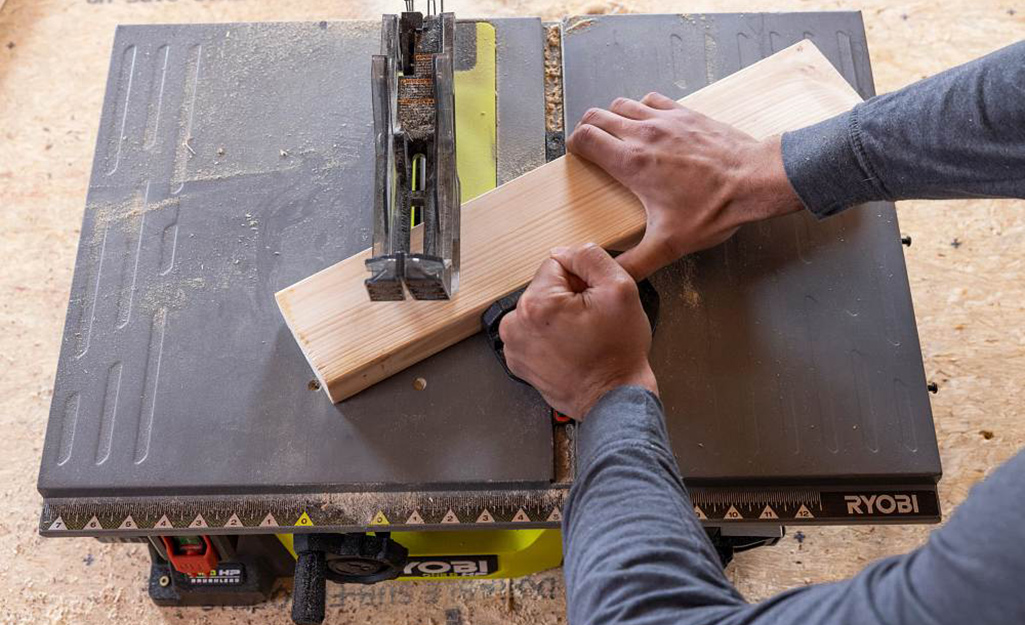
Image Source: contentgrid.homedepot-static.com
Getting Started with Your Table Saw: Essential Knowledge
The table saw is a cornerstone of many workshops, capable of making precise rips, crosscuts, and dadoes. For beginners, it might seem intimidating, but with a methodical approach and a strong emphasis on safety, you can master this versatile tool. This guide will walk you through the fundamental aspects of table saw operation, from basic safety precautions to advanced techniques.
Prioritizing Table Saw Safety: Your Number One Rule
Table saw safety is paramount. This tool has a powerful motor and a very sharp blade that spins at high speeds. Mistakes can lead to serious injuries, so always remember that safety comes before speed or perfection.
Here are the core safety principles to live by:
- Read Your Manual: Every table saw is slightly different. Your saw’s manual is the ultimate guide for its specific features and safety recommendations. Read it cover to cover before your first cut.
- Wear Proper Safety Gear:
- Eye Protection: Safety glasses or a full face shield are non-negotiable. Wood chips and dust can fly unexpectedly.
- Hearing Protection: Table saws are loud. Earplugs or earmuffs will protect your hearing during prolonged use.
- Dust Mask/Respirator: Sawdust is harmful. A good dust mask or respirator will prevent inhalation.
- No Loose Clothing or Jewelry: Anything that can catch on the spinning blade must be removed. Roll up sleeves, secure long hair, and take off rings or necklaces.
- Closed-Toe Shoes: Protect your feet from falling objects or accidental contact with the blade.
- Maintain a Clear Workspace: Keep the area around your table saw clean and free of clutter. Remove scrap wood, tools, and anything else that could be a tripping hazard or interfere with your cuts.
- Know Your Machine: Familiarize yourself with all the controls, knobs, levers, and safety features of your specific table saw. Understand what each part does before you power it on.
- Never Reach Over the Blade: This is a cardinal rule. Always maintain a safe distance from the spinning blade.
Setting Up Your Table Saw for Success
Before making any cuts, proper setup ensures safety and accuracy.
Adjusting Table Saw Blade Height
One of the most critical adjustments is table saw blade height. The general rule of thumb is to set the blade so that the top of the teeth are just above the wood you are cutting, about a quarter-inch to a half-inch.
- Why is blade height important?
- Safety: A blade set too high increases the risk of table saw kickback. Kickback happens when the wood is suddenly and violently thrown back towards the operator.
- Cut Quality: Setting the blade too low can result in rougher cuts and more strain on the motor. Too high can also lead to tear-out.
- Blade Engagement: The correct height ensures efficient cutting without excessive blade exposure.
How to adjust:
1. Turn off the saw and unplug it.
2. Locate the blade height adjustment crank, usually located on the front or side of the saw.
3. Turn the crank until the blade rises or lowers to the desired position.
4. Visually confirm the blade height relative to the tabletop and the material you plan to cut.
The Importance of a Table Saw Zero Clearance Insert
While many table saws come with a standard insert, upgrading to a table saw zero clearance insert can significantly improve cut quality and safety.
- What is a zero clearance insert? It’s a replacement for the standard throat plate around the saw blade. It has a much smaller opening, often adjustable, that fits snugly around the blade.
- Benefits:
- Reduces Tear-Out: With less space around the blade, the wood fibers are better supported, leading to cleaner cuts, especially on plywood and delicate hardwoods.
- Prevents Small Scraps from Falling: It stops small pieces of wood from falling into the saw’s internal workings, which can be a safety hazard and damage the saw.
- Improves Support: It provides better support for the workpiece, particularly when cutting thin materials or making narrow rips.
- Enhances Dust Collection: A tighter fit around the blade can help direct dust more effectively into your dust collection system.
Installation:
Zero clearance inserts are typically made of plastic or phenolic material and often require a small adjustment or trimming to fit precisely around your specific saw blade when it’s raised to its cutting height. Follow the manufacturer’s instructions for your insert.
Essential Table Saw Accessories for Beginners
Beyond the saw itself, certain accessories can make your experience safer and more productive.
Mastering the Table Saw Fence
The table saw fence is your guide for making straight rip cuts. It’s a parallel guide that runs along the length of the table, allowing you to set the distance between the blade and the fence, thereby controlling the width of your ripped material.
- How to Use the Table Saw Fence:
- Ensure Parallelism: The fence must be perfectly parallel to the saw blade. Most modern table saws have a locking mechanism and a scale to ensure this. Check for parallelism by measuring the distance from the front of the blade to the fence, and then from the back of the blade to the fence. They should be the same.
- Lock Securely: Once you’ve set your desired width, lock the fence down firmly. A fence that shifts during a cut will ruin your workpiece and can be dangerous.
- Avoid Binding: Never force wood between the blade and the fence. This can cause binding, increase the risk of kickback, and damage the blade.
- For Wider Cuts: If you need to rip a piece of wood that is wider than the distance from the blade to the fence, you might need to reposition the fence. Always ensure there is sufficient support for the workpiece, especially if it overhangs the table significantly.
The Role of the Table Saw Miter Gauge
The table saw miter gauge is used for making crosscuts and angled cuts. It slides in a miter slot (groove) on the table saw’s surface and holds the wood at a precise angle to the blade.
-
Key Features:
- Adjustable Head: Most miter gauges have an adjustable head that can be set to various angles, commonly from -45 to +45 degrees.
- Stop Points: Many have positive stops at common angles like 90 and 45 degrees.
- Crosscut Fence: Some come with an adjustable crosscut fence that clamps onto the miter gauge head to support longer workpieces.
-
How to Use It:
- Slide into Miter Slot: Insert the miter gauge into one of the table slots.
- Set the Angle: Adjust the head to your desired angle. Lock it securely.
- Position Workpiece: Place the wood against the miter gauge head.
- Make the Cut: Hold the wood firmly against the miter gauge and the table. Push the miter gauge smoothly through the blade.
- Never Use with the Rip Fence: A critical safety rule: Never use the miter gauge and the rip fence simultaneously for crosscutting. If the wood is trapped between the blade and the fence when using the miter gauge, it can cause severe kickback. If you need to make a crosscut of a specific width, use the rip fence with a crosscut sled or a stop block.
Utilizing a Crosscut Sled Table Saw
A crosscut sled table saw is a jig that attaches to your table saw to make precise and safe crosscuts, especially on smaller pieces or when a miter gauge is not sufficient.
-
Benefits of a Crosscut Sled:
- Enhanced Safety: It holds the wood securely against a fence and the table, greatly reducing the risk of kickback and preventing fingers from getting too close to the blade.
- Improved Accuracy: It ensures perfectly square crosscuts every time.
- Better Support: It provides excellent support for narrow or small workpieces that might otherwise be difficult to handle.
-
Building or Buying: You can build a crosscut sled yourself with some basic woodworking skills and materials, or purchase a pre-made one.
- How to Use:
- Place the sled on the table saw surface, with its runners in the miter slots.
- Set the fence on the sled to your desired cut length.
- Place your workpiece against the sled’s fence.
- Hold the workpiece firmly against the sled’s fence and table.
- Push the sled (with the workpiece attached) through the blade.
Understanding Table Saw Kickback: The Danger to Avoid
As mentioned earlier, table saw kickback is the most significant danger associated with table saws. It occurs when the wood being cut is suddenly thrown back towards the operator at high speed. This can happen due to:
- Blade Binding: The wood getting pinched between the blade and the fence.
- Blade Deflection: The blade bending or twisting as it cuts.
- Improper Support: The workpiece lifting off the table or not being supported correctly.
- Blade Teeth: Teeth snagging the wood.
- Using the Fence and Miter Gauge Together: This is a common cause of kickback.
Preventing Kickback:
- Use a Riving Knife or Splitter: Most modern table saws have a riving knife that follows the blade, staying in the kerf and preventing the wood from closing on the blade. If your saw has one, always use it. It should be set slightly lower than the blade’s cutting depth.
- Use a Blade Guard: The blade guard helps to contain flying debris and can sometimes prevent kickback.
- Use Push Sticks and Push Blocks: These are essential for safely feeding wood through the blade, especially narrow pieces or when your hands would otherwise be too close to the blade.
- Maintain Proper Blade Height: As discussed, a blade set too high increases kickback risk.
- Ensure the Fence is Parallel to the Blade: Misalignment can cause binding.
- Don’t Cut Warped or Twisted Wood: These pieces are prone to binding.
- Never Force the Wood: Let the saw do the work.
- Stand to the Side of the Blade: Never stand directly in line with the blade’s path.
The Essential Table Saw Push Stick and Push Blocks
A table saw push stick and push blocks are your indispensable safety companions.
- Table Saw Push Stick: A simple stick with a notch or angled end used to push smaller pieces of wood past the blade.
- Push Blocks: These have a handle and a rubber or gripping surface on the bottom to hold the wood securely and apply downward and forward pressure. They are ideal for ripping wider boards.
How to Use:
1. Always keep your push stick or block in your hand when operating the saw.
2. Use them to feed the wood through the blade, keeping your fingers away from the blade.
3. Maintain consistent pressure and guide the wood along the fence or miter gauge.
4. For narrow rips, use a push stick that is long enough to keep your hand clear.
5. For wider cuts, a push block with a handle provides better control and safety.
Advanced Cuts and Table Saw Techniques
Once you’re comfortable with the basics, you can explore more advanced operations.
Making Dado Cuts with a Table Saw Dado Blade
A table saw dado blade is a special set of blades and chippers designed to cut wider grooves or slots (dadoes and rabbets) in wood in a single pass.
- What are Dadoes? A dado is a groove cut across the grain of the wood. A rabbet is a groove cut along the edge of the wood. These are essential for joinery.
- Using a Dado Blade:
- Check Your Saw’s Capability: Not all table saws are designed to use dado blades. Check your manual. You’ll need a saw with a wide enough throat opening and a sufficiently powerful motor.
- Install the Dado Blade Set: This involves installing the correct combination of blades and chippers to achieve your desired width. Follow the manufacturer’s instructions carefully.
- Use a Zero Clearance Insert: A zero clearance insert is highly recommended when using a dado blade to prevent small chips from falling into the saw.
- Set Blade Height: The top of the dado blade should be just slightly proud of the wood surface.
- Use a Miter Gauge or Sled: Always use a miter gauge or a crosscut sled for dado cuts to ensure the workpiece is held securely. Never use the rip fence as the sole guide for a dado cut, as it can easily lead to kickback if the dado blade binds.
- Feed Smoothly: Push the workpiece through the dado blade at a steady, even pace.
Crosscutting with Confidence
While the miter gauge and crosscut sled are your primary tools for crosscuts, here are a few tips:
- Mark Your Cut Line: Always clearly mark where you want to cut.
- Align the Blade: Position the blade so the teeth are just to the waste side of your cut line.
- Support Long Pieces: For long boards, use outfeed support (a roller stand or a helper) to prevent the cut-off piece from dropping and potentially binding the blade.
- Use a Stop Block: For multiple identical crosscuts, attach a stop block to your miter gauge or crosscut sled to ensure consistent length.
Ripping Wood Accurately
Ripping is cutting wood parallel to its grain. The rip fence is your primary guide for this.
- Set Fence Properly: Double-check that the fence is parallel to the blade and locked securely.
- Feed Smoothly with Push Sticks/Blocks: Always use push sticks or blocks to feed the wood.
- Be Aware of Board Tension: Wood can have internal stresses. If you’re ripping a board with significant tension, it might bow or bind as you cut. Be prepared to stop if you notice this.
Table Saw Dust Collection: A Health and Safety Matter
Woodworking produces a lot of sawdust, which is not only messy but also a health hazard. An effective table saw dust collection system is crucial for a clean and safe workshop.
-
Why is Dust Collection Important?
- Health: Inhaling fine wood dust can lead to respiratory problems.
- Safety: Dust buildup can be a fire hazard and can reduce visibility.
- Cleanliness: Keeps your workspace tidy and makes cleanup easier.
- Tool Performance: Dust can interfere with the operation of your saw, especially the motor and moving parts.
-
Components of a Dust Collection System:
- Dust Port: Your table saw will have a dust port, usually at the base or under the table.
- Hose: Connects the dust port to your collection device.
- Dust Collector/Shop Vacuum: A dedicated dust collector is ideal, but a powerful shop vacuum can also work for smaller operations.
- Bag Filters: For finer dust particles.
-
Optimizing Dust Collection:
- Under-Table Baffles: Some table saws benefit from baffles installed under the table to direct dust more efficiently to the dust port.
- Blade Guard Dust Port: Many modern blade guards have a dust port. Ensure this is connected to your collection system.
- Zero Clearance Inserts: As mentioned, these help funnel dust.
- Dado Collection: Dado cuts generate a lot of dust. Ensure your dust collection is robust when using a dado blade.
Maintaining Your Table Saw
Regular maintenance keeps your table saw running safely and efficiently.
- Blade Cleaning and Sharpening: A dull or dirty blade makes cutting harder, reduces cut quality, and increases the risk of kickback. Clean blades with a blade cleaner and sharpen them regularly.
- Blade Alignment: Periodically check that the blade is square to the table and the fence.
- Lubrication: Lubricate moving parts as recommended in your manual.
- Clean the Saw: Keep the table surface, base, and internal mechanisms free of sawdust and debris.
Frequently Asked Questions (FAQ)
Q1: Can I use any type of wood on a table saw?
A1: Table saws are designed for wood and some composite materials. Avoid cutting metal, plastic, or masonry with a standard wood blade. Always use the appropriate blade for the material.
Q2: How often should I replace my table saw blade?
A2: This depends on usage and the quality of the blade. A good rule of thumb is to have your blades sharpened when you notice a decrease in cut quality, increased effort to push the wood, or excessive tear-out. Most blades can be sharpened multiple times before needing replacement.
Q3: Is it safe to cut small pieces of wood on a table saw?
A3: Cutting small pieces requires extra caution. Always use a push stick or a specialized jig like a crosscut sled. Never try to cut a piece that is too small to be safely handled with a push stick.
Q4: What is the best type of blade for rip cuts vs. crosscuts?
A4: For rip cuts (along the grain), blades with fewer teeth (24-40 teeth) are generally preferred as they remove material more aggressively. For crosscuts (across the grain), blades with more teeth (60-80 teeth) provide a cleaner finish with less tear-out. Combination blades offer a balance for both.
Q5: What if I need to cut a very wide board?
A5: If the board is wider than your table saw allows with the fence set, you might need to consider alternative tools or techniques. For very wide rips, a band saw or a router with a jig might be more appropriate and safer. If you must rip a wide board on the table saw, ensure you have excellent outfeed support and use a jig that guides the wood safely past the blade.
Q6: Can I use my table saw outdoors?
A6: It is generally not recommended to use a table saw outdoors unless specifically designed for outdoor use or in a covered, stable area. Moisture and uneven surfaces can be hazardous.
By approaching your table saw with respect for its power and a commitment to safety, you’ll soon be making precise, clean cuts that elevate your woodworking projects. Remember to always prioritize safety, use the right accessories, and practice good technique. Happy sawing!