
How To Prevent Hammer Toes: Foot Health Secrets
What are hammer toes, and can they be prevented? Hammer toes are foot deformities where one or more toes bend in a downward direction at the middle joint, creating a hammer-like shape. Yes, many cases of hammer toe can be prevented through proactive foot care tips and mindful footwear choices.
Image Source: my.clevelandclinic.org
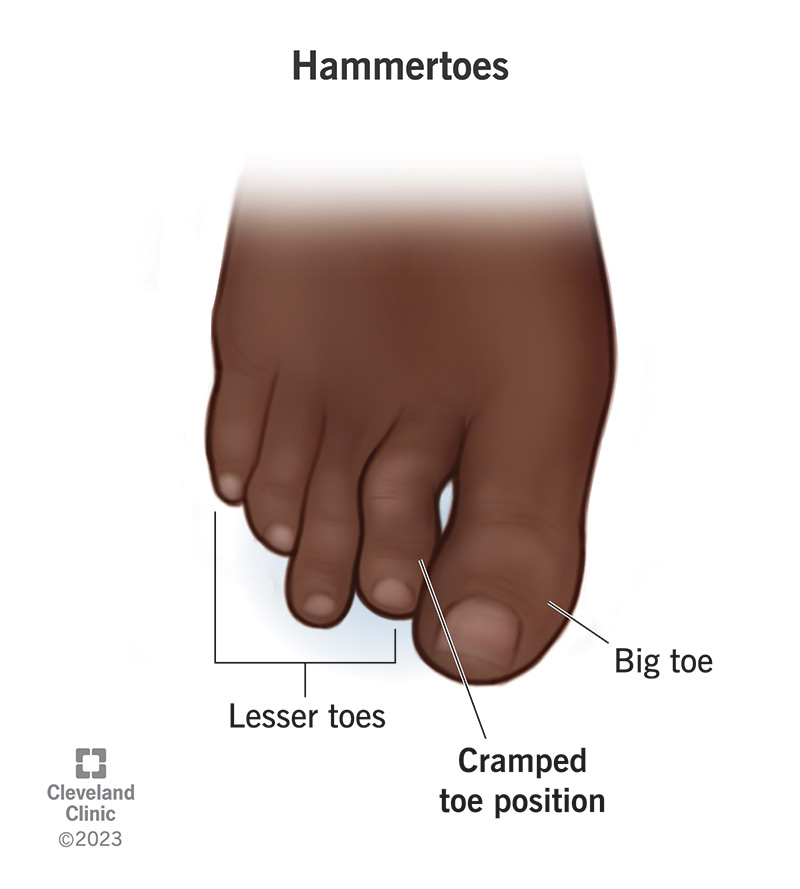
The Genesis of Hammer Toes: Deciphering the Causes
Hammer toes might seem like an unavoidable part of aging or genetics, but often, they are a consequence of preventable factors. Comprehending these causes is the first step in effective prevention.
Muscular Imbalances and Joint Strain
The intricate structure of your foot relies on a delicate balance of muscles, tendons, and ligaments. When this balance is disrupted, it can lead to abnormal pressure on the toes. Muscles that are too short or tendons that are too tight can pull the toe into a bent position. Over time, this constant strain forces the toe to remain contracted, eventually leading to a permanent deformity. This can happen gradually, often unnoticed, until the toe becomes rigid and painful.
The Role of Footwear Choices: A Primary Culprit
Perhaps the most significant preventable factor contributing to hammer toes is the choice of footwear.
- High Heels: Shoes with high heels force the foot forward into the toe box, cramming the toes together and bending them unnaturally. The elevated heel also shortens the calf muscles and Achilles tendon, which can further contribute to toe deformities.
- Narrow and Pointed Shoes: Shoes that are too narrow or have pointed toes restrict the natural splay of the toes. This constant compression can weaken the muscles that control toe movement and lead to a gradual bending.
- Ill-fitting Shoes: Shoes that are too small, too large, or simply the wrong shape for your foot can cause friction and pressure points. This can lead to calluses, bunions, and, eventually, hammer toes.
Underlying Medical Conditions
Certain medical conditions can predispose individuals to developing hammer toes.
- Arthritis Management: Conditions like osteoarthritis and rheumatoid arthritis can cause inflammation and stiffness in the toe joints. This can lead to joint damage and misalignment, increasing the risk of hammer toe formation. Effective arthritis management is crucial for individuals with these conditions to maintain foot health.
- Nerve Damage (Neuropathy): Conditions such as diabetes can cause nerve damage in the feet. This can lead to a loss of sensation, altered muscle function, and difficulty sensing pain, making the foot more vulnerable to injury and deformity.
- Bunions: A bunion prevention strategy is also linked to hammer toe prevention. Bunions, a bony bump that forms on the joint at the base of the big toe, can push the big toe inward, affecting the alignment of the other toes and potentially leading to hammer toe.
- Foot Injuries: Previous injuries to the toes or the foot, such as fractures or sprains, can alter the mechanics of the foot and contribute to the development of hammer toes.
Proactive Strategies for Hammer Toe Prevention
Preventing hammer toes involves a multi-faceted approach focusing on footwear, daily habits, and addressing underlying health concerns.
Prioritizing Proper Fitting Shoes and Footwear Choices
The foundation of hammer toe prevention lies in selecting the right shoes. This is a non-negotiable aspect of good foot health.
- Adequate Toe Box Room: Always opt for shoes with a wide and deep toe box. Your toes should have enough room to wiggle and spread naturally. Try on shoes at the end of the day when your feet are slightly swollen.
- Low Heels: Limit the wear of high heels. When you do wear them, choose heels that are no more than an inch or two high. This reduces the unnatural bending and pressure on the toes.
- Flexible Soles: Shoes with flexible soles allow your feet to move naturally with each step. This promotes better muscle engagement and reduces strain.
- Good Arch Support: Look for supportive shoes that provide adequate arch support. This helps distribute weight evenly across the foot and reduces pressure on the toes.
- Avoid Tight Lacing: If your shoes require lacing, ensure they are not tied too tightly. This can constrict blood flow and put undue pressure on the toes.
The Power of Toe Exercises and Stretching Routine
Regularly engaging in specific toe exercises and maintaining a consistent stretching routine can significantly strengthen the muscles and improve the flexibility of your toes and feet. This proactive approach can counteract the forces that lead to hammer toes.
Beneficial Toe Exercises:
- Toe Curls: Sit with your feet flat on the floor. While keeping your heel on the ground, curl your toes downward as if you are trying to grip a towel. Hold for a few seconds and then relax. Repeat 10-15 times.
- Toe Spreads: Sit with your feet flat on the floor. Try to spread your toes as far apart as possible. Hold for a few seconds and then relax. Repeat 10-15 times.
- Marble Pickups: Place a handful of marbles on the floor. Sit down and use your toes to pick up the marbles one by one and place them into a bowl. This exercise improves dexterity and strengthens the intrinsic muscles of the foot.
- Towel Scrunches: Place a small towel on the floor. Sit in a chair with your feet on the towel. Use your toes to scrunch the towel towards you. Repeat several times.
Effective Stretching Routine:
- Calf Stretches: Stand with your hands against a wall. Place one leg back, keeping the heel on the floor and the knee straight. Lean forward until you feel a stretch in your calf. Hold for 30 seconds and repeat on the other leg. Tight calf muscles can contribute to foot problems.
- Toe Stretches: While sitting, gently pull your toes upwards and backwards towards your shin. You should feel a stretch along the sole of your foot and the bottom of your toes. Hold for 20-30 seconds and repeat.
- Plantar Fascia Stretch: Roll your foot over a frozen water bottle or a tennis ball. Apply gentle pressure and roll back and forth, focusing on the arch of your foot. This can help relieve tension in the fascia, which supports the arch and can impact toe alignment.
The Role of Custom Orthotics
For individuals with specific foot conditions or those who require additional support, custom orthotics can be a game-changer. These specially made shoe inserts are designed to correct biomechanical issues and provide targeted support.
- Correcting Foot Mechanics: Orthotics can help realign the foot, redistribute pressure, and improve the way your foot functions during movement. This can alleviate strain on the toes and prevent them from being forced into unnatural positions.
- Supportive Shoes Integration: Custom orthotics work best when paired with supportive shoes. They provide an extra layer of customized support that off-the-shelf insoles cannot match.
- Consultation with a Podiatrist: It’s essential to consult with a podiatrist or a foot specialist to determine if custom orthotics are appropriate for your needs. They can assess your foot structure and gait to create personalized orthotics.
Maintaining Healthy Foot Weight
Carrying excess body weight puts additional stress on your feet, ankles, and toes. Maintaining a healthy weight can significantly reduce this pressure and contribute to overall foot health.
Regular Foot Inspections and Hygiene
Making regular self-inspections of your feet a part of your foot care tips routine is crucial.
- Check for Redness or Swelling: Look for any signs of redness, swelling, or irritation, especially around the toes and joints.
- Monitor Nail Health: Keep your toenails trimmed properly, cutting them straight across to prevent ingrown toenails, which can exacerbate toe problems.
- Moisturize: Keep your feet moisturized to prevent dry, cracked skin, which can lead to infections and discomfort.
Addressing Specific Concerns: Bunion Prevention and Arthritis Management
The principles of preventing hammer toes often overlap with strategies for managing other foot conditions.
Bunion Prevention: A Synergistic Approach
The connection between bunions and hammer toes is strong. A bunion prevention strategy is often a hammer toe prevention strategy.
- Proper Footwear: As mentioned, avoiding tight, narrow shoes is paramount for both conditions. Shoes that allow ample room for the toes are key.
- Foot Exercises: Strengthening the muscles that support the big toe joint can help prevent bunions from worsening or forming.
- Orthotics: In some cases, custom orthotics can help correct the alignment of the foot, reducing the pressure that contributes to bunion formation.
Arthritis Management: Preserving Joint Health
For individuals with arthritis, proactive arthritis management is vital for maintaining foot health and preventing the progression of deformities like hammer toes.
- Medication and Therapy: Following your doctor’s prescribed medication and therapy plan can help control inflammation and preserve joint function.
- Low-Impact Exercise: Engaging in low-impact exercises like swimming or cycling can help maintain flexibility and strengthen muscles without putting excessive stress on the joints.
- Supportive Footwear: Wearing supportive shoes with good cushioning and stability is essential to protect the arthritic joints.
- Custom Orthotics: As discussed, custom orthotics can provide personalized support and alignment correction for arthritic feet.
When to Seek Professional Help
While many preventative measures can be taken at home, it’s important to know when to consult a medical professional.
- Persistent Pain: If you experience persistent pain in your toes or feet, even after implementing preventative measures, it’s time to see a doctor.
- Visible Deformity: If you notice a toe starting to bend or curl, or if you have a known foot condition like a bunion that is progressing, seeking professional advice is important.
- Difficulty with Footwear: If you find it increasingly difficult to find comfortable and well-fitting shoes, it could be a sign of an developing issue.
A podiatrist is a specialist in foot and ankle care and can provide a thorough diagnosis and personalized treatment plan. They can recommend specific foot care tips, prescribe custom orthotics, or suggest other interventions to prevent or manage hammer toes.
A Table of Prevention Strategies
Here’s a quick reference guide to the key strategies for preventing hammer toes:
| Strategy | Key Actions | Benefits |
|---|---|---|
| Footwear Choices | Choose wide toe boxes, low heels, flexible soles, and good arch support. Avoid pointed or overly tight shoes. | Reduces pressure on toes, allows natural foot movement, prevents deformities. |
| Supportive Shoes | Select shoes designed for comfort and stability. Ensure they fit well and offer adequate cushioning. | Enhances overall foot biomechanics and reduces strain. |
| Custom Orthotics | Consult a podiatrist for personalized inserts to correct foot mechanics and provide targeted support. | Aligns the foot, redistributes pressure, and improves stability. |
| Toe Exercises | Perform toe curls, spreads, marble pickups, and towel scrunching regularly. | Strengthens foot muscles, improves flexibility, and counteracts bending. |
| Stretching Routine | Incorporate calf stretches, toe stretches, and plantar fascia stretches into your daily routine. | Increases flexibility, reduces muscle tightness, and improves circulation. |
| Foot Health Practices | Maintain good hygiene, moisturize feet, and inspect for any changes. Trim toenails properly. | Prevents infections, irritation, and minor issues from worsening. |
| Bunion Prevention | Prioritize proper footwear and consider exercises that strengthen the big toe joint. | Reduces the risk of bunions, which can contribute to hammer toes. |
| Arthritis Management | Follow medical advice, engage in low-impact exercise, and wear supportive footwear. | Preserves joint health and function, reducing deformity risk. |
| Proper Fitting Shoes | Try on shoes at the end of the day, ensure ample toe room, and check for heel slippage. | Prevents blisters, calluses, and unnatural toe positioning. |
| Weight Management | Maintain a healthy weight to reduce overall stress on the feet. | Decreases pressure on toe joints and surrounding structures. |
Conclusion: Investing in Your Foot Health
Preventing hammer toes is an investment in your long-term foot health and overall well-being. By making conscious footwear choices, incorporating toe exercises and a consistent stretching routine, and being mindful of underlying health conditions, you can significantly reduce your risk. Remember, proactive foot care tips are your most powerful allies. Don’t wait for pain or deformity to set in; take charge of your foot health today and enjoy comfortable, healthy feet for years to come.
Frequently Asked Questions (FAQ)
Q1: Can genetics cause hammer toes?
While genetics can play a role in your foot structure and susceptibility to certain conditions, they are not the sole cause of hammer toes. Lifestyle factors, particularly footwear choices, are often more significant contributors.
Q2: If I already have a hammer toe, can prevention techniques help?
Yes, if you have an early-stage or flexible hammer toe, continuing with toe exercises, a good stretching routine, and wearing proper fitting shoes can help prevent it from worsening or becoming rigid. For more advanced cases, professional intervention might be necessary.
Q3: Are certain sports more likely to cause hammer toes?
Sports that require a lot of jumping, running, or the use of tight-fitting athletic shoes can potentially increase the risk of hammer toes if the footwear is not appropriate or if there are underlying biomechanical issues.
Q4: How often should I do toe exercises?
Aim to perform your toe exercises at least 3-5 times a week for optimal benefits. Consistency is key to strengthening the muscles and improving flexibility.
Q5: Can tight socks contribute to hammer toes?
While less common than ill-fitting shoes, extremely tight socks can constrict the toes and potentially contribute to discomfort or mild pressure over time, especially when combined with other risk factors. It’s always best to wear socks that fit comfortably.