
Image Source: i.ytimg.com
How To Repair A Tape Measure: Quick Fixes
Can you repair a tape measure? Yes, many common tape measure problems can be fixed with simple tools and a bit of patience. This guide will help you with tape measure repair and getting your trusty measuring tool back in working order.
A broken tape measure can be incredibly frustrating, especially when you’re in the middle of a project. Fortunately, before you toss it and buy a new one, there are several tape measure troubleshooting steps and quick fixes you can try. We’ll cover everything from a jammed tape measure to a damaged tape measure, helping you learn how to fix a broken tape measure.
Common Tape Measure Issues and Their Solutions
Tape measures are built to be durable, but like any tool, they can wear out or suffer damage. Knowing the common problems is the first step to effective tape measure repair.
The Retractable Mechanism Isn’t Working
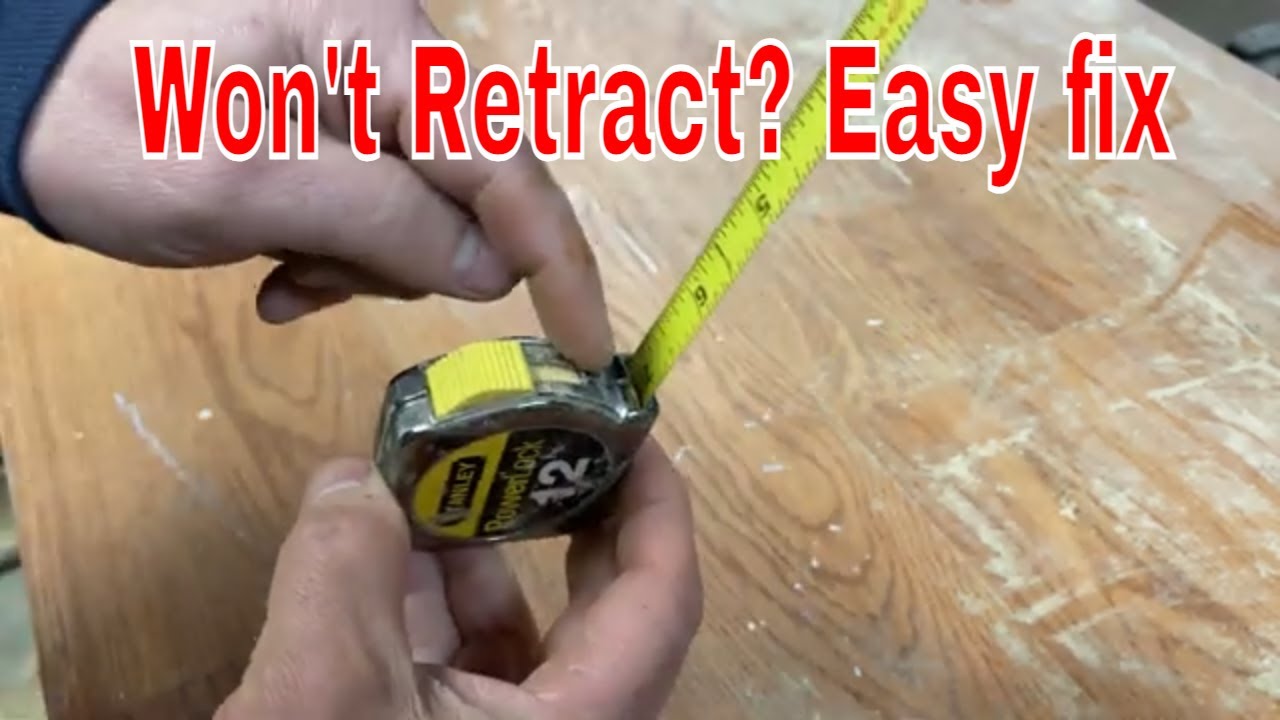
This is one of the most frequent complaints. The tape won’t smoothly retract or stays extended. This often points to an issue with the tape measure mechanism repair.
Why It Happens:
- Dirt and Debris: Small particles can get lodged inside the housing, interfering with the spring mechanism.
- Stretched or Broken Spring: The spring responsible for retraction can become weak or snap.
- Lubrication Issues: Lack of lubrication can cause friction, making the mechanism stiff.
- Warped Housing: If the housing is bent, it can put pressure on internal parts.
Quick Fixes for Retraction Problems:
-
Cleaning the Housing:
- Step 1: Carefully remove the screws holding the tape measure housing together. Most tape measures have two or three small screws. Keep these in a safe place!
- Step 2: Gently pull the tape and the internal mechanism out.
- Step 3: Use a soft brush (like an old toothbrush) or compressed air to blow out any dust, dirt, or debris from the housing and around the spring mechanism. Pay close attention to the spool where the tape winds.
- Step 4: Inspect the tape blade for any bends or kinks that might be catching. Straighten any minor bends carefully.
- Step 5: Reassemble the tape measure, ensuring all parts are aligned correctly.
-
Lubrication:
- If cleaning doesn’t solve the issue, a lack of lubrication might be the culprit.
- After cleaning, apply a small amount of light lubricant (like WD-40 or a silicone-based lubricant) to the moving parts of the mechanism, especially the spool and any gears.
- Extend and retract the tape several times to distribute the lubricant.
- Important: Wipe off any excess lubricant. Too much can attract more dirt.
-
Stuck Lock Lever:
- Sometimes, the lock lever can get stuck, preventing the tape from retracting.
- Try wiggling the lock lever back and forth while gently pulling the tape.
- A small amount of lubricant applied directly to the lever mechanism can help free it up.
The Tape Measure Blade is Damaged
A tape measure blade repair is sometimes possible, depending on the type of damage.
Common Blade Damage:
- Bent or Kinked Tape: This is common with overuse and can prevent smooth retraction.
- Torn or Cracked Blade: More severe damage that often means replacement.
- Faded Markings: The measurements become hard to read.
Solutions for Blade Damage:
- Straightening a Bent Blade:
- For minor bends, you can try to carefully straighten the tape by hand or by gently running it between two flat surfaces.
- Be cautious not to create new kinks. If the tape is severely creased, it may never retract perfectly.
- Dealing with Tears or Cracks:
- Small tears or cracks near the end of the tape are often best addressed by cutting off the damaged section and reattaching the hook. This usually shortens the tape slightly.
- If the damage is closer to the spool or significant, it’s generally not feasible to repair the blade itself. In such cases, you might need to replace the tape measure spring along with the blade if they are sold as a unit, or consider a new tape measure.
- Faded Markings:
- For faded markings, you can try to carefully re-mark the numbers with a permanent marker. Ensure the marker ink doesn’t smudge or obscure the original lines. This is more of a cosmetic fix and may not be durable.
The Hook is Loose or Damaged
The hook at the end of the tape is crucial for accurate measurements.
Why it Happens:
- Wear and Tear: Repeated use can loosen the rivets or screws holding the hook.
- Impact Damage: Dropping the tape measure can bend or break the hook.
Fixing a Loose Hook:
- Tighten Rivets/Screws:
- If your hook is attached with rivets, you might be able to gently peen them back in place with a small hammer and punch. Be very careful not to damage the tape itself.
- If screws are used, simply tighten them.
- Reattach a Broken Hook:
- If the hook has completely broken off, you might be able to reattach it using a strong adhesive like epoxy, ensuring it’s perfectly aligned. However, this is a less reliable fix.
- In many cases, a damaged hook signifies it’s time for a retractable tape measure fix that involves a new tape or a new tool.
The Tape Measure Housing is Cracked
A tape measure housing fix can be tricky, as the plastic is often brittle.
Why It Happens:
- Dropping: The most common cause of cracked housings.
- Age and Brittleness: Older plastic can become fragile.
Repairing a Cracked Housing:
- Super Glue/Epoxy: For minor cracks, you can try cleaning the area thoroughly and then applying a strong adhesive like super glue or a two-part epoxy. Clamp the pieces together securely until the adhesive cures.
- Reinforcement: For larger cracks, consider reinforcing the repair with a small piece of strong tape (like duct tape or electrical tape) on the outside, or by carefully applying a more robust adhesive and potentially embedding a small piece of plastic or metal mesh into it for strength.
- Consider Replacement: If the crack compromises the structural integrity of the housing, making it difficult to hold or operate, it might be safer and more effective to replace the entire tape measure.
Advanced Tape Measure Mechanism Repair: Replacing the Spring
If your tape measure is jammed tape measure or won’t retract due to a faulty spring, you might consider replace tape measure spring. This is a more involved repair.
When to Consider Replacing the Spring:
- The retraction mechanism feels completely loose.
- The spring has visibly snapped or is no longer winding.
- Cleaning and lubrication haven’t revived the retraction function.
Steps to Replace the Tape Measure Spring:
Warning: This is a delicate operation. Springs can be under tension and can cause injury if not handled carefully. Ensure you have the correct replacement spring.
- Disassemble Fully: Take apart the tape measure housing completely. Lay out all parts in order.
- Identify the Old Spring: Locate the coil spring. It’s usually attached to a spindle or hub within the housing.
- Carefully Remove the Old Spring: This is the trickiest part. The spring might be wound tightly.
- You may need to unhook it from its anchor points.
- Crucially, try to control the unwinding. Sometimes, you can wedge the spring to prevent it from flying out.
- Safety first! Wear safety glasses.
- Install the New Spring:
- New springs often come pre-wound or with instructions.
- Attach one end of the new spring to its anchor point within the housing.
- Carefully wind the spring around the spindle or hub, following the direction of the original winding. This often requires specialized tools or a lot of patience.
- Ensure the spring is seated correctly and doesn’t snag on anything.
- Reassemble: Once the spring is in place and the spool is wound, carefully reassemble the housing. Make sure the tape is fed through the correct slots and that the lock mechanism engages properly.
- Test: Gently extend and retract the tape to check the mechanism.
Finding Replacement Springs:
- It’s challenging to find specific replacement springs for common tape measures.
- Sometimes, you can salvage springs from old, irreparable tape measures.
- If the spring is a standard size, you might find generic springs at hobby shops or hardware stores, but matching the tension and size is critical.
Maintaining Your Tape Measure for Longevity
Preventative care can save you from needing to perform frequent tape measure repair.
Simple Maintenance Tips:
- Keep it Clean: Regularly brush out dust and debris from the housing.
- Avoid Overextending: Don’t pull the tape out further than the marked length, as this can stress the internal mechanism and the blade.
- Protect the Blade: When retracting, guide the tape to prevent it from snapping back violently and damaging itself or the housing.
- Store Properly: Keep your tape measure in a dry place, away from extreme temperatures and direct sunlight, which can degrade plastic.
- Avoid Using as a Hammer: Tape measures are for measuring, not for pounding nails or prying.
Troubleshooting Table
Here’s a quick reference for common problems and their likely solutions:
| Problem | Likely Cause | Solution Steps |
|---|---|---|
| Tape won’t retract smoothly | Dirt/debris, weak/broken spring, lubrication issue | Clean housing, lubricate mechanism, check/replace spring. |
| Tape retracts too fast | Weak spring, loose spool | Inspect spring tension, ensure spool is secure. May require spring replacement if weak. |
| Tape gets stuck in housing | Kinked blade, debris on spool | Straighten blade, clean spool and housing. |
| Lock lever doesn’t hold | Worn mechanism, debris | Clean and lubricate lock mechanism, check for worn parts inside. |
| Hook is loose/damaged | Worn rivets/screws, impact damage | Tighten rivets/screws, consider epoxy for minor breaks, or replace the tape. |
| Housing is cracked | Dropped, brittle plastic | Super glue/epoxy for small cracks, reinforce if needed. Consider replacement for significant damage. |
| Markings are faded | Wear and tear | Carefully re-mark with permanent marker. |
Frequently Asked Questions (FAQ)
Q1: Can I repair a tape measure if the plastic housing is severely broken?
A1: For minor cracks, adhesives like super glue or epoxy can work. However, if the housing is shattered or significantly compromised, it’s usually best to replace the tape measure. A broken housing can make it unsafe to use or lead to further damage of internal parts.
Q2: How do I know if I need to replace the spring in my tape measure?
A2: If cleaning and lubrication don’t fix the retraction problem, and the tape feels “loose” or has no tension when you pull it out, the spring is likely the issue. Signs of a broken spring include the tape not retracting at all or retracting extremely slowly with no resistance.
Q3: Is it worth repairing an old tape measure?
A3: For simple fixes like cleaning or lubrication, it’s definitely worth it. If the repair involves replacing parts like the spring or blade, consider the cost and availability of parts versus the cost of a new, potentially more durable tape measure. High-quality tape measures are often worth repairing.
Q4: What kind of lubricant should I use for a tape measure?
A4: A light, penetrating lubricant like WD-40 or a silicone-based lubricant is generally suitable. Apply sparingly to the moving parts of the mechanism. Avoid heavy greases, which can attract dirt and gum up the works.
Q5: My tape measure is jammed. What’s the first thing I should try?
A5: First, try to gently pull the tape further out to see if it frees anything. If not, turn the tape over and try to retract it from the other side. If it remains jammed, you’ll likely need to open the housing to clean out debris or fix a kink in the blade.
By following these tips and techniques, you can often extend the life of your tape measure and save yourself the cost of a new one. Happy measuring!