
Can you sharpen carbide saw blades yourself? Yes, you absolutely can sharpen carbide saw blades yourself with the right tools and techniques, significantly extending their lifespan and ensuring DIY success. This guide will walk you through the entire process, from recognizing when a blade needs sharpening to the final touches that bring back its cutting power. Proper carbide blade sharpening is not just about saving money; it’s about maintaining safety and achieving cleaner, more efficient cuts.
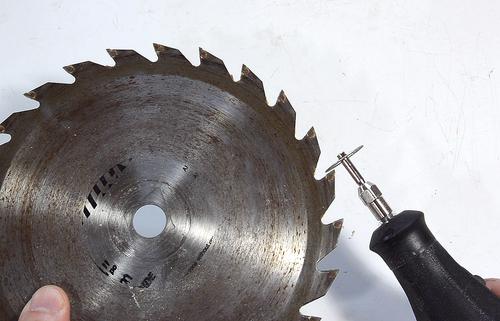
Image Source: woodgears.ca
Why Sharpen Your Carbide Saw Blades?
Over time, the sharp edges of carbide teeth dull from constant contact with wood, metal, or plastic. This dulling leads to several problems:
- Increased Cutting Effort: Dull blades require more force to cut, putting a strain on your tools and yourself.
- Rough Cuts: Instead of a clean slice, you get splintering, burning, and tear-out, ruining your workpiece.
- Overheating: When a blade struggles, it generates more heat, which can damage the workpiece and the blade itself.
- Reduced Safety: A dull blade can bind or kickback, posing a serious safety risk.
- Shorter Blade Life: Continuously forcing a dull blade can lead to premature wear and even catastrophic failure of the carbide tips.
Regular carbide saw blade maintenance is crucial for any woodworker, metalworker, or DIY enthusiast. It ensures your tools perform at their best and keeps you safe.
Signs Your Carbide Blade Needs Sharpening
- Burning Marks: Wood consistently comes off the cut with scorched or blackened edges.
- Splintering or Tear-out: The edges of your cuts are rough and uneven, with wood fibers being pulled out rather than cleanly severed.
- Increased Feed Pressure: You find yourself pushing much harder than usual to get the blade through the material.
- Vibration or Wobble: The blade feels less stable during operation, potentially indicating uneven wear or damaged teeth.
- Noticeable Dullness: Visually inspecting the carbide tips reveals they are no longer sharp and pointed.
Methods for Sharpening Carbide Saw Blades
There are several ways to approach sharpening tungsten carbide tips, ranging from simple manual methods to specialized power tools. The best method for you depends on your budget, the type of blades you have, and your willingness to invest time and effort.
1. Manual Carbide Sharpening
This is the most accessible method, often used for touch-ups or when specialized equipment isn’t available.
Diamond Files
Diamond files are excellent for carbide blade sharpening due to the extreme hardness of diamond. They are available in various grits, similar to sandpaper.
Tools Needed:
- Diamond file set (various grits, often 200-400 grit for sharpening, 800-1200 grit for honing)
- Blade holder or vise
- Magnifying glass (optional, but helpful)
- Safety glasses
Steps for Manual Sharpening with Diamond Files:
- Secure the Blade: Mount the saw blade securely in a vise or a dedicated blade holder. Ensure it doesn’t move while you work.
- Identify the Bevel: Locate the angled cutting edge (the bevel) on each carbide tip. You’ll be filing along this angle.
- Choose the Right File: Start with a coarser grit diamond file (e.g., 200-400 grit) for removing material and re-establishing the edge.
- Stroke Direction: Use smooth, consistent strokes, following the angle of the existing bevel. Typically, you’ll stroke from the gullet (the space between teeth) towards the tip. Avoid sawing back and forth.
- Maintain the Angle: It’s crucial to maintain the original bevel angle. This angle is usually stamped on the blade or can be determined by examining the other teeth.
- Sharpen Each Tooth: Apply light to moderate pressure. Sharpen each tooth by making a few passes. Aim for consistency across all teeth.
- Honing: Once the edge is re-established, switch to a finer grit diamond file (e.g., 800-1200 grit) to hone the edge. This refines the cutting surface and removes any burrs.
- Check for Burrs: After filing, gently run your fingertip (carefully!) or a magnifying glass over the edge to feel for any burrs – small, rough edges that can hinder performance. If you feel them, make a few more light passes with the fine file.
- Clean the Blade: Remove any metal dust or filings with a brush and a degreasing agent.
Sharpening Carbide Teeth Manually: Tips for Success
- Consistency is Key: The most critical aspect of manual sharpening is maintaining a consistent angle on every tooth.
- Don’t Over-Sharpen: Remove only as much material as necessary to restore the edge. Excessive grinding will shorten the blade’s life.
- Work in Batches: Sharpen one side of the teeth, then rotate the blade and sharpen the other side if necessary, ensuring you maintain the correct bevel on both.
2. Using a Carbide Grinder
A dedicated carbide grinder is a specialized tool designed for efficiently and accurately sharpening carbide-tipped saw blades. These grinders typically use diamond-impregnated grinding wheels.
Types of Carbide Grinders:
- Benchtop Grinders: These are larger, more powerful machines, often with specialized jigs for holding blades.
- Handheld Grinders: Some smaller, portable grinders can be used with appropriate diamond grinding discs.
Tools Needed:
- Carbide grinder
- Diamond grinding wheel suited for carbide
- Blade holder or jig (often comes with the grinder)
- Coolant (optional, but recommended for some grinders to prevent overheating)
- Safety glasses and dust mask
Steps for Grinding:
- Set Up the Grinder: Ensure the grinder is stable and the diamond wheel is securely mounted.
- Adjust the Grinding Angle: Set the grinding wheel to the correct bevel angle for your saw blade. This is crucial for proper cutting performance. Consult your blade’s specifications or a reputable guide for the correct angle.
- Mount the Blade: Secure the saw blade in the grinder’s jig or holder. The jig helps maintain the correct tooth pitch and angle as the blade rotates.
- Engage the Wheel: Bring the spinning grinding wheel into contact with the carbide tip.
- Follow the Bevel: Feed the tooth into the grinding wheel, moving along the bevel. The grinder’s mechanism usually guides this process.
- Controlled Passes: Make light, controlled passes. Avoid dwelling on a single tooth, which can cause overheating and damage the carbide.
- Advance to the Next Tooth: After sharpening a tooth, advance the blade to the next one, ensuring consistent spacing and angle.
- Grind Opposite Side (if applicable): If your blade has a different bevel on the back side of the teeth (e.g., alternate top bevel or high-low alternate top bevel), you will need to adjust the grinder setup or the blade position to sharpen these bevels.
- Honing/Finishing: Some grinders have a finer grit wheel for finishing, or you might follow up with a diamond hand file for a final polish.
- Clean and Inspect: Thoroughly clean the blade to remove grinding dust. Inspect the teeth for sharpness and any signs of damage.
Carbide Grinder Use: Precision and Efficiency
- Invest in Quality: A good carbide grinder is an investment, but it offers superior accuracy and speed compared to manual methods.
- Read the Manual: Always read and follow the manufacturer’s instructions for your specific grinder.
- Coolant: If your grinder supports coolant, use it. It helps dissipate heat, protecting the carbide and the grinding wheel.
3. Carbide Saw Blade Sharpening Service
For those who prefer not to sharpen their blades themselves, a professional carbide saw blade sharpening service is an excellent option. These services utilize specialized industrial equipment and experienced technicians to restore blades to their original sharpness.
When to Consider a Professional Service:
- Damaged Teeth: If teeth are chipped, broken, or have missing carbide tips, professional services can often repair or replace them.
- Complex Blade Types: Blades with intricate tooth geometries or special coatings may be best handled by professionals.
- Time Constraints: If you lack the time or inclination to sharpen yourself, a service can save you valuable hours.
- Maximum Performance: Professionals aim to restore blades to near-factory specifications, ensuring optimal cutting performance.
What to Expect from a Sharpening Service:
- Inspection: Blades are typically inspected for damage before sharpening.
- Sharpening: Using automated grinding machines, they precisely sharpen each carbide tip.
- Stoning/Honing: They often perform a secondary honing process to refine the edge.
- Setting: For some blade types, they may also check and adjust the tooth “set” (the slight outward bend of teeth for clearance).
- Cleaning: Blades are cleaned and often coated to prevent rust.
- Repair/Replacement: Services can often repair minor damage or replace missing carbide tips (carbide saw blade refurbishment).
Finding a Reputable Service:
- Local Tool Grinding Shops: Many cities have specialized shops that service cutting tools.
- Online Sharpening Services: Several companies offer mail-in sharpening services.
- Tool Manufacturers: Some tool manufacturers offer their own sharpening and repair services.
- Check Reviews: Look for services with good reviews and testimonials.
4. Carbide Blade Sharpening Jig
A carbide blade sharpening jig is an accessory that aids in either manual sharpening or use with certain grinders. These jigs hold the blade at a precise angle and allow you to advance each tooth consistently for grinding.
How Jigs Improve Sharpening:
- Angle Consistency: They eliminate guesswork by holding the blade steady at the pre-set bevel angle.
- Tooth Spacing: Many jigs help index (advance) the blade to the next tooth automatically or with a simple lever.
- Ease of Use: They make the sharpening process more manageable, especially for those new to it.
Using a Jig:
Jigs vary in complexity. Some are simple vises that attach to a bench grinder, while others are more sophisticated, attaching to a Dremel or a dedicated grinder.
- Mount the Jig: Securely attach the jig to your workbench or grinder.
- Install the Blade: Place your saw blade into the jig, aligning it according to the jig’s instructions.
- Set the Angle: Adjust the jig to match the bevel angle of your saw blade.
- Position the Grinding Tool: Bring your diamond file or grinding wheel to the carbide tip, guided by the jig.
- Sharpen and Advance: Sharpen the tooth, then use the jig’s mechanism to index to the next tooth. Repeat until all teeth are sharpened.
The Science Behind Sharpening Tungsten Carbide
Carbide, specifically tungsten carbide, is an extremely hard and brittle material. This hardness is what makes carbide-tipped blades so effective, but it also dictates how they are sharpened.
- Hardness: Tungsten carbide is significantly harder than high-speed steel (HSS). This means standard steel files or grinding wheels will not work. You must use abrasive materials that are harder than carbide, such as diamond or cubic boron nitride (CBN).
- Brittleness: While hard, carbide is also brittle. This means it can chip or fracture if subjected to excessive force, impact, or heat. Sharpening should be a process of controlled abrasion, not forceful scraping.
- Tooth Geometry: Saw blades have specific tooth geometries:
- Rake Angle: The angle of the face of the tooth. Positive rake cuts aggressively, negative rake cuts smoothly, and neutral rake is a balance.
- Bevel Angle: The angle on the leading edge of the tooth. This is the primary angle you sharpen. Common bevel angles range from 10° to 30°.
- Clearance Angle (Hook Angle): The angle on the back of the tooth that prevents it from rubbing against the material being cut. This is critical for preventing drag.
When sharpening carbide teeth, you are essentially re-establishing the original bevel angle and creating a sharp cutting edge without altering the other angles significantly.
Key Factors in Carbide Blade Sharpening
| Factor | Description | Importance |
|---|---|---|
| Diamond Abrasive | Essential for grinding extremely hard carbide material. | Paramount. Standard abrasives will not work. |
| Bevel Angle | Maintaining the original angle on the leading edge of each tooth. | Critical for correct cutting action and blade performance. |
| Tooth Consistency | Ensuring all teeth are sharpened to the same degree and angle. | Prevents vibration, chatter, and uneven cuts. |
| Clearance Angle | Preserving the back clearance angle to prevent the tooth from rubbing. | Crucial for smooth cutting and preventing heat buildup. |
| Heat Management | Avoiding excessive heat buildup during grinding to prevent carbide damage or cracking. | Important to preserve carbide integrity. |
| Burr Removal | Eliminating any small, rough edges left after grinding. | Ensures a clean cut and prevents premature dulling. |
| Carbide Thickness | Awareness of how much carbide material is being removed to avoid grinding too thin. | Dictates the number of times a blade can be sharpened. |
How To Hone Carbide: The Finishing Touch
Honing is the final stage of sharpening, where a very fine abrasive is used to polish the cutting edge. This creates a smoother surface, which leads to:
- Cleaner Cuts: A polished edge glides through material more easily.
- Extended Sharpness: A honed edge stays sharper for longer.
- Reduced Friction: Less friction means less heat and less strain on your tools.
Diamond files in finer grits (800-1200 grit and higher) are excellent for honing. A light pass along the bevel after the main sharpening is usually sufficient.
The Economics of Sharpening vs. Replacing
Carbide-tipped saw blades can be expensive. The cost of a professional carbide saw blade sharpening service or the initial investment in a carbide grinder is often significantly less than buying new blades, especially when you consider the lifespan of a well-maintained blade.
A typical circular saw blade might have 60 teeth. Each tooth has two carbide tips (one on each side of the blade for width). So, there are 120 cutting edges to maintain. Professionally sharpening a blade might cost $10-$20, while a new, good-quality blade can cost $30-$100 or more depending on size and application. If you can get 5-10 sharpenings out of a blade, the savings are substantial.
Table: Cost Comparison Example (Prices are approximate)
| Item | Cost to Buy New | Cost to Sharpen (Professional) | Cost Savings Per Sharpening |
|---|---|---|---|
| 10-inch Circular Saw Blade | $40 | $15 | $25 |
| 12-inch Metal Cutting Blade | $60 | $20 | $40 |
| 7-1/4-inch Trim Saw Blade | $30 | $10 | $20 |
DIY Sharpening Cost:
* Diamond File Set: $20 – $50
* Bench Vise: $30 – $100
* Total Initial DIY Investment: $50 – $150 (can be recouped quickly)
When DIY Sharpening Isn’t Recommended
While manual carbide sharpening and using a grinder can be rewarding, there are times when professional help is best:
- Severely Damaged Teeth: Deep chips, cracks, or missing carbide tips often require specialized repair or replacement by professionals.
- Very Expensive Blades: If you have an extremely high-end or specialized blade, entrusting it to a professional service might be safer.
- Lack of Confidence: If you’re not comfortable with the process or don’t have the right tools, it’s better to outsource.
- Blade Thickness: Some blades have very thin carbide tips. Grinding too aggressively can quickly reduce the tip thickness to a point where further sharpening is impossible, rendering the blade useless. A professional can assess this better.
Maintaining Your Sharpened Blades
After sharpening, proper care will ensure your blades remain in good condition:
- Cleanliness: Always clean blades after use to remove sap, resin, or metal filings. Use a degreaser and a stiff brush.
- Storage: Store blades in a dry place, ideally in their original plastic cases or a blade rack to prevent damage and rust.
- Avoid Damage: Keep blades away from impacts that could chip the carbide tips.
- Correct Use: Use the right blade for the material. Don’t try to cut metal with a wood blade, or vice versa, as this will quickly dull or damage the carbide.
Frequently Asked Questions (FAQ)
How often should I sharpen my carbide saw blades?
This depends heavily on how often you use the blade and the materials you cut. A blade used daily for hard materials might need sharpening every few weeks. A blade used occasionally for soft wood could last months. Watch for the signs of dullness mentioned earlier.
Can I use a regular bench grinder to sharpen carbide?
No, a standard aluminum oxide or silicon carbide grinding wheel will not sharpen carbide. You must use a diamond-impregnated grinding wheel or disc specifically designed for sharpening tungsten carbide.
What is the correct bevel angle for my saw blade?
Bevel angles vary based on the blade’s intended use. Woodcutting blades often have bevels between 15° and 25°. Metal cutting blades might have lower bevels (5°-15°). Always check the manufacturer’s specifications for your specific blade.
How do I know if my carbide blade is beyond repair?
If carbide tips are significantly chipped, cracked, missing, or if the blade body is warped or damaged, it might be beyond economical repair or sharpening. Professionals can often assess this better than a DIYer.
Is it better to sharpen myself or use a carbide saw blade sharpening service?
If you have only a few blades and value your time or lack confidence, a service is ideal. If you have many blades, use them frequently, or enjoy the process of tool maintenance, investing in a carbide grinder or learning manual carbide sharpening can be very cost-effective and rewarding.
What’s the difference between sharpening and honing?
Sharpening removes dull material to create a new sharp edge. Honing refines that edge, making it smoother and more durable. Both are important for optimal performance.
Conclusion
Mastering the art of carbide blade sharpening is a valuable skill for any serious DIYer or professional. It not only extends the life of your tools and saves you money but also ensures safer and more efficient operation. Whether you choose meticulous manual carbide sharpening, invest in a powerful carbide grinder, utilize a precise carbide blade sharpening jig, or opt for professional carbide saw blade refurbishment through a trusted service, the effort invested will pay dividends in cleaner cuts and a more productive workshop. Remember, a sharp blade is a safe blade.