
Can you tape a hammertoe for pain relief and better foot alignment? Yes, taping can offer temporary relief and support for hammertoes by helping to correct toe alignment and reduce friction. This blog post will guide you through effective taping techniques for hammertoes, discuss supportive devices, and offer comprehensive foot care advice for long-term comfort and health.
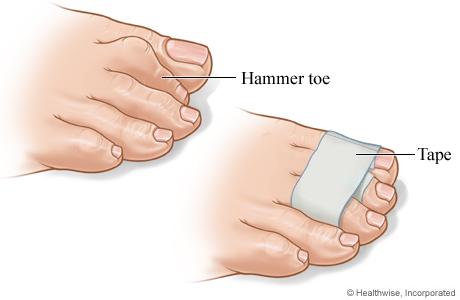
Image Source: content.ca.healthwise.net
What is a Hammertoe?
A hammertoe is a condition where one of your toes (most commonly the second, third, or fourth) bends abnormally downward at the middle joint. This causes the toe to resemble a hammer. Over time, the toe can become permanently fixed in this bent position, leading to pain, calluses, and corns where the toe rubs against your shoe. Several factors can contribute to hammertoe development, including genetics, wearing ill-fitting shoes that cramp the toes, muscle imbalances, and sometimes injury. It’s crucial to address hammertoes early to prevent them from worsening.
Common Causes of Hammertoe
- Genetics: A predisposition to developing hammertoes can be inherited.
- Foot Structure: High arches or flat feet can contribute to toe deformities.
- Footwear: High heels and shoes with narrow toe boxes are major culprits, forcing toes into unnatural positions.
- Muscle Imbalances: Weakness or tightness in the small muscles of the foot can affect toe posture.
- Arthritis: Conditions like osteoarthritis and rheumatoid arthritis can affect the joints, leading to deformities.
- Injury: Trauma to the toe can sometimes result in a hammertoe.
Signs and Symptoms
- Pain in the affected toe, especially when walking or wearing shoes.
- Corns and calluses on the top of the bent toe joint or the tip of the toe.
- Redness and swelling around the affected joint.
- Difficulty moving the toe.
- The toe may feel numb or tingly.
The Benefits of Taping for Hammertoes
Taping your hammertoe can provide significant benefits for pain relief and improved foot function. By strategically applying tape, you can achieve several positive outcomes.
Pain Relief and Comfort
Taping can help lift and straighten the bent toe, reducing pressure points that cause pain. This is especially helpful when wearing shoes. The tape acts as a buffer, preventing the toe from rubbing directly against the shoe’s interior.
Correct Toe Alignment
One of the primary goals of taping is to encourage better toe alignment. By gently pulling the affected toe into a more natural position, taping can help retrain the muscles and tendons over time. This correct toe alignment is vital for preventing further deformity and associated problems.
Reducing Friction and Irritation
The bent position of a hammertoe often leads to increased friction with footwear. Taping can create a smooth surface or lift the toe, thereby minimizing this irritation. This is particularly important for preventing corns and calluses.
Supporting the Foot
While not a substitute for proper arch support taping or specialized orthotics, hammertoe taping can offer a degree of localized support to the toe joint. This can help stabilize the toe and improve overall foot mechanics during movement.
How to Tape a Hammertoe: Step-by-Step Guide
Taping your hammertoe requires a gentle yet firm approach. The goal is to realign the toe without restricting blood flow or causing discomfort. Here are two common and effective methods:
Method 1: The Single Toe Buddy Technique
This is a simple yet effective way to splint a hammertoe.
Materials Needed:
- Athletic tape (e.g., Kinesiology tape or rigid athletic tape)
- Small piece of moleskin or a cotton ball (optional, for added cushioning)
Steps:
- Prepare Your Foot: Ensure your foot is clean and dry. If you have any open wounds or blisters, do not tape over them.
- Position the Toe: Gently straighten the affected toe as much as comfortable.
- Optional Cushioning: If the top of the toe joint is particularly sensitive or has a corn, place a small piece of moleskin or a bit of cotton ball over the area before applying tape.
- Apply the First Strip: Take a piece of tape long enough to wrap around the affected toe and the toe next to it. Starting from the underside of the affected toe, bring the tape up and over the top, then loop it around the adjacent toe. Pull it taut enough to provide support but not so tight that it restricts circulation.
- Secure the Toe: Take another piece of tape. Wrap it around the base of both toes (the affected toe and the adjacent one) to secure the first strip. This helps to keep the straightened toe in place.
- Reinforce (Optional): For added stability, you can apply a third strip of tape around the middle of the joined toes.
- Check for Comfort: Ensure the tape is not too tight. You should be able to wiggle your toes slightly, and there should be no numbness or tingling.
Method 2: The Toe Splinting Technique
This method uses tape to create a more robust splint.
Materials Needed:
- Athletic tape (Kinesiology tape or rigid athletic tape)
- Small piece of gauze or cotton pad
Steps:
- Clean and Dry: As before, make sure your foot is clean and dry.
- Straighten the Toe: Gently guide the hammertoe into a straighter position.
- Padding: Place a small piece of gauze or a cotton pad over the knuckle of the hammertoe, or wherever there is pressure or a corn.
- Anchor Strip: Take a strip of tape and wrap it around the ball of your foot, just behind the toes. This acts as an anchor.
- Lifting Strip: Take another strip of tape. Start it under the affected toe, bring it up and over the top, curving it around the tip of the toe, and then bring it back down to the anchor strip on the ball of your foot. This tape should gently lift the hammertoe into a better position.
- Securing Strip: Use another piece of tape to wrap around the toes again, reinforcing the position and securing the lifting strip. You might wrap this around the base of the toes.
- Final Check: Ensure the tape is snug but not constricting. Check for any signs of poor circulation.
Tips for Effective Taping
- Use Quality Tape: Athletic tape, like Kinesiology tape, is designed to be flexible and stick well. Rigid tape offers more support but can be less comfortable.
- Be Gentle: Avoid pulling too hard on the tape, which can cause irritation or restrict blood flow.
- Monitor Your Skin: Check your skin daily for any signs of redness, irritation, or blistering.
- Change Daily: It’s generally recommended to change the tape daily, especially after bathing or showering, to keep the skin healthy and the tape effective.
- Consider Other Taping Methods: Explore variations like arch support taping if you have related foot issues, or look into plantar fasciitis tape techniques for broader foot pain management.
Supportive Devices for Hammertoes
While taping offers immediate relief, other devices can provide more consistent hammertoe support and help manage the condition long-term.
Toe Spacers and Separators
These are small devices, often made of gel or silicone, that are placed between the toes. They help to keep toes separated, reducing pressure and friction, and promoting better alignment. They are particularly useful for overlapping toes.
Hammertoe Wraps and Splints
These are pre-made devices that wrap around the toe to help hold it in a straighter position. They are often more comfortable than rigid tape for extended wear and can be a good alternative to toe splinting with tape for some individuals. A flexible toe brace can offer a good balance of support and comfort.
Custom Orthotics
For more severe cases or when combined with other foot issues like plantar fasciitis or bunions, custom orthotics can be beneficial. They provide overall foot support, including arch support taping principles, and can help correct biomechanical issues that contribute to hammertoes.
Proper Footwear: A Crucial Element
- Wide Toe Box: Always choose shoes with a wide toe box that allows your toes to spread naturally.
- Low Heels: Avoid high heels, which push the foot forward and cramp the toes.
- Comfortable Fit: Ensure shoes are the correct length and width.
- Avoid Tight Shoes: Never wear shoes that are too tight or rub against your toes.
Managing Associated Foot Pain and Conditions
Hammertoes can often be accompanied by other foot problems, such as bunions, plantar fasciitis, and general foot pain. Effective management involves a holistic approach.
Bunion Treatment
Bunion treatment often involves similar principles to hammertoe care, focusing on proper footwear and reducing pressure. Taping can sometimes help to gently realign toes, which might indirectly ease pressure from a bunion, although it’s not a direct bunion treatment in itself. Wide shoes are paramount for both conditions.
Plantar Fasciitis Tape
If you experience plantar fasciitis tape or pain in your heel, you might consider specific taping techniques for that condition, which differ from hammertoe taping. However, improving toe alignment can sometimes indirectly affect the overall biomechanics of the foot, potentially easing plantar fasciitis symptoms.
Arch Support Taping
For those with fallen arches or flat feet, incorporating arch support taping can improve the foot’s overall structure. This can reduce strain on the toes and forefoot, potentially alleviating hammertoe discomfort.
Athletic Foot Care
For athletes, athletic foot care is paramount. Proper taping techniques, the right footwear, and conditioning exercises are essential to prevent and manage foot conditions like hammertoes. Ensuring your athletic shoes have adequate toe room and support is key.
When to Seek Professional Medical Advice
While taping and supportive devices can provide relief, it’s essential to know when to consult a healthcare professional.
Signs You Should See a Doctor
- Persistent Pain: If pain doesn’t improve with home care or taping.
- Severe Deformity: If the toe is severely bent and cannot be straightened at all.
- Open Sores or Infections: If you develop corns, calluses that break open, or signs of infection (redness, swelling, pus).
- Numbness or Tingling: This could indicate nerve compression.
- Diabetes or Poor Circulation: If you have diabetes or compromised circulation, foot problems can escalate quickly, so prompt medical attention is crucial.
Medical Treatments for Hammertoes
- Padding and Strapping: Professional strapping is often more precise than self-taping.
- Splints: Custom or prefabricated splints can offer targeted support.
- Custom Orthotics: Prescribed by a podiatrist for better foot alignment.
- Medications: Anti-inflammatory drugs may be prescribed for pain and swelling.
- Surgery: In severe cases, surgery may be recommended to realign the toe, which might involve procedures like tendon release, bone shortening, or joint fusion.
Frequently Asked Questions (FAQ)
Q1: How long should I tape my hammertoe?
A1: You can tape your hammertoe as needed for pain relief and support, often daily. However, it’s important to give your skin a break. For long-term management, consider supportive devices like toe spacers or consult a podiatrist.
Q2: Can taping cure a hammertoe?
A2: Taping can help manage symptoms and temporarily correct alignment, but it typically doesn’t “cure” a rigid hammertoe. It’s most effective for flexible hammertoes and as part of a broader treatment plan.
Q3: What is the best tape to use for hammertoes?
A3: Athletic tape, such as Kinesiology tape or rigid athletic tape, is generally recommended because it’s durable and designed for movement. Moleskin can be used for padding.
Q4: Will taping my hammertoe hurt?
A4: When done correctly, taping should not hurt. If you experience pain, numbness, or tingling, the tape is likely too tight and should be adjusted or removed.
Q5: Can I wear tape with bunions?
A5: Yes, you can tape your toes for hammertoes even if you have bunions. Ensure your shoes accommodate both conditions by having a wide toe box. Some taping techniques might help with toe alignment that can indirectly benefit bunions.
Q6: How do I prevent hammertoes from getting worse?
A6: Wear well-fitting shoes with a wide toe box and low heels. Avoid tight socks and hosiery. If you have a flexible hammertoe, taping or splinting can help maintain alignment. Regular foot exercises can also be beneficial.
Q7: Is Kinesiology tape good for hammertoes?
A7: Yes, Kinesiology tape can be very effective for hammertoes. Its flexibility allows for movement while providing support and aiding in toe alignment. It can also help reduce friction and pain.
Conclusion
Taping your hammertoe is a practical and accessible method for immediate pain relief and improved toe alignment. By following these step-by-step guides and incorporating best practices for athletic foot care, you can effectively manage your hammertoe symptoms. Remember that while taping offers a valuable solution, it’s part of a larger picture that includes proper footwear, supportive devices, and, when necessary, professional medical guidance. Prioritizing your foot health through consistent care and informed choices will lead to greater comfort and mobility.