
Can you test a circuit breaker with a multimeter? Yes, you can perform basic tests like continuity checks using a multimeter, but for a full assessment of a circuit breaker’s functionality, specialized equipment is necessary. This article will guide you through the essential tips and crucial safety measures when testing circuit breakers. Ensuring your electrical system is safe and reliable is paramount, and knowing how to test your circuit breakers is a key part of that.
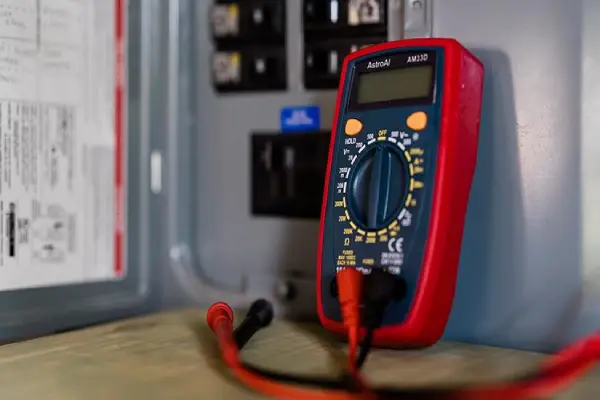
Image Source: mrelectric.com
Why Test Circuit Breakers?
Circuit breakers are the silent guardians of your electrical system. They automatically interrupt the flow of electricity when a fault occurs, like an overload or a short circuit, preventing damage to appliances, wiring, and even fires. However, like any mechanical or electrical device, circuit breakers can degrade over time or fail due to various issues. Regular testing helps ensure they will perform their vital function when needed.
Here’s why testing is so important:
- Safety: A faulty breaker might not trip, leading to overheating wires and fire hazards.
- Reliability: Tested breakers ensure your power stays on when it should and shuts off when it shouldn’t.
- Appliance Protection: A properly functioning breaker protects your sensitive electronics from power surges and faults.
- Preventative Maintenance: Identifying potential issues early can save you from costly repairs and downtime.
Deciphering Circuit Breaker Types
Before you start testing, it’s helpful to know the different types of circuit breakers you might encounter:
- Thermal-Magnetic Breakers: The most common type. They use a bimetallic strip (thermal) to detect overloads and an electromagnet (magnetic) for short circuits.
- Ground Fault Circuit Interrupters (GFCIs): These are designed to detect imbalances in current flowing to and from a circuit. They are crucial for areas where water is present, like bathrooms and kitchens, as they protect against electric shock.
- Arc Fault Circuit Interrupters (AFCIs): These detect dangerous electrical arcs that can cause fires. They are often installed in living areas and bedrooms.
- High-Interrupting Capacity Breakers: Used in industrial settings or areas with very high fault currents.
Essential Breaker Testing Procedures
Testing circuit breakers involves several key steps and techniques. The depth of testing will depend on the type of breaker and the reason for testing.
Visual Inspection: The First Line of Defense
A thorough visual inspection is the simplest yet most effective first step in assessing a circuit breaker. Always ensure the power to the breaker panel is OFF before performing any physical inspection.
Breaker Inspection Checklist
Here’s what to look for during a visual inspection:
- Physical Damage: Check for cracks, burn marks, or discoloration on the breaker body and handle. Any signs of melting or charring indicate a serious problem.
- Loose Connections: Gently try to wiggle the breaker. If it feels loose on the bus bar, it might not be making proper contact.
- Corrosion: Look for any signs of rust or corrosion on the breaker terminals or the bus bar in the panel.
- Handle Operation: Ensure the breaker handle moves freely and clicks firmly into the “ON” and “OFF” positions. A stiff or sticky handle can be a sign of internal issues.
- Labeling: Check if the breaker is clearly labeled with the circuit it controls. This aids in troubleshooting and maintenance.
Continuity Testing Breakers: Checking the Path
Continuity testing verifies that there is a complete path for electricity to flow when the breaker is in the “ON” position. This is a fundamental test that can be performed with a multimeter.
How to Perform Continuity Testing with a Multimeter
- Safety First: Ensure the circuit breaker is switched OFF.
- Set Your Multimeter: Set your multimeter to the continuity setting. This is usually indicated by a symbol that looks like a sound wave or a diode.
- Test the Multimeter: Touch the multimeter probes together. You should hear a beep or see a reading close to zero ohms, indicating continuity.
- Test the Breaker:
- With the breaker OFF, place one probe on the terminal where the wire connects to the breaker.
- Place the other probe on the terminal that connects to the bus bar inside the panel.
- You should not get a continuity reading (no beep, infinite resistance).
- Switch to ON: Turn the circuit breaker to the ON position.
- Retest: Place the probes in the same positions as before.
- You should now get a continuity reading (a beep or a very low resistance value, typically less than 1 ohm).
If the breaker shows continuity when OFF or no continuity when ON, it is faulty and needs to be replaced.
Insulation Resistance Breaker Testing: Detecting Leakage
Insulation resistance testing, often called “megger testing,” checks the integrity of the insulation within the breaker and its associated wiring. This test helps identify potential leakage paths to ground that could lead to shock hazards or equipment damage. This requires specialized breaker testing equipment.
Using an Insulation Resistance Tester (Megger)
- Safety First: TURN OFF POWER to the breaker panel. Disconnect any sensitive electronic equipment on the circuit.
- Isolate the Breaker: Turn the breaker you intend to test to the OFF position.
- Connect the Megger:
- Connect one lead of the megger to the output terminal of the breaker (where the wire to the appliance connects).
- Connect the other lead to the neutral bar or ground bar in the panel.
- Apply Voltage: Follow the megger’s instructions to apply the specified test voltage (e.g., 250V, 500V, or 1000V DC, depending on the system’s voltage rating and breaker type).
- Read the Resistance: Observe the resistance reading on the megger.
- Good Insulation: A high resistance reading (typically above 1 megohm, or 1 MΩ) indicates good insulation.
- Poor Insulation: A low resistance reading suggests insulation breakdown or a path to ground.
If you get a low reading, the breaker or the wiring it protects may have an insulation problem.
Breaker Trip Testing: Verifying Protection
Trip testing is a crucial test that verifies a circuit breaker will open at its rated current or within its specified trip time. This is the most comprehensive way to ensure the breaker is protecting the circuit effectively. This type of testing requires specialized breaker testing equipment designed to simulate overcurrent conditions.
Types of Trip Testing
- Overcurrent Trip Testing: This involves injecting a specific current (often a multiple of the breaker’s rated current) into the breaker and measuring the time it takes to trip.
- Residual Current Device (RCD) or Ground Fault Circuit Interrupter (GFCI) Trip Testing: For GFCIs, specialized testers inject a small current imbalance (e.g., 5mA or 10mA) to ensure the breaker trips within the specified time.
Performing Trip Testing (Requires Specialized Equipment)
- Safety First: TURN OFF ALL POWER to the panel.
- Connect Test Equipment: Connect the trip testing equipment according to the manufacturer’s instructions. This typically involves connecting the test device to the breaker’s terminals and the panel’s bus bars.
- Set Test Parameters: Input the breaker’s rated current and trip characteristics into the tester.
- Initiate Test: Start the test. The equipment will simulate an overcurrent condition.
- Observe Results: The tester will record whether the breaker tripped and how quickly it did so.
Breaker Testing Standards are crucial here. Organizations like the National Fire Protection Association (NFPA) and the International Electrotechnical Commission (IEC) publish standards (e.g., NFPA 70B, IEC 60947) that specify acceptable trip times and resistance values for various types of circuit breakers. Using these standards ensures your testing is accurate and reliable.
Breaker Load Testing: Simulating Real-World Conditions
Breaker load testing involves applying a controlled electrical load to the circuit controlled by the breaker and monitoring its performance. This test helps identify issues that might only appear under operational load, such as overheating at the terminals or the breaker failing to maintain contact under sustained current.
How Load Testing Works
- Safety First: Ensure the circuit breaker is in the ON position and the circuit is energized.
- Apply a Load: Use a load bank or a safe, resistive load (like a heater or incandescent bulbs) to draw a significant portion of the breaker’s rated current.
- Monitor Temperature: Use an infrared thermometer or a temperature probe to check the temperature of the breaker’s terminals and connections. They should not become excessively hot.
- Monitor Voltage Drop: Measure the voltage across the breaker’s terminals when under load. A significant voltage drop indicates high resistance in the breaker or its connections.
- Monitor Trip Performance: While not as precise as dedicated trip testing, observing if the breaker trips during the load test (if the load is intentionally increased beyond its rating) provides a basic confirmation of its protective function.
Troubleshooting Circuit Breakers: Common Issues
When troubleshooting circuit breakers, several common problems can arise:
- Breaker Trips Repeatedly: This usually indicates an overload condition on the circuit or a short circuit. Check for faulty appliances or wiring.
- Breaker Won’t Reset: The breaker might be damaged internally, or there could be a fault on the circuit that prevents it from resetting.
- Breaker Feels Warm: A slightly warm breaker is normal, but a hot breaker is a warning sign of loose connections or an overloaded circuit.
- No Power to a Circuit: This could be a tripped breaker, a faulty breaker, or a problem further up the electrical system.
Selecting the Right Breaker Testing Equipment
The type of equipment you need depends on the testing you intend to perform.
Multimeter Breaker Test Capabilities
A basic multimeter is excellent for:
- Continuity testing: As described earlier, checking for a complete path.
- Voltage checks: Measuring the voltage present at the breaker terminals.
Specialized Breaker Testing Equipment
For more in-depth testing, you will need specialized equipment:
- Insulation Resistance Testers (Meggers): For insulation resistance testing.
- Circuit Breaker Analyzers/Testers: These sophisticated devices perform overcurrent trip testing, contact resistance measurements, and other advanced diagnostics.
- GFCI/RCD Testers: Specifically designed to test the functionality of GFCI and RCD breakers.
- Infrared Thermography Cameras: Useful for identifying hot spots in electrical panels and breaker connections during load testing.
Safety First: The Golden Rules of Testing
Working with electricity is inherently dangerous. Prioritize safety above all else.
Never Work on Live Circuits Without Proper Training and PPE
- De-energize: Always attempt to de-energize the circuit or panel before performing any physical tests or inspections.
- Lockout/Tagout (LOTO): If working in an industrial or commercial setting, follow strict Lockout/Tagout procedures to prevent accidental re-energization.
- Personal Protective Equipment (PPE): Wear appropriate PPE, including:
- Safety Glasses/Face Shield: To protect your eyes from arc flashes.
- Insulated Gloves: Rated for the voltage you are working with.
- Flame-Resistant (FR) Clothing: To protect against burns from arc flashes.
- Safety Shoes: With rubber soles.
- Insulated Tools: Use tools with insulated handles.
- Maintain Safe Distances: Be aware of the arc flash boundary and maintain safe working distances.
- Work with a Buddy: If possible, have another person present for safety. They can act as a spotter and assist in case of an emergency.
- Know Your Limits: If you are unsure about any part of the testing process or feel uncomfortable, stop and call a qualified electrician.
Testing GFCI and AFCI Breakers
These breakers have specific testing requirements to ensure they protect against shock and fire hazards.
GFCI Breaker Testing
GFCIs are designed to detect small imbalances in current.
- Built-in Test Button: Most GFCI outlets and breakers have a “TEST” button. Pressing this should trip the breaker. Pressing the “RESET” button restores power.
- GFCI Tester: A dedicated GFCI tester is the most reliable way to confirm functionality. It simulates a fault current and checks if the breaker trips within the specified time.
AFCI Breaker Testing
AFCIs detect dangerous arcing conditions.
- Built-in Test Button: Similar to GFCIs, AFCIs usually have a “TEST” button. Pressing this button should simulate an arc fault and trip the breaker.
- AFCI Tester: Specialized AFCI testers can simulate different types of arcs (parallel and series) to verify the breaker’s protective capabilities.
When to Call a Professional
While basic tests can be done by knowledgeable homeowners, certain situations warrant professional intervention:
- Complex Electrical Systems: Industrial, commercial, or older wiring systems.
- Lack of Experience or Confidence: If you’re not comfortable or knowledgeable about electrical work.
- Repeated Tripping: If you can’t identify the cause of a breaker tripping.
- Signs of Damage: Any visible damage to the panel or breakers.
- Need for Comprehensive Testing: For critical systems or to meet regulatory requirements.
Qualified electricians have the training, specialized breaker testing equipment, and knowledge of breaker testing standards to perform thorough and safe testing. They can also assist with troubleshooting circuit breakers and ensuring your entire electrical system is up to code.
Frequently Asked Questions (FAQ)
How often should circuit breakers be tested?
General recommendations suggest testing circuit breakers annually or bi-annually as part of routine maintenance. For critical infrastructure or in environments with high usage, more frequent testing may be necessary, following specific breaker testing standards and manufacturer guidelines.
Can I replace a circuit breaker myself?
While it might seem straightforward, replacing a circuit breaker involves working with live electrical components. It is strongly recommended to hire a qualified electrician for breaker replacement to ensure the job is done safely and correctly, preventing potential hazards and ensuring the new breaker is properly rated for the circuit.
What does it mean if a circuit breaker is warm to the touch?
A breaker that is slightly warm to the touch under normal load is usually not a cause for alarm. However, if a breaker is hot, it indicates a potential problem such as a loose connection, an overloaded circuit, or an aging/faulty breaker. You should investigate the cause immediately and consider replacing the breaker if it’s excessively hot.
What is the difference between a circuit breaker and a fuse?
A fuse is a disposable safety device containing a metal wire that melts and breaks the circuit when an overcurrent occurs. A circuit breaker is a reusable device that can be reset manually or automatically to restore the circuit after an overcurrent or fault. Circuit breakers are generally preferred for their convenience and reusability.
What are the consequences of not testing circuit breakers?
Not testing circuit breakers can lead to a false sense of security. A breaker that appears functional might fail to trip during an actual fault, resulting in electrical fires, damage to appliances, or even severe electric shock. Regular testing ensures the protective devices in your electrical system will perform as intended when most needed.