
A loose circular saw blade is a significant safety hazard that can lead to kickback, splintering, and inaccurate cuts. Knowing how to properly tighten a circular saw blade ensures your tool operates efficiently and safely. This guide will walk you through the essential steps of securing your saw blade, covering everything from common issues to advanced maintenance.
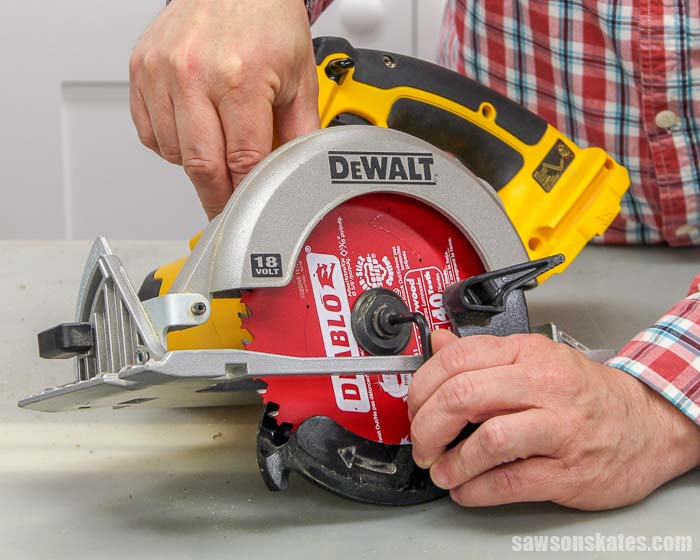
Image Source: sawsonskates.com
Why Securing Your Saw Blade Matters
A circular saw is a powerful tool, and like any power tool, its safe operation relies on proper maintenance. When a circular saw blade becomes loose, the consequences can be severe.
Potential Dangers of a Loose Blade
- Kickback: This is when the saw suddenly jerks backward towards the operator. A loose blade can catch on the material, causing this dangerous reaction.
- Inaccurate Cuts: A wobbly blade will result in jagged, uneven cuts, wasting your material and compromising the quality of your work.
- Blade Damage: A loose blade can vibrate excessively, leading to premature wear and tear, or even catastrophic failure of the blade itself.
- Damage to the Saw: The excessive vibration from a loose blade can also damage the saw’s arbor, bearings, and housing over time.
Essential Tools for Blade Tightening
Before you can tighten your circular saw blade, you’ll need a few specific tools. Having these readily available will make the process smooth and efficient.
What You’ll Need
- Circular Saw: Of course, the tool itself!
- Arbor Wrench or Allen Key: Most circular saws come with a specialized wrench or an Allen key designed to fit the arbor nut. Check your saw’s manual if you can’t find it.
- Work Gloves: To protect your hands from sharp blades and potential debris.
- Safety Glasses: Always wear safety glasses when working with power tools.
- Clean Cloth: For wiping down the arbor and blade.
- Optional: Pliers: Sometimes, the blade washer or arbor nut can be a bit stubborn. Pliers can provide extra grip, but use them gently to avoid damage.
Step-by-Step Guide to Tightening a Circular Saw Blade
Following these steps will help you correctly and safely tighten your circular saw blade. This process is crucial for regular circular saw maintenance.
Step 1: Disconnect Power
This is the most important step. Never attempt to tighten or change a circular saw blade while the saw is plugged in or the battery is attached. Accidental activation can lead to serious injury.
- Corded Saws: Unplug the saw from the power outlet.
- Cordless Saws: Remove the battery pack.
Step 2: Access the Blade
You’ll need to get to the blade assembly. Most circular saws have a lever or button that allows you to lock the spindle or arbor, making it easier to loosen or tighten the blade bolt.
- Locate the Spindle Lock: This is typically a button or pin located near the blade guard. Push and hold this to prevent the arbor from spinning.
- Position the Guard: Move the blade guard out of the way if necessary to get a clear view and access to the blade and arbor nut.
Step 3: Loosen the Blade Bolt (If Necessary)
Sometimes, a circular saw blade loose might be because the arbor nut is simply not tight enough. If the blade is already installed but feels loose, you’ll need to tighten it. If you’re changing the blade, you’ll first loosen the existing one.
- Identify the Arbor Nut: This is the nut that holds the blade onto the saw’s arbor.
- Engage the Spindle Lock: Press and hold the spindle lock button.
- Attach the Wrench: Place the correct wrench (arbor wrench or Allen key) onto the arbor nut. Ensure it fits snugly.
- Turn the Wrench:
- To Loosen: Turn the wrench counter-clockwise (lefty-loosey).
- To Tighten: Turn the wrench clockwise (righty-tighty).
Important Note: For tightening, you’ll be turning the wrench clockwise. If you’re trying to loosen a stuck blade to change it, you’ll also turn counter-clockwise.
Step 4: Inspect the Arbor and Blade Washers
Before installing or re-tightening, it’s a good time for some basic circular saw maintenance.
- Clean the Arbor: Use your clean cloth to wipe away any sawdust, metal shavings, or grease from the saw’s arbor shaft. A clean arbor ensures the blade sits flush.
- Check the Saw Blade Washer: Circular saws typically have two washers: an inner one that sits against the arbor shoulder and an outer one that the arbor nut tightens against.
- Inner Washer: This should be firmly seated against the saw’s arbor shoulder.
- Outer Washer: This washer should be placed on the arbor shaft, ready for the blade. Make sure it’s clean and free of debris. Sometimes, the saw blade washer can get bent or damaged, preventing a secure fit.
Step 5: Re-install or Position the Blade
If you are tightening an existing blade, ensure it’s seated correctly on the arbor. If you are changing the blade, place the new blade onto the arbor shaft, ensuring the teeth are facing the correct direction (usually indicated by an arrow on the blade or the saw’s housing).
- Blade Direction: Always ensure the teeth are pointing forward, in the direction of the cut. Most blades have an arrow indicating rotation.
- Washers: Place the outer saw blade washer onto the arbor shaft, against the side of the blade that will face the arbor nut.
Step 6: Tighten the Arbor Nut
This is the core of how to tighten a circular saw blade.
- Engage the Spindle Lock: Press and hold the spindle lock button again.
- Thread the Arbor Nut: Screw the arbor nut onto the arbor shaft by hand first to ensure it’s not cross-threaded.
- Use the Wrench: Place the arbor wrench or Allen key onto the arbor nut.
- Tighten Firmly: Turn the wrench clockwise with firm, steady pressure. You want the blade to be very secure, but avoid overtightening, which can damage the arbor, nut, or blade. The blade should not wiggle or move at all.
Step 7: Check for Security
Once tightened, gently try to wiggle the blade. It should be absolutely solid and not move independently of the arbor.
- Spin Test: With the spindle lock still engaged (or while holding the blade firmly), try to rotate the blade. It should feel completely locked in place.
- Visual Check: Ensure the blade is seated evenly against the washers.
Step 8: Test the Saw (Safely)
Before making any cuts, it’s wise to do a brief test.
- Connect Power: Plug the saw back in or re-attach the battery.
- Blade Guard Check: Ensure the blade guard moves freely and returns to its covered position automatically.
- Brief Run: Hold the saw firmly and briefly activate the trigger in an open space, away from any materials. Listen for any unusual noises or wobbling.
Common Circular Saw Troubleshooting Related to Blade Tightness
Experiencing issues with your saw? A loose circular saw blade is often the culprit. Here are some common problems and how tightening the blade can help.
What if the Blade Still Feels Loose?
If you’ve tightened the blade and it still feels loose, there are a few possibilities:
- Worn Arbor Nut or Washers: The threads on the arbor nut or the washers might be worn down, preventing a secure grip.
- Damaged Arbor: The arbor shaft itself could be damaged or stripped.
- Incorrect Tightening: You might not have used enough force, or the spindle lock wasn’t fully engaged.
- Missing Components: Ensure all washers are present and correctly installed.
Action: If you suspect worn parts, it’s time to inspect them closely. If the arbor itself is damaged, the saw may need professional repair or replacement. This falls under advanced circular saw maintenance.
Why is My Saw Vibrating Excessively?
Excessive vibration is a classic symptom of a loose circular saw blade loose. However, it can also be caused by:
- Bent Blade: A blade that has been dropped or subjected to stress can become bent.
- Imbalanced Blade: Some blades might have minor manufacturing imperfections causing imbalance.
- Debris on the Arbor: Even a small piece of debris can throw off the balance.
Action: Ensure the blade is perfectly straight and clean. If you are changing the blade, try a different, known-good blade to see if the vibration persists.
My Cuts Are Rough and Jagged
This is a direct consequence of a blade that isn’t spinning true.
- Blade Tightness: First and foremost, double-check that the blade bolt is properly tightened.
- Blade Sharpness: A dull blade will also produce rough cuts, regardless of how tight it is.
- Blade Type: Ensure you are using the correct type of blade for the material you are cutting.
Action: Tighten the blade securely. If the issue continues, sharpen or replace the blade, or consider if it’s the right blade for the job.
Changing a Circular Saw Blade: When Tightening Isn’t Enough
Sometimes, you need to change the blade entirely. This could be due to dullness, damage, or switching to a blade designed for a different material. The process is very similar to tightening, with a few extra steps.
Steps to Change a Circular Saw Blade
- Disconnect Power: (Crucial!) Unplug the cord or remove the battery.
- Access the Blade: Locate and engage the spindle lock.
- Loosen the Arbor Nut: Use the appropriate wrench and turn counter-clockwise to loosen and remove the arbor nut and the outer blade washer.
- Remove the Old Blade: Carefully pull the old blade off the arbor. Be mindful of the teeth.
- Clean Components: Clean the arbor, arbor nut, and both blade washers.
- Install the New Blade: Place the new blade on the arbor, ensuring correct tooth direction.
- Replace the Outer Washer: Place the outer washer on the arbor shaft, against the new blade.
- Tighten the Arbor Nut: Screw the arbor nut on by hand, then use the wrench to tighten it clockwise while holding the spindle lock. Tighten it firmly until secure.
- Final Check: Ensure the blade is tight and spins freely without wobbling.
- Test: Reconnect power and perform a brief test run.
Maintenance Tips for Your Circular Saw Blade and Arbor
Regular circular saw maintenance will prolong the life of your tools and ensure safety.
Keeping Your Saw Sharp and Secure
- Regular Cleaning: After each use, brush off sawdust and debris from the blade, arbor, and blade guard.
- Blade Inspection: Periodically inspect your blades for signs of damage, such as missing teeth, chips, or warping. Replace damaged blades immediately.
- Lubrication: While not typically needed for the blade itself, check your saw’s manual for any lubrication recommendations for the arbor or motor housing.
- Storage: Store your circular saw and spare blades in a dry, safe place, away from moisture and impact.
Frequently Asked Questions (FAQ)
What if my circular saw came with a different type of fastener, not an arbor nut?
Some circular saws might use a bolt and nut system instead of a traditional arbor nut. The principle remains the same: you’ll need to secure the arbor while tightening the fastener. Always refer to your specific saw’s manual for the correct procedure and tools.
Can I overtighten a circular saw blade?
Yes, you can overtighten the arbor nut. Overtightening can strip the threads on the arbor shaft or the nut, making future blade changes difficult or impossible. It can also damage the blade or washers. Tighten it firmly until the blade is secure, but don’t force it with excessive pressure.
How often should I check if my circular saw blade is loose?
It’s good practice to check the tightness of your circular saw blade before each use, especially if the saw has been stored for a while or if you’ve recently changed blades. If you notice any unusual vibration or hear strange noises during operation, stop immediately and check the blade security. This is a vital part of circular saw maintenance.
What are the signs that my blade needs changing, not just tightening?
Signs a blade needs changing include:
* Dull teeth (difficulty cutting, excessive force needed).
* Missing or chipped teeth.
* Bent or warped blade.
* Excessive burning on the cut line.
* The blade feels consistently loose even after tightening.
Is it safe to use a circular saw if the blade bolt is loose?
Absolutely not. A loose circular saw blade loose is a major safety hazard and should never be used. Immediately disconnect power and tighten the blade before proceeding.
What is the purpose of the saw blade washer?
The saw blade washer, also known as a flange, helps to distribute the clamping force of the arbor nut evenly across the blade. This prevents the nut from digging into the blade material and ensures the blade is held securely and squarely on the arbor. There are usually two: an inner one that contacts the arbor shoulder and an outer one that the nut tightens against.
How do I tighten a saw arbor if the spindle lock doesn’t work?
If the spindle lock mechanism on your circular saw isn’t functioning, it can make tightening the blade difficult and potentially dangerous. In this situation, you might need to wedge a block of wood between the blade teeth and the guard, or have someone else firmly hold the blade in place while you tighten the arbor nut with the wrench. However, if the spindle lock is broken, it’s a strong indicator that the saw needs professional repair. Trying to tighten a saw arbor without a proper spindle lock significantly increases the risk of injury.
My circular saw blade won’t come off, even when loosened. What should I do?
This is a common issue. It could be due to rust, debris, or the arbor nut being overtightened previously.
1. Ensure Power is OFF: Double-check the saw is unplugged or the battery removed.
2. Engage Spindle Lock: Make sure the spindle lock is fully engaged.
3. Apply Penetrating Oil: Spray a small amount of penetrating oil (like WD-40) around the arbor nut and threads, and let it sit for 10-15 minutes.
4. Tap Gently: Gently tap the end of the arbor with a rubber mallet or a piece of wood to help break any corrosion.
5. Try Loosening Again: Use the wrench to try and loosen the arbor nut counter-clockwise. You may need to apply steady, firm pressure.
6. Use Pliers (Carefully): If the nut still won’t budge, you can try using a pair of sturdy pliers to grip the nut and turn it, but be very careful not to damage the threads or the arbor.
If none of these steps work, the saw may require professional attention, as the arbor or nut might be severely corroded or damaged. This is a troubleshooting step for when the blade is stuck, not necessarily loose.
By following these guidelines, you can ensure your circular saw blade is always tightened correctly, contributing to safer operation and cleaner cuts. Regular attention to your tools is the best way to prevent problems and get the most out of your equipment.