
A chainsaw that’s flooded won’t start because too much fuel has entered the engine. Can you unflood a Stihl chainsaw? Yes, you can unflood a Stihl chainsaw by following a few simple steps to clear the excess fuel from the engine and allow it to restart. This is a common issue, especially if you’ve tried to start it multiple times without success.
A flooded chainsaw means the engine’s air-fuel mixture is too rich. This can happen for several reasons, often related to the carburetor, improper starting procedures, or environmental conditions. When your Stihl chainsaw is flooded, you’ll typically notice it won’t fire up, or if it does, it might sputter and die quickly. The smell of raw fuel is also a strong indicator of a flooded engine.
This guide will walk you through the common causes of a flooded Stihl chainsaw and provide clear, step-by-step instructions on how to fix it. We’ll cover everything from identifying the signs of a flooded engine to getting your saw back to work.
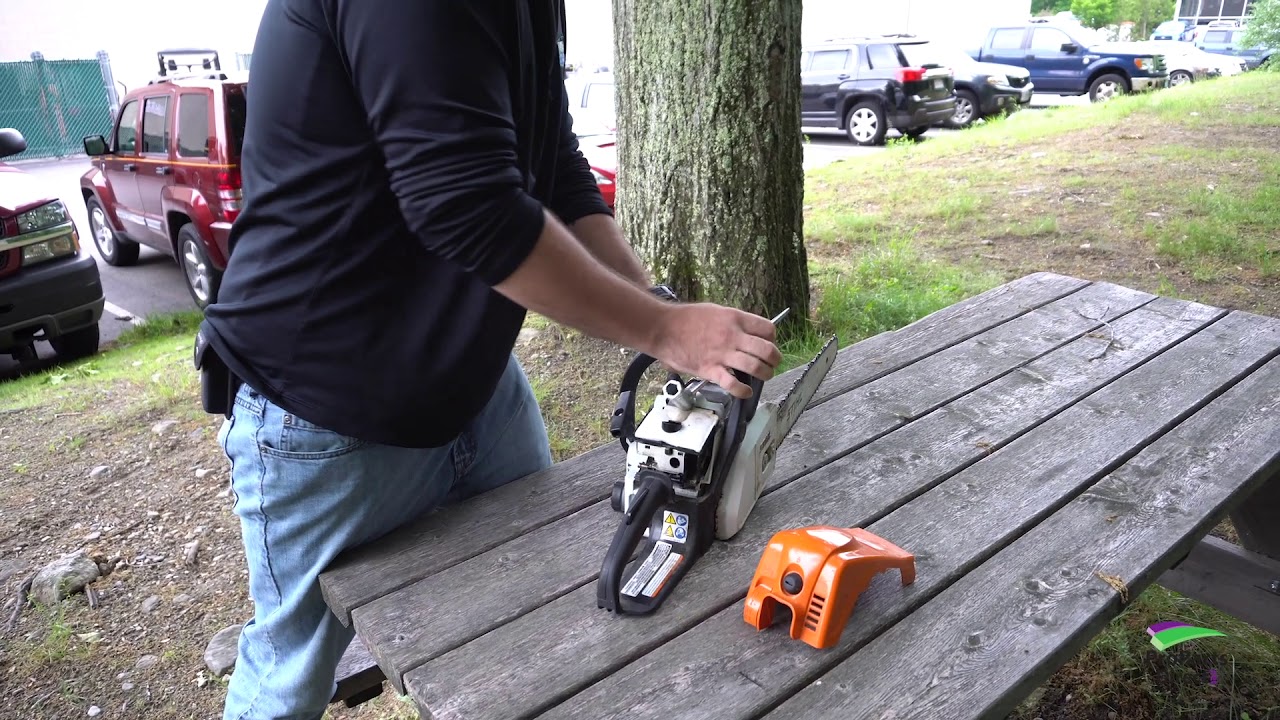
Image Source: i.ytimg.com
Why Does a Chainsaw Get Flooded?
A chainsaw engine needs a precise mix of fuel and air to run. The carburetor is the part that mixes these two elements. If something goes wrong with this mix, the engine can become flooded.
The Role of the Carburetor
The carburetor is like the engine’s lungs and digestive system. It takes fuel from the tank, mixes it with air, and sends this mixture to the engine’s cylinders to be ignited. If the carburetor is dirty, damaged, or not adjusted correctly, it can send too much fuel into the engine.
Common Flooding Scenarios
- Over-priming: Pushing the primer bulb too many times can force excess fuel into the carburetor and engine.
- Incorrect choke usage: Leaving the choke on for too long after the engine has started or warmed up can cause a rich fuel mixture.
- Pulling the starter cord too many times without the engine starting: Each pull can introduce more fuel without a spark to burn it.
- Dirty air filter: A clogged air filter restricts airflow, making the fuel mixture too rich.
- Faulty carburetor: The carburetor itself might have internal issues, like a stuck float or worn gaskets, leading to an improper fuel mix.
- Water in the fuel: While less common for flooding, it can cause starting issues.
- Low compression: An engine with low compression struggles to ignite the fuel, leading to it building up.
How to Clear a Flooded Stihl Chainsaw: Step-by-Step
When you suspect your Stihl chainsaw is flooded, the goal is to clear the excess fuel out of the combustion chamber and allow fresh air in.
Step 1: Stop Trying to Start It
If you’ve been trying to start a flooded chainsaw repeatedly, stop. Every pull of the starter cord just adds more fuel. Give the engine a chance to air out.
Step 2: Engage the Choke (if applicable and it wasn’t the cause)
For some models, especially those with a manual choke, you might need to adjust the choke setting.
Adjusting the Choke for Flooding
- If the choke was the culprit: If you think you left the choke on too long, move it to the “run” or “start” position (usually indicated by no choke symbol or a fully open symbol).
- For a potentially flooded but cold start: Some manufacturers recommend a specific choke setting for a flooded cold start. Consult your Stihl manual. Often, for a flooded engine, you’ll want to disengage the choke.
Step 3: Disable the Ignition (Remove Spark Plug)
This is a crucial step to clear the flooded engine.
Removing the Spark Plug
- Locate the spark plug: It’s usually near the front of the engine, covered by a spark plug cap.
- Remove the spark plug cap: Gently pull the cap off the spark plug. You might need a spark plug wrench or pliers to get a good grip.
- Unscrew the spark plug: Use the appropriate spark plug wrench to loosen and remove the spark plug. Turn it counter-clockwise. Be careful not to drop it or damage the threads.
Inspecting the Spark Plug
Once removed, look at the spark plug.
- Appearance of a flooded spark plug: A flooded spark plug will likely be wet with fuel and appear dark or oily. This is a clear sign of too much fuel.
- Cleaning the spark plug: You can try to clean the spark plug with a rag and some carburetor cleaner or brake cleaner. Let it dry completely. You might also want to gently file the electrodes if they look fouled. However, often it’s best to replace a flooded spark plug with a new one.
Step 4: Clear the Cylinder
With the spark plug removed, you can now clear the excess fuel from the combustion chamber.
Techniques to Clear the Cylinder
- Give it a few pulls: With the spark plug out, gently pull the starter cord several times. You should see fuel being expelled from the spark plug hole. This helps to blow out the excess fuel mixture. Do this outdoors or in a well-ventilated area, as you’ll be spraying fuel.
- Let it air out: Leave the spark plug out for a few minutes to allow any residual fuel vapor to dissipate.
Step 5: Reinstall the Spark Plug (or a New One)
Once you’ve cleared the cylinder, you can put the spark plug back in.
Reinstalling the Spark Plug
- Ensure the spark plug is dry and clean: If you cleaned it, make sure it’s completely dry. Ideally, use a new, correctly gapped spark plug.
- Thread it in by hand: Carefully thread the spark plug back into the cylinder by hand to avoid cross-threading.
- Tighten with a wrench: Use your spark plug wrench to tighten it. Don’t overtighten it, as this can damage the cylinder head. A snug fit plus a quarter turn is usually sufficient.
- Reattach the spark plug cap: Push the spark plug cap firmly back onto the spark plug.
Step 6: Attempt to Start the Chainsaw
Now it’s time to try starting your Stihl chainsaw again.
Starting Procedure for a Flooded Engine
- Set the choke: If the engine is cold, set the choke to the “cold start” or “full choke” position (usually indicated by a symbol or “CHOKE”). If the engine was recently running and then flooded, you might try starting with the choke in the “run” or “half-choke” position, or even fully open, depending on your model and how long it sat after flooding. Consult your Stihl manual for specific procedures regarding flooded starts.
- Press the primer bulb: If your Stihl has a primer bulb, press it a couple of times until you see fuel circulating. Don’t over-prime.
- Pull the starter cord: Give the starter cord a few firm pulls.
What to Expect
- If it starts: Great! Let it run for a minute or two. It might sputter a bit at first.
- If it doesn’t start: It might still be a bit flooded or there could be another issue. Let it sit for another 5-10 minutes with the spark plug out to air out again, then try the starting procedure once more.
Troubleshooting Common Issues Related to Flooding
Sometimes, the flooding is a symptom of an underlying problem. Here are some common culprits to investigate if your Stihl chainsaw continues to flood.
The Flooded Carburetor
The carburetor is the heart of the fuel delivery system. If it’s not working correctly, it’s a prime suspect for causing a flooded engine.
What to Look For in a Flooded Carburetor
- Dirt and Debris: Over time, small particles can clog the tiny jets and passages inside the carburetor.
- Stuck Float: Many carburetors have a float that controls the fuel level. If it gets stuck in the “open” position, it can allow too much fuel to enter.
- Worn Needles and Seats: The needle and seat assembly controls fuel flow. If they are worn, fuel can leak past, causing a rich mixture.
- Incorrect Adjustment: Carburetors often have adjustment screws, but on modern Stihl saws, these are usually factory-set and not meant to be adjusted by the user unless you’re experienced or have the proper tools.
Fixing a Flooded Carburetor
- Cleaning: The most common fix for a carburetor causing flooding is cleaning. This can be done by carefully disassembling the carburetor, cleaning each part with a carburetor cleaner spray, and using compressed air to blow out all passages.
- Rebuilding: If cleaning doesn’t work, you may need to replace the internal parts of the carburetor, such as the needle valve and gasket kit.
- Replacement: In some cases, especially with older or heavily corroded carburetors, it’s more efficient and effective to replace the entire carburetor. Ensure you get the correct Stihl carburetor for your specific chainsaw model.
The Flooded Starter
While the term “flooded starter” isn’t technically a standard diagnostic term, it often refers to issues that prevent the engine from starting, leading to repeated attempts that cause flooding. This could involve:
- Faulty Ignition Coil: If the spark plug isn’t getting a strong enough spark, it won’t ignite the fuel. This can lead to a buildup of unburnt fuel.
- Worn Spark Plug Wire: A damaged spark plug wire can also lead to a weak spark.
- Incorrect Spark Plug Gap: An improperly gapped spark plug won’t produce an optimal spark.
The Flooded Fuel Mixture
This is the direct result of too much fuel and not enough air.
Factors Affecting the Fuel Mixture
- Altitude: At higher altitudes, the air is thinner, requiring a leaner fuel mixture. If you’re operating your chainsaw at a significantly higher altitude than it was set for, it can run rich and flood.
- Temperature: Extreme temperatures can affect fuel vaporization and the carburetor’s performance.
- Fuel Quality: Old or contaminated fuel can also cause poor combustion.
The Flooded Choke
As mentioned, improper choke use is a frequent cause of a flooded engine.
When to Use the Choke
- Cold Starts: The choke restricts airflow, creating a richer fuel mixture needed to start a cold engine.
- Warm Starts: Once the engine is running, or if it’s already warm, the choke should be moved to the “run” or “half-choke” position, and then fully open as the engine warms up. Leaving the choke on a warm engine will cause it to flood.
Priming the Cylinder Correctly
Understanding how to prime your specific Stihl model is key to avoiding flooding.
Priming Best Practices
- Consult Your Manual: Always refer to your Stihl owner’s manual. It will have precise instructions for your model.
- Primer Bulb Usage: For most Stihl chainsaws, you typically press the primer bulb 3-5 times for a cold start. If the engine is warm or has been running recently, fewer presses, or no presses at all, might be necessary.
- Listen to the Engine: If you hear the engine sputter and try to start, it’s getting fuel. If it doesn’t even hint at starting after several primer presses, you might have over-primed.
Maintaining Your Stihl Chainsaw to Prevent Flooding
Preventing flooding is always better than fixing it. Regular maintenance is key.
Regular Maintenance Schedule
- Clean or Replace the Air Filter: Do this regularly, especially if you work in dusty conditions. A clean air filter ensures adequate airflow.
- Inspect the Spark Plug: Check the spark plug for wear and fouling every so often. Replace it at the recommended intervals or if it looks damaged.
- Use Fresh Fuel: Always use fresh gasoline and the correct mix of Stihl two-stroke oil. Old fuel can degrade and cause starting problems.
- Keep the Carburetor Clean: While you don’t need to disassemble it constantly, a periodic check for visible debris around the carburetor intake can be helpful.
- Check the Fuel Filter: A clogged fuel filter can restrict fuel flow, but in some cases, it could contribute to issues leading to a rich mixture if the carburetor is compensating.
- Clean the Chainsaw: Keep the entire saw clean, especially around the engine and air intake areas.
Fuel Mixture and Storage
- Proper Fuel Mix: Always use the correct fuel-to-oil ratio recommended by Stihl for your saw. Too much oil can also cause issues.
- Fuel Stabilizer: If you won’t be using the chainsaw for an extended period, use a fuel stabilizer to prevent fuel degradation.
- Empty Fuel Tank: For long-term storage, it’s often recommended to run the engine dry or drain the fuel tank to prevent gumming up the carburetor.
Frequently Asked Questions About Flooded Stihl Chainsaws
Here are some common questions users have about flooded Stihl chainsaws.
Q1: My Stihl chainsaw is flooded, can I just wait it out?
A: Yes, if your Stihl chainsaw is flooded, allowing it to sit for 10-15 minutes with the spark plug removed can help it air out naturally. This is a passive way to clear the cylinder.
Q2: How many times should I prime my Stihl chainsaw?
A: For a cold start, typically 3-5 presses of the primer bulb are sufficient. For a warm engine, you might not need to prime it at all, or just 1-2 presses. Always check your owner’s manual for specific instructions for your model.
Q3: What if cleaning the spark plug doesn’t work?
A: If cleaning the spark plug doesn’t resolve the issue, it’s likely that the spark plug is damaged or fouled beyond cleaning. It’s best to replace it with a new, correctly gapped spark plug specifically designed for your Stihl model.
Q4: My Stihl chainsaw always seems to flood when it’s cold. What’s the fix?
A: If your Stihl chainsaw consistently floods when cold, it might indicate an issue with the choke mechanism itself, or the carburetor may be set too rich for cold starting. Ensure you’re using the choke correctly and consult your manual or a service technician if the problem persists. A dirty air filter can also contribute to a rich mixture.
Q5: Is it safe to try and start a flooded Stihl chainsaw in my garage?
A: No, it is not safe to attempt to start a flooded Stihl chainsaw in an enclosed space like a garage. The process of clearing a flooded engine can expel fuel, and the exhaust fumes are toxic. Always move your chainsaw outdoors to a well-ventilated area for any starting or running procedures.
Q6: Can a bad spark plug cause my Stihl chainsaw to flood?
A: A bad or fouled spark plug won’t directly cause the engine to flood, but it can prevent the fuel mixture from igniting. If the fuel doesn’t ignite, it will accumulate in the cylinder, leading to a flooded condition after repeated starting attempts. A weak spark from a bad plug is often a result of a flooded condition, but the lack of ignition can exacerbate the problem.
Q7: I removed the spark plug and pulled the cord, but nothing came out. Why?
A: If nothing comes out when you pull the starter cord with the spark plug removed, it could mean there isn’t actually much excess fuel in the cylinder, or there might be a compression issue preventing the expelled gases (and fuel) from coming out the spark plug hole. Ensure the spark plug is removed and the starter cord is pulled with sufficient force. If you suspect a compression issue, it may require professional diagnosis.
Q8: What is the purpose of the primer bulb on a Stihl chainsaw?
A: The primer bulb on a Stihl chainsaw is designed to manually deliver fuel to the carburetor, bypassing the normal fuel pump system. This is particularly useful for starting a cold engine, as it primes the fuel system and ensures there’s enough fuel in the carburetor for the initial combustion.
By following these tips and understanding the common causes of a flooded engine, you can efficiently get your Stihl chainsaw back to cutting wood safely and effectively. Remember, regular maintenance is your best defense against starting issues and a flooded carburetor.