
What are grommet pliers used for? Grommet pliers, also known as a grommet setting tool, are used to apply metal grommets to fabric, canvas, leather, or other flexible materials. They make the process of grommet installation quick and easy, creating a reinforced hole for lacing, hanging, or securing.
Applying grommets might seem like a technical skill, but with the right tool and a little guidance, anyone can master how to insert grommets. This guide will walk you through the process step-by-step, turning you into a pro at applying grommets with your grommet pliers. Whether you’re working on a DIY project, crafting custom banners, or reinforcing clothing, knowing how to use your grommet making tool effectively is key. This comprehensive grommet tool guide will cover everything you need to know, from selecting the right grommets to the final, secure setting.
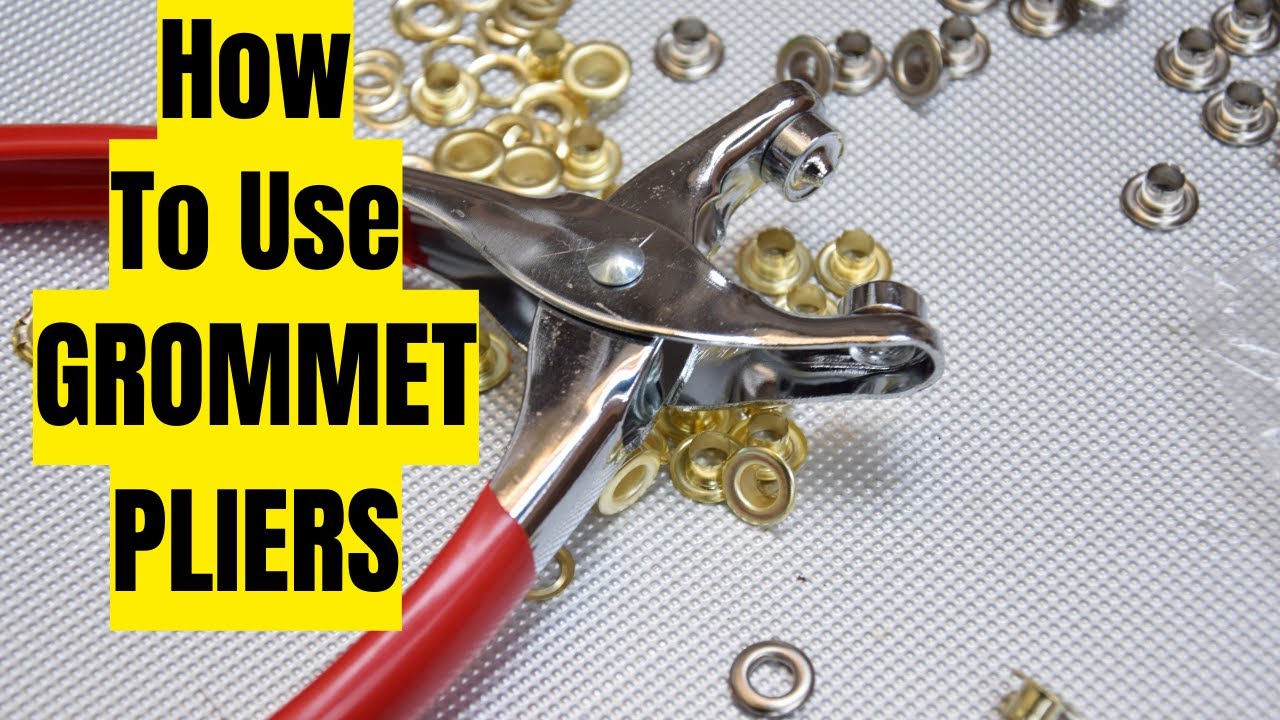
Image Source: i.ytimg.com
What You’ll Need for Grommet Installation
Before you start grommet installation, gather your materials. Having everything ready will make the process smooth and efficient.
- Grommet Pliers (Grommet Setting Tool): This is your primary tool. Ensure it’s designed for the size of grommets you’re using.
- Grommets: These come in two parts: a barrel with a flange and a washer. They need to match the size of the hole you need. Grommets are essential for reinforcing holes.
- Material to Punch: Fabric, vinyl, canvas, leather – whatever you plan to reinforce.
- Marking Tool: A pencil, chalk, or marker to indicate where you want the grommet.
- Cutting Tool (Optional but Recommended): Scissors, a rotary cutter, or a craft knife for making the initial hole. Sometimes, the grommet setting tool itself can punch the hole.
- Hard, Flat Surface: A sturdy table or workbench.
- Scrap Material (for testing): It’s always a good idea to practice on a piece of scrap material first.
Preparing Your Material for Grommet Setting
Proper preparation is crucial for a clean and effective grommet installation. This stage ensures your grommets are placed accurately and securely.
Marking the Grommet Placement
- Determine the Location: Decide precisely where you want your grommet. Consider spacing for even distribution if you’re adding multiple grommets.
- Mark Clearly: Use your marking tool to make a small, visible mark on the material. This mark indicates the center of your grommet hole.
Creating the Initial Hole
Most grommet pliers come with a grommet punch and die set, or the pliers themselves have a built-in punch.
- Using a Separate Punch: If your kit includes a separate punch tool, place the material over the die (the base part of the punch set) on your hard surface. Position the punch directly on your marked spot and strike the top of the punch firmly with a hammer. This will cut a clean hole through your material.
- Using Integrated Punching: Some grommet pliers have a built-in punch mechanism. You’ll position the material between the two halves of the pliers where the punch is located, squeeze firmly, and this will cut the hole.
Important Note: The size of the hole you cut should be slightly smaller than the barrel of the grommet. The grommet’s barrel is designed to slightly compress the material it passes through, creating a tight fit.
Assembling the Grommet Pliers
Grommet pliers are designed to work with specific grommet sizes and types. Familiarizing yourself with the parts of your grommet setting tool is the first step to using grommet setter correctly.
Identifying the Pliers’ Components
Grommet pliers typically have a few key parts:
- Jaws: These are the parts that close together to set the grommet.
- Dies or Inserts: These are the specific metal pieces that fit into the jaws. They are usually interchangeable to accommodate different grommet sizes. One die is typically for the top part of the grommet (the barrel with the flange) and the other is for the bottom part (the washer).
- Punch (if integrated): Some pliers have a built-in punch for creating the hole.
Selecting and Installing the Correct Dies
- Match Dies to Grommet Size: Your grommet pliers should come with different dies or inserts for various grommet sizes. Look at your grommets and your pliers’ instructions to find the correct dies.
- Insert the Dies: Most pliers have a mechanism to unscrew or release old dies and screw in new ones.
- Bottom Die (Female): This die usually fits into the lower jaw of the pliers. It has a hollow cavity shaped to cradle the washer of the grommet.
- Top Die (Male): This die typically fits into the upper jaw. It has a protruding post that fits into the barrel of the grommet.
Tip: Always refer to the manufacturer’s instructions for your specific grommet pliers, as the method for changing dies can vary.
The Grommet Setting Process: Step-by-Step
Now you’re ready to put it all together. This is where you’ll see how to insert grommets effectively.
Step 1: Placing the Grommet Parts
- Place the Washer: Take the washer (the flat metal ring) and place it on your hard, flat surface, over the die that’s fitted into the lower jaw of your grommet pliers.
- Position the Material: Take your material with the pre-punched hole. Lay it flat over the washer.
- Place the Grommet Barrel: Take the grommet barrel (the part with the flange) and position it over the hole in your material, with the flange facing down. The barrel should now sit neatly on top of the material, aligned with the hole, with the washer underneath.
Step 2: Using the Grommet Pliers
This is the core of grommet pliers operation.
- Align the Pliers: Bring the grommet pliers up to the assembled grommet. Ensure the top die of the pliers aligns with the barrel of the grommet, and the bottom die (with the washer underneath) is correctly positioned.
- Squeeze Firmly: Grip the handles of the grommet pliers firmly and squeeze them together. You should feel resistance as the pliers press the material and the grommet parts together.
- Apply Even Pressure: Apply steady, even pressure. You might hear a slight crunch or pop as the grommet sets. The top die will push the barrel down, and the bottom die will flare the edge of the barrel outwards, securing the washer to the material.
Step 3: Checking the Setting
- Release the Pliers: Gently open the grommet pliers to release the set grommet.
- Inspect: Check the grommet to ensure it’s securely attached. The barrel should be evenly flared, and the grommet should not pull out easily from the material. The washer should be flush and secure against the back of the material.
If the grommet isn’t set correctly, it might be loose or uneven. In such cases, you may need to re-set it or try again. This is where practicing on scrap material comes in handy.
Troubleshooting Common Grommet Installation Issues
Even with careful steps, you might encounter minor issues. Here’s how to address them.
Loose Grommets
- Cause: The hole was too large, or the pliers weren’t squeezed firmly enough.
- Solution: Try re-setting the grommet with more pressure. If that doesn’t work, you may need to remove the loose grommet (carefully!) and start with a new one. Ensure your hole isn’t too big for the grommet.
Uneven Flaring
- Cause: The grommet parts weren’t perfectly aligned, or the pressure was uneven.
- Solution: This often happens when the material shifts or the dies aren’t seated properly. Ensure the material is flat and the grommet parts are centered before squeezing.
Damaged Material
- Cause: The hole was cut too roughly, or the pliers exerted too much pressure in one spot.
- Solution: Use a sharp cutting tool for a cleaner hole. Ensure your dies are clean and free of debris. Distribute the pressure evenly when squeezing the pliers.
Different Types of Grommet Tools and When to Use Them
While grommet pliers are popular, other tools exist for grommet installation. Understanding these options can help you choose the best tool for your needs.
Grommet Pliers (Handheld)
- Description: The most common type, designed for smaller to medium-sized grommets. They are portable and require manual force.
- Best For: DIY projects, crafting, small-batch production, repairing clothing or banners.
- Ease of Use: Generally easy to use, but can require significant hand strength for larger grommets.
Bench-Mounted Grommet Machines
- Description: These are larger, more robust tools that sit on a workbench. They use a lever system or foot pedal for greater leverage, making it easier to set larger grommets.
- Best For: Frequent use, larger grommets, professional settings, or when working with thicker materials.
- Ease of Use: Requires less hand strength than pliers, making them more efficient for repetitive tasks.
Die Sets and Hammers
- Description: A traditional method involves separate dies that fit into a base and a hammer to strike the top die. This is essentially a manual version of a bench-mounted machine.
- Best For: When you already have a hammer and a sturdy surface, and need to set grommets occasionally.
- Ease of Use: Requires practice to get the force and alignment right. It can be less consistent than mechanical tools.
Automatic Grommet Machines
- Description: High-production machines that automatically feed grommets and washers and set them with a single action.
- Best For: High-volume industrial applications where speed and consistency are paramount.
- Ease of Use: Designed for ease of operation but require significant investment.
When applying eyelets, which are similar to grommets but often have a decorative flange, the process and tools are very similar. The key is to match the tool to the grommet/eyelet size and the material you are working with.
Factors to Consider When Choosing Grommets
Not all grommets are created equal. The type of grommet you select will impact the grommet installation process and the final look.
Material Compatibility
- Fabric/Canvas: Most standard brass or nickel-plated brass grommets work well.
- Leather: Thicker, sturdier grommets are often preferred. Consider grommets with a larger flange to distribute pressure on the leather.
- Vinyl/Plastic: Use grommets designed for these materials to avoid cracking or tearing.
Grommet Size
Grommets are measured by the diameter of the hole they create. Common sizes include:
| Grommet Size (Hole Diameter) | Typical Use Cases |
|---|---|
| 1/4 inch (6mm) | Clothing, light craft projects, doll clothes |
| 3/8 inch (9mm) | Banners, tarps, bags, light drapery |
| 1/2 inch (12mm) | Heavy-duty tarps, sail covers, industrial use |
| 1 inch (25mm) | Heavy-duty applications, large banners, tents |
Always ensure your grommet pliers and dies are sized for the grommets you are using. A grommet punch and die set specifically for your chosen grommet size is essential.
Material (Metal Type)
- Brass: Durable, corrosion-resistant, and common. Available in various finishes (brass, nickel, antique brass).
- Aluminum: Lighter weight, often used where rust is a concern.
- Stainless Steel: Highly durable and corrosion-resistant, suitable for harsh environments.
Frequently Asked Questions About Grommet Pliers
Here are answers to common questions about grommet pliers operation and applying grommets.
Q1: Can I use grommet pliers on any material?
A1: Grommet pliers work best on flexible materials like fabric, canvas, vinyl, leather, and thin plastic. They may not be suitable for very thick or rigid materials. For very thick materials, you might need a heavy-duty grommet press or a separate punching tool.
Q2: What is the difference between grommets and eyelets?
A2: While often used interchangeably, grommets and eyelets are technically slightly different. Grommets typically have a distinct barrel and washer system designed to reinforce a hole for lacing or hanging. Eyelets can be similar but may also refer to decorative rings that are set for aesthetic purposes, sometimes with a more decorative flange. The grommet setting tool can often set both types.
Q3: How do I know if I have the right size grommets for my pliers?
A3: Grommet pliers are usually sold with specific die sets or are advertised to work with certain grommet sizes. Check the packaging or product description of your pliers. The size of the hole the grommet creates is the key measurement. If your pliers have interchangeable dies, you can usually match the dies to the grommet size you intend to use.
Q4: Do I need to use a washer with every grommet?
A4: Yes, a washer is almost always used. The washer goes on the back of the material and provides a surface for the grommet’s barrel to flare against, creating a secure hold. Without a washer, the grommet would likely pull through the material.
Q5: What if my grommets keep falling out?
A5: This usually indicates that the hole was cut too large for the grommet’s barrel, or the pliers were not squeezed with enough force to properly flare the barrel. Ensure you are using the correct hole size and that the grommet installation process is completed with firm, consistent pressure.
Q6: Can I use grommet pliers to make the initial hole?
A6: Many grommet pliers kits include a punch. If yours does, you can use it to create the hole. Otherwise, you will need a separate punch tool (like a rotary punch or a punch and die set used with a hammer) to make the hole before setting the grommet.
By following these detailed steps and tips, you can confidently use your grommet pliers for any project. This grommet tool guide aims to make applying grommets a straightforward and rewarding part of your crafting or repair endeavors. Remember, practice makes perfect, so don’t hesitate to experiment on scrap materials to get a feel for your grommet setting tool and achieve professional-looking results every time.