
Can a beginner use a radial saw? Yes, absolutely, but only with proper training, meticulous attention to safety, and a step-by-step approach. A radial saw, also known as a radial arm saw, is a powerful and versatile woodworking tool that can make precise cuts in wood. This guide will walk you through everything a beginner needs to know to operate a radial saw safely and effectively, ensuring perfect cuts every time.
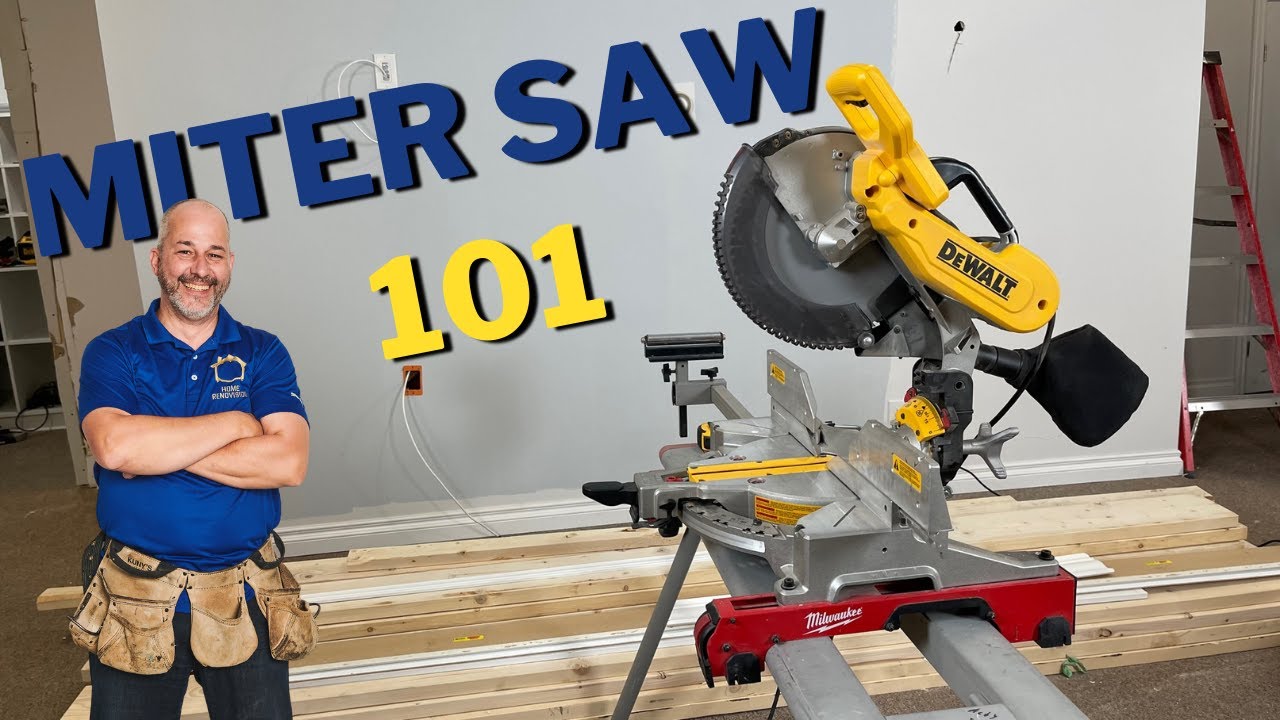
Image Source: i.ytimg.com
Setting Up Your Radial Saw for Success
Before you even think about making a cut, radial saw setup is paramount. A properly set up saw is a safer saw. This involves several crucial steps, from ensuring the saw is stable to aligning the blade.
Ensuring Stability and Power
Your radial saw needs a solid foundation. It should be mounted securely to a sturdy workbench or its dedicated stand. Loose machines can vibrate, move, and even detach, creating a dangerous situation.
- Workbench Mounting: Use robust clamps or bolts to fix the saw’s base to a stable workbench. Ensure the workbench itself is heavy and won’t tip or shift during operation.
- Stand Mounting: If using a stand, ensure all legs are firmly on the ground and the saw is bolted to the stand according to the manufacturer’s instructions.
Once physically stable, connect the saw to a reliable power source. Ensure the cord is in good condition, free from damage, and properly grounded.
Blade Selection and Installation
The type of cut you want to make dictates the radial saw blades you’ll use. Different blades have varying numbers of teeth and tooth configurations, affecting the cut quality and speed.
- Crosscutting Blades: These typically have a higher tooth count (e.g., 60-80 teeth) for smoother cuts across the grain.
- Ripping Blades: These have fewer teeth (e.g., 24-40 teeth) and larger gullets (the space between teeth) to efficiently remove wood when cutting with the grain.
- Combination Blades: These offer a balance and can handle both crosscutting and ripping, though they may not be as specialized as dedicated blades.
Blade Installation Steps:
- Disconnect Power: Always ensure the saw is unplugged before changing the blade.
- Access the Blade: Remove any blade guards or covers as per your saw’s manual.
- Loosen the Arbor Nut: Use the correct size wrench to loosen the nut holding the blade in place. It’s often a reverse thread, meaning you turn it clockwise to loosen.
- Remove Old Blade: Carefully slide the old blade off the arbor.
- Install New Blade: Place the new blade onto the arbor, ensuring the teeth are facing the correct direction for cutting (usually indicated by an arrow on the blade).
- Tighten Arbor Nut: Securely tighten the arbor nut. Remember, it might be a reverse thread.
- Replace Guards: Reattach all guards and covers.
Blade Alignment and Fence Adjustment
Correct alignment is critical for accurate and safe cuts.
Blade Alignment
The blade needs to be perfectly perpendicular (90 degrees) to the table for crosscuts and parallel to the fence for rip cuts.
- Checking 90 Degrees: Use a reliable square to check the angle between the blade and the table.
- Making Adjustments: Most radial saws have adjustment screws or mechanisms to fine-tune the blade’s angle. Consult your owner’s manual for specific instructions on your model.
Radial Saw Fence Adjustment
The fence is your guide for straight cuts.
- Parallel to the Blade: Ensure the fence is perfectly parallel to the blade when the blade is at its 90-degree position.
- Adjusting: Radial saws often have adjustment bolts or screws on the fence mechanism. Loosen these, slide the fence into perfect alignment, and then re-tighten.
Mastering Radial Saw Safety: Your Number One Priority
Radial arm saw safety is non-negotiable. These machines are powerful and can cause serious injury if not used correctly. Think of safety as the primary cutting action.
Personal Protective Equipment (PPE)
Always wear appropriate PPE.
- Safety Glasses: Essential for protecting your eyes from flying sawdust and debris. Wrap-around styles offer the best coverage.
- Hearing Protection: Radial saws are loud. Earplugs or earmuffs are necessary to prevent hearing damage.
- Dust Mask or Respirator: Fine sawdust can be harmful to your lungs. A good dust mask or respirator is crucial.
- Gloves: While some prefer not to wear gloves when operating machinery for fear of them getting caught, others find they improve grip. If you choose to wear them, ensure they are snug-fitting and not loose.
- Appropriate Clothing: Avoid loose clothing, dangling jewelry, or anything that could get caught in the blade. Tie back long hair.
Operating Zone and Kickback Prevention
The area around the radial saw needs to be clear and safe.
- Clear Workspace: Keep the floor around the saw free of sawdust, scraps, and tripping hazards.
- No Distractions: Focus entirely on the task at hand. Avoid talking to others or being distracted by your phone.
- Kickback: This is when the wood is suddenly thrown back towards the operator. It’s a major risk with many power saws, including radial saws. Kickback can occur if:
- The blade binds in the wood.
- The wood pinches the blade.
- You try to rip thin pieces of wood without a proper rip fence.
- The blade is dull or damaged.
To prevent kickback:
- Never force the cut. Let the blade do the work.
- Ensure the blade is sharp and free of pitch buildup.
- Use the correct blade for the type of cut.
- For ripping, always use the rip fence.
- Ensure the workpiece is properly supported and never pinched against the blade.
Saw Operation Techniques
- Blade Guard: Always ensure the blade guard is in place and functioning correctly. It should retract automatically as the blade passes through the wood and return to cover the blade when the cut is complete.
- Motor and Blade Direction: Confirm the motor and blade are rotating in the correct direction for the intended cut.
- Push Sticks/Pads: For very small pieces or when the blade is low, use push sticks or push pads to keep your hands a safe distance from the blade.
- Support for Workpiece: Ensure the workpiece is adequately supported on both sides of the blade. For long pieces, use outfeed supports or roller stands.
- Never Reach Behind the Blade: Always bring the blade forward through the workpiece. Never pull the blade back through the wood if you’ve already started a cut.
Performing Different Cuts with Your Radial Saw
The radial saw’s strength lies in its versatility. Let’s explore how to perform common cuts.
Radial Saw Crosscutting
Radial saw crosscutting is one of the most common operations. This is cutting across the grain of the wood.
- Set the Blade: Ensure the blade is at 90 degrees to the table.
- Position the Wood: Place the workpiece flat on the saw table, against the fence.
- Mark Your Cut: Use a pencil to mark the desired cut line on the wood.
- Align the Blade: Position the blade so that the teeth are just to the waste side of your marked line. This ensures the final piece is the correct length.
- Engage the Blade: Turn on the saw and let the blade reach full speed.
- Make the Cut: Pull the blade smoothly and steadily through the wood. Do not force it.
- Retract the Blade: Allow the blade to come to a complete stop before retracting it back to its original position.
- Remove the Wood: Once the blade is fully retracted and stopped, remove the cut piece.
Radial Saw Ripping
Radial saw ripping involves cutting along the grain of the wood. This is a more advanced operation and requires extra caution.
- Set the Rip Fence: Adjust the radial saw fence adjustment so it is the correct distance from the blade for your desired rip width. Ensure it’s parallel to the blade.
- Position the Wood: Place the workpiece flat on the table, against the rip fence.
- Blade Position: The blade should be positioned so that the teeth are to the waste side of your intended cut line.
- Engage the Blade: Turn on the saw and let the blade reach full speed.
- Make the Cut: Push the wood smoothly through the blade, keeping it firmly against the fence.
- Use a Push Stick: For the final part of the rip cut, use a push stick or push pad to keep your hands away from the blade as the workpiece gets smaller.
- Retract and Remove: Once the cut is complete, allow the blade to stop before retracting and removing the cut pieces.
Important Rip Safety: Never attempt to rip narrow pieces (less than 3 inches wide) or very thin pieces without a proper ripping jig or push stick that ensures your hands are safely away from the blade. The blade guard must be able to retract properly without hitting the fence or the workpiece.
Radial Saw Bevel Cuts
Radial saw bevel cuts are made when the blade is tilted to an angle relative to the table.
- Set the Bevel Angle: Most radial saws have a mechanism to tilt the saw head or the blade itself. Adjust this to your desired bevel angle (e.g., 45 degrees). Lock the mechanism securely.
- Check Alignment: Ensure the tilted blade is still correctly positioned relative to the fence for the type of cut you’re making (crosscut or rip).
- Crosscutting with a Bevel: For a crosscut with a bevel, place the wood flat on the table against the fence. The cut will be angled across the width of the wood.
- Ripping with a Bevel: For a rip cut with a bevel, you’ll need to adjust the fence and potentially use a jig to keep the wood stable as it passes through the angled blade. This is more complex and requires advanced skill.
- Make the Cut: Proceed with the cut as you would for a standard crosscut or rip, ensuring smooth, steady pressure. Always be aware of how the bevel might affect the wood’s stability.
Depth of Cut Adjustments
The radial saw depth of cut is controlled by how far the blade arm is lowered.
- Setting the Depth: Most saws have a lever or crank to lower and raise the blade arm. You can pre-set the depth before starting the cut.
- Purpose: This is useful for creating dados, grooves, or partially cutting through material without cutting all the way through.
- Safety: Be aware that lowering the blade further increases the amount of blade exposed above the wood, so maintain extra caution. Always re-raise the blade to its highest position when not in use.
Radial Saw Maintenance: Keeping Your Tool in Top Condition
Regular radial saw maintenance is crucial for both safety and performance. A well-maintained saw is a more reliable and safer saw.
Cleaning
- Sawdust Removal: Regularly clear sawdust from the table, motor housing, and the blade guard mechanisms. Compressed air can be helpful, but wear eye protection and a mask when using it.
- Blade Cleaning: Pitch and resin build-up on the blade can affect cut quality and increase friction. Use a specialized blade cleaner and a brush to remove this buildup.
Blade Care
- Sharpening: Dull blades create more heat, require more force, and increase the risk of kickback. Have your blades professionally sharpened, or learn to sharpen them yourself if you have the right equipment and knowledge.
- Inspection: Before each use, visually inspect the blade for any signs of damage, such as missing teeth, cracks, or bent blades. Replace damaged blades immediately.
Mechanical Checks
- Moving Parts: Lubricate any moving parts (like the elevation mechanism or arm pivot points) as recommended in your owner’s manual.
- Belts: If your saw uses a drive belt, check its tension and condition periodically. Replace worn or cracked belts.
- Cord and Plug: Inspect the power cord and plug for any damage.
- Guards and Fences: Ensure all guards move freely and return to their proper position. Check the fence for alignment and any damage.
Radial Saw Dust Collection: A Cleaner, Healthier Workplace
Woodworking produces a lot of dust, which can be a health hazard and make your workspace messy. Implementing a good radial saw dust collection system is highly recommended.
How Dust Collection Works
Most radial saws have a dust port, usually located on the motor housing or blade guard. This port connects to a dust collection system, such as a shop vacuum or a dedicated dust collector.
Benefits of Dust Collection
- Health: Reduces the amount of airborne dust you inhale, protecting your lungs.
- Visibility: Keeps the cutting area cleaner, allowing you to see your cut line more clearly.
- Cleanliness: Makes cleanup much easier.
- Blade Performance: A cleaner blade operates more efficiently.
Setting Up Dust Collection
- Connect Hose: Attach a dust hose from your dust collector or shop vacuum to the saw’s dust port.
- Ensure Seal: Make sure the connection is secure to prevent dust leakage.
- Test: Turn on the dust collection system and the saw to ensure it’s effectively capturing dust.
Common Radial Saw Problems and Solutions
Even with careful setup and maintenance, you might encounter issues.
Problem: Blade Wobbles
- Cause: Loose arbor nut, damaged blade, improperly seated blade, worn arbor bearings.
- Solution: Tighten the arbor nut securely, inspect and replace the blade if damaged, ensure the blade is seated flat against the arbor flange, and have a professional inspect or replace bearings.
Problem: Inaccurate Cuts
- Cause: Misaligned fence, misaligned blade (not 90 degrees), worn fence, warped table.
- Solution: Realign the fence and blade, check for any damage to the fence or table.
Problem: Excessive Noise or Vibration
- Cause: Dull blade, unbalanced blade, loose motor mount, worn bearings, debris in the motor.
- Solution: Sharpen or replace the blade, ensure blades are balanced, check motor mount tightness, clean out debris, and have bearings inspected.
Problem: Blade Binding
- Cause: Forcing the cut, wood pinching the blade, using the wrong blade, dull blade, improper feed rate.
- Solution: Let the blade cut at its own speed, ensure the wood isn’t pinching the blade, use the correct blade, ensure the blade is sharp, and maintain a steady feed rate.
Frequently Asked Questions (FAQ)
Q: Can I rip long boards on a radial saw?
A: Yes, you can rip long boards, but it requires proper support. Use outfeed rollers or stands to support the end of the board as it passes through the saw. You must also ensure the rip fence is perfectly parallel and the blade is at 90 degrees to the table.
Q: What is the difference between a radial saw and a table saw?
A: A table saw has a stationary blade that the wood is fed into, while a radial saw has a blade that moves across a stationary workpiece. This makes radial saws excellent for crosscutting large panels and for making repetitive cuts accurately.
Q: How do I adjust the radial saw depth of cut?
A: You adjust the radial saw depth of cut by lowering or raising the saw arm. Most saws have a handwheel or lever for this purpose. You can pre-set the depth to control how far the blade penetrates the wood, useful for dados and grooves.
Q: Is it safe to make dado cuts with a radial saw?
A: Yes, many radial saws are designed to accept dado blade sets. However, you must use the correct setup, ensure the blade guard can accommodate the wider cut, and always follow safety guidelines for making such cuts. Some older saws may not be designed for dado sets.
Q: What happens if the blade guard on my radial saw breaks or is removed?
A: If the blade guard is broken or removed, do not operate the saw until it is repaired or replaced. The blade guard is a critical safety feature designed to protect you from the spinning blade and to help manage dust.
By following this comprehensive guide, beginners can safely and effectively learn to use a radial saw, achieving the perfect cuts they desire. Always remember that practice, patience, and an unwavering commitment to safety are your best tools.