
Can I use a Dewalt chop saw for cutting metal? Yes, with the correct Dewalt chop saw blade designed for metal, you can indeed cut metal with your Dewalt chop saw. Who should I consult if I have issues with my Dewalt chop saw? Always refer to your Dewalt chop saw manual or contact Dewalt customer support for assistance with troubleshooting or repairs.
A Dewalt chop saw is a powerful tool that can make precise, straight cuts in various materials. Whether you’re a seasoned carpenter, a DIY enthusiast, or just starting out, learning how to properly operate your Dewalt chop saw will significantly improve your project outcomes and ensure your safety. This comprehensive guide will walk you through everything you need to know to master your cuts with a Dewalt chop saw. We’ll cover setup, operation, safety, maintenance, and even touch on troubleshooting common issues.
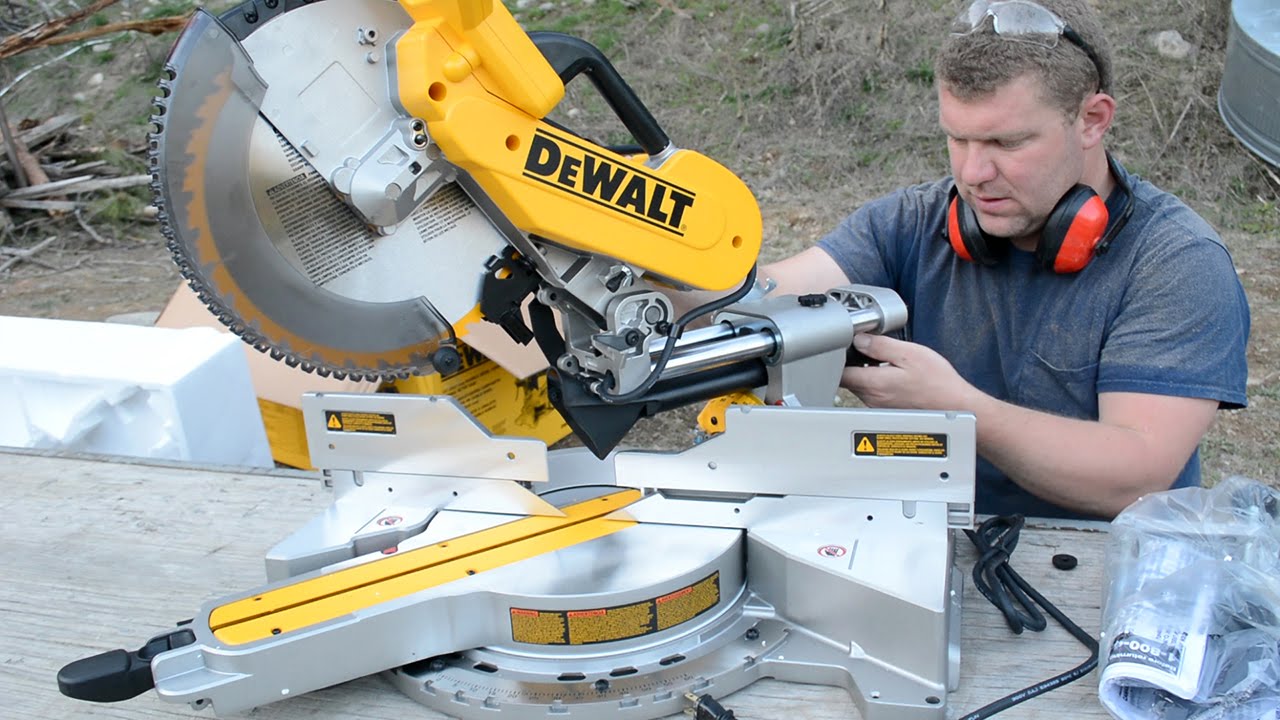
Image Source: i.ytimg.com
Getting Started with Your Dewalt Chop Saw
Before you make your first cut, it’s crucial to get acquainted with your Dewalt chop saw. Familiarizing yourself with its parts and functions is the first step to safe and effective operation.
Identifying Key Components
Your Dewalt chop saw, whether it’s a basic Dewalt chop saw or a more advanced Dewalt sliding compound miter saw, has several essential parts:
- Base: Provides stability for the saw.
- Blade Guard: A crucial safety feature that covers the spinning blade. It should automatically retract as you lower the blade and snap back into place when you raise it.
- Blade: The cutting component. Ensure you have the correct Dewalt chop saw blade for the material you’re cutting.
- Motor Housing: Contains the motor that spins the blade.
- Handle/Trigger: Used to activate and control the saw.
- Dust Port: Allows for the connection of a dust collection system, vital for minimizing airborne debris. This is often a key feature for improving your Dewalt chop saw dust collection.
- Miter Adjustment Mechanism: Allows you to tilt the saw head to cut angles (miters).
- Bevel Adjustment Mechanism: Allows you to tilt the blade itself to cut compound angles.
- Fence: A vertical guide on the base that supports the workpiece and ensures accurate cuts. The Dewalt chop saw fence is critical for stability.
- Locking Pins/Knobs: Used to secure the saw head in various positions.
- Depth Stop: Helps control how deep the blade cuts.
Setting Up Your Workspace
A well-prepared workspace is paramount for safety and efficiency.
- Stable Surface: Place your Dewalt chop saw on a sturdy workbench or a dedicated saw stand. The saw should be firmly secured to prevent it from moving during operation.
- Support for Material: Long pieces of wood or other materials need adequate support. Use sawhorses, extension wings, or outfeed tables to prevent the material from dropping or tipping during the cut. This is especially important when working with longer lumber.
- Clearance: Ensure you have ample space around the saw. You need room to move the material, the saw arm, and yourself without obstruction. Keep the area free of clutter, trip hazards, and flammable materials.
- Power Source: Plug the saw into a grounded electrical outlet. Ensure the power cord is not damaged and is routed away from the cutting area.
Understanding Your Dewalt Chop Saw Manual
Every Dewalt chop saw comes with a Dewalt chop saw manual. This document is your primary resource for specific operating procedures, safety guidelines, and maintenance schedules for your particular model. Always read it before using the saw for the first time. It will provide crucial information on Dewalt chop saw adjustment procedures and identify specific Dewalt chop saw replacement parts if needed.
Mastering the Cut: Operational Techniques
With your saw set up and your workspace prepared, you’re ready to learn the techniques for making clean, accurate cuts.
Selecting the Right Dewalt Chop Saw Blade
The Dewalt chop saw blade is critical. Using the wrong blade can lead to poor cut quality, increased risk of kickback, and damage to the saw or material.
- Material Specific Blades: Dewalt offers blades designed for wood, metal, and even masonry. Always select a blade appropriate for the material you are cutting.
- Tooth Count: For wood, a blade with fewer teeth generally cuts faster but leaves a rougher finish. A blade with more teeth cuts slower but provides a smoother finish. For crosscuts, a medium tooth count is often ideal.
- Blade Diameter: Ensure the blade diameter matches your Dewalt chop saw.
- Blade Condition: A dull or damaged blade is dangerous and produces poor results. Inspect your Dewalt chop saw blade before each use and replace it when necessary.
Making Basic Cuts
- Mark Your Cut Line: Clearly mark the line where you want to cut the material.
- Position the Material: Place the material against the Dewalt chop saw fence. Ensure the material is held firmly and flat against the base.
- Align the Blade: Lower the blade (without turning it on) to visually align the blade’s kerf (the width of the cut) with your marked line. Some saws have laser guides or shadow lines to help with precise alignment.
- Secure the Material: Use the saw’s clamp or your hand (keeping it well away from the blade path) to hold the material securely against the fence and base.
- Start the Saw: Squeeze the trigger to start the motor. Let the blade reach full speed before making the cut.
- Lower the Blade: Slowly and steadily lower the spinning blade through the material. Apply consistent pressure. Do not force the blade.
- Complete the Cut: Continue lowering the blade until it has completely passed through the material.
- Raise the Blade: Once the cut is complete, allow the blade to stop spinning before raising the saw arm. The blade guard should automatically cover the blade.
- Remove Material: Carefully remove the cut piece and any scrap material from the saw.
Making Miter Cuts (Angle Cuts)
Miter cuts are essential for creating corners and frames.
- Adjust the Miter Angle: Locate the miter adjustment mechanism. Loosen the locking knob or lever.
- Set the Desired Angle: Rotate the saw head to the desired angle using the built-in angle stops or by reading the miter scale. Common miter angles include 45 degrees for standard corners.
- Lock the Angle: Tighten the locking knob or lever securely to prevent the saw head from moving during the cut.
- Proceed with Cutting: Follow the steps for making basic cuts, ensuring the material is still securely positioned against the Dewalt chop saw fence.
Making Bevel Cuts (Inward Tilting Cuts)
Bevel cuts involve tilting the blade itself, allowing for compound angle cuts when combined with a miter cut.
- Adjust the Bevel Angle: Locate the bevel adjustment mechanism. Loosen the locking knob or lever.
- Set the Desired Angle: Tilt the saw head to the desired angle. Consult your Dewalt chop saw manual for specific instructions on how to set and lock bevel angles, as this can vary between models.
- Lock the Angle: Securely tighten the bevel locking knob or lever.
- Position Material: For bevel cuts, you may need to adjust how you position the material against the fence. Sometimes, it’s best to rest the piece against the base and guide it with the fence.
- Proceed with Cutting: Follow the basic cutting steps, ensuring stability and safety.
Compound Cuts
A compound cut combines a miter cut with a bevel cut. This is often used in crown molding installation.
- Set Miter Angle: Adjust and lock the miter angle first.
- Set Bevel Angle: Adjust and lock the bevel angle.
- Position Material: Carefully place the material against the fence and base, ensuring it is stable and in the correct orientation for the compound angle. Specific positioning guides are often found in the Dewalt chop saw manual for crown molding.
- Make the Cut: Follow the standard cutting procedure.
Safety First: Dewalt Chop Saw Safety
Safety should always be your top priority when operating any power tool, especially a chop saw. Adhering to proper Dewalt chop saw safety protocols will prevent injuries.
Personal Protective Equipment (PPE)
- Safety Glasses or Goggles: Essential for protecting your eyes from flying debris.
- Hearing Protection: Chop saws are loud. Wear earplugs or earmuffs to protect your hearing.
- Dust Mask or Respirator: Crucial for preventing inhalation of wood dust or other particles. This ties into the importance of effective Dewalt chop saw dust collection.
- Gloves: Can provide a better grip and protect your hands from splinters. However, ensure they are not loose and can’t get caught in the blade.
- Appropriate Clothing: Wear close-fitting clothing that won’t snag. Avoid loose sleeves, jewelry, or anything that could get caught. Tie back long hair.
Safe Operating Practices
- Never Bypass Safety Features: Do not remove or disable the blade guard or any other safety mechanisms.
- Keep Hands Clear: Always keep your hands and fingers away from the blade path. Use clamps to secure small pieces.
- One Hand on Handle, One Hand on Material: For smaller pieces, one hand should operate the trigger and saw arm, while the other hand (placed safely away from the blade) helps stabilize the material against the fence.
- No “Freehand” Cutting: Always use the Dewalt chop saw fence to support the workpiece. Never attempt to cut material that isn’t properly supported.
- Don’t Overreach: Position yourself comfortably and in a stable stance.
- Wait for Blade to Stop: Never reach under the blade guard while the blade is still spinning.
- Unplug When Changing Blades or Adjusting: Always disconnect the power before performing any maintenance, changing the Dewalt chop saw blade, or making significant Dewalt chop saw adjustments.
- Be Aware of Kickback: Kickback occurs when the blade binds in the material and the saw is violently thrown back towards the operator. Proper technique and sharp blades minimize this risk.
- Never Leave the Saw Running Unattended: Turn off the saw and wait for the blade to stop before leaving the work area.
Maintenance and Care for Your Dewalt Chop Saw
Regular maintenance ensures your Dewalt chop saw operates efficiently and safely.
Cleaning
- After Each Use: Brush or vacuum away sawdust and debris from the saw’s base, fence, and motor housing.
- Blade Area: Carefully clean around the blade and blade guard to ensure proper movement.
- Dewalt Chop Saw Dust Collection: Empty the dust bag or canister regularly. Clean out the dust port and any connected hoses.
Blade Maintenance
- Inspect Regularly: Check the Dewalt chop saw blade for dullness, bent teeth, or any damage.
- Sharpening: Blades can be sharpened, but this is a specialized task. Consider replacing a heavily dulled or damaged blade.
- Replacement: When replacing the Dewalt chop saw blade, ensure the saw is unplugged. Consult your Dewalt chop saw manual for the correct blade installation procedure.
Lubrication and Adjustments
- Refer to Manual: Your Dewalt chop saw manual will detail any specific lubrication points or Dewalt chop saw adjustment procedures recommended by the manufacturer.
- Fence and Bevel Calibration: Over time, the fence or bevel angles might become slightly out of calibration. Your Dewalt chop saw manual will provide instructions on how to re-zero or recalibrate these settings. This might involve loosening specific screws and aligning indicators.
Troubleshooting Common Dewalt Chop Saw Issues
Even with careful use, you might encounter occasional problems. Here are some common Dewalt chop saw troubleshooting tips.
| Issue | Possible Cause | Solution |
|---|---|---|
| Saw won’t start | Not plugged in, power switch off, tripped breaker | Check power connection, ensure switch is on, check circuit breaker. |
| Blade wobbles | Loose blade arbor nut, damaged blade, loose arbor | Unplug saw, tighten arbor nut, inspect blade for damage, check arbor for looseness (may require service). |
| Inaccurate cuts | Miter/bevel not set correctly, loose fence, dull blade | Re-align and lock miter/bevel angles, tighten fence adjustment screws, replace/sharpen Dewalt chop saw blade. |
| Poor dust collection | Clogged dust port/hose, full dust bag, loose connection | Clean dust port and hose, empty dust bag, ensure connections are secure. |
| Blade binds in material | Dull blade, forcing the cut, wood is warped | Use a sharp blade, apply steady, moderate pressure, ensure material is flat and properly supported. |
| Saw kicks back | Blade binds, improper material support, operator error | Stop using immediately, re-familiarize with safety procedures, ensure material is firmly supported and blade is sharp. |
| Motor overheating | Clogged vents, excessive use, dull blade | Clean air vents, allow saw to cool, use appropriate blade and cutting pressure. If persistent, contact service. |
| Blade guard doesn’t retract | Obstruction, spring mechanism issue | Check for debris preventing movement, consult manual for adjustments or contact support if mechanism is faulty. |
If you encounter persistent or complex issues not covered here, consult your Dewalt chop saw manual for specific Dewalt chop saw troubleshooting steps or contact Dewalt customer service. You may need to identify specific Dewalt chop saw replacement parts.
Advanced Techniques and Considerations
As you become more comfortable with your Dewalt chop saw, you might explore more advanced techniques.
Using the Dewalt Sliding Compound Miter Saw
If you have a Dewalt sliding compound miter saw, the sliding mechanism adds a significant dimension to your cutting capabilities.
- Cutting Wider Materials: The sliding action allows the blade to travel further, enabling you to cut wider boards than a standard chop saw.
- Technique: Ensure the material is firmly against the fence. Pull the saw head towards you as you lower it to complete the cut. Always ensure the material is well-supported on both sides of the blade.
- Blade Alignment: Be extra mindful of blade alignment with the cut line when using the sliding feature, as there is more potential for drift.
Optimizing Dewalt Chop Saw Dust Collection
Effective Dewalt chop saw dust collection is crucial for a clean work environment and your health.
- Connect a Vacuum: Most Dewalt chop saws have a dust port designed to connect to a shop vacuum or dust extractor.
- Hose Diameter: Ensure the hose diameter matches the dust port for optimal airflow.
- Filter Bags: Use vacuum bags with good filtration ratings (e.g., HEPA) to capture fine dust particles.
- Regular Cleaning: As mentioned, regularly empty the dust collection system to maintain efficiency.
Precision Adjustments
Fine-tuning your saw can make a big difference in accuracy.
- Fence Squaring: Periodically check that the Dewalt chop saw fence is perfectly square (90 degrees) to the blade when the blade is in the standard (0-degree) position. Adjustments are usually made by slightly loosening the fence mounting screws.
- Miter and Bevel Calibration: Re-check your miter and bevel stops against a reliable square or angle gauge. Your Dewalt chop saw manual will guide you on how to adjust these if they are off.
Frequently Asked Questions (FAQ)
Q: What is the difference between a chop saw and a miter saw?
A: Often, these terms are used interchangeably. A “chop saw” technically refers to a saw that primarily makes straight cuts across a material. A “miter saw” is designed to make angled cuts (miters) and often has a tilting blade for bevel cuts. Most modern “chop saws” are actually miter saws due to their ability to make angled cuts. A “sliding compound miter saw” adds the ability for the blade to slide forward and backward, allowing for wider cuts.
Q: Can I use a standard wood blade to cut laminate flooring?
A: While you might get a cut, it’s not recommended. Laminate flooring can be abrasive and chip easily. A blade designed for laminate or a high-tooth-count fine-finish blade will yield much better results and reduce chipping. Always check your Dewalt chop saw manual for specific blade recommendations.
Q: How often should I replace my Dewalt chop saw blade?
A: This depends on usage and the material being cut. A dull blade will make cutting harder, produce rougher cuts, and increase the risk of kickback. If you notice increased effort to cut, splintering, or burn marks, it’s time for a new Dewalt chop saw blade.
Q: My saw is leaving a rough edge. What should I do?
A: Several factors can cause a rough edge: a dull Dewalt chop saw blade, forcing the cut, or a loose workpiece. Ensure your blade is sharp, apply steady, consistent pressure without forcing, and make sure the material is held firmly against the fence and base. Also, confirm your miter or bevel angles are correctly set and locked.
Q: Is it safe to cut metal with my Dewalt chop saw?
A: Only if you use a Dewalt chop saw blade specifically designed for metal cutting. Standard wood blades will not work and can be dangerous. Metal cutting blades operate at slower speeds and have different tooth configurations and materials. Always consult your Dewalt chop saw manual and ensure appropriate safety gear, including eye protection and potentially fire-resistant clothing, is used when cutting metal.
By following this comprehensive guide, you’ll be well on your way to mastering your Dewalt chop saw. Remember to always prioritize safety, keep your tool maintained, and consult your Dewalt chop saw manual for model-specific information. Happy cutting!