
A circuit breaker keeps tripping primarily because it’s doing its job: protecting your home’s electrical system from damage. This happens when too much electricity is trying to flow through a circuit, or when there’s a problem like a short circuit.
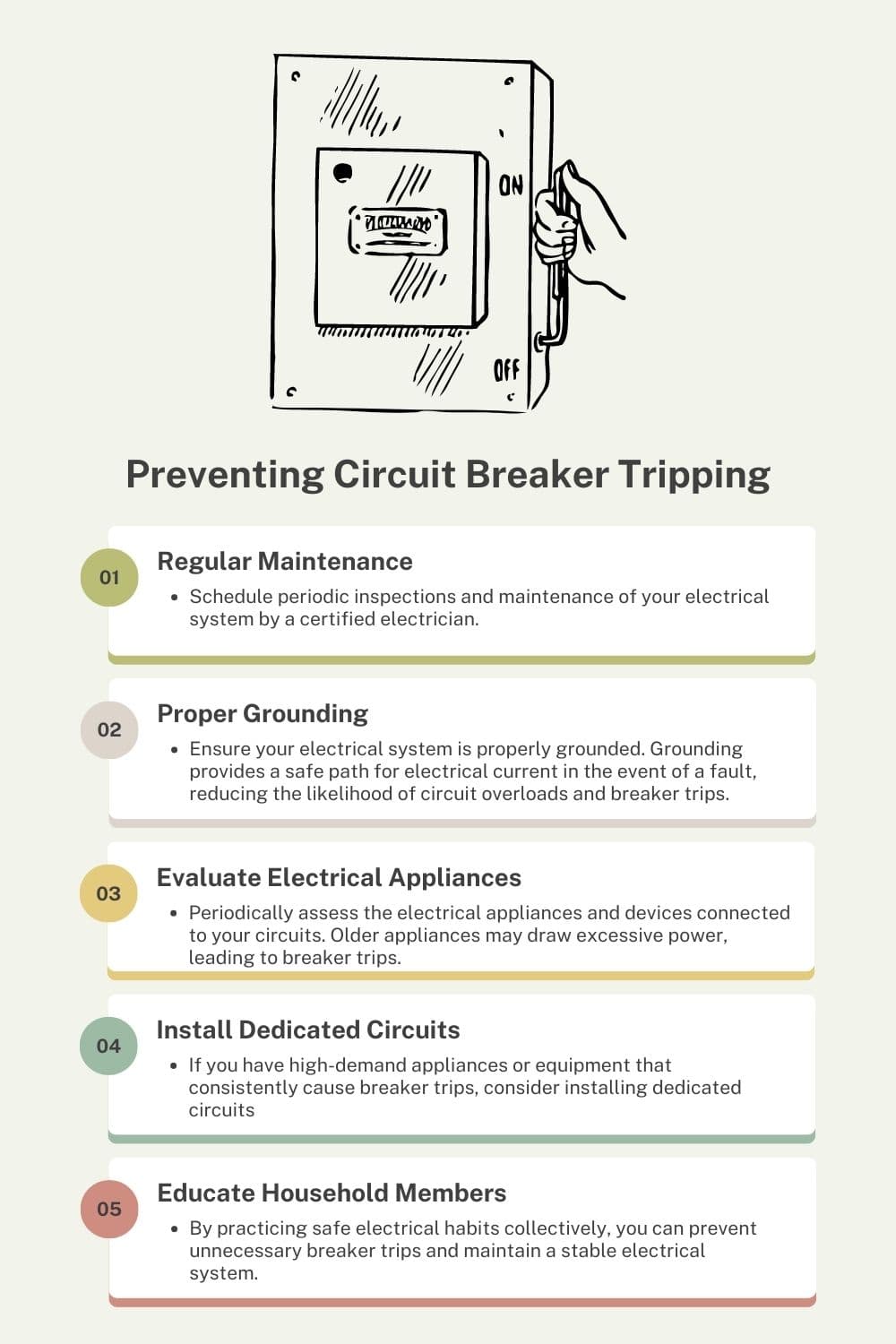
Image Source: cdn.shopify.com
Deciphering Frequent Breaker Trips
It can be frustrating when a circuit breaker trips repeatedly. It signals an issue that needs attention. Understanding the common culprits behind these nuisance trips is the first step to resolving them safely. Let’s explore why your circuit breaker might be constantly shutting off power.
The Role of Circuit Breakers
Circuit breakers are safety devices. They are designed to interrupt the flow of electricity when they detect a problem. This prevents fires and protects your appliances from damage. When a breaker trips, it’s a warning sign, not just an inconvenience.
Common Reasons for Tripping
Several factors can cause a circuit breaker to trip. Some are simple and easily fixed, while others may require the expertise of an electrician.
1. Overloaded Circuit
This is one of the most frequent reasons for a breaker trip. An overloaded circuit occurs when you plug in too many devices, or devices that draw a lot of power, into a single circuit. Think of it like a pipe: if you try to push too much water through it, the pressure builds up. Similarly, if too much electricity tries to flow through a wire, the breaker trips to stop it.
- How to Identify: You’ll often notice the breaker trips when you turn on a specific appliance or a group of appliances. For instance, if your kitchen breaker trips when you use the toaster, microwave, and coffee maker simultaneously, it’s likely an overload.
- Fixes:
- Unplug devices: Remove some appliances from the overloaded circuit.
- Distribute power: Move high-power devices to different circuits.
- Check wattage: Be mindful of the wattage of your appliances. High-wattage items like space heaters, hair dryers, and power tools can quickly overload a circuit.
- Consider a dedicated circuit: For high-demand appliances, an electrician can install a dedicated circuit.
2. Short Circuit
A short circuit is a more serious issue. It happens when an electrical current takes an unintended path, often bypassing the normal load. This usually occurs due to damaged or exposed wires touching each other or a metal surface. A short circuit causes a sudden, massive surge of electricity.
- How to Identify: A short circuit often results in a very abrupt trip of the breaker, sometimes with a visible spark or the smell of burning. It can also cause a loud popping sound.
- Fixes:
- Inspect cords and outlets: Look for frayed wires, damaged plugs, or scorch marks on outlets.
- Unplug appliances: If you suspect an appliance is causing the short, unplug it immediately.
- Professional diagnosis: If you can’t find the source, it’s crucial to call an electrician. Faulty wiring within walls or appliances can cause shorts and pose a fire risk.
3. Faulty Wiring
Faulty wiring can stem from various problems. This could include old, deteriorated insulation, wires that are too small for the current they carry, or improper installation. Worn-out insulation can lead to exposed wires, increasing the risk of shorts and overloads.
- How to Identify: Flickering lights, outlets that feel warm to the touch, or a persistent burning smell could indicate faulty wiring.
- Fixes:
- Professional inspection: This is not a DIY fix. An electrician can assess the condition of your wiring, identify issues, and make necessary repairs or upgrades.
- Consider upgrades: If your home has old wiring, it might not be equipped to handle modern power demand. Upgrading to newer wiring standards can significantly improve safety and prevent tripping.
4. Appliance Malfunction
Sometimes, the problem isn’t with the circuit itself but with one of the appliances plugged into it. An appliance malfunction can cause it to draw excessive power or create an internal short circuit.
- How to Identify: The breaker might trip only when a specific appliance is turned on or is in operation.
- Fixes:
- Isolate the appliance: Unplug all appliances on the circuit and then plug them back in one by one. The breaker will likely trip when you plug in the faulty appliance.
- Repair or replace: If an appliance is causing the issue, it may need repair or replacement.
5. Loose Connections
Loose connections can occur at outlets, switches, or within junction boxes. A loose wire can create resistance, generating heat and potentially causing a short or an overload. It can also lead to intermittent power or arcing.
- How to Identify: You might notice flickering lights or outlets that are warm to the touch. Arcing sounds or smells can also be present.
- Fixes:
- Professional tightening: This is a job best left to an electrician. They can safely access and tighten connections in your electrical panel, outlets, and switches.
6. GFCI Tripping
A GFCI tripping (Ground Fault Circuit Interrupter) is a specific type of breaker or outlet designed for areas prone to moisture, like bathrooms, kitchens, and outdoors. GFCI outlets protect against electrical shock by detecting imbalances in current flow. If a GFCI trips, it means it detected a ground fault.
- How to Identify: The GFCI outlet itself has a “Test” and “Reset” button. You’ll see one of these buttons popped out.
- Fixes:
- Identify the ground fault: This usually means electricity is escaping the intended path and going into the ground. This could be due to moisture, a damaged appliance, or faulty wiring.
- Reset the GFCI: After identifying and fixing the cause, push the “Reset” button.
- Moisture issues: Ensure the area is dry. If the GFCI trips again, there might be a persistent moisture problem or a more serious electrical fault.
7. Arc Fault Breaker Trips
An arc fault breaker (AFCI) is a more advanced safety device designed to detect dangerous electrical arcs. Arcs occur when electricity jumps across a gap in a damaged wire or connection. These arcs generate intense heat and are a significant fire hazard.
- How to Identify: Like a GFCI, an AFCI breaker will have a “Test” button. Tripping indicates an arc fault was detected.
- Fixes:
- Inspect for damage: Look for damaged cords, loose connections, or old wiring.
- Pinpoint the source: AFCI breakers often have indicator lights or features to help identify the circuit where the arc occurred.
- Professional help: Arcing is a serious fire risk, so if you can’t find the cause, call an electrician immediately.
8. Electrical Surge
An electrical surge is a brief spike in voltage. Surges can be caused by external events like lightning strikes or by internal issues like the cycling of large appliances (like air conditioners). While a surge might not always trip a breaker, it can overload sensitive electronics and, in some cases, cause a breaker to trip to protect the system.
- How to Identify: A surge might be accompanied by flickering lights or a sudden power interruption.
- Fixes:
- Surge protectors: Use whole-house surge protectors or individual surge protector power strips for sensitive electronics.
- Professional assessment: If you suspect frequent surges, an electrician can help identify the cause.
Troubleshooting Guide
When your circuit breaker keeps tripping, a systematic approach can help you pinpoint the problem.
Step-by-Step Troubleshooting
- Identify the Tripped Breaker: Go to your electrical panel and locate the breaker that is in the “off” or “tripped” position (usually halfway between “on” and “off”).
- Reset the Breaker: Firmly push the breaker all the way to the “off” position and then back to the “on” position.
- Observe: If the breaker immediately trips again, there’s a significant issue. If it stays on, proceed to the next step.
- Check Appliances: If the breaker stays on, start plugging in appliances one by one, paying attention to what was running when it tripped previously. If it trips after plugging in a specific appliance, that appliance is likely the culprit.
- Divide and Conquer: If you can’t isolate a single appliance, try unplugging half of the devices on the affected circuit. If the breaker stays on, the problem is in the half you unplugged. Continue this process to narrow down the source.
When to Call a Professional
| Symptom/Situation | Is it Time to Call an Electrician? |
|---|---|
| Breaker trips immediately after resetting | Yes |
| Burning smell or visible sparks from outlets/panel | Yes |
| Outlets or switches are warm to the touch | Yes |
| Flickering lights when no appliances are in use | Yes |
| You suspect faulty wiring or old wiring | Yes |
| GFCI or AFCI breaker trips repeatedly without clear cause | Yes |
| You are uncomfortable or unsure about troubleshooting | Yes |
Prevention Tips
- Regular Electrical Inspections: Have your electrical system checked by a qualified electrician periodically, especially if your home is older.
- Avoid Overloading: Be mindful of how many appliances you use on a single circuit.
- Use Quality Appliances: Invest in well-maintained appliances from reputable brands.
- Protect Against Surges: Use surge protectors for electronics and consider a whole-house surge protector.
- Address Issues Promptly: Don’t ignore minor electrical issues; they can escalate into larger problems.
Frequently Asked Questions (FAQ)
Q1: Can I fix a tripping circuit breaker myself?
You can try resetting a tripped breaker and checking for overloaded circuits or faulty appliances. However, if the problem persists or involves wiring, outlets, or the electrical panel, it’s best to call a professional electrician for safety reasons.
Q2: What does it mean if my GFCI outlet keeps tripping?
A GFCI (Ground Fault Circuit Interrupter) outlet tripping indicates that it has detected an electrical current flowing through an unintended path, like through water or a person. This is a safety feature. It could be caused by moisture, a faulty appliance, or a wiring problem. Try to identify the source of the ground fault, ensure the area is dry, and then reset the GFCI. If it continues to trip, a professional needs to investigate.
Q3: Is it safe to use a space heater if it keeps tripping the breaker?
No, it is not safe. A tripping breaker when using a space heater usually means the circuit is overloaded or the heater itself is drawing too much power for that circuit. Running a heater on an overloaded circuit can be a fire hazard. Try using the heater on a different, less used circuit, or consult an electrician about dedicated circuits for high-wattage appliances.
Q4: My lights flicker, and the breaker trips sometimes. What could be the problem?
Flickering lights combined with breaker trips often suggest a loose connection somewhere in the circuit or the electrical panel. It could also be an indicator of faulty wiring or an appliance causing an intermittent short circuit or overload. This is a situation that warrants immediate attention from an electrician.
Q5: How old is too old for wiring?
Homes built before the 1970s may have older wiring systems like knob-and-tube wiring or aluminum wiring, which can be less safe and less efficient than modern copper wiring. While not all old wiring is inherently dangerous, it’s more prone to deterioration and may not be able to handle the power demand of today’s electronics. If your home has old wiring, it’s wise to have it inspected by an electrician.