
If your circuit breaker keeps tripping, it usually means there’s an overloaded circuit, faulty wiring, or a short circuit. Can you fix it yourself? Sometimes, yes, for simple overloads, but complex electrical issues require a qualified electrician. Who is responsible for fixing it? You are, as the homeowner or tenant, but for safety, it’s best to call a professional if you’re unsure.
A tripping breaker is your home’s safety guardian. It’s designed to protect your electrical system and prevent fires. When a breaker trips, it means it has detected a problem and automatically shut off the power to a specific circuit. While a single trip might not be a major concern, a recurring breaker trip is a clear sign that something is wrong and needs attention. This article will delve into the common causes of breaker trips, help you in identifying tripped breaker situations, and guide you through electrical issue diagnosis.
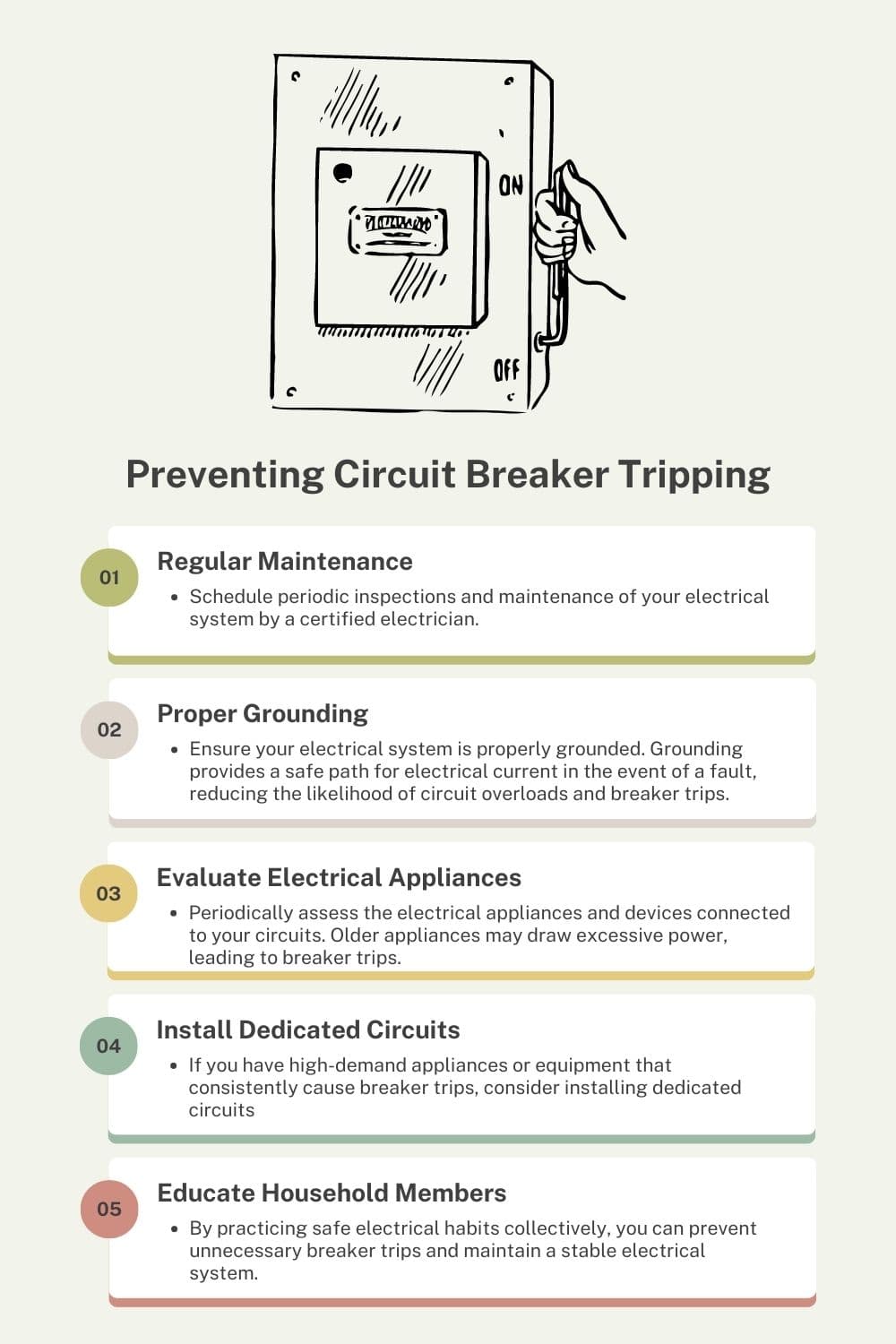
Image Source: cdn.shopify.com
Deciphering the Common Causes of Breaker Trips
Understanding why your circuit breaker keeps tripping is the first step towards a safe and functional home. Several factors can lead to this protective shutdown.
Electrical Overload: The Most Frequent Culprit
An electrical overload occurs when too many appliances or devices are drawing power from a single circuit than it is designed to handle. Think of it like trying to force too much water through a small pipe; eventually, the pressure becomes too much, and something has to give. In an electrical system, the breaker “gives” by tripping.
Common Scenarios Leading to Overloads:
- Too Many High-Wattage Appliances: Running a microwave, toaster oven, and electric kettle all on the same circuit simultaneously is a classic recipe for an overload. Each of these appliances draws a significant amount of power.
- Seasonal Demands: During summer, air conditioners can put a heavy load on circuits. In winter, space heaters can have the same effect. If these are plugged into circuits already powering other devices, an overload is likely.
- Old or Inadequate Wiring: Older homes may have wiring that wasn’t designed to support the power demands of modern appliances. What was once a standard circuit might now be consistently overloaded due to increased usage.
- Daisy-Chaining Extension Cords: Using multiple extension cords plugged into one another, especially for high-demand devices, can create an overload condition and a fire hazard.
Identifying an Overloaded Circuit:
You can often tell if a circuit is overloaded by the symptoms:
- The breaker trips shortly after you turn on a new appliance or multiple appliances.
- Lights may dim or flicker when high-demand devices are in use.
- The outlet or breaker itself feels warm to the touch (use caution and do not touch if very hot).
Short Circuit: A Dangerous Flaw
A short circuit is a more serious electrical issue. It happens when an electrical current takes an unintended path, usually by bypassing the normal circuit path and returning to the source. This often occurs due to damaged or exposed wires touching each other or a conductive surface. A short circuit allows a massive surge of current to flow, which immediately triggers the breaker to protect the system from damage and prevent fires.
What Causes Short Circuits?
- Damaged or Frayed Wires: Over time, wires can become damaged due to wear and tear, improper installation, or pests chewing on them. If the insulation on wires is compromised, the exposed conductors can touch, creating a short.
- Faulty Appliances: An internal fault within an appliance can cause a short circuit. For instance, if wires inside a toaster come loose and touch, plugging in that toaster can trip the breaker.
- Loose Connections: Connections in outlets, switches, or junction boxes can become loose. If these loose wires touch, it creates a short.
- Water Intrusion: Water is an excellent conductor of electricity. If water gets into an electrical box or around wiring, it can create a short circuit.
Recognizing a Short Circuit:
- The breaker trips instantly and often forcefully when an appliance is plugged in or a switch is flipped.
- You might hear a “popping” or “snapping” sound from the outlet or switch.
- There may be a burning smell.
- Visible sparks or smoke emanating from an outlet or switch.
Ground Fault: A Specific Type of Short Circuit
A ground fault is a type of short circuit where electricity flows to the ground, rather than along its intended path. This is particularly dangerous because it can energize metallic objects, creating an electrocution hazard. GFCI (Ground Fault Circuit Interrupter) outlets and breakers are specifically designed to detect ground faults and trip quickly.
Causes of Ground Faults:
- Damaged Appliance Cords: A frayed appliance cord where the internal wires touch the metal casing of the appliance.
- Water Near Electrical Components: If water comes into contact with live wires and a grounded surface.
- Faulty Wiring: Damaged insulation allowing a wire to touch a metal junction box or conduit.
Other Less Common Causes
While overloads and short circuits are the most frequent culprits, other issues can also cause a tripping breaker:
- Faulty Circuit Breaker: Breakers, like any mechanical device, can fail. A worn-out breaker might trip at lower-than-normal current levels or fail to reset properly. This is a sign that the breaker itself needs replacement.
- Arc Faults: An arc fault is a dangerous electrical problem caused by damaged, overheated, or stressed wires. The electrical current “arcs” or jumps across a gap, creating intense heat and sparks that can ignite nearby materials. AFCI (Arc Fault Circuit Interrupter) breakers are designed to detect these arcs.
- Device Malfunction: Sometimes, a specific appliance or device itself has an internal fault that causes it to draw excessive current or create a short circuit, leading to the breaker tripping.
Troubleshooting: Steps to Identify the Cause of a Recurring Breaker Trip
When faced with a recurring breaker trip, a systematic approach to electrical issue diagnosis is crucial. Before you start, remember that electrical work can be dangerous. If you are uncomfortable or unsure at any point, call a licensed electrician.
Step 1: Identify Which Breaker Tripped
The first step in identifying tripped breaker situations is to locate the breaker panel. It’s typically found in a basement, garage, utility room, or a hallway closet.
How to Find the Tripped Breaker:
- Look for the Handle Position: The handle of a tripped breaker will usually be in the “off” position or an intermediate position between “on” and “off.” It won’t be fully in the “on” position.
- Check Labels: Your breaker panel should be labeled, indicating which rooms or appliances each breaker controls. This can help you narrow down the problem area.
- Feel for Warmth (with Caution): Sometimes, a tripped breaker might feel slightly warmer than the others. Be very careful when touching them.
Step 2: Reset the Breaker
Once you’ve located the tripped breaker:
- Ensure the switch is firmly in the “off” position.
- Push the switch firmly back to the “on” position.
If the breaker immediately trips again, you have a persistent problem. If it stays on, the issue might have been a temporary overload that has now cleared.
Step 3: Investigate the Circuit
If the breaker trips again, it’s time to investigate the circuit it controls.
Methods for Investigation:
- Unplug Everything: Go to the room or area controlled by the tripped breaker and unplug every single appliance, lamp, and electronic device connected to outlets on that circuit.
- Reset the Breaker Again: With everything unplugged, reset the breaker.
- Plug Devices Back In One by One: If the breaker stays on, start plugging your devices back in, one at a time. Wait a few minutes after plugging each item in to see if the breaker trips.
What to Watch For:
- Immediate Trip: If the breaker trips as soon as you plug in a specific device, that device is likely the cause of the problem, either due to an internal fault or by creating an overload.
- Trip After Several Devices: If the breaker trips after you plug in a few items, it indicates an electrical overload on that circuit. You’ll need to redistribute your appliance usage.
- No Trip: If you plug everything back in and the breaker stays on, the original trip might have been a momentary overload that has since resolved, or perhaps a loose connection that was nudged back into place. However, if the problem recurs, it suggests a deeper issue.
Step 4: Check for Visible Signs of Damage
While the power is off at the breaker, it’s a good opportunity to visually inspect the outlets and switches on the affected circuit.
What to Look For:
- Burn Marks: Any black or brown discoloration around outlets, switches, or on appliance plugs is a serious sign of overheating or arcing.
- Cracked or Damaged Outlets/Switches: Physical damage can expose wiring.
- Frayed Appliance Cords: Inspect the cords of appliances connected to the circuit for any nicks, cuts, or fraying.
- Loose Connections: Gently try to wiggle outlets and switches. If they feel loose or wobbly, the internal wiring connections might be loose. (This is a task best left to an electrician if you’re not comfortable.)
Step 5: Consider the Type of Appliances Used
Some appliances are notorious for causing breaker trips if not managed correctly.
High-Demand Appliances:
- Hair Dryers: High heat settings draw a lot of power.
- Space Heaters: These are significant power draws.
- Microwaves and Toasters: Especially when used concurrently.
- Blenders and Food Processors: Especially when tackling tough ingredients.
- Vacuum Cleaners: Powerful motors require substantial current.
- Power Tools: Drills, saws, etc., have high startup surges.
- Air Conditioners and Refrigerators: These have motors that draw a lot of power, particularly when they start up.
If multiple of these are on the same circuit, an overloaded circuit is highly probable.
When to Call a Professional Electrician
There are certain situations where attempting to diagnose or fix the problem yourself can be dangerous or ineffective. It’s always better to err on the side of caution and call a qualified electrician if:
- The Breaker Trips Immediately After Resetting: This often indicates a serious issue like a dead short.
- You Smell Burning: This is a critical warning sign of overheating or arcing, posing a fire risk.
- You See Sparks or Smoke: Never ignore visual evidence of electrical malfunction.
- Multiple Breakers Keep Tripping: This could point to a larger problem within your electrical panel or service.
- You Suspect Faulty Wiring: If the problem is persistent and you can’t pinpoint a specific appliance, the issue might be with the wiring itself, which is complex and dangerous to address without expertise.
- You Don’t Feel Comfortable: Electrical systems are complex. If you’re not confident in your ability to safely diagnose the issue, it’s always best to leave it to the professionals.
A licensed electrician has the tools, knowledge, and experience to safely and accurately diagnose the root cause of a recurring breaker trip and perform the necessary repairs. They can check for faulty wiring, inspect your breaker panel, test appliances, and ensure your electrical system is up to code and safe.
Preventing Future Breaker Trips
Once you’ve identified and resolved the issue, taking preventative measures can save you headaches and potential hazards down the line.
Smart Power Management
- Know Your Circuits: Familiarize yourself with which outlets and appliances are on each circuit.
- Distribute Power Load: Avoid plugging multiple high-wattage appliances into the same circuit. If possible, spread them across different circuits.
- Use Appliances Wisely: Be mindful of when you use power-hungry devices. For example, don’t run a microwave and a toaster oven simultaneously on the same circuit.
- Invest in Smart Plugs/Power Strips: Some advanced power strips can help manage power draw and alert you to potential overloads.
Regular Electrical Maintenance
- Inspect Cords and Plugs: Periodically check appliance cords and plugs for any signs of damage. Replace damaged ones immediately.
- Test GFCI/AFCI Outlets: Regularly test your GFCI and AFCI outlets using the “test” and “reset” buttons to ensure they are functioning correctly.
- Consider Professional Inspections: Periodically having a qualified electrician inspect your home’s electrical system can help catch potential problems before they become major issues. This is especially important in older homes.
Upgrade Your Electrical System
If you have an older home and frequently experience overloads, it might be time to consider upgrading your electrical panel and wiring. Modern homes have higher power demands, and older systems may simply not be equipped to handle them safely.
Frequently Asked Questions (FAQ)
Q1: Can I just keep resetting the breaker if it keeps tripping?
A: No, it’s unsafe to repeatedly reset a breaker that keeps tripping. This indicates an underlying problem that needs to be addressed. Continuously resetting it can damage the breaker further or, more critically, can lead to overheating and fire hazards if the problem is a short circuit or severe overload.
Q2: What’s the difference between a circuit breaker and a fuse?
A: Both serve the same purpose: protecting electrical circuits from overcurrent. However, a fuse is a sacrificial device with a wire that melts and breaks the circuit when too much current flows. Once a fuse blows, it must be replaced. A circuit breaker is an automatic switch that trips (opens the circuit) and can be reset manually. Circuit breakers are much more common in modern homes.
Q3: My GFCI outlet keeps tripping. What should I do?
A: GFCI outlets are designed to protect against ground faults, often in areas with water, like kitchens and bathrooms. If a GFCI outlet is tripping frequently, it could be due to:
* A faulty GFCI outlet itself.
* A ground fault in an appliance plugged into it.
* A ground fault in the wiring connected to the GFCI.
* Excessive moisture.
Unplug devices and test the GFCI. If it still trips, it likely needs replacement. If unplugging devices resolves the issue, test each device individually.
Q4: Is it safe to use a room with a tripped breaker?
A: Once a breaker trips, that circuit has no power. It is safe in the sense that the flow of electricity has been stopped, preventing further damage or hazards on that specific circuit. However, the underlying reason for the trip needs to be identified and fixed. Do not attempt to use electrical devices on that circuit until it has been reset and the issue resolved.
Q5: My lights flicker when I turn on an appliance. Is this an overload?
A: Flickering lights, especially when a high-demand appliance starts, can be a symptom of an overloaded circuit or a loose connection somewhere in the circuit, including the breaker itself or the wiring within the walls. While it might not immediately trip the breaker, it indicates stress on the electrical system. It’s wise to investigate and potentially call an electrician.
By diligently following these steps and consulting with professionals when necessary, you can effectively tackle the problem of a tripping breaker and ensure the safety and reliability of your home’s electrical system.