
Can you glue a jigsaw puzzle? Yes, you can glue a jigsaw puzzle to preserve it. Preserving your completed jigsaw puzzle allows you to showcase your hard work and enjoy your beautiful creation for years to come. This guide explores the best methods for a stunning jigsaw puzzle display, ensuring your masterpiece remains intact and visually appealing. We’ll cover everything from choosing the right puzzle glue to the final touches of puzzle finishing and framing.
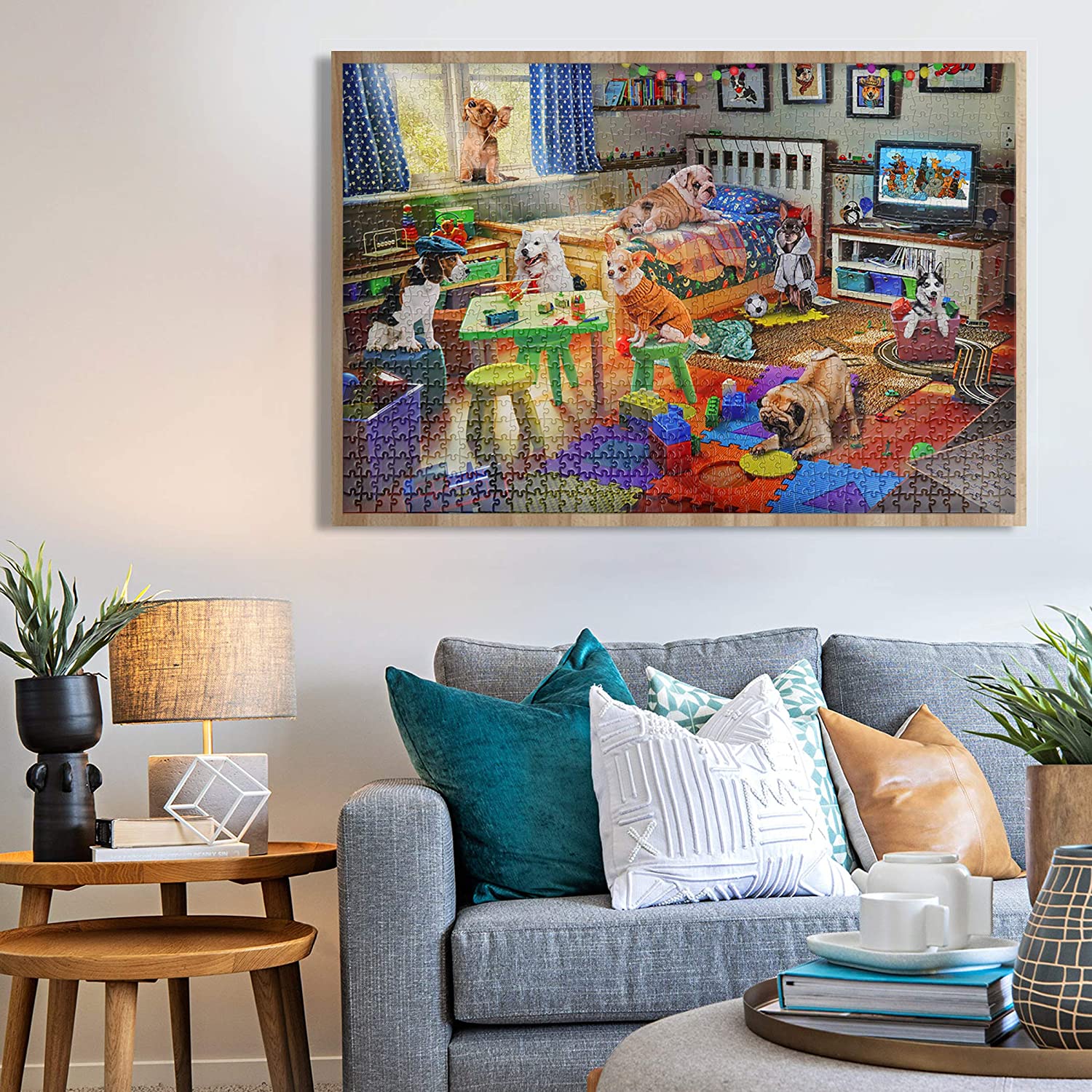
Image Source: jigsawdepot.com
Preparing Your Puzzle for Preservation
Before you can preserve your puzzle, it needs to be ready. This means ensuring all pieces are firmly interlocked and the puzzle is clean.
Ensuring a Solid Foundation
A well-assembled puzzle is the first step to a lasting display. Make sure every piece is pushed together tightly. Any gaps can weaken the structure and make gluing more difficult.
Cleaning Your Masterpiece
Dust and debris can mar the final look of your preserved puzzle. Gently wipe the surface with a dry, soft cloth. For stubborn grime, a slightly damp cloth can be used, but ensure it’s not too wet, as this could damage the puzzle’s paper or cardboard.
Choosing the Right Puzzle Glue
The type of adhesive you choose significantly impacts the longevity and appearance of your preserved puzzle. Different products offer varying finishes and ease of application.
Understanding Puzzle Sealants
A puzzle sealant is specifically designed to adhere puzzle pieces together without causing discoloration or damage to the image. They typically dry clear, allowing the artwork to shine through.
Popular Puzzle Glue Options
There are several types of adhesives suitable for puzzle preservation:
- Puzzle Glue: This is the most common type. It usually comes in a liquid form and is applied with a brush. Many are designed to dry clear and offer a slight sheen.
- Puzzle Mod Podge: Mod Podge is a versatile craft medium that can be used as a glue, sealant, and finish. It’s readily available and comes in various finishes (matte, satin, gloss). It’s often a good choice for beginners.
- Puzzle Varnish: While not strictly a glue, a puzzle varnish can be applied after gluing to add an extra layer of protection and enhance the sheen.
Table 1: Comparison of Puzzle Adhesives
| Adhesive Type | Best For | Pros | Cons |
|---|---|---|---|
| Puzzle Glue | General puzzle preservation, all finishes | Dries clear, strong bond, easy to apply | Can be messy if not careful, some have a strong odor |
| Puzzle Mod Podge | Versatility, sealing and finishing in one step | Multi-purpose, available in various finishes, affordable | Can be slightly thicker, may require multiple thin coats |
| Puzzle Sealant | Adding extra protection, enhancing finish | Adds durability, can improve appearance | Not a primary adhesive, adds an extra step |
The Gluing Process: Step-by-Step
Applying puzzle glue requires a steady hand and careful technique to achieve the best results.
Method 1: Applying Glue Directly to the Puzzle Surface
This is the most common and straightforward method.
- Gather Your Supplies: You’ll need your puzzle glue, a foam brush or spreader, paper towels, and a protected workspace.
- Protect Your Workspace: Lay down a protective layer, such as newspaper or a plastic sheet, to catch any drips.
- Apply the First Coat (Front): Open the puzzle glue. Using the applicator brush, spread a thin, even layer of glue over the entire surface of the puzzle. Work from the center outwards to avoid pushing pieces apart. Ensure you get glue into all the cracks between the pieces.
- Let it Dry: Allow the first coat to dry completely. This can take several hours, depending on humidity and glue thickness.
- Apply a Second Coat (Front): Once the first coat is dry, apply a second thin, even coat. This second coat helps to strengthen the bond and provide a more uniform finish.
- Flip and Glue the Back (Optional but Recommended): For maximum strength and durability, it’s highly recommended to glue the back of the puzzle as well. Carefully slide a large piece of cardboard or a thin board under the puzzle. Flip the puzzle over. Apply glue to the back in the same manner as the front, ensuring an even coat. Let it dry completely.
Method 2: Using Puzzle Mod Podge
Mod Podge can be used as a single-step glue and sealant.
- Gather Supplies: Mod Podge (in your desired finish – matte, satin, or gloss), foam brush, protective surface.
- Apply a Thin Layer: Apply a thin, even coat of Mod Podge to the puzzle surface using the foam brush.
- Work into Seams: Gently brush the Mod Podge into the seams between the puzzle pieces.
- Dry Time: Allow the first coat to dry completely.
- Add More Coats: For a stronger bond and a more finished look, apply additional thin coats, allowing each to dry in between. You can apply it to the back as well for added strength.
Puzzle Finishing Techniques
Beyond just gluing, several techniques can enhance the look and durability of your jigsaw puzzle display.
Puzzle Sealant for Added Protection
A dedicated puzzle sealant provides an extra layer of protection against moisture and wear.
- Purpose of Puzzle Sealant: It acts as a clear topcoat, reinforcing the glue and protecting the puzzle’s image from fading or smudging.
- Application: Apply thinly and evenly after the primary glue has fully cured.
Applying Puzzle Varnish
Puzzle varnish can be applied after gluing and sealing to achieve a specific aesthetic.
- Matte vs. Glossy: Matte varnish reduces glare and provides a sophisticated look, while glossy varnish enhances colors and gives a vibrant, reflective finish.
- Application: Use a clean foam brush to apply a thin, even coat. Avoid applying too thickly, as this can create drips or uneven patches.
Puzzle Mounting and Display Options
Once your puzzle is glued and finished, you have several options for displaying it.
Puzzle Mounting Methods
Mounting refers to attaching the puzzle to a rigid backing.
- Cardboard Backing: A simple and cost-effective option. The glued puzzle can be adhered to a piece of sturdy cardboard.
- Foam Board: Lighter than cardboard and easier to cut, foam board provides a good surface for mounting.
- Wood Panel: For a more premium look, you can mount your puzzle on a thin wooden panel.
The Art of Puzzle Framing
Framing is the most popular method for a stunning jigsaw puzzle display.
- Choose a Frame: Select a frame that complements the puzzle’s image and your decor. Consider the size and depth of the frame to accommodate the puzzle.
- Add a Mat (Optional): A mat can enhance the visual appeal by providing a border around the puzzle. Ensure the mat opening is cut precisely to the puzzle’s dimensions.
- Secure the Puzzle:
- If you’ve mounted the puzzle onto a backing board (like foam board or wood), you can then secure the entire board into the frame.
- Alternatively, if the puzzle is just glued, you can use archival-quality tape or removable adhesive strips on the edges to fix it to the frame backing.
- Add a Protective Layer: Consider adding a piece of acrylic or glass to protect the puzzle from dust and damage. Ensure the protective layer is securely fitted within the frame.
- Mounting Hardware: Attach appropriate hanging hardware to the back of the frame for secure wall mounting.
Table 2: Display Options for Preserved Puzzles
| Display Method | Ideal For | Pros | Cons |
|---|---|---|---|
| Framed | Permanent display, decorative purposes | Protects puzzle, enhances aesthetic, can be hung | Can be expensive, requires careful framing |
| Mounted on Board | Display on shelves, less permanent display | Simpler than framing, still showcases the artwork | Less protected than framing, can be prone to damage |
| Wall Decal Style | Large puzzles, creative wall art | Unique display, covers a large wall area | Requires precise application, difficult to reposition or remove |
| Puzzle Art Collage | Multiple small puzzles | Creates a gallery effect, showcases various achievements | Requires careful planning and arrangement |
Advanced Preservation Techniques
For those looking for extra durability or a specific finish, there are advanced methods.
Using Puzzle Backing Material
Adding a dedicated puzzle backing material before or after gluing can provide additional rigidity. This is especially useful for very large or complex puzzles.
- Types of Backing: Acid-free cardstock, thin wood veneer, or specialized puzzle backing sheets.
- Application: The backing is typically glued to the back of the puzzle after the front has been glued and dried.
Exploring Different Puzzle Sealant Options
Beyond standard puzzle glue, some crafters opt for specialized sealants for particular effects.
- Spray Sealants: Offer a quick and even application, but require good ventilation and careful masking of surrounding areas.
- Gel Sealants: Can provide a thicker, more robust coating, but may require more skill to apply evenly.
Puzzle Storage for Unassembled Puzzles
While this guide focuses on displaying completed puzzles, proper puzzle storage is crucial for preserving unassembled puzzles.
- Original Box: The best option is to keep puzzles in their original boxes, which are designed to protect the pieces.
- Puzzle Mats: For temporary storage or portability, puzzle mats allow you to roll up an unfinished puzzle without disturbing the pieces.
- Airtight Containers: For long-term storage, especially in humid environments, consider storing puzzles in airtight containers to protect them from moisture and pests.
Frequently Asked Questions (FAQ)
Q1: Can I use regular craft glue on a jigsaw puzzle?
A1: While some craft glues might work, it’s best to use adhesives specifically designed for puzzles. Puzzle glues are formulated to dry clear, prevent yellowing, and provide a strong bond without damaging the paper or cardboard of the puzzle pieces.
Q2: How long does it take for puzzle glue to dry?
A2: Drying time varies depending on the type of glue, the thickness of the application, and environmental conditions like humidity. Typically, a thin coat can take a few hours to dry. For a strong bond and optimal finish, it’s recommended to allow at least 24 hours for the glue to cure fully, especially if you are gluing both sides.
Q3: Will gluing a puzzle damage the image?
A3: If you use the correct puzzle glue or Mod Podge and apply it thinly and evenly, it should not damage the image. Over-application or using the wrong type of adhesive might cause some discoloration or bubbling. Always test on a small, inconspicuous area or a spare puzzle piece if you’re unsure.
Q4: How do I get a smooth finish on my puzzle?
A4: To achieve a smooth finish, apply the glue or sealant in thin, even coats. Avoid applying too much at once. If you notice any bumps or unevenness after drying, you can lightly sand the surface with very fine-grit sandpaper before applying another thin coat.
Q5: What is the best way to frame a jigsaw puzzle?
A5: The best way to frame a jigsaw puzzle is to first glue and finish it securely. Then, mount it onto a rigid backing board (like foam board or Masonite) using strong adhesive. This mounted puzzle can then be placed in a frame, either with or without a mat. Using archival tape to secure the puzzle to the frame backing is also a good practice.
Q6: Can I use spray adhesive for puzzles?
A6: Spray adhesives can be used, but they require careful application in a well-ventilated area. They can provide a quick and even coat, but it’s crucial to mask off any surrounding areas you don’t want to be sprayed. Test on a small section first to ensure it dries clear and doesn’t warp the puzzle.
By following these detailed steps and considering the various options for puzzle glue, finishing, and display, you can transform your completed jigsaw puzzles into cherished works of art that you can proudly showcase for years to come.