
Can I reset a GFCI circuit breaker myself? Yes, you can reset a GFCI (Ground Fault Circuit Interrupter) breaker yourself, and it’s a straightforward process. This guide will walk you through how to do it safely and effectively.
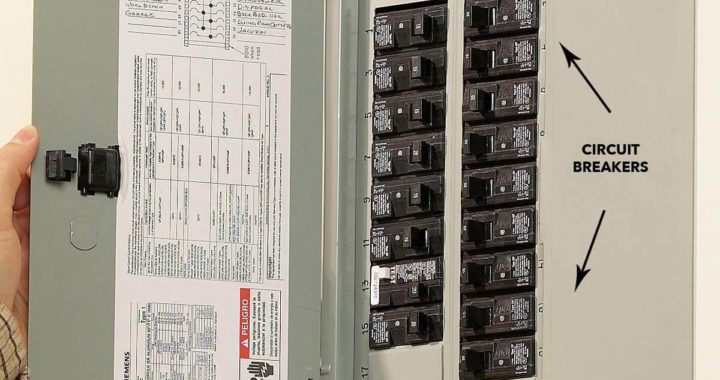
Image Source: landscapelightingguru.com
Why GFCI Breakers Trip
GFCI outlets and breakers are vital safety devices. They protect you from electric shock by sensing imbalances in the electrical current. When an imbalance occurs, meaning electricity is flowing somewhere it shouldn’t (like through water or a person), the GFCI quickly cuts off power. This is why your GFCI might trip.
Common Causes of GFCI Tripping
Several factors can lead to a GFCI tripping:
- Water Exposure: This is the most common reason. If water gets into an outlet or appliance connected to a GFCI circuit, it can cause a ground fault.
- Faulty Appliance: An appliance with damaged wiring or a short circuit can trigger the GFCI.
- Overloaded Circuit: While less common for GFCIs specifically, a severely overloaded circuit can sometimes cause unexpected behavior.
- Short Circuit: This happens when a hot wire touches a neutral wire or a ground wire.
- Ground Fault: This is when electricity flows through an unintended path to the ground.
- Faulty GFCI Outlet/Breaker: In rare cases, the GFCI device itself might be malfunctioning.
Locating Your GFCI Breaker
Before you can reset it, you need to find your GFCI breaker. These are usually located in your home’s main electrical panel (breaker box).
Identifying the GFCI Breaker
In your breaker box, GFCI breakers look similar to standard circuit breakers, but they often have a GFCI reset button and sometimes a GFCI test button on the front.
Table 1: Identifying GFCI Breakers
| Feature | Standard Breaker | GFCI Breaker |
|---|---|---|
| Reset Button | None | Yes (often red or black) |
| Test Button | None | Sometimes present (often white or yellow) |
| Purpose | Protects circuit from overloads/shorts | Protects people from shock |
| Tripped Position | Middle | Middle (often with indicator) |
Sometimes, a single GFCI breaker in the main panel protects multiple GFCI outlets downstream. If you can’t find a breaker with the characteristic buttons, the GFCI protection might be at an GFCI outlet within the circuit itself. In this case, the “tripped” GFCI outlet acts as the reset point.
The GFCI Reset Procedure
Resetting a GFCI breaker is usually simple.
Step-by-Step Resetting a GFCI Breaker in the Panel
- Find the GFCI Breaker: Open your electrical panel and locate the GFCI breaker. It will likely be in the middle position if it has tripped.
- Turn it OFF: Push the breaker handle all the way to the “OFF” position. You might feel a slight click.
- Turn it ON: Push the breaker handle firmly to the “ON” position.
- Check for Power: If the power is restored, you’ve successfully reset it. If it trips again immediately, there’s likely an ongoing issue.
Resetting a GFCI Outlet
If your GFCI protection is at an outlet, the process is slightly different:
- Locate the Tripped Outlet: Find the GFCI outlet that has tripped. It will have “Protected” and “Line” markings, and usually a GFCI reset button and a GFCI test button.
- Press the Reset Button: Firmly press the “RESET” button on the GFCI outlet.
- Listen for a Click: You should hear a click if the reset is successful.
- Check for Power: Test the outlet to see if power has been restored.
GFCI Troubleshooting: When Resetting Doesn’t Work
What happens if the GFCI reset button doesn’t work, or the GFCI keeps tripping? This indicates a problem that needs further investigation.
Common GFCI Troubleshooting Steps
- Check All Outlets on the Circuit: A single GFCI breaker or outlet can protect other standard outlets downstream. Unplug everything connected to the circuit. Then, try resetting the GFCI again. If it holds, plug in appliances one by one to identify the culprit.
- Inspect for Damage: Look for any visible signs of damage on the GFCI outlet or the breaker itself. This includes cracks, scorch marks, or loose wires.
- Test the GFCI Device: Use the GFCI test button. Pressing the “TEST” button should cut power to the outlet and the rest of the circuit. Pressing the “RESET” button should restore power. If this test doesn’t work, the GFCI device itself might be faulty.
- Check for Overloads: Ensure you haven’t plugged too many high-demand appliances into the circuit.
- Look for GFCI Wiring Issues: Incorrect GFCI wiring can cause constant tripping. If you’re not comfortable with electrical work, it’s best to call a qualified electrician. The “LINE” side of the GFCI must be connected to the incoming power, and the “LOAD” side to the protected outlets.
Understanding GFCI Wiring
Proper GFCI wiring is crucial for its function. A GFCI outlet has two sets of terminals: “LINE” and “LOAD.”
- LINE Terminals: These are connected to the incoming power supply from the breaker box.
- LOAD Terminals: These are connected to the outlets and devices that are protected by this GFCI.
Table 2: GFCI Wiring Connections
| Terminal | Connected To | Function |
|---|---|---|
| LINE | Incoming power from panel | Provides power to the GFCI itself |
| LOAD | Other outlets/devices | Protects downstream devices from shock |
| Ground | Grounding wire in the house | Safety path for fault current |
| Neutral | Neutral wire in the house | Completes the electrical circuit |
If the wires are reversed (e.g., power connected to the LOAD side), the GFCI outlet not working correctly and may trip frequently or not provide protection.
When You Need Professional Help
If you’ve tried these troubleshooting steps and your GFCI continues to trip, or if you suspect a wiring problem, it’s time to call a qualified electrician.
Situations Requiring an Electrician
- Persistent Tripping: If the GFCI trips immediately after resetting, even with nothing plugged in.
- No Power After Reset: If you can’t reset the GFCI at all.
- Visible Damage: If you see any signs of burning, melting, or damage to the breaker or outlet.
- Uncertainty About Wiring: If you’re unsure about how to check GFCI wiring or if you suspect it’s done incorrectly.
- GFCI Outlet Not Working: If the GFCI outlet isn’t providing power after resetting, or if it fails the test.
GFCI Replacement
If your troubleshooting or an electrician determines that the GFCI device itself is faulty, it will need GFCI replacement.
Signs a GFCI Needs Replacement
- Failure of Test Button: The GFCI fails to trip when the “TEST” button is pressed.
- Inability to Reset: The GFCI reset button does not engage or hold.
- Flickering Lights: Lights on the circuit flicker, indicating an unstable connection or faulty GFCI.
- Physical Damage: Any visible cracks, discoloration, or signs of overheating.
- Age: While not a strict rule, older GFCI devices can degrade over time and may need replacement for optimal safety.
Replacing a GFCI outlet is a task many homeowners can do themselves if they have basic electrical knowledge and follow safety precautions. However, replacing a GFCI breaker in the panel is generally best left to professionals.
GFCI Surge Protector: An Added Layer of Safety
While a GFCI protects against ground faults and electric shock, a GFCI surge protector offers additional protection against power surges.
What is a GFCI Surge Protector?
A GFCI surge protector combines the shock-prevention capabilities of a GFCI with the surge-protection features of a standard surge protector. Surges can damage sensitive electronics like computers, TVs, and appliances.
These can be found as:
- GFCI outlets with built-in surge protection: These replace standard outlets and offer both types of protection.
- Surge protector power strips with GFCI outlets: These allow you to plug multiple devices into a surge-protected strip that also has GFCI outlets.
If you live in an area prone to lightning storms or have many sensitive electronics, considering a GFCI surge protector is a smart move.
Frequently Asked Questions (FAQ)
Q: Why did my GFCI outlet trip?
A: The most common reasons are water exposure, a faulty appliance, a short circuit, or a ground fault.
Q: Can a GFCI breaker protect other outlets?
A: Yes, a single GFCI breaker in your panel can protect multiple standard outlets on the same circuit downstream.
Q: What does it mean if the GFCI trips immediately after resetting?
A: This usually indicates an ongoing electrical fault in the circuit or the appliance connected to it. Unplug everything and try resetting again. If it still trips, call an electrician.
Q: How do I know if I have a GFCI outlet or a GFCI breaker?
A: GFCI outlets have “TEST” and “RESET” buttons on them. GFCI breakers are located in your electrical panel and have similar buttons on their face.
Q: Is it safe to reset a GFCI breaker if I’m not sure why it tripped?
A: Yes, it is generally safe to attempt a reset. However, if it trips again, do not keep resetting it. Investigate the cause or call a professional.
Q: My GFCI outlet is old; does it need replacement?
A: GFCI outlets have a lifespan and can degrade. If it’s not testing correctly or is consistently tripping, replacement is recommended.
Q: What is GFCI troubleshooting?
A: GFCI troubleshooting involves identifying and resolving the cause of a GFCI tripping or an GFCI outlet not working. This can include checking connected appliances, inspecting wiring, and testing the GFCI device itself.
Q: Where can I find the GFCI breaker location?
A: The GFCI breaker location is typically in your home’s main electrical panel or breaker box. Look for a breaker with a “TEST” and “RESET” button.
By following these guidelines, you can confidently reset your GFCI circuits and maintain a safer electrical environment in your home. Remember, safety first – if you’re ever in doubt, consult a qualified electrician.