
Here’s a comprehensive guide on how to start your Stihl chainsaw, designed for clarity and ease of use.
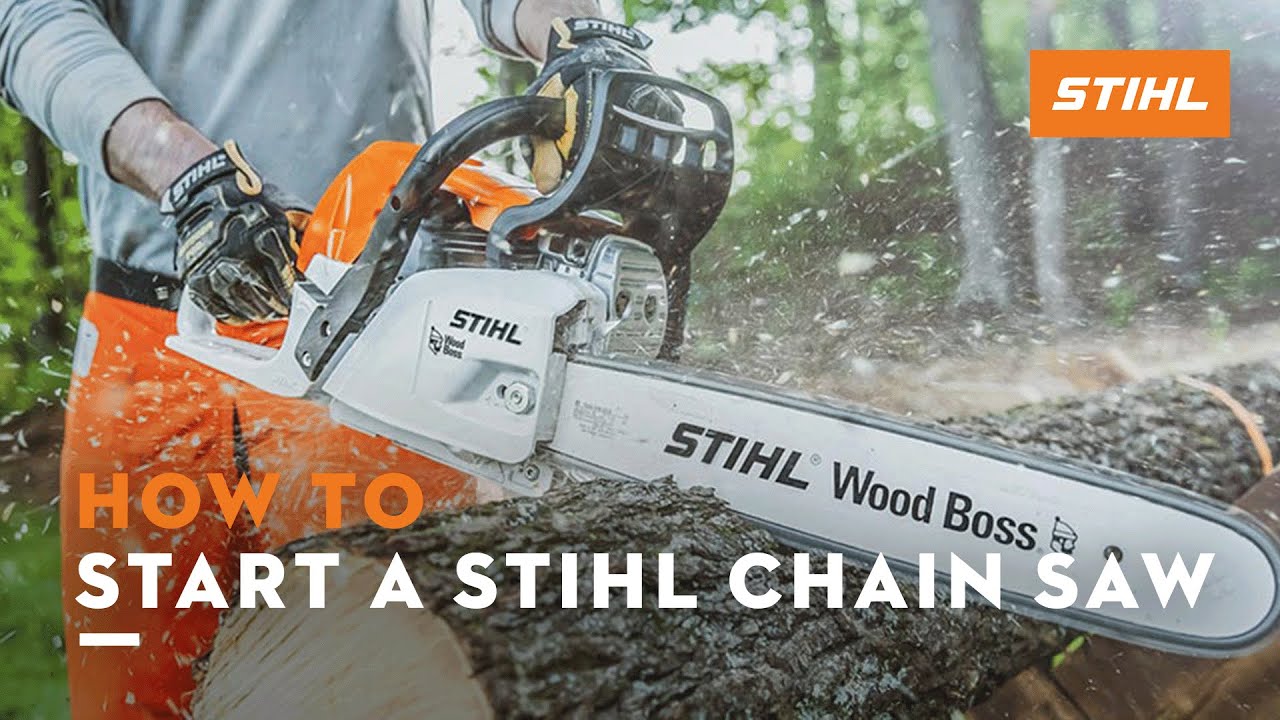
Image Source: i.ytimg.com
How Do I Start My Stihl Chainsaw? A Step-by-Step Guide
Starting a Stihl chainsaw correctly is essential for both safety and efficient operation. If your Stihl chainsaw won’t start, or you’re new to using one, following these steps will help you get it running smoothly. This guide will walk you through the entire process, from preparation to troubleshooting.
Essential Preparations Before Starting
Before you even think about pulling the cord, a few crucial steps ensure your safety and the proper functioning of your chainsaw.
1. Safety First: Always Prioritize Safety Gear
Operating a chainsaw carries inherent risks. Always wear appropriate safety gear. This includes:
- Safety Glasses or Face Shield: To protect your eyes from flying debris.
- Hearing Protection: Chainsaws are loud and can cause permanent hearing damage.
- Heavy-Duty Gloves: For a secure grip and protection against splinters and cuts.
- Chainsaw Chaps or Protective Trousers: These are designed to stop a moving chain.
- Steel-Toed Boots: To protect your feet from falling logs or the saw itself.
- Hard Hat: Especially important when working under trees or with overhead hazards.
2. Inspecting Your Stihl Chainsaw
A thorough inspection can prevent issues and ensure your saw is in good working order.
- Chain Tension: The chain should be snug but still movable by hand. It should not sag off the bar.
- Bar and Chain Condition: Check for any damage to the bar or dull teeth on the chain. A sharp chain cuts efficiently and safely.
- Air Filter: Ensure the air filter is clean. A dirty filter can prevent the engine from starting or running properly.
- General Condition: Look for any loose parts, damaged housing, or fuel leaks.
3. Fueling Your Stihl Chainsaw
The correct Stihl chainsaw fuel mixture is vital for engine health and performance. Stihl 2-stroke engines require a specific mix of gasoline and 2-stroke oil.
- Stihl’s Recommended Fuel Mix: Stihl typically recommends a 50:1 ratio. This means 50 parts gasoline to 1 part 2-stroke engine oil.
- Using the Right Oil: Always use high-quality 2-stroke engine oil specifically designed for air-cooled 2-stroke engines, like Stihl’s own brand. Never use outboard motor oil or automotive oil.
- Mixing Fuel:
- Start with fresh, high-octane gasoline (at least 89 octane).
- Add the correct amount of 2-stroke oil to a clean, approved fuel container.
- Add the gasoline.
- Close the container securely and shake it well to ensure the oil and gas are thoroughly mixed.
- Fuel Container: Use only approved fuel containers designed for gasoline.
- Filling the Tank:
- Place the chainsaw on a flat, stable surface.
- Ensure the engine is cool.
- Carefully unscrew the fuel cap.
- Fill the fuel tank to the recommended level. Do not overfill.
- Wipe away any spilled fuel before starting the saw.
- Ensure the fuel cap is tightened securely.
The Stihl Chainsaw Starting Procedure: A Detailed Walkthrough
Starting a Stihl chainsaw involves a specific sequence of actions. Knowing this Stihl chainsaw starting procedure will make the process much smoother.
Step 1: Engage the Chain Brake
- Push the chain brake lever forward until it clicks into place. This is a crucial safety step to prevent the chain from spinning unexpectedly when the engine starts.
Step 2: Activate the Choke
- Locate the Stihl chainsaw choke lever. It’s usually a lever on the carburetor housing.
- For a cold engine, move the choke lever to the “choke” or “start” position (often indicated by a symbol). This enriches the fuel-air mixture, making it easier to ignite.
- If the engine is warm, you may not need to use the choke, or you might use a partially choked setting.
Step 3: Press the Primer Bulb (If Equipped)
- Many modern Stihl chainsaws have a Stihl chainsaw primer bulb. This small, clear rubber bulb is located on the carburetor.
- Press the primer bulb repeatedly until you see fuel move through it. This pushes fuel into the carburetor, aiding in starting. You typically need to press it 5-10 times.
Step 4: Engage the Master Control Lever (M-Tronic or Standard)
- For Chainsaws with M-Tronic: These advanced models have an integrated master control. Move the master control lever to the “start” position. It will automatically return to the “run” position once the engine starts.
- For Standard Chainsaws: Locate the master control lever (often near the choke). Push it up to the “start” position.
Step 5: Pull the Starter Rope (The Stihl Chainsaw Pull Cord)
- Grip the handle of the Stihl chainsaw pull cord firmly.
- Pull the cord smoothly and steadily until you feel resistance.
- Then, give it a sharp, strong pull. You should hear the engine “cough” or sputter. This indicates it’s trying to start.
Step 6: Disengage the Choke
- Once the engine coughs or sputters, pull the Stihl chainsaw choke lever back to the “run” or “stop” position (usually the middle or lower position).
- If your saw has an automatic decompression valve, the choke might stay in the “start” position and then automatically retract once the engine fires. Refer to your owner’s manual for specifics.
Step 7: Pull the Starter Rope Again
- Pull the Stihl chainsaw pull cord again, usually with a strong, steady pull.
- The engine should now start and run.
Step 8: Allow the Chainsaw to Warm Up
- Let the chainsaw run at idle for about 30 seconds to a minute. This allows the engine to warm up and the Stihl chainsaw carburetor adjustment (if needed) to stabilize.
- During this warm-up period, the chain will likely not move unless you briefly squeeze the throttle.
Step 9: Disengage the Chain Brake
- Once the engine is running smoothly, push the chain brake lever forward with the palm of your hand to disengage it.
- Your Stihl chainsaw is now ready to use.
Troubleshooting: When Your Stihl Chainsaw Won’t Start
It can be frustrating when your Stihl chainsaw won’t start. Here’s a guide to common issues and Stihl chainsaw troubleshooting.
Common Reasons for a Stihl Chainsaw Not Starting:
- Incorrect Fuel Mixture: Using old fuel or an improper Stihl chainsaw fuel mixture is a frequent culprit.
- Dirty Air Filter: A clogged air filter restricts airflow, preventing the engine from getting enough air to start.
- Fouled Spark Plug: A dirty or worn Stihl chainsaw spark plug will not produce a strong enough spark to ignite the fuel.
- Carburetor Issues: The carburetor might be dirty, clogged, or in need of Stihl chainsaw carburetor adjustment.
- Blocked Fuel Filter: A clogged fuel filter restricts fuel flow to the carburetor.
- Primer Bulb Not Working: If the Stihl chainsaw primer bulb is cracked or not drawing fuel, the engine won’t get enough initial fuel.
- Safety Features Engaged: Ensure the chain brake is disengaged after the initial start.
Troubleshooting Steps:
-
Check Fuel:
- Is there enough fresh fuel in the tank?
- Is the Stihl chainsaw fuel mixture correct? Old fuel can go stale within a month.
- Try draining the old fuel and refilling with a fresh, correctly mixed batch.
-
Inspect the Air Filter:
- Remove the air filter cover.
- Take out the air filter and check for dirt and debris.
- Clean it with a soft brush or compressed air. If it’s heavily soiled or damaged, replace it.
-
Examine the Spark Plug:
- Locate and remove the Stihl chainsaw spark plug using a spark plug wrench.
- Check the electrode for fouling, carbon buildup, or damage.
- Clean the spark plug with a wire brush or replace it if it looks worn or damaged.
- Ensure the gap is correct according to your owner’s manual.
- When reinserting, hand-tighten first, then use the wrench for a snug fit.
-
Test the Primer Bulb and Fuel Lines:
- Press the Stihl chainsaw primer bulb. You should see fuel entering the bulb and being pushed back. If not, there might be a blockage in the fuel line or a faulty primer bulb.
- Check fuel lines for cracks or kinks.
-
Consider the Carburetor:
- If other steps don’t resolve the issue, the carburetor might need cleaning or adjustment.
- Stihl chainsaw carburetor adjustment is a delicate process. If you’re not experienced, it’s best to have it professionally serviced. Incorrect adjustments can lead to poor performance or engine damage. The adjustment screws typically control idle speed and the fuel-air mixture.
-
Check the Starter Rope and Mechanism:
- Ensure the Stihl chainsaw pull cord isn’t frayed or broken.
- Listen for the recoil mechanism engaging properly. If the cord doesn’t retract or feels loose, there might be a problem with the starter assembly.
-
Verify Safety Features:
- Double-check that the chain brake is disengaged after the initial engine fire-up attempt.
Table: Common Stihl Chainsaw Starting Problems and Solutions
| Problem | Possible Cause | Solution |
|---|---|---|
| Stihl chainsaw won’t start at all | No fuel, incorrect fuel mix, no spark, clogged filter | Check fuel, ensure correct fuel mix, inspect Stihl chainsaw spark plug, clean air filter, check fuel filter. |
| Engine coughs but won’t run | Choke not disengaged, partial fuel blockage | Disengage choke after sputtering, check fuel lines, clean carburetor if necessary. |
| Engine starts then dies | Carburetor issues, fuel starvation, air leak | Clean/adjust carburetor, check fuel supply, inspect for air leaks around gaskets or hoses. |
| Low power or poor performance | Dirty air filter, dull chain, incorrect mixture | Clean/replace air filter, sharpen/replace chain, verify Stihl chainsaw fuel mixture. |
| Chainsaw runs rough or stalls at idle | Carburetor out of adjustment, dirty spark plug | Perform Stihl chainsaw carburetor adjustment (if knowledgeable) or have it serviced, clean/replace Stihl chainsaw spark plug. |
Maintaining Your Stihl Chainsaw for Easy Starts
Regular maintenance is key to ensuring your Stihl chainsaw starts reliably every time.
Regular Maintenance Tasks:
- Clean the Air Filter: After every few uses, or more often in dusty conditions.
- Check and Clean the Spark Plug: Inspect regularly and clean or replace as needed.
- Sharpen or Replace the Chain: A sharp chain makes starting and cutting much easier.
- Keep the Saw Clean: Remove sawdust and debris from the engine and cooling fins.
- Store Fuel Properly: Use fresh fuel and consider using a fuel stabilizer for longer storage.
- Inspect Fuel Lines and Filter: Regularly check for damage or blockages.
Advanced Troubleshooting and When to Seek Professional Help
If you’ve gone through the basic Stihl chainsaw troubleshooting steps and your saw still won’t start, it might be time for more advanced checks or professional assistance.
When to Call a Professional:
- Internal Engine Problems: If you suspect an issue with the piston, cylinder, or ignition system.
- Complex Carburetor Issues: If the carburetor requires internal cleaning or a rebuild, or if you’re not comfortable with Stihl chainsaw carburetor adjustment.
- Starter Mechanism Failure: If the pull cord or recoil starter is broken.
- Persistent Starting Problems: If you’ve tried everything and the saw still refuses to start.
Frequently Asked Questions (FAQ)
Q1: What is the correct Stihl chainsaw fuel mixture?
A1: Stihl generally recommends a 50:1 ratio of fresh gasoline to high-quality 2-stroke engine oil specifically designed for air-cooled 2-stroke engines. Always refer to your specific chainsaw model’s owner’s manual for the exact recommendation.
Q2: Can I use regular gasoline in my Stihl chainsaw?
A2: Yes, you can use regular gasoline, but it must be fresh and have an octane rating of at least 89. The key is to mix it with the correct 2-stroke oil at the specified ratio.
Q3: Why does my Stihl chainsaw hard to start when cold?
A3: When cold, the engine needs a richer fuel-air mixture. This is why you use the choke. If it’s still hard to start, check the Stihl chainsaw spark plug, the primer bulb, and the air filter for blockages.
Q4: My Stihl chainsaw starts but then stalls. What could be wrong?
A4: This often indicates a fuel delivery problem or an issue with the carburetor. Check your fuel level, ensure the fuel filter isn’t clogged, and consider if a Stihl chainsaw carburetor adjustment is needed or if it requires cleaning. A dirty Stihl chainsaw spark plug can also cause this.
Q5: How do I know if I need to adjust the Stihl chainsaw carburetor?
A5: If your chainsaw idles too high, too low, stalls, or runs rough at different throttle settings, it might need a Stihl chainsaw carburetor adjustment. However, unless you are familiar with the process, it’s safer to have a professional do it, as incorrect adjustments can damage the engine.
Q6: What are the most important Stihl chainsaw safety tips?
A6: Always wear full protective gear (gloves, eye protection, hearing protection, chaps, boots, hard hat). Ensure the chain brake is engaged when not actively cutting. Keep bystanders at a safe distance. Never operate a chainsaw when fatigued. Ensure the area you’re cutting in is clear of obstructions.
By following these detailed steps and Stihl chainsaw troubleshooting tips, you can confidently start and operate your Stihl chainsaw, ensuring both your safety and the longevity of your equipment. Remember, a well-maintained chainsaw is a safe and efficient chainsaw.