
Adding a circuit breaker typically costs between $150 to $350 for a simple addition to an existing panel. However, the circuit breaker installation cost can vary significantly based on several factors, including the complexity of the job, the number of breakers needed, the location, and the electrician’s hourly rate. If you need to add a new electrical circuit to power an appliance or an outlet, the cost to add electrical circuit will be higher, potentially ranging from $200 to $600 or more. This broader scope often involves running new wiring, which increases labor and material expenses. It’s also important to consider that if your existing electrical panel is outdated or full, an electrical panel upgrade cost might be necessary before a new breaker can be added, which can add several hundred to over a thousand dollars to the overall expense.
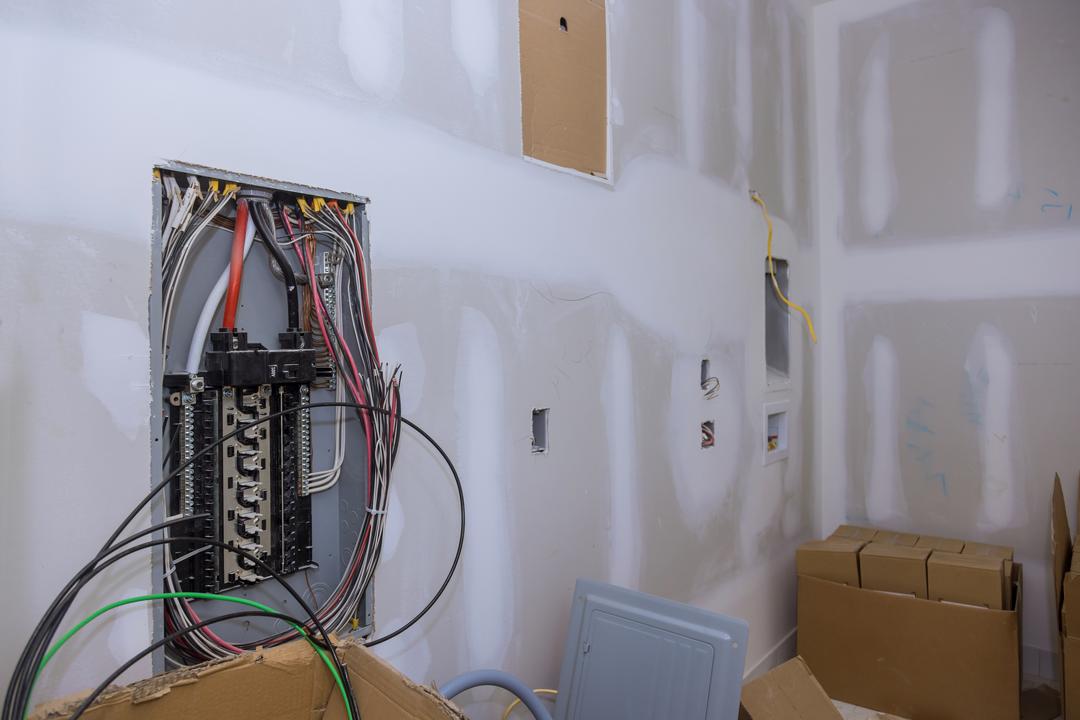
Image Source: michaelandson.com
Deciphering the Expenses: Factors Influencing Your Bill
When you’re looking to add a circuit breaker, it’s natural to wonder about the cost to add electrical circuit. Several elements play a role in the final price. Let’s break down what goes into the circuit breaker installation cost.
The Price of a New Circuit Breaker
The new circuit breaker price itself is usually quite affordable.
- Single-Pole Breakers: These are the most common and cost around $10 to $30. They are used for standard 120-volt circuits like lights and regular outlets.
- Double-Pole Breakers: These cost between $20 to $60 and are for 240-volt appliances such as dryers, ovens, or air conditioners.
- AFCI/GFCI Breakers: These specialized breakers offer enhanced safety and cost more, typically $25 to $80 for single-pole and $40 to $100 for double-pole. AFCI (Arc Fault Circuit Interrupter) breakers protect against electrical fires, while GFCI (Ground Fault Circuit Interrupter) breakers protect against electric shock.
However, the breaker itself is just a small part of the total cost to add a breaker.
Labor: The Electrician’s Expertise
The biggest chunk of the electrical work cost estimate comes from labor. Electricians charge an hourly rate, and this can vary widely depending on their experience, location, and the complexity of the work.
- Average Electrician Hourly Rates: In many areas, you can expect to pay anywhere from $75 to $150 per hour for a qualified electrician. Some master electricians may charge even more.
- Time Required: A straightforward addition of a breaker to an existing, less crowded panel might take as little as 1 to 2 hours. However, if new wiring needs to be run through walls, floors, or ceilings, or if the panel is packed, the job can take significantly longer.
The electrician cost for circuit breaker work is a crucial component of the overall expense. They need to safely access the panel, identify the correct busbar, install the breaker, connect the wiring, and ensure everything is up to code.
Material Costs Beyond the Breaker
While the breaker is the main component, other materials are often needed:
- Wire: If a new circuit is being added, you’ll need appropriate gauge electrical wire (e.g., 14-gauge for 15-amp circuits, 12-gauge for 20-amp circuits). The cost depends on the length and type of wire needed.
- Conduit: In some cases, wiring may need to be protected by conduit, adding to material costs.
- Connectors and Staples: Small items like wire nuts, connectors, and cable staples are also necessary.
What Else Affects the Price?
Several other factors can influence how much you pay:
- Panel Capacity and Condition: If your electrical panel is already full, you’ll need to replace a breaker or consider an electrical panel upgrade cost. A panel upgrade can add $800 to $2,500 or more to your project. Older panels might also be more difficult or time-consuming to work with.
- Difficulty of Wiring: Running new wires is a significant cost driver. If the new circuit needs to go to a distant part of the house or through difficult-to-access areas (like finished walls or ceilings), the cost of adding a new outlet circuit will increase due to the added labor.
- Location: Electrician rates and the cost of materials can vary by region. Labor costs tend to be higher in major metropolitan areas.
- Permits and Inspections: In many localities, adding a new circuit requires a permit and an electrical inspection. These fees can range from $50 to $200, depending on your municipality. While these are essential for safety and compliance, they add to the total electrical work cost estimate.
Estimating the Expense: What to Expect
Let’s look at some common scenarios to give you a clearer picture of the average cost to add a breaker.
Scenario 1: Adding a Breaker to an Existing Panel (Simple)
This is the most straightforward situation. You have space in your electrical panel, and you need to add a new circuit to power something nearby, like a new light fixture in the same room.
- New Circuit Breaker Price: $10 – $50
- Electrician Labor (1-2 hours): $75 – $300
- Wire and Minor Materials: $20 – $50
- Permit (if applicable): $50 – $100
Estimated Total Cost for Simple Addition: $155 – $500
Scenario 2: Adding a New Outlet Circuit (Moderate Complexity)
This involves adding a breaker and running new wiring to a new outlet location, perhaps in another room or a garage.
- New Circuit Breaker Price: $10 – $50
- Electrician Labor (2-4 hours): $150 – $600
- Wire and Materials (including outlet, box): $50 – $150
- Permit and Inspection (if applicable): $75 – $150
Estimated Total Cost for New Outlet Circuit: $285 – $950
Scenario 3: Adding a Circuit for a Major Appliance (Higher Complexity)
This often involves a double-pole breaker and running heavier gauge wire to an appliance like a dryer or a dedicated circuit for a hot tub.
- New Circuit Breaker Price (double-pole): $20 – $100
- Electrician Labor (3-6 hours or more): $225 – $900+
- Wire and Materials (heavier gauge, dedicated box): $100 – $300+
- Permit and Inspection (if applicable): $75 – $150
Estimated Total Cost for Appliance Circuit: $420 – $1,450+
Scenario 4: Electrical Panel Upgrade and New Circuit
If your panel is full or outdated, you’ll face the electrical panel upgrade cost. This is a significant undertaking.
- Electrical Panel Upgrade Cost: $800 – $2,500+ (includes new panel, breakers, and labor)
- Adding a New Circuit (during upgrade): $150 – $500 (labor and materials for the new circuit itself)
Estimated Total Cost for Panel Upgrade + New Circuit: $950 – $3,000+
These are general estimates, and your specific cost to install a breaker box or add a circuit might fall outside these ranges. Always get detailed quotes.
Fathoming the Process: What an Electrician Does
When you hire an electrician to add a circuit breaker, they perform a series of critical tasks to ensure safety and functionality. This process justifies the electrician fees for wiring.
Assessment and Planning
- Site Visit: The electrician will first assess your existing electrical panel to check its capacity, condition, and available space.
- Load Calculation: They will determine the power needs of the new appliance or outlet to ensure the circuit can handle the load safely and that the panel has enough capacity.
- Wire Path Planning: The electrician will map out the best route to run the new wiring from the panel to the new outlet or fixture, minimizing disruption.
Installation Steps
- Panel Access: The main breaker is turned off to de-energize the panel before opening it.
- Breaker Installation: The new breaker is securely clipped onto the busbar in the panel.
- Wiring:
- The new wire is run from the panel location to the desired outlet or fixture.
- One end of the wire connects to the new breaker (hot wire).
- The neutral wire connects to the neutral busbar.
- The ground wire connects to the ground busbar.
- At the other end, the wires are connected to the new outlet or fixture.
- Testing: After installation, the electrician will turn the main breaker back on, then the new breaker, and test the outlet or fixture to ensure it’s working correctly and safely.
- Inspection (if required): The electrician will ensure the work passes any necessary local electrical inspections.
Safety First
It’s crucial to emphasize that electrical work is dangerous and should only be performed by qualified professionals. Incorrect wiring can lead to shocks, fires, and damage to appliances. The electrician cost for circuit breaker work includes their knowledge, tools, insurance, and the safety precautions they take.
Optimizing Your Electrical System: When an Upgrade is Necessary
Sometimes, simply adding a new circuit breaker isn’t enough. If your current electrical panel is old, overloaded, or doesn’t meet modern safety standards, you might need a full electrical panel upgrade cost.
Signs Your Panel Needs an Upgrade:
- Frequent Tripping Breakers: If breakers trip often, it means your system is overloaded.
- Flickering Lights: This can indicate loose connections or an insufficient power supply.
- Discolored Outlets or Switch Plates: This is a serious sign of overheating and a potential fire hazard.
- Old Panel: Panels manufactured before the 1970s (like Federal Pacific Electric or Zinsco) are known to have safety issues.
- Insufficient Circuits: You may have too many appliances on a single circuit, or not enough outlets to avoid using extension cords extensively.
- Need for More Power: Adding major appliances or electric vehicle charging stations will require more amperage than older systems can provide.
The Cost of an Electrical Panel Upgrade
The cost to install a breaker box typically includes:
- New Electrical Panel: A modern panel with more breaker slots.
- New Breakers: Often, all new breakers are installed for safety and reliability.
- Labor: This is a labor-intensive job that can take a full day or more.
- Permits and Inspections: Required for safety compliance.
The electrical panel upgrade cost is a significant investment, but it’s essential for home safety, efficiency, and the ability to accommodate modern electrical demands.
Tips for Getting an Accurate Electrical Work Cost Estimate
To ensure you’re getting a fair price for adding a circuit breaker or any electrical work, follow these tips:
- Get Multiple Quotes: Contact at least three licensed and insured electricians in your area. Compare their electrical work cost estimate and what is included in the price.
- Be Specific About Your Needs: Clearly explain what you want the new circuit to power. Provide as much detail as possible about the location and the appliance.
- Ask About Permits: Inquire whether permits and inspections are included in their quote.
- Check Credentials: Ensure the electrician is licensed and insured. Ask for references.
- Understand the Scope: Clarify what the cost of adding a new outlet circuit or breaker includes – materials, labor, cleanup, and any potential unexpected costs.
- Avoid the Cheapest Option: While budget is important, the cheapest circuit breaker installation cost might mean cutting corners on safety or quality.
Frequently Asked Questions (FAQ)
Q: Can I add a circuit breaker myself?
A: It is strongly recommended that you do not attempt to add a circuit breaker yourself unless you are a qualified electrician. Working with electricity is dangerous and can lead to severe injury, electrocution, or fire if done incorrectly. Licensed electricians have the training, tools, and knowledge to perform this work safely and to code.
Q: How long does it take to add a circuit breaker?
A: A simple addition to an existing panel with space might take 1-2 hours. If new wiring needs to be run through walls or ceilings, it could take 3-6 hours or more.
Q: Will adding a circuit breaker affect my existing electrical service?
A: If your panel has sufficient capacity and space, adding a breaker should not negatively affect your existing service. However, if your service is already near capacity, adding a new circuit could cause issues, and an upgrade might be necessary.
Q: What is the difference between a circuit breaker and a fuse?
A: Both are safety devices that protect electrical circuits from overcurrents. A fuse contains a wire that melts and breaks the circuit when too much current flows. A circuit breaker is a switch that trips (opens) the circuit when overcurrent is detected and can be reset. Modern homes predominantly use circuit breakers.
Q: Do I need a permit to add a circuit breaker?
A: In most municipalities, yes, you will need a permit and an electrical inspection when adding a new circuit. This is to ensure the work is done safely and meets building codes. Your electrician will typically handle the permit process.
By carefully considering these factors and getting accurate estimates, you can confidently approach the project of adding a circuit breaker to your home.