
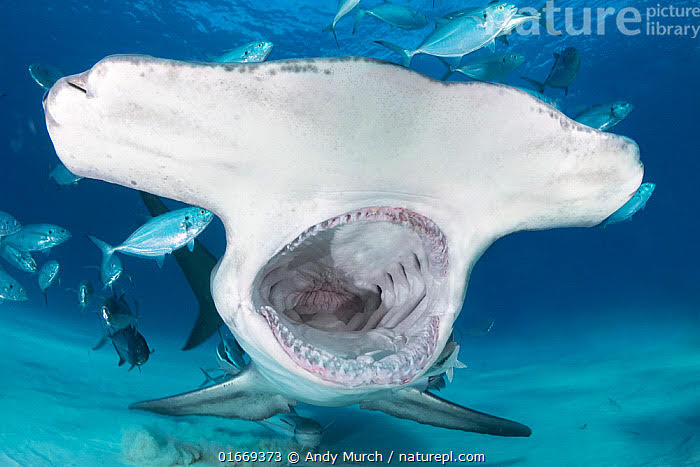
Image Source: capemaywhalewatch.com
Why Does The Hammerhead Shark Have A Hammerhead? Explained
The distinctive hammerhead shark head shape, scientifically known as the cephalofoil, is a remarkable evolutionary adaptation that grants these ocean predators significant advantages in their marine environment. The primary reason for this unique head shape is to maximize the shark’s sensory capabilities, allowing for more efficient hunting and navigation.
The Evolution of the Hammer
The hammerhead shark, with its iconic flattened, hammer-shaped head, has intrigued scientists for centuries. This unusual morphology is not merely a curious oddity; it is the result of millions of years of evolution, a testament to the power of natural selection shaping organisms to suit their ecological niches. But why did this peculiar shape arise? Fathoming the hammerhead shark head shape involves delving into the intricate interplay between anatomy, sensory biology, and predatory behavior. This broad, flattened structure, scientifically termed the cephalofoil, is a masterpiece of biological engineering, equipping these sharks with an array of specialized functions that contribute directly to their survival and success in the vast ocean.
Cephalofoil Function: A Multifaceted Advantage
The cephalofoil is not a single-purpose tool; its utility is remarkably diverse. Its design maximizes the effectiveness of several crucial sensory organs, transforming the shark’s head into a highly sophisticated detection system.
Enhanced Sensory Perception
The most significant benefit of the cephalofoil lies in its ability to spread out the shark’s sensory organs over a wider area. This expansion greatly improves their ability to detect prey, navigate, and even perceive their surroundings.
Visual Acuity
One of the most striking benefits of the hammerhead’s head shape relates to its hammerhead shark vision. The eyes are situated at the extreme ends of the cephalofoil, providing an incredibly wide field of vision.
- Panoramic View: This lateral placement allows hammerheads to see almost 360 degrees around them. This means they can detect approaching predators or potential prey from a much wider range of directions simultaneously. Imagine wearing goggles that wrap all the way around your head – that’s a simplified version of the hammerhead’s visual advantage.
- Binocular Vision: While the field of view is broad, the placement of the eyes also allows for a significant overlap in their vision. This binocular vision is crucial for depth perception, enabling the shark to accurately judge distances, a vital skill when striking at fast-moving prey.
- Stereoscopic Vision: The wider separation of the eyes on the cephalofoil enhances stereoscopic vision, further refining their ability to pinpoint the location and speed of objects in their path. This is akin to how humans’ two eyes work together to create a three-dimensional view of the world.
Improved Olfactory Senses
The cephalofoil also plays a critical role in enhancing the shark’s hammerhead shark olfactory senses. The nostrils, or nares, are located on the underside of the cephalofoil, positioned further apart than in sharks with more conventional head shapes.
- Directional Smelling: By spreading the nostrils, the hammerhead can detect subtle differences in scent concentration between each nostril. This allows them to “smell in stereo,” pinpointing the direction from which a scent is coming. If a faint whiff of blood or prey is detected, the shark can turn its head and follow the scent trail with remarkable accuracy. This is a crucial component of their hammerhead shark hunting strategy.
- Increased Surface Area for Receptors: The wider spread of the nostrils may also increase the surface area exposed to water, potentially allowing for more efficient sampling of the chemical environment.
Electroreception and Mechanoreception
The underside of the hammerhead’s cephalofoil is also dotted with pores called ampullae of Lorenzini. These specialized organs are incredibly sensitive to electrical fields generated by the muscle movements of prey.
- Detecting Hidden Prey: The broad, flat shape of the cephalofoil effectively acts like a giant antenna, increasing the shark’s ability to detect these faint electrical signals, even from prey buried in sand or hidden in murky water. This is a significant hammerhead shark adaptation for finding concealed meals.
- Sensing Vibrations: Similarly, the cephalofoil can enhance their reception of water vibrations, allowing them to sense the movements of other organisms in their vicinity.
Hammerhead Shark Behavior and Hunting Strategy
The unique hammerhead shark head shape directly influences their hammerhead shark behavior and hammerhead shark hunting strategy. Their sensory advantages translate into effective predatory tactics.
Locating Prey
The enhanced vision and smell are paramount to their success. They often patrol the ocean floor, sweeping their heads from side to side, using their broad cephalofoil to cover a wide area and detect even the slightest scent or shadow of potential prey.
- “Head-Sweeping”: Many hammerhead species exhibit a distinctive “head-sweeping” behavior. They slowly move their heads from side to side as they swim, a clear indication of them actively scanning their environment using their distributed sensory organs.
- Following Scent Trails: Once prey is detected by smell, the wide-set nostrils help them track the scent plume back to its source with precision.
Capturing Prey
Once prey is located, the cephalofoil can also play a role in the capture process itself.
- Herding and Pinning: For some prey, like stingrays, the cephalofoil can be used to physically pin the prey down against the seabed. This allows the shark to then maneuver its jaws for a decisive bite. This unique hunting method is a direct result of the cephalofoil function.
- Maneuverability: While the broad head might seem cumbersome, it also contributes to the shark’s agility. The hydrodynamic design of the cephalofoil can aid in turning and maneuvering, allowing them to make swift turns to intercept prey.
Why Are Hammerheads Shaped That Way? Deeper Evolutionary Insights
The question of why are hammerheads shaped that way points to a gradual evolutionary process. The development of the cephalofoil likely began with a slight widening of the head in ancestral sharks, offering minor improvements in sensory perception. Over generations, individuals with progressively wider heads had a survival advantage, passing on their genes.
- Fossil Evidence: While direct fossil evidence of the initial stages of cephalofoil development is limited, phylogenetic studies and comparisons with related shark species suggest a progressive flattening and widening.
- Ecological Pressures: The development of the cephalofoil is believed to be a response to specific ecological pressures, such as the need to locate prey in open waters or to exploit specific food sources.
Hammerhead Shark Adaptations: A Suite of Innovations
The hammerhead shark is a prime example of how specialized hammerhead shark adaptations can lead to success in a competitive environment. The cephalofoil is the most obvious, but other adaptations also contribute.
- Powerful Jaws and Teeth: Like many sharks, hammerheads possess powerful jaws lined with rows of sharp teeth, perfectly suited for their diet.
- Streamlined Body: Despite their unique head, their bodies are generally streamlined, allowing for efficient swimming through the water.
- Diverse Diet: Hammerheads are opportunistic feeders, with diets varying by species but often including fish, crustaceans, squid, and even other sharks. This dietary flexibility is another survival advantage.
Different Species, Different Heads
It’s important to note that not all hammerheads have identical hammer shapes. There is variation among the nine recognized species, influencing their specific ecological roles and behaviors.
| Hammerhead Species | Cephalofoil Shape | Primary Habitat | Notable Features |
|---|---|---|---|
| Great Hammerhead (Sphyrna mokarran) | Broad, with distinct indentations at the front. | Tropical and temperate coastal waters. | Largest hammerhead species, known for its aggressive hunting of large prey. |
| Scalloped Hammerhead (Sphyrna lewini) | Wider, with a scalloped front edge. | Tropical and temperate waters, often offshore. | Travels in large schools, especially during mating season; excellent electroreception. |
| Smooth Hammerhead (Sphyrna zygaena) | Broad and smooth-edged, without prominent indentations. | Temperate and subtropical coastal waters. | Found in both hemispheres; can tolerate cooler waters than some other species. |
| Bonnethead (Sphyrna tiburo) | Narrow and spade-shaped. | Shallow coastal waters, seagrass beds. | Smallest hammerhead, primarily feeds on crustaceans and small fish. |
| Winghead Shark (Eusphyra blochii) | Extremely wide, almost wing-like. | Shallow coastal waters of the Indo-Pacific. | Possesses the widest cephalofoil relative to body size; highly specialized sensory organs. |
This table illustrates how the hammerhead shark head shape varies, correlating with different lifestyle adaptations and hunting strategies. The Winghead shark, for instance, with its extremely wide cephalofoil, is thought to be highly specialized in detecting prey buried in sandy bottoms.
The Hammerhead Shark’s Place in the Ecosystem
The hammerhead shark is a vital part of the marine ecosystem. As apex predators, they help regulate populations of their prey, contributing to the overall health and balance of the ocean. Their unique adaptations, particularly the cephalofoil, allow them to thrive in diverse marine environments.
Frequently Asked Questions (FAQ)
Q1: Is the hammerhead shark dangerous to humans?
While hammerheads are large predators, most species are not considered aggressive towards humans. The Great Hammerhead is the most likely to be involved in an encounter, but attacks are rare. They generally prefer to avoid humans.
Q2: What do hammerhead sharks eat?
Their diet varies by species but typically includes fish, stingrays, squid, crustaceans, and sometimes even other sharks.
Q3: How do hammerheads use their heads to hunt?
The broad, flattened head, or cephalofoil, maximizes their sensory input. It spreads their eyes for a wider field of vision and their nostrils for better scent detection, allowing them to locate prey more efficiently. Some species may also use their heads to pin down prey.
Q4: Does the hammerhead shark’s head help it swim faster?
While the cephalofoil is hydrodynamically designed, its primary role is sensory enhancement. They are strong swimmers due to their streamlined bodies, but the head shape itself isn’t primarily for speed.
Q5: Are all hammerhead sharks the same shape?
No, there are nine different species of hammerhead sharks, and their cephalofoils vary in width and shape, reflecting specialized adaptations for different environments and prey.
The hammerhead shark’s hammerhead is a testament to the intricate and beautiful ways evolution shapes life. This remarkable adaptation allows them to navigate, sense, and hunt with unparalleled efficiency, solidifying their role as successful and fascinating predators of the ocean.