
Image Source: i.ytimg.com
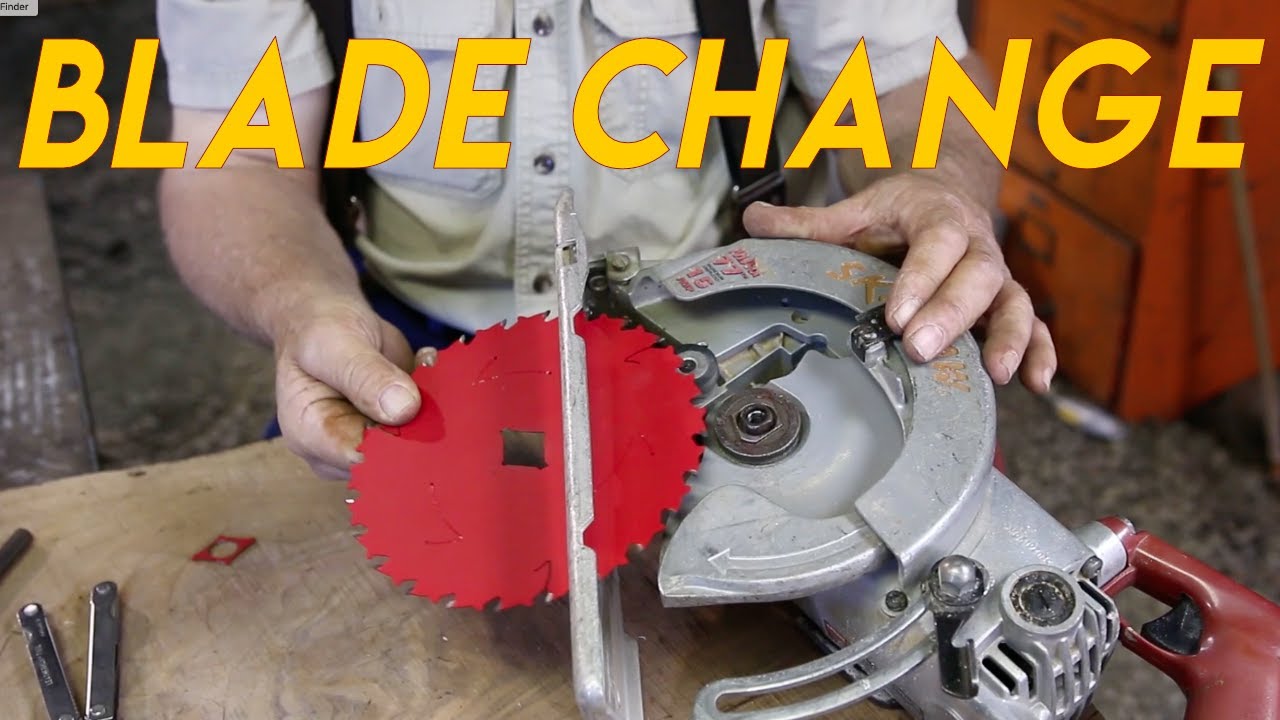
How To Change A Blade On A Skil Saw: Step-by-Step Guide
Can you change a blade on a Skil saw? Absolutely! It’s a straightforward process that most DIYers and professionals can accomplish with a little guidance. This comprehensive guide will walk you through how to change a blade on your Skil saw, ensuring a safe and efficient blade swap. We’ll cover everything from preparation to tightening the new blade, making the process of changing a Skil circular saw blade simple and effective.
Preparing for Your Skil Saw Blade Swap
Before you even think about touching your Skil saw, proper preparation is key to a safe and successful blade change. This involves gathering the necessary tools and ensuring your saw and workspace are ready.
Essential Tools for Changing a Skil Saw Blade
Having the right tools on hand makes the process of replacing a Skil saw blade much smoother. Here’s what you’ll likely need:
- Your Skil Saw: Of course, this is the main event!
- New Skil Saw Blade: Ensure you have the correct blade for your saw model and the type of material you’ll be cutting.
- Skil Saw Blade Wrench (Spanner Wrench): Most Skil saws come with a specialized wrench designed to fit the arbor nut. If you’ve lost yours, you can usually find replacements at hardware stores or online.
- Safety Glasses: Eye protection is non-negotiable when working with power tools.
- Work Gloves: These provide a better grip and protect your hands from sharp edges.
- Clean Rag or Brush: For cleaning debris around the blade area.
- Compressed Air (Optional): Useful for blowing away sawdust and debris.
Safety First: Crucial Precautionary Measures
Safety should always be your top priority when performing any maintenance on your power tools. Here are the most important safety steps before you begin a Skil circular saw blade change:
- Disconnect Power: ALWAYS unplug the Skil saw from the power outlet before attempting to change the blade. If it’s a cordless saw, remove the battery pack. This is the single most important safety step.
- Let the Blade Cool: If the saw was recently used, the blade will be hot. Allow it to cool down completely to avoid burns.
- Clear Your Workspace: Ensure your work area is clean, well-lit, and free of clutter. Remove any flammable materials.
- Wear Appropriate PPE: Don your safety glasses and work gloves.
Step-by-Step Guide: How to Change a Skil Saw Blade
Now that you’re prepared and have safety covered, let’s get to the actual process of changing your Skil saw blade. This detailed guide will make the Skil saw blade swap easy.
Step 1: Locating the Blade Locking Mechanism
Most Skil circular saws have a mechanism to lock the blade arbor, preventing the blade from spinning while you loosen the arbor nut. This is crucial for a safe and efficient Skil saw blade removal.
- Spindle Lock Button: The most common method is a spindle lock button. You’ll usually find a small button or lever on the side of the motor housing, near where the blade is located.
- How to Use It: While looking for the spindle lock, also locate the arbor nut that holds the blade in place.
Step 2: Engaging the Spindle Lock
Once you’ve found the spindle lock button, you’ll need to engage it.
- Press and Hold: Press and hold the spindle lock button firmly. You should feel it click or stay in the depressed position.
- Purpose: This locks the motor shaft, preventing the blade from rotating when you apply force to the arbor nut.
Step 3: Loosening the Arbor Nut
With the spindle lock engaged, it’s time to loosen the nut that holds the blade.
- Position the Wrench: Place the Skil saw blade wrench onto the arbor nut. Ensure it’s seated securely to prevent slipping.
- Counter-Clockwise Rotation: Arbor nuts are typically tightened with a “righty-tighty, lefty-loosey” (clockwise to tighten, counter-clockwise to loosen) thread. Turn the wrench counter-clockwise to loosen the nut.
- Apply Steady Force: You might need to apply a bit of firm, steady pressure. If the nut is very tight, you can try gently tapping the end of the wrench with the palm of your hand or a rubber mallet (use caution to avoid damaging the saw).
- Fully Remove the Nut: Continue turning the wrench until the arbor nut is completely loosened and can be removed by hand. Keep the nut safe, as you’ll need it for the new blade.
Step 4: Removing the Old Skil Saw Blade
With the arbor nut removed, you can now take off the old blade.
- Identify Blade Direction: Before removing the blade, take note of the direction the teeth are pointing. This is important for installing the new blade correctly. Most blades have an arrow indicating the direction of rotation.
- Remove the Blade: Gently pull the old blade away from the saw. It might be slightly stuck due to sawdust or resin buildup.
- Inspect the Arbor: Briefly inspect the saw’s arbor (the shaft the blade mounts on) for any damage or excessive debris.
Step 5: Cleaning the Blade Area
A clean workspace for the new blade ensures optimal performance and longevity.
- Remove Debris: Use a clean rag or a brush to wipe away any sawdust, wood chips, or other debris from the arbor, the blade guard, and the blade seating area.
- Compressed Air (Optional): If you have compressed air, a quick blast can effectively remove stubborn dust.
Step 6: Installing the New Skil Saw Blade
Now it’s time for the Skil saw blade installation. This is essentially the reverse of removal, with a crucial detail about blade orientation.
- Check Blade Direction: Examine your new Skil saw blade for an arrow indicating the direction of rotation. This arrow should point in the same direction as the teeth on the old blade pointed. Typically, the teeth should be pointing forward, in the direction of the saw’s movement when cutting.
- Align with Arbor: Carefully slide the new blade onto the saw’s arbor, aligning the center hole of the blade with the arbor shaft.
- Seat the Blade: Ensure the blade is seated flush against the inner flange (the part of the saw that the blade rests against).
Step 7: Reinstalling and Tightening the Arbor Nut
This step is critical for ensuring the blade is securely attached and won’t come loose during operation. This is where proper Skil saw blade tightening comes into play.
- Place the Arbor Nut: Screw the arbor nut back onto the arbor by hand. Turn it clockwise until it’s snug.
- Engage Spindle Lock: Press and hold the spindle lock button again.
- Tighten the Nut: Place the wrench onto the arbor nut and tighten it firmly in a clockwise direction. You want it to be snug, but avoid overtightening, which can damage the threads or the blade. A good rule of thumb is to tighten it until you feel significant resistance, and then give it a firm final turn.
- Release Spindle Lock: Once the nut is tightened, release the spindle lock button.
Step 8: Final Checks
Before you plug your saw back in or reinsert the battery, do a quick final check.
- Blade Security: Gently try to wiggle the blade. It should be held firmly in place and not move independently of the arbor.
- Guard Functionality: Make sure the blade guard moves freely and retracts properly.
Choosing the Right Skil Saw Blade
The type of blade you use significantly impacts the quality of your cuts and the efficiency of your work. Understanding blade types is part of good Skil saw blade maintenance.
Blade Types and Their Uses
Here’s a quick overview of common Skil saw blade types:
| Blade Type | Teeth Count | Primary Use | Cut Quality | Speed of Cut |
|---|---|---|---|---|
| General Purpose | 24-40 | Framing, general construction, softwood, plywood | Good | Fast |
| Fine Finish | 60-80 | Hardwoods, veneered plywood, laminates, trim work, where a smooth finish is key | Excellent | Slower |
| Plywood/Panel | 40-60 | Plywood, particle board, MDF, for a clean, splinter-free cut | Very Good | Moderate |
| Metal Cutting | Various | Thin gauge metal, aluminum, copper, brass (requires specific blade composition) | Varies by metal | Varies |
| Masonry/Concrete | Diamond/Carbide Grit | Concrete, brick, stone, tile (designed for abrasive materials) | Varies by material | Slow |
Key Factors When Selecting a Blade:
- Material: Always match the blade to the material you’re cutting.
- Teeth Count: More teeth mean a smoother, finer cut but slower progress. Fewer teeth mean a faster, rougher cut.
- Blade Diameter: Ensure the blade diameter matches your Skil saw’s specifications.
- Arbor Size: The hole in the center of the blade must match the arbor size of your saw.
Skil Saw Blade Maintenance for Longevity
Proper maintenance extends the life of your Skil saw blade and ensures it performs at its best. This includes proper storage and occasional cleaning.
Storing Your Skil Saw Blades
- Protect from Moisture: Store blades in a dry place to prevent rust.
- Prevent Damage: Keep blades in their original protective sleeves or cases to avoid damaging the teeth.
- Organized Storage: A blade storage rack or a designated toolbox drawer helps keep them organized and safe.
Cleaning Your Skil Saw Blades
Over time, resin and pitch can build up on the blade, reducing its cutting efficiency and potentially causing overheating.
- Resin Remover: Specialized blade cleaners are available at hardware stores.
- DIY Cleaning Solution: A mixture of hot water, dish soap, and a degreaser like Goo Gone or WD-40 can also be effective.
- Process:
- Remove the blade from the saw (following the steps above).
- Soak the blade in the cleaning solution for about 15-30 minutes.
- Use a stiff brush or a brass brush to scrub away residue.
- Rinse the blade thoroughly with clean water.
- Dry the blade completely with a clean rag.
- Apply a light coat of oil or a rust inhibitor to prevent corrosion.
- Reinstall the blade once it’s dry and protected.
Troubleshooting Common Skil Saw Blade Issues
Even with careful maintenance, you might encounter a few common problems when changing or using your Skil saw blades.
Blade Wobble or Vibration
- Cause: The blade might not be properly seated, the arbor nut might be loose, or the blade itself could be warped or damaged.
- Solution:
- Re-tighten the arbor nut, ensuring the spindle lock is engaged.
- Check that the blade is seated flush against the inner flange.
- Inspect the blade for damage or warpage; replace if necessary.
Difficulty Loosening or Tightening the Arbor Nut
- Cause: The nut might be seized due to rust or debris, or the spindle lock might not be fully engaged.
- Solution:
- Ensure the spindle lock button is firmly pressed and holding.
- Try applying a penetrating lubricant to the threads and letting it sit for a few minutes.
- Ensure you are using the correct wrench and applying force in the proper direction.
Blade Not Cutting Straight
- Cause: This could be due to a dull blade, an incorrect blade for the material, or a bent blade.
- Solution:
- Ensure you are using a sharp, appropriate blade for the material.
- Check for any signs of damage or bending on the blade.
- Make sure the saw’s base plate is flat and not damaged.
Frequently Asked Questions (FAQ)
How often should I change my Skil saw blade?
The frequency of blade changes depends on usage. If you notice slower cutting, increased effort required, rougher cuts, or burning of the material, it’s likely time for a new blade. For general carpentry, a blade might last for many projects, while heavy-duty use or cutting abrasive materials will shorten its lifespan.
Can I use a blade from another brand on my Skil saw?
Yes, as long as the blade’s diameter and arbor size match your Skil saw’s specifications. Not all blades are created equal, so while another brand might fit, a quality blade designed for your saw’s power and intended use will provide better results.
What does the arrow on a Skil saw blade mean?
The arrow on a Skil saw blade indicates the direction of rotation. For proper cutting and safety, the teeth should be pointing forward in the direction the saw moves when cutting, and this arrow should align with the direction of the motor’s rotation.
Is it dangerous to change a Skil saw blade?
It can be dangerous if proper safety precautions are not followed. Always unplug the saw or remove the battery before starting. Ensure the blade is cool and wear safety glasses. When done correctly, changing a Skil saw blade is a safe and manageable task.
How do I know if my Skil saw blade is installed correctly?
After installation, ensure the blade is securely fastened with the arbor nut tightened properly. It should not wiggle or spin freely on the arbor. The teeth should be facing the correct direction for cutting, usually forward.