
Can you change a chainsaw chain yourself? Yes, you can absolutely change a chainsaw chain yourself with a few simple tools and a bit of guidance. Learning how to change a chainsaw chain is a key part of chainsaw maintenance, helping you avoid chainsaw cutting issues and maintain chainsaw power loss. This guide will walk you through the process, making chainsaw chain replacement straightforward. We’ll cover everything from preparing your chainsaw to ensuring your new saw chain adjustment is perfect.
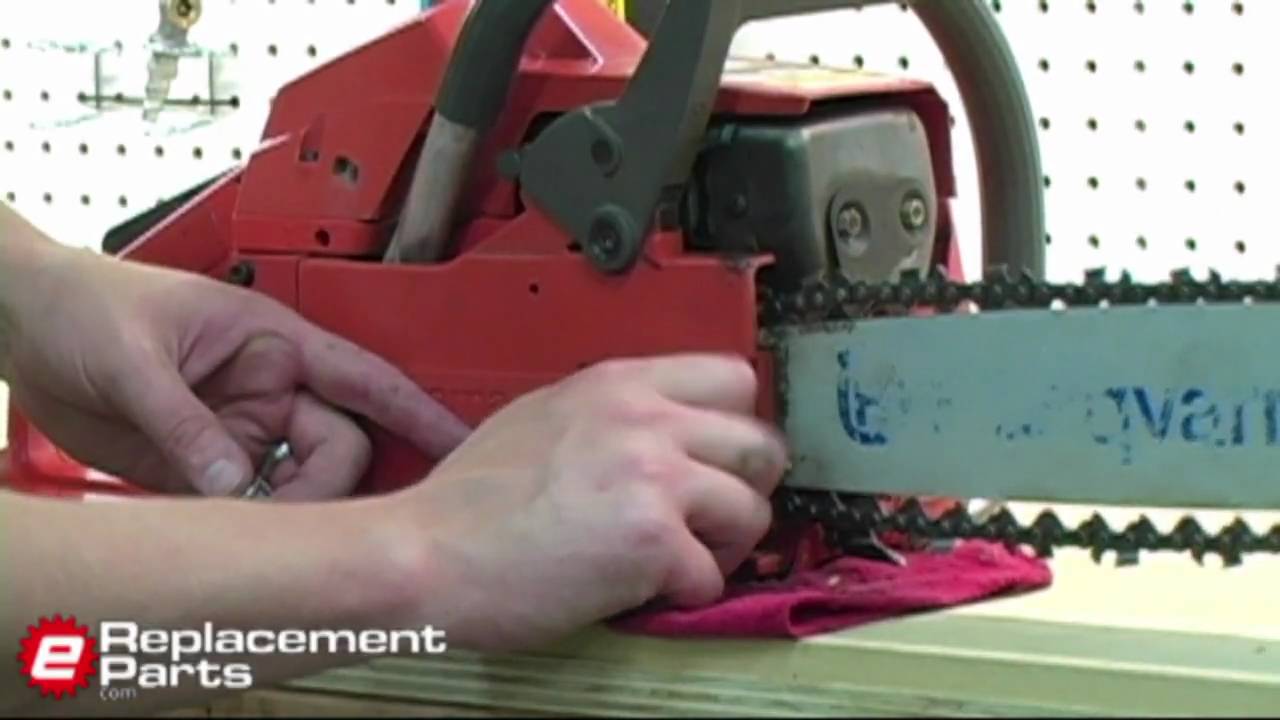
Image Source: i.ytimg.com
Why Change Your Chainsaw Chain?
A dull or damaged chainsaw chain can cause a range of problems. You might notice chainsaw cutting issues, like the saw wandering or requiring excessive force to cut through wood. This inefficiency can lead to chainsaw power loss, as the engine has to work harder. Often, these problems stem from a worn-out chain or a chain that needs sharpening. Regular chainsaw maintenance includes checking your chain’s condition. If it’s visibly damaged, kinked, or has broken teeth, chainsaw chain replacement is essential for safety and performance. Even if the chain isn’t damaged, if it’s frequently needing sharpening and still not cutting well, it’s time for a new one.
What You’ll Need for Chainsaw Chain Replacement
Gathering the right tools before you start makes the process much smoother. You’ll need a few specific items to ensure you can safely and effectively change your chainsaw chain.
Essential Tools and Supplies:
- New Chainsaw Chain: Ensure it’s the correct size and type for your chainsaw. Check your chainsaw’s manual or the old chain for specifications like pitch, gauge, and drive link count.
- Chainsaw Bar: While not always needed, sometimes the bar might also need replacing or cleaning.
- Scrench or Socket Wrench: This is the universal tool often supplied with chainsaws for adjusting the bar nuts and chain tension.
- Gloves: Thick work gloves protect your hands from sharp edges and prevent cuts.
- Safety Glasses: Essential for protecting your eyes from flying debris.
- Rag or Cloth: For cleaning the bar groove and surrounding areas.
- Owner’s Manual: Always a good reference for specific details about your chainsaw model.
Step-by-Step Guide to Chainsaw Chain Replacement
Changing a chainsaw chain might seem daunting, but it’s a manageable task when broken down into simple steps. Following this guide will help you complete the chainsaw chain replacement efficiently and correctly.
Step 1: Safety First – Prepare Your Chainsaw
Before you do anything, ensure your chainsaw is safe to handle.
- Turn Off the Engine: Make sure the chainsaw is completely switched off.
- Engage the Chain Brake: This prevents accidental chain movement.
- Place on a Stable Surface: Work on a flat, firm area to prevent the chainsaw from moving.
- Allow to Cool: If the chainsaw has been running, let the engine and chain cool down. The chain can get very hot.
Step 2: Access the Chain and Bar
You need to remove the clutch cover (also called the bar nut cover or side cover) to get to the chain.
- Locate the Bar Nuts: These are the nuts that hold the clutch cover and bar in place. They are usually two or three large nuts.
- Loosen the Bar Nuts: Use your scrench or socket wrench to loosen these nuts. You don’t need to remove them completely yet, just loosen them enough to slide the cover off.
Table: Types of Chainsaw Fasteners
| Fastener Type | Description | Tools Required |
|---|---|---|
| Standard Nuts | Two or three nuts directly visible on the outside of the clutch cover. | Scrench or Socket Wrench |
| Tensioning Screw | Some chainsaws have a separate tensioning screw on the side or front of the bar, accessible with a screwdriver. | Screwdriver (Phillips/Flat) |
| Combined Systems | Many modern chainsaws combine bar nut loosening and chain tensioning into one or two easily accessible points. | Scrench/Socket Wrench |
Step 3: Remove the Old Chain
With the clutch cover loosened, you can now remove the old chain.
- Remove the Clutch Cover: Once the bar nuts are loose, slide the clutch cover off.
- Carefully Slide Off the Old Chain: The chain will be around the sprocket and the guide bar. Gently pull the old chain off the guide bar and the drive sprocket. Be mindful of the sharp teeth.
Step 4: Inspect the Guide Bar and Sprocket
This is a good opportunity for a quick inspection and cleaning.
- Check the Guide Bar Groove: Look for any debris, sawdust, or metal shavings lodged in the groove where the chain runs. Use your rag or a small tool to clean it out. A clean groove ensures proper chainsaw chain lubrication.
- Examine the Bar Rails: Ensure the rails are not damaged or worn unevenly. If they are, you might need to consider replacing chainsaw blade (which refers to the guide bar in this context) as well.
- Inspect the Sprocket: Check the teeth on the drive sprocket for wear or damage. Worn sprocket teeth can cause the new chain to slip or wear out prematurely. If the sprocket is worn, it’s best to replace it too.
Step 5: Fit the New Chain
Now, it’s time to put on the new chain.
- Position the New Chain: Place the new chain around the drive sprocket. The drive links (the smaller tabs on the bottom of the chain loop) should fit into the sprocket’s teeth.
- Lay the Chain in the Bar Groove: Carefully lay the chain into the groove of the guide bar, making sure the drive links are seated properly in the bar’s groove.
- Align the Chain: Ensure the chain is laid out correctly, with all drive links in the groove and the cutting teeth facing the right direction. The cutting teeth should point forward on the top of the bar, away from the handle.
Key Point: Chain Orientation
Incorrectly oriented chains are a common mistake. The angled part of the cutting teeth should always face the direction of normal cutting motion. On the top of the bar, this means the teeth point away from the chainsaw body.
Step 6: Reattach the Clutch Cover and Tension the Chain
This step involves putting everything back together and setting the correct tension.
- Slide the Clutch Cover Back On: Carefully position the clutch cover back onto the chainsaw, ensuring the chain remains in the groove and around the sprocket.
- Start the Bar Nuts: Thread the bar nuts back on by hand to avoid cross-threading.
- Initial Tensioning: Tighten the bar nuts slightly to hold the cover in place. Now, you need to adjust the chain tension. Most chainsaws have a tensioning mechanism, often a screw located near the guide bar on the clutch cover or the bar itself.
- Using the Tensioning Screw: Rotate the tensioning screw clockwise to tighten the chain.
- How to Tension Chainsaw Chain: The correct tension is crucial. The chain should be snug but still able to be pulled around the bar by hand. It shouldn’t sag, and there should be no slack visible on the top of the bar. A common test is to pull the chain; it should move freely without binding. When you pull the chain away from the bar, the drive teeth should just barely stay engaged in the bar groove. If you can see daylight between the chain and the bar, it’s too loose.
Table: Checking Chain Tension
| Test Description | Ideal Result | Too Loose Indication | Too Tight Indication |
|---|---|---|---|
| Pull chain by hand along the top of the bar. | Chain moves smoothly without binding. | Chain sags significantly; drive teeth can lift off bar groove. | Chain is very difficult or impossible to move by hand. |
| Pull chain away from the bar on the top side. | Drive teeth stay engaged with the bar groove; minimal or no gap visible. | A clear gap appears; drive teeth detach from the bar. | Chain is unyielding; cannot be pulled away from the bar. |
| After a few minutes of cutting, check chain tension again. | Tension remains consistent. | Chain sags; adjust as needed. | Chain tightens further; may indicate improper fit. |
Step 7: Final Tightening and Testing
Once you’ve achieved the right tension, finalize the assembly.
- Fully Tighten Bar Nuts: Use your scrench or socket wrench to tighten the bar nuts securely. Make sure they are snug to prevent the cover from coming loose during operation.
- Check Tension Again: After tightening the bar nuts, give the chain another spin by hand to ensure it still moves freely. Sometimes, tightening the nuts can slightly alter the tension.
- Test Cut: Start the chainsaw and let it run for a moment. Then, make a test cut. The chain should move smoothly and cut effectively. Listen for any unusual noises.
Maintaining Your Chainsaw Chain and Bar
Proper chainsaw maintenance extends the life of your chain and bar and ensures your chainsaw performs at its best.
Chainsaw Chain Lubrication
- Automatic Oiling System: Most chainsaws have an automatic oiler that feeds chainsaw chain lubrication oil to the bar and chain as you cut. Ensure your oil reservoir is filled with the correct type of bar and chain oil.
- Manual Oiling: If your chainsaw doesn’t have an automatic oiler, or if you suspect it’s not working properly, you’ll need to manually oil the chain and bar periodically during use.
- Check the Oil Hole: There’s usually a small hole on the guide bar near the sprocket. Ensure this hole is clear of debris so oil can reach the chain.
Chainsaw Chain Sharpening
- When to Sharpen: A sharp chain cuts efficiently. If you have to force the saw, or if the sawdust looks like coarse powder instead of fine chips, it’s time to sharpen.
- Sharpening Tools: You’ll need a round file of the correct diameter for your chain and a file guide.
- Technique: File each cutting tooth at the recommended angle (usually 25-35 degrees) using consistent strokes.
Table: Signs of a Dull Chain
| Observation | Cause | Solution |
|---|---|---|
| Saw wanders off cut line | Unevenly dulled cutters; possibly a bent tie strap. | Sharpen cutters evenly; check for damage. |
| Requires significant force | Dull cutters; improper chain tension. | Sharpen chain; check and adjust tension. |
| Fine sawdust (powder) | Dull cutters are tearing rather than slicing wood. | Sharpen chain. |
| Smoke while cutting | Dull chain; chain too tight; insufficient lubrication. | Sharpen chain; check tension; check oiler. |
| Chain cutting slowly | Dull cutters. | Sharpen chain. |
Replacing the Guide Bar
Your guide bar can also wear out. Signs include:
- Groove Widening: The groove becomes too wide, making the chain feel loose even when tensioned correctly.
- Burring: Metal shavings build up on the edges of the groove.
- Warping: The bar can bend or twist, especially after heavy use or if overheated.
When you replace the chainsaw bar and chain, always check if the sprocket needs replacing too.
Frequently Asked Questions (FAQ)
Q1: How often should I change my chainsaw chain?
A1: The frequency depends on usage and how well you maintain it. A general guideline is to replace the chain when it becomes dull to the point where sharpening no longer restores its cutting performance, or if you notice visible damage like bent or broken cutters. For occasional use, this might be annually; for heavy use, it could be every few months.
Q2: What does “pitch” and “gauge” mean on a chainsaw chain?
A2: Pitch refers to the distance between the drive links, measured from the first rivet to the third rivet, then divided by two. It’s typically expressed as 3/8 inch or .325 inch. Gauge refers to the thickness of the drive link, which must match the groove width of your guide bar. Common gauges are .050 inch and .058 inch. Using the wrong pitch or gauge can damage your saw.
Q3: Can I sharpen my chainsaw chain myself?
A3: Yes, with the right tools and a little practice, you can sharpen your chainsaw chain yourself. This is a crucial part of chainsaw maintenance to keep your saw cutting efficiently and prevent chainsaw power loss.
Q4: What is the best way to store a chainsaw chain?
A4: Store chains in a clean, dry place. Applying a light coating of oil can help prevent rust. It’s best to store them in their original packaging or a chain case.
Q5: My new chain feels loose after a few cuts, what should I do?
A5: Chains often stretch slightly after the first few uses. This is normal. You need to re-check and adjust the saw chain adjustment and how to tension chainsaw chain properly. Ensure the bar nuts are snug and the tensioning screw is correctly set.
Q6: My chainsaw is smoking when I cut, what could be wrong?
A6: Smoking can indicate a few issues: the chain might be too tight, the chainsaw chain lubrication system might not be working, or the chain is very dull and overheating the bar and chain. Check your chain tension, ensure the oil reservoir is full and the oiler is functioning, and if the chain is still dull, chainsaw chain sharpening or replacement is needed.
Q7: What if my chainsaw chain keeps falling off?
A7: This usually means the chain is too loose, or the guide bar groove is too wide due to wear. Re-tension the chain carefully, ensuring it meets the correct tension requirements. If the problem persists, inspect your guide bar for wear and consider replacing the chainsaw bar and chain assembly.
By following these steps, you can confidently change your chainsaw chain, ensuring your saw is always ready for the job. Proper maintenance, including regular sharpening and correct tensioning, will keep your chainsaw running smoothly and efficiently, preventing common chainsaw cutting issues and power loss.