
Can you cut firewood without a chainsaw? Yes, you absolutely can cut firewood without a chainsaw, and with the right tools and techniques, it can be a very efficient and rewarding process. This guide will walk you through the essential methods for firewood processing using hand tools, ensuring you can prepare your fuel even if a powered option isn’t available or desired.
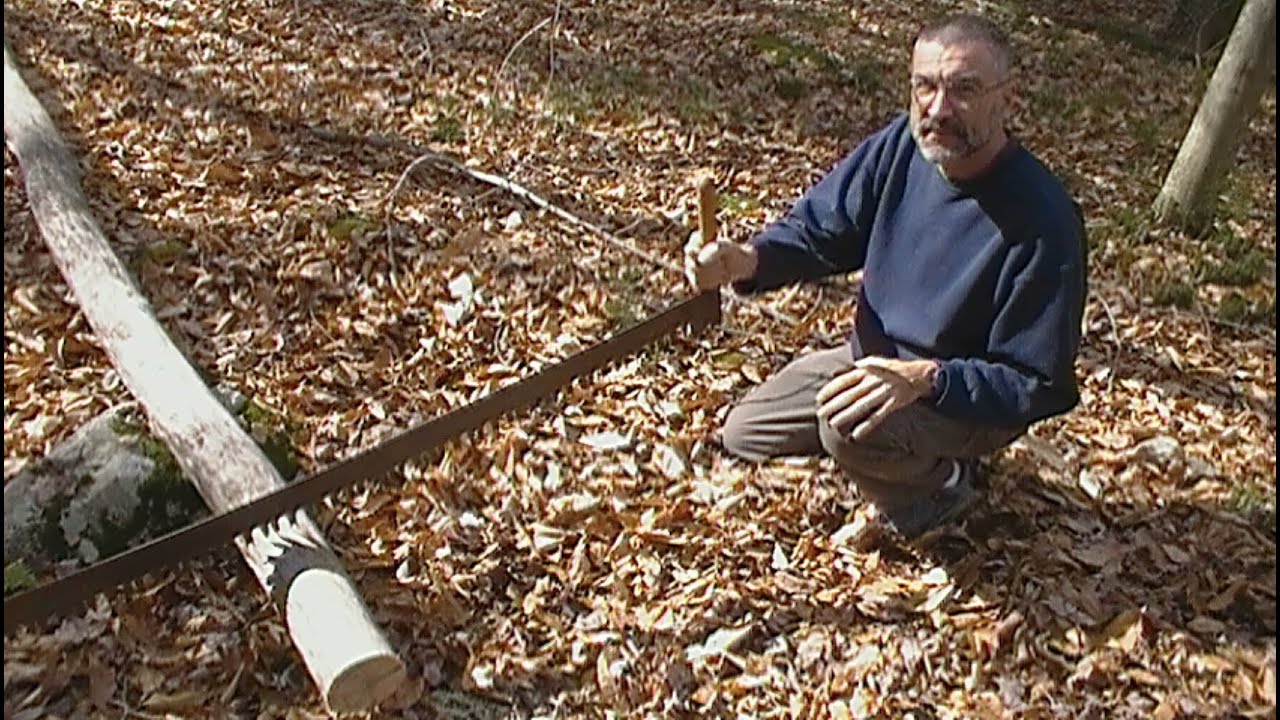
Image Source: i.ytimg.com
Preparing Your Woodpile: A Foundation for Success
Before you even pick up a tool, proper preparation is key to making firewood cutting manageable and safe. This involves understanding your wood source, gathering the necessary equipment, and ensuring your workspace is ready for action.
Sourcing Your Wood: What to Look For
The type and condition of the wood you choose will significantly impact how easy or difficult your firewood processing will be.
- Seasoned Wood: Always aim for seasoned wood. This means the wood has been cut and split, then left to dry for at least six months, ideally a year or more. Green wood is much harder to cut and will not burn well. It will crackle and smoke excessively, producing less heat and more creosote.
- Species Matters: Different wood species have different densities and hardness. Hardwoods like oak, maple, and ash are excellent for burning, providing long-lasting heat. However, they are also denser and tougher to cut by hand. Softer woods like pine, poplar, and fir are easier to cut but burn faster and produce less heat. For hand tool work, starting with softer woods can be a good way to build your skills and stamina.
- Branch Size: For hand tool firewood processing, smaller diameter logs and branches are much more manageable. Anything over 6-8 inches in diameter will become increasingly challenging to cut with hand tools. Focus on limbs and smaller trees that fall within this range.
Essential Tools for Hand Sawing and Splitting
Gathering the right equipment is crucial for efficient and safe firewood cutting. While a chainsaw is powerful, a well-maintained set of hand tools can get the job done effectively.
The Mighty Axe: Your Primary Cutting Tool
The axe is indispensable for firewood processing without a chainsaw. There are several types of axes, each suited for different tasks.
- Felling Axe: This is designed for cutting down trees. It has a relatively sharp, curved blade that is thinner behind the cutting edge. While it can be used for bucking (cutting logs into shorter lengths), it’s not its primary purpose.
- Splitting Axe/Maul: This is your workhorse for splitting logs. A splitting maul has a heavier head, often wedge-shaped, designed to drive through wood fibers. A splitting axe is similar but may have a slightly less aggressive wedge.
- Hand Axe: A smaller, lighter axe that’s good for clearing brush or very small branches. It’s not practical for substantial log cutting.
Table 1: Axe Types and Their Uses
| Axe Type | Primary Use | Blade Shape | Weight (Typical) |
|---|---|---|---|
| Felling Axe | Cutting down trees, bucking | Curved, relatively thin behind the edge | 3-5 lbs |
| Splitting Maul | Splitting logs | Wedge-shaped, heavy head | 4-8 lbs |
| Splitting Axe | Splitting logs (often lighter than maul) | Wedge-shaped, but can be less aggressive | 3-6 lbs |
| Hand Axe | Clearing small brush, light chopping | Smaller, often more symmetrical head | 1.5-3 lbs |
The Hand Saw: For Precise Bucking
While an axe can chop through wood, a good hand saw offers more control and precision, especially for cutting logs into specific lengths.
- Hand Saw (Crosscut Saw): For firewood processing, you’ll want a sturdy hand saw, ideally a crosscut saw. These have teeth designed to cut across the grain of the wood. Look for saws with larger teeth for faster cutting through thicker material. The length of the saw is also important; longer saws (24-30 inches) can provide more leverage.
- Bow Saw: A bow saw uses a thin, replaceable blade held taut by a frame. They are very effective for cutting smaller to medium-sized logs and branches, offering good control and a clean cut.
Other Essential Gear
- Safety Glasses: Protect your eyes from flying wood chips and dust.
- Work Gloves: Protect your hands and improve your grip.
- Sturdy Footwear: Steel-toed boots are recommended for maximum protection.
- Wedge and Club/Sledgehammer: Essential for efficient log splitting with a splitting axe or maul.
- Sharpening Tools: A file and stone are critical for maintaining sharp edges on your axe and saw.
Setting Up Your Workspace
Choose a clear, level area for your firewood processing. Ensure there are no obstacles or tripping hazards. This is not only for efficiency but crucially for safety. You don’t want to be swinging an axe or sawing near anything that could be damaged or cause you to lose your balance.
The Art of Hand Sawing: Cutting Logs to Size
Bucking, or cutting logs into manageable lengths, is the first step in processing your firewood. When you don’t have a chainsaw, a hand saw is your best friend for this.
Technique for Using a Hand Saw
- Secure the Log: Place the log on a stable surface. A sawhorse or a couple of sturdy blocks of wood can elevate the log, making it easier to cut and preventing the saw blade from binding. Ensure the log won’t roll.
- Position Yourself: Stand comfortably with your feet shoulder-width apart. Grip the saw handle firmly.
- Start the Cut: Place the saw blade on the log where you want to cut. Apply gentle downward pressure and make a few short, back-and-forth strokes to create a small groove, or kerf. This groove helps guide the saw and prevents it from skipping.
- Sawing Motion: Once the kerf is established, start sawing with long, smooth strokes. Apply steady, even pressure on both the push and pull strokes if using a double-edged crosscut saw. If using a bow saw, use longer strokes, allowing the weight of the saw and your body to do most of the work. Let the saw do the cutting; forcing it will only tire you out and potentially damage the blade.
- Keep it Straight: Try to keep the saw blade perpendicular to the log to ensure a clean cut and prevent binding. If the log starts to pinch the blade, you might need to adjust its position or use a wedge to open the cut slightly.
- Finishing the Cut: As you get close to cutting through the log, be mindful of the weight of the piece you’re cutting off. It could fall and cause the remaining part of the log to pinch the saw blade. Support the piece you are cutting as you finish to prevent this.
Tips for Efficient Hand Sawing
- Sharpness is Key: A dull saw will make the job incredibly difficult and frustrating. Keep your saw blade sharp using a file.
- Correct Angle: Experiment to find the most comfortable and effective angle for your strokes.
- Breaks: Hand sawing is physical work. Take breaks when you need them to avoid fatigue.
Mastering the Axe: Splitting Firewood Effectively
Once your logs are bucked into manageable lengths, the next step is log splitting. This is where the axe and its companions shine.
Choosing the Right Splitting Tool
- Splitting Maul: This is ideal for most splitting tasks. Its weight and wedge shape are designed to split wood efficiently.
- Splitting Axe: A good alternative, especially if you prefer a slightly lighter tool.
The Process of Log Splitting
- Secure the Log: Place the log to be split on a stable, flat surface. A large, sturdy chopping block is perfect for this. Ensure the log is stable and won’t roll or shift during splitting. The ideal height for your chopping block is typically around knee-height, but adjust based on your comfort and the log size.
- Identify the Grain: Look for natural cracks or seams in the wood. These are often the easiest places to start splitting. Aim for the center of the log.
- Grip and Stance:
- For a Splitting Maul: Grip the maul handle firmly with one hand near the head and the other hand at the end of the handle. This provides maximum leverage and power.
- For a Splitting Axe: You can grip it similarly, or as you would a felling axe, depending on the weight and your preference.
- Stance: Stand with your feet shoulder-width apart, facing the log. You want to be close enough that the maul head will strike the center of the log with a full swing, but far enough back to avoid hitting the log with the handle.
- The Swing:
- Bring the maul or axe up in a controlled, smooth arc. Use your body’s momentum, not just your arms.
- Focus your eyes on the point where you want to strike the log.
- As you swing down, bring your top hand down the handle to meet your bottom hand just before impact. This generates maximum force.
- Impact and Follow-Through:
- Strike the log squarely on your target.
- If the wood splits cleanly, great! If not, and the axe head is stuck, don’t immediately try to yank it out.
- Using Wedges and a Club/Sledgehammer:
- If the Axe is Stuck: Place a splitting wedge into the crack where your axe is lodged. Use a sledgehammer or club to drive the wedge into the wood. The wedge will force the crack wider, and eventually, the log will split.
- For Tough Wood: If a single swing doesn’t split the log, or if the wood is particularly dense, you can use a wedge from the start. Place the wedge on the end of the log and strike it with a sledgehammer. Continue using wedges, moving them to different points if necessary, to work your way through the log.
- Splitting in Half: Once you’ve split the log in half, you can often split the halves further using just the axe or maul. The natural grain will be more exposed, making subsequent splits easier.
Techniques for Easier Splitting
- Aim for the Center: The center of a log is usually the easiest place to start splitting.
- Follow the Grain: Look for existing cracks or knots. Splitting along the grain is always easier than cutting across it.
- Work Smaller Pieces: If you have a large log, it might be easier to split it into smaller sections first, then split those sections down to firewood size.
- Rotation: Sometimes, rotating the log 90 degrees and splitting from a different angle can help if you’re having trouble.
- Practice: Like any skill, log splitting takes practice. The more you do it, the better you’ll become at judging the wood and executing effective swings.
Maintaining Your Tools: The Key to Longevity and Efficiency
The effectiveness of hand tools for firewood processing relies heavily on their condition, particularly their sharpness.
Axe Sharpening: Keeping Your Edge
A sharp axe is not only safer but also far more effective. A dull axe requires more force, leading to fatigue and an increased risk of glancing blows.
- Assess the Edge: Look for any nicks, dents, or dullness along the cutting edge.
- Using a File: Start with a coarse file to remove any significant damage or to reshape a blunted edge. Hold the file at a consistent angle (usually around 20-25 degrees) against the bevel of the axe head. Use firm, even strokes, moving from the heel of the axe to the tip. File one side until you achieve a uniform bevel, then switch to the other side.
- Using a Sharpening Stone: Once the edge is roughly shaped, move to a finer grit sharpening stone. Use the same technique as with the file, maintaining a consistent angle. Lubricate the stone with water or oil as recommended by the stone manufacturer.
- Stropping (Optional): For a razor-sharp edge, you can finish by stropping the axe on a piece of leather.
- Clean and Test: Wipe the axe head clean. You can test its sharpness by seeing if it can shave thin slivers off a piece of wood. Be cautious when testing.
Important: Always wear gloves and eye protection when sharpening.
Saw Sharpening: Restoring Cutting Power
Keeping your hand saw sharp is equally important for efficient bucking.
- Identify Tooth Type: Crosscut saws have specific tooth patterns that need to be maintained.
- Using a Saw File: You’ll need a triangular file that fits the gullet (the space between teeth) of your saw.
- Setting the Angle: Hold the saw firmly, perhaps clamped in a vise. Identify the correct filing angle by looking at the existing teeth or referring to your saw’s instructions.
- Filing Each Tooth: File each tooth in succession, using the same number of strokes and the same pressure for each. Move the file from the gullet towards the tip of the tooth.
- Jointing (If Necessary): If teeth are uneven, you may need to “joint” them by filing the very top of all the teeth down to the lowest point, creating a flat surface. Then, re-sharpen each tooth individually.
- Setting the Teeth: After sharpening, the teeth might need to be “set” – bent slightly outwards. This creates a wider kerf than the blade, preventing it from binding in the wood. A saw set tool is used for this.
Tip: Many resources are available online and in libraries detailing specific saw sharpening techniques for different tooth patterns.
Safety First: Every Step of the Way
Working with axes and saws, even by hand, carries inherent risks. Prioritizing safety will prevent injuries and ensure your firewood processing is a successful endeavor.
General Safety Guidelines
- Wear Appropriate Gear: Always wear safety glasses, sturdy footwear (steel-toed boots recommended), and work gloves. Consider hearing protection if you anticipate very heavy use.
- Clear the Area: Ensure your workspace is free of debris, people, and pets. Have a clear strike zone for your axe and a clear path for your saw.
- Know Your Limits: Hand-cutting firewood is strenuous. Take frequent breaks. Don’t push yourself to exhaustion, as fatigue leads to mistakes.
- Sharp Tools are Safer: This cannot be stressed enough. Sharp tools cut more easily and predictably, reducing the risk of slipping or requiring excessive force.
- Secure Your Workpiece: Ensure logs are stable and won’t roll or shift unexpectedly.
- Mind Your Swing: When using an axe or maul, be aware of your surroundings. Ensure no one is behind you or in the path of your swing. Maintain a balanced stance.
- Never Hack: Aim for controlled, deliberate swings. Avoid wild, uncontrolled hacking.
- Be Aware of Kickback (with Saws): While less of an issue with hand saws than chainsaws, be aware that if a saw blade binds in the wood, it can jolt backwards.
- Proper Lifting: When moving logs, lift with your legs, not your back. If a log is too heavy, break it down further or get help.
- First Aid: Keep a well-stocked first-aid kit readily accessible.
Frequently Asked Questions (FAQ)
Q1: What kind of wood is easiest to split by hand?
Softer woods like pine, poplar, and fir are generally easier to split by hand than hardwoods like oak, maple, or ash. Green wood is also much harder to split than seasoned wood.
Q2: How long does it take to cut firewood by hand?
The time it takes to cut firewood by hand depends on several factors, including the size and type of wood, the tools you’re using, your skill level, and your physical condition. It’s a significantly more time-consuming process than using a chainsaw, but it can be very satisfying. For a cord of wood, expect it to take many hours, potentially spread over several days.
Q3: Is it safe to cut firewood without a chainsaw?
Yes, it is safe to cut firewood without a chainsaw, provided you use the correct tools, proper techniques, and prioritize safety. Always wear protective gear, ensure your workspace is clear, and maintain your tools in good condition.
Q4: How do I deal with knots in the wood when splitting?
Knots are tough spots that can make splitting difficult. If you encounter a knot, try using a wedge and sledgehammer. Sometimes, hitting the knot directly with a splitting maul can work, but it requires precision. Splitting around the knot, or starting your split from the opposite side of the log, can also be effective.
Q5: What is the best way to store cut firewood?
Store firewood off the ground, ideally in a well-ventilated area. A simple wood rack or a stack on pallets works well. Covering the top of the stack can protect it from rain and snow, but ensure the sides are open to allow air circulation for drying.
Q6: Can I use a bow saw for larger logs?
A bow saw is excellent for smaller to medium-sized logs (up to about 6-8 inches in diameter). For larger logs, a longer crosscut saw or an axe might be more efficient. The key is to match the tool to the size of the wood.
By following these detailed steps and prioritizing safety, you can effectively cut and split firewood without relying on a chainsaw, ensuring a warm and cozy home with your own hand-processed fuel.