
Can you cut Perspex with a jigsaw? Yes, you absolutely can! Cutting Perspex (also known as acrylic) with a jigsaw is a common and effective method for achieving clean cuts and smooth results, provided you use the right techniques and tools. This guide will walk you through everything you need to know for successful Perspex cutting.
Perspex, with its clarity and versatility, is a popular material for a wide range of projects, from custom enclosures and display cases to DIY crafts and signage. While it can be cut with various tools, a jigsaw offers a good balance of precision and accessibility for many DIY enthusiasts. This comprehensive guide will delve into the specifics of using a jigsaw for acrylic, providing you with a detailed perspex cutting guide to ensure you achieve the best possible outcome. We’ll cover everything from selecting the right jigsaw blade for plastic to mastering the jigsaw technique acrylic for smooth perspex cuts.
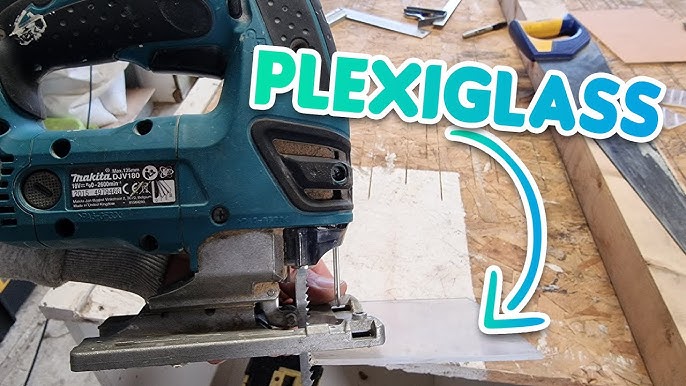
Image Source: i.ytimg.com
Selecting Your Jigsaw for Acrylic
Not all jigsaws are created equal when it comes to working with acrylic. The key to success lies in choosing the right tool and, more importantly, the right blade.
The Ideal Jigsaw for Acrylic
When choosing a jigsaw for acrylic, look for a model with variable speed control. This feature is crucial because acrylic can melt and gum up if cut too slowly or if excessive heat is generated. A slower speed setting allows you to control the cutting process more effectively, minimizing the risk of melting.
- Variable Speed Control: This is non-negotiable. It allows you to adjust the speed to match the material and your cutting style.
- Orbital Action: While some jigsaws have orbital action (where the blade moves forward and backward as well as up and down), it’s often best to turn this off or set it to its lowest setting when cutting acrylic. Excessive orbital action can lead to chipping and a rougher cut.
- Corded vs. Cordless: Both can work. Corded jigsaws offer consistent power, while cordless ones provide greater mobility. Ensure your cordless tool has enough power for consistent cutting.
The Crucial Jigsaw Blade for Plastic
The jigsaw blade for plastic is arguably the most critical component. Using the wrong blade will result in jagged edges, melting, and frustration.
Blade Types and Tooth Configuration
For cutting acrylic sheet, you want blades designed for plastics or fine-tooth wood blades.
- Fine-Tooth Blades: Blades with a higher tooth count (more teeth per inch) are generally better for plastics. This is because they create smaller chips, leading to a cleaner cut and less heat buildup. Look for blades with teeth that are sharp and have a positive rake angle.
- Specialized Plastic Blades: Many manufacturers offer blades specifically designed for cutting plastic. These often have a “skip-tooth” design, meaning there are gaps between sets of teeth. This design helps to clear material and prevent clogging, leading to smoother cuts.
- Blade Material: Blades made from HCS (High Carbon Steel) are usually suitable for softer plastics, while HSS (High-Speed Steel) or bi-metal blades are better for harder materials like thicker acrylic.
Recommended Blade Specifications
| Blade Type | Tooth Count (TPI) | Recommended For | Considerations |
|---|---|---|---|
| Fine-Tooth Wood | 10-20 TPI | Thin to medium thickness acrylic | Can melt if speed is too high; less aggressive chipping |
| Skip-Tooth Wood | 6-10 TPI | Medium to thicker acrylic, faster cutting | Good chip clearance, can be slightly rougher on edges |
| Specialized Plastic | Varies | All types of acrylic, engineered for plastic cutting | Often have polished or PTFE coatings for less friction |
Important Tip: Always test a new blade on a scrap piece of acrylic before starting your main project.
Preparing for Safe Perspex Cutting
Safe perspex cutting is paramount. Acrylic can splinter, and power tools always require respect. Proper preparation will not only ensure your safety but also the quality of your cut.
Workspace Setup
- Stable Surface: Ensure your workspace is clean, well-lit, and provides a stable surface for both you and the acrylic sheet.
- Support the Material: Acrylic can flex and break under its own weight, especially during cutting. You need to support the sheet properly to prevent stress on the cutting line. Use sawhorses, a workbench, or even scrap wood pieces to support the acrylic on either side of your cut line, leaving only the cutting area unsupported. This is a critical step for safe perspex cutting.
- Clamping: Securely clamp the acrylic sheet to your workbench or sawhorses. Use C-clamps or bar clamps, and place a piece of scrap wood or cardboard between the clamp jaw and the acrylic to prevent marring the surface.
Personal Protective Equipment (PPE)
Your safety should always come first.
- Safety Glasses: Essential to protect your eyes from flying debris. Acrylic can shatter or splinter.
- Gloves: Work gloves can provide a better grip and protect your hands from sharp edges.
- Dust Mask: While acrylic doesn’t produce toxic fumes like some other plastics, fine dust particles can still be generated. A dust mask is recommended, especially for prolonged cutting.
- Hearing Protection: Jigsaws can be noisy. Earplugs or earmuffs are advisable.
Protecting the Acrylic Surface
Acrylic surfaces scratch easily.
- Keep the Protective Film: Most acrylic sheets come with a protective film (paper or plastic) on both sides. Keep this film on for as long as possible. It will help prevent scratches during handling and cutting.
- Marking Your Cut Line: Use a fine-tip permanent marker or a grease pencil on the protective film to mark your cut line. This avoids scratching the acrylic itself.
The Cutting Process: Step-by-Step
Now that you’re prepared, let’s get to the actual cutting. This perspex cutting guide will detail the steps for a clean result.
Marking and Planning Your Cut
- Measure Twice, Cut Once: Accuracy is key. Double-check all your measurements.
- Marking the Line: Draw your cut line clearly on the protective film. If you need to make a very precise cut, you can consider scoring perspex before cutting.
Scoring Perspex Before Cutting
Scoring perspex before cutting can be beneficial for straight cuts, especially with thinner acrylic.
- Use a Scoring Tool: A utility knife with a sharp blade or a specialized plastic scoring tool works well.
- Draw a Straight Line: Use a metal ruler as a guide.
- Score Repeatedly: Apply firm, consistent pressure and score along the line multiple times (5-10 passes usually suffice). You should feel the tool biting into the material.
- Snap the Acrylic: Carefully place the scored line over the edge of a table or workbench. Apply firm, even pressure downwards to snap the acrylic along the score line. This method is best for long, straight cuts and doesn’t involve a jigsaw. However, for curves or intricate shapes, the jigsaw is your tool.
Setting Up Your Jigsaw
Best Jigsaw Settings Acrylic
Getting the best jigsaw settings acrylic right is crucial for preventing melting and achieving a clean cut.
- Speed: Start with the lowest speed setting on your jigsaw. Gradually increase the speed if the cut is too slow and the blade isn’t making progress, but always err on the side of caution. Listen to the saw and feel the acrylic – if it’s getting too hot, slow down.
- Blade Speed: Aim for a cutting speed that is fast enough to clear chips but slow enough to prevent melting. This often translates to a medium-low setting on your jigsaw’s variable speed dial.
- Orbital Action: Turn OFF orbital action or set it to its lowest setting. This is vital for minimizing chipping and melting.
The Jigsaw Technique Acrylic
Mastering the jigsaw technique acrylic is about control and finesse.
- Stance and Grip: Stand comfortably with a firm grip on the jigsaw. Maintain good balance.
- Start the Cut:
- Plunge Cutting: For cuts starting from the edge of the material, simply position the blade on your line and start the saw.
- Internal Cuts (Plunge Cutting): If you need to make a cut inside the acrylic sheet (e.g., for a hole), you’ll need to drill a pilot hole first. Drill a hole slightly larger than the width of your jigsaw blade at the start of your intended cut line. Then, carefully insert the blade into this hole before starting the saw.
- Follow the Line: Gently guide the jigsaw along your marked cut line. Do not force the saw. Let the blade do the work. The goal is a smooth, continuous motion.
- Maintain Support: Keep the acrylic sheet well-supported as you cut. Ensure the offcut piece is also supported as it begins to separate.
- Manage Heat: If you notice the acrylic melting or gumming up the blade, stop immediately. Clean the blade (once it’s safe to do so), slow down the jigsaw, and consider using a lubricant like a damp cloth or a specialized plastic cutting lubricant (though this can be messy).
- Corners and Curves: For curves, make slow, steady turns. For sharp corners, it’s often better to cut up to the corner, stop the saw, reposition the jigsaw, and then start cutting the next straight section. Trying to force a sharp turn can lead to breaks or rough edges.
- Finishing the Cut: As you approach the end of your cut, ease off the pressure to prevent the piece from breaking off unevenly.
Achieving Smooth Perspex Cuts
The ultimate goal is to achieve smooth perspex cuts. Here are some additional tips for cutting perspex to help you achieve this.
Tips for Cutting Perspex
- Go Slow and Steady: This cannot be stressed enough. Rushing the process is the most common cause of poor results.
- Let the Saw Lead: Don’t push the jigsaw. Guide it gently.
- Keep the Blade Vertical: Ensure the blade remains perpendicular to the acrylic surface throughout the cut. A tilted blade will create an angled cut and can cause stress.
- Cooling: Periodically cleaning the blade with a damp cloth can help prevent heat buildup. For longer cuts, you might consider a spray of water or a dedicated plastic lubricant, but be mindful of electrical safety.
- Backing Material: For very thin acrylic, attaching a layer of masking tape along the cut line on both sides can help reduce chipping and provide support. For thicker acrylic, a sacrificial backing board (like MDF or plywood) clamped underneath can help support the material and reduce tear-out.
Post-Cut Finishing
Once the cut is complete, you’ll likely need to do some finishing work to get those perfectly smooth edges.
- Remove Protective Film: Carefully peel off the protective film.
- Sanding:
- Start with Coarse Grit: Use sandpaper (e.g., 220-grit) to remove any rough edges or burrs. Sand in a consistent direction.
- Progress to Finer Grits: Gradually move to finer grits (e.g., 400, 600, 800, 1000, 1500, 2000 grit). Wet sanding (using water as a lubricant) with very fine grits can help achieve a highly polished edge.
- Sanding Technique: Always sand in the same direction along the edge. When using finer grits, you can start sanding in a circular motion.
- Polishing:
- Buffing Wheel: For a mirror finish, a buffing wheel on a rotary tool or bench grinder can be used with a plastic polishing compound. Be cautious not to overheat the acrylic.
- Flame Polishing: This advanced technique involves a brief pass of a torch flame over the edge to melt and smooth the surface. It requires practice and is not recommended for beginners.
- Plastic Polish: Commercially available plastic polishes can also be used with a soft cloth for a high sheen.
Troubleshooting Common Issues
Even with the best intentions, you might encounter problems. Here’s how to address them.
Melting and Gumming
- Cause: Too much friction, too slow a speed, or the wrong blade.
- Solution: Slow down your jigsaw speed, use a finer-tooth blade, ensure the blade is sharp, and keep the blade clean. Turning off orbital action is also key.
Chipping and Jagged Edges
- Cause: Dull blade, wrong blade type (too coarse), forcing the saw, or inadequate support.
- Solution: Use a sharp, fine-tooth blade designed for plastic. Ensure good support for the acrylic. Guide the saw gently and avoid jerky movements. Consider using masking tape along the cut line.
Cracked or Broken Acrylic
- Cause: Forcing the cut, stress points from inadequate support, or dropping the material.
- Solution: Ensure the acrylic is fully supported. Make slow, steady cuts and avoid sharp turns without stopping and repositioning the saw. Handle the acrylic carefully.
Frequently Asked Questions (FAQ)
What is the best jigsaw blade for cutting acrylic?
The best jigsaw blade for cutting acrylic is typically a fine-tooth blade (10-20 teeth per inch) designed for plastics or a fine-tooth wood blade. Skip-tooth blades can also work well for faster cutting with good chip clearance.
Can I cut thick acrylic with a jigsaw?
Yes, you can cut thick acrylic with a jigsaw, but it requires more care. Use a blade designed for thicker materials or a fine-tooth blade. Slower speeds and good support are even more critical. For very thick acrylic (over 1/2 inch), other tools like a circular saw with a fine-tooth blade might be more efficient.
What speed should I use on my jigsaw for acrylic?
You should use a low to medium-low speed setting on your jigsaw. Always start on the lowest setting and gradually increase if needed, but prioritize preventing melting.
Do I need to lubricate when cutting acrylic with a jigsaw?
While not strictly necessary for all cuts, a lubricant like water or a specialized plastic cutting lubricant can help reduce heat buildup and friction, leading to cleaner cuts, especially on longer or thicker pieces. Be cautious when using liquids around power tools.
How do I get a smooth edge after cutting acrylic with a jigsaw?
Achieving smooth edges involves a combination of careful cutting and post-cut finishing. Use the correct blade and jigsaw settings, guide the saw gently, and then sand the edges with progressively finer grits of sandpaper, followed by polishing if desired.
Conclusion
Cutting Perspex with a jigsaw is an achievable skill with the right knowledge and approach. By selecting the appropriate jigsaw for acrylic, choosing the correct jigsaw blade for plastic, and employing careful jigsaw technique acrylic, you can transform sheets of acrylic into precisely cut pieces for your projects. Remember the importance of safe perspex cutting by using proper PPE and ensuring your material is well-supported. Follow these tips for cutting perspex, and you’ll be well on your way to achieving those desired smooth perspex cuts. With practice and patience, you’ll master this technique and unlock the full potential of working with acrylic.