
Can I replace a home circuit breaker myself? Yes, if you are comfortable with basic electrical safety and follow these steps carefully. Replacing a faulty circuit breaker is a common DIY task for homeowners. Identifying a faulty breaker is the first crucial step. A breaker that frequently trips, sparks, feels hot, or shows signs of damage is likely at fault. While resetting a tripped breaker can provide a temporary fix, persistent tripping indicates a deeper issue. This guide will walk you through the process of DIY circuit breaker replacement safely and effectively, covering everything from recognizing a problem to making the actual swap. We will also touch on electrical panel troubleshooting and what to do if you find yourself needing to know how to replace a breaker box or wiring a new circuit breaker, although these are more advanced tasks.
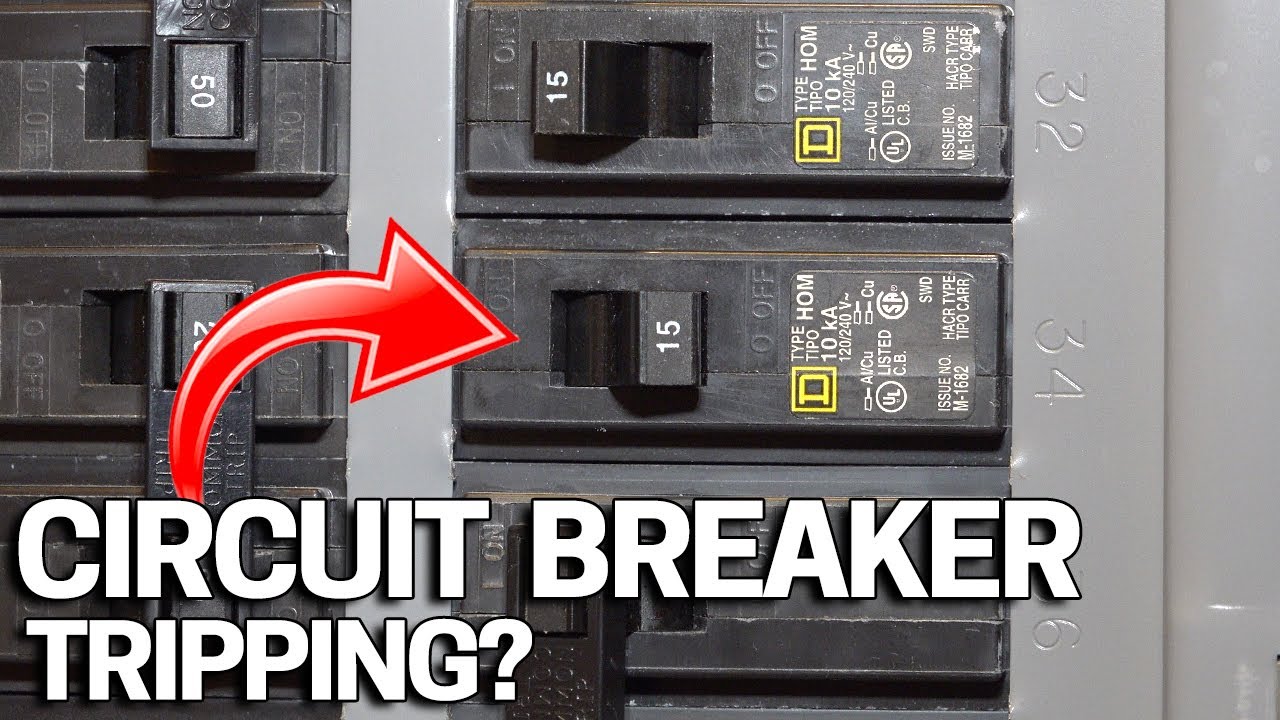
Image Source: i.ytimg.com
Why Replace a Circuit Breaker?
Circuit breakers are essential safety devices in your home. They protect your electrical system and appliances from damage caused by overloads or short circuits. When a breaker “trips,” it means it has done its job, cutting off power to prevent a dangerous situation. However, some breakers can fail over time.
Common reasons for breaker replacement:
- Frequent Tripping: If a breaker keeps tripping even after you’ve addressed the overload, it might be faulty.
- Visible Damage: Signs like scorch marks, melted plastic, or a breaker that feels unusually hot to the touch indicate it needs replacement.
- Intermittent Power: If an outlet or light on a specific circuit flickers or cuts out randomly, the breaker could be the culprit.
- Age and Wear: Like any mechanical device, breakers can wear out. Older homes may have outdated or worn-out breakers that are more prone to failure.
- Upgrading Electrical Capacity: In some cases, you might replace a breaker as part of a larger electrical upgrade to accommodate new appliances or increased power needs, though this often involves more than just a single breaker swap.
Safety First: Essential Precautions for Electrical Work
Working with electricity can be dangerous if not done correctly. Prioritizing safety precautions for electrical work is paramount. Never attempt this if you feel uncomfortable or unsure. If in doubt, call a qualified electrician.
Key safety rules:
- Turn Off Power: Always shut off the main power to your home at the main breaker before starting any work on the breaker panel. Confirm power is off using a non-contact voltage tester.
- Use Insulated Tools: Employ tools with insulated handles to prevent electric shock.
- Wear Safety Gear: Use safety glasses to protect your eyes and wear rubber-soled shoes for better insulation.
- Work in a Dry Environment: Ensure the area around the electrical panel is dry. Water and electricity are a dangerous combination.
- Don’t Rush: Take your time and double-check each step.
- Know Your Limits: If the problem seems complex or you encounter unexpected issues, stop and call a professional.
Tools You’ll Need for DIY Circuit Breaker Replacement
Gathering the right tools before you start will make the process smoother and safer.
- Non-Contact Voltage Tester: Essential for verifying that power is off.
- Screwdriver Set: You’ll likely need Phillips head and flathead screwdrivers of various sizes.
- Wire Strippers/Cutters: For preparing wires.
- Pliers (Needle-nose and Lineman’s): For gripping and manipulating wires.
- Replacement Circuit Breaker: Make sure it’s the correct type and amperage for your panel.
- Safety Glasses: To protect your eyes.
- Work Gloves (Optional but recommended): For better grip and protection.
- Flashlight or Headlamp: To see clearly in the dimly lit panel.
Step-by-Step Guide to Replacing a Circuit Breaker
Now, let’s get into the practical steps for DIY circuit breaker replacement.
Step 1: Turn Off Power to the Entire House
This is the most critical safety step. Locate your main electrical panel, often found in a basement, garage, utility room, or closet.
- Find the main breaker. It’s usually the largest breaker and is often located at the top or side of the panel.
- Flip the main breaker to the “OFF” position. This cuts power to all circuits in your home.
Step 2: Verify Power is Off
Never assume power is off. Use your non-contact voltage tester.
- Carefully open the breaker panel cover.
- Touch the tip of the voltage tester to the screws on the terminals of each breaker, including the main breaker.
- The tester should not light up or make a sound, indicating no power is present. Test the tester on a known live source (like a working outlet) before and after to ensure it’s functioning correctly.
Step 3: Identify the Faulty Breaker
You’ve likely already identified the breaker that needs replacing, perhaps due to frequent tripping. However, visually inspecting it is still wise.
- Look for any visible signs of damage: scorching, melting, or cracks.
- Note the amperage rating (e.g., 15A, 20A) and the brand of the breaker. This is vital for purchasing the correct replacement. You can usually find this information printed on the breaker itself.
Step 4: Find the Right Replacement Breaker
Finding the right replacement breaker is crucial for safety and compatibility.
- Brand Compatibility: Breaker panels are designed for specific brands and types of breakers. Using a breaker from a different manufacturer might not fit correctly or could pose a safety risk. Common brands include Square D, Siemens, Eaton, and GE.
- Amperage Rating: The replacement breaker must have the same amperage rating as the one you are replacing. Using a higher amperage breaker can overload the circuit’s wiring and lead to fires. Using a lower amperage breaker will trip too easily.
- Type of Breaker: Most homes use standard “plug-on” or “snap-on” circuit breakers. However, there are specialized types like AFCI (Arc Fault Circuit Interrupter) or GFCI (Ground Fault Circuit Interrupter) breakers, which offer enhanced protection. Ensure your replacement matches the existing type unless you intend to upgrade.
Step 5: Remove the Faulty Breaker
With the main power off and the faulty breaker identified, you can now remove it.
- Disconnect the Wire: Most breakers have a wire connected to a screw terminal on the breaker.
- Loosen the screw terminal using the appropriate screwdriver.
- Gently pull the wire free from the breaker. Make sure the wire doesn’t fall back into the panel. You can temporarily secure it with electrical tape or a clip if needed.
- Release the Breaker: Circuit breakers “snap” onto a busbar within the panel.
- Locate the lower edge of the breaker where it attaches to the busbar.
- Using a flathead screwdriver or a breaker removal tool, gently pry the bottom of the breaker away from the busbar. It should release with a click.
- Once the bottom is free, tilt the breaker upwards and pull it away from the panel.
Step 6: Install the New Circuit Breaker
Installing the new breaker is essentially the reverse of removal.
- Connect the Wire:
- Strip a small amount of insulation from the end of the wire if necessary, using wire strippers.
- Insert the stripped end of the wire into the terminal screw on the new breaker.
- Tighten the screw firmly, ensuring a secure connection.
- Snap the Breaker into Place:
- Align the top of the new breaker with the busbar in the panel.
- Push the breaker down firmly until it snaps securely into place. You should feel or hear a click.
- Ensure the breaker is aligned correctly with the other breakers and the panel cover.
Step 7: Test the New Breaker
Before restoring power to the whole house, test the newly installed breaker.
- Ensure the new breaker is in the “OFF” position.
- Turn the main breaker back on.
- Now, flip the new breaker to the “ON” position.
- If it stays on without tripping and the circuit it controls now has power, it’s working correctly.
Step 8: Restore Power to the House
Once you’ve confirmed the new breaker is functioning, you can restore power to your entire home.
- Ensure all other breakers are in the “ON” position.
- Flip the main breaker back to the “ON” position.
- Test the outlets and lights on the circuit you replaced the breaker for to confirm everything is working as expected.
Common Issues and Troubleshooting
Even with careful steps, you might encounter some hiccups. Here’s some electrical panel troubleshooting advice.
What if the New Breaker Trips Immediately?
- Overload: The circuit might still be overloaded. Unplug some devices on that circuit and try again.
- Short Circuit: There might be a short circuit in the wiring or a connected appliance. This is a more serious issue.
- Faulty New Breaker: Though less common, the new breaker itself could be defective.
What if the Breaker Won’t Snap into Place?
- Wrong Type/Brand: You might have the wrong type or brand of breaker for your panel. This is a critical safety issue – do not force it.
- Obstruction: Ensure nothing is blocking the busbar where the breaker connects.
- Bent Busbar: The busbar itself might be damaged or bent.
What if Power is Still Out After Replacement?
- Main Breaker: Ensure the main breaker is on.
- Other Breakers: Check if another breaker tripped.
- Wiring Issue: The problem might lie further down the circuit or with the incoming power supply.
Circuit Breaker Types: A Quick Overview
Familiarizing yourself with circuit breaker types can be helpful, especially if you’re considering upgrades or dealing with specific electrical needs.
| Breaker Type | Description | Common Use Cases |
|---|---|---|
| Standard Thermal-Magnetic | The most common type. Trips due to excess current (overload) via a bimetallic strip, or rapid high current (short circuit) via an electromagnet. | General lighting and outlets, most home circuits. |
| AFCI (Arc Fault) | Detects dangerous arcing faults that can occur in wiring due to damaged insulation or loose connections. These arcs can cause fires. | Bedrooms, living rooms, anywhere with potential for hidden wiring damage. Often required by code in new construction. |
| GFCI (Ground Fault) | Detects imbalances in current flow between the hot and neutral wires. This signifies current is leaking to ground (e.g., through a person). | Bathrooms, kitchens, garages, outdoors, laundry areas – anywhere water or moisture is present. |
| Dual-Function AFCI/GFCI | Combines the protection of both AFCI and GFCI breakers in a single unit. | Often used where both types of protection are required or desired for maximum safety. |
| High-Interrupting Capacity | Designed to handle higher fault currents than standard breakers, typically found in homes with higher available fault current. | Less common in standard residential applications, more for industrial or specialized commercial use. |
When to Call a Professional Electrician
While many homeowners can handle a simple breaker replacement, there are situations where professional help is necessary.
- Unsure About the Process: If you have any doubts or feel apprehensive at any stage, it’s best to call an electrician.
- Frequent Tripping Persists: If a new breaker still trips, or if multiple breakers are tripping, there’s likely a significant wiring issue that requires expert diagnosis.
- Signs of Panel Damage: If you notice any corrosion, burning smells, or loose wires inside the panel, do not proceed. This indicates a potentially dangerous situation.
- Breaker Panel Replacement: If your panel is old, corroded, or you need to significantly increase your home’s electrical capacity, you’ll likely need a professional to handle how to replace a breaker box.
- Wiring a New Circuit: If you are wiring a new circuit breaker for a new circuit, this is a more complex task that often requires permits and a deep knowledge of electrical codes.
- Frequent Breaker Failures: If you have multiple breakers fail within a short period, it could indicate a problem with the panel’s busbar or the overall electrical system.
Breaker Replacement Cost Considerations
The breaker replacement cost for a DIY job is minimal, mainly the cost of the replacement breaker itself.
- Cost of a Single Breaker: A standard circuit breaker typically costs between $10 and $30.
- Specialty Breakers: AFCI or GFCI breakers are more expensive, usually ranging from $30 to $70 or more.
- Professional Installation Cost: If you hire an electrician, the cost to replace a single breaker can range from $100 to $300 or more, depending on labor rates and the complexity of the job. This includes their expertise, time, and the diagnostic process.
Frequently Asked Questions (FAQ)
Q1: Can I replace a breaker with a higher amperage one?
A1: Absolutely not. This is extremely dangerous. A higher amperage breaker will allow more current to flow than the circuit wiring is designed to handle, leading to overheating and a fire risk. Always match the amperage.
Q2: What does it mean if my breaker keeps tripping?
A2: It means the circuit is either overloaded (too many devices drawing power) or there’s a short circuit or arc fault within the wiring or a connected appliance. Resetting it is temporary; the underlying issue needs to be addressed.
Q3: How do I know if my circuit breaker is bad?
A3: Signs include it tripping frequently without cause, feeling warm or hot to the touch, visible scorch marks or melting, or if it doesn’t “click” when turned on/off.
Q4: Is it safe to turn the main breaker off and on repeatedly?
A4: It’s generally safe for occasional use. However, repeatedly tripping the main breaker can cause unnecessary wear on it. If you find yourself doing this often, there’s a larger electrical problem in your home that needs professional attention.
Q5: What is the difference between a tripped breaker and a faulty breaker?
A5: A tripped breaker has intentionally shut off power due to an overload or fault. A faulty breaker is a breaker that is no longer functioning correctly – it might not trip when it should, or it might trip constantly even when there’s no fault.
By following these detailed steps and prioritizing safety, you can successfully replace a home circuit breaker and keep your electrical system running smoothly. Remember, when in doubt, always consult a qualified electrician.